



Can dogs eat fish? is a common question among pet parents looking to diversify their dog's diet with healthy protein sources. The short answer is yes, dogs can safely eat fish when prepared properly. Fish offers excellent nutritional benefits, including high-quality protein, omega fatty acids, and essential vitamins that support your dog's overall health and well-being.
Fish provides a lean protein alternative to traditional meat sources like chicken and beef. Many dogs with food sensitivities or allergies tolerate fish well since it represents a novel protein for dogs who haven't eaten it before. The omega-3 fatty acids found naturally in fish support healthy skin, shiny coats, joint function, and cognitive health throughout your dog's life.
However, not all fish are safe for dogs, and preparation methods matter significantly. Raw fish carries risks that cooked fish does not. Certain fish species contain higher levels of mercury or other contaminants that make them poor choices for regular feeding. Understanding which fish varieties are safe, how to prepare them properly, and how much to feed helps you make informed decisions about adding fish to your dog's diet.
Nutritional Benefits of Fish for Dogs
Fish delivers impressive nutritional value that complements your dog's regular diet. The protein in fish contains all the essential amino acids dogs need for muscle maintenance, tissue repair, and immune function. Unlike some meat sources, fish protein is highly digestible and gentle on sensitive stomachs.
Omega-3 fatty acids represent one of fish's most valuable nutritional contributions. According to the American Kennel Club, these anti-inflammatory fats support multiple body systems. EPA and DHA, the primary omega-3s in fish, benefit cardiovascular health, reduce inflammation, and support brain development in puppies.
Fish also provides important micronutrients. Consider these key nutritional components:
-
Vitamin D for bone health and immune function
-
Vitamin B12 for nerve function and red blood cell formation
-
Selenium for antioxidant protection and thyroid function
-
Iodine for proper thyroid hormone production
These nutrients work together to support your dog's health from multiple angles. Fish serves as a nutrient-dense food that delivers significant value in relatively small portions.
Safe Fish Varieties for Dogs
Choosing the right fish species protects your dog from unnecessary risks while maximising nutritional benefits. Smaller fish with shorter lifespans accumulate fewer environmental contaminants and mercury compared to large predatory fish.
Excellent fish options for dogs include salmon, sardines, herring, whitefish, and cod. These varieties offer high omega-3 content with relatively low mercury levels. Sardines provide exceptional nutrition in a small package. Wild-caught salmon offers premium nutrition but requires thorough cooking to eliminate parasite risks.
Avoid feeding these higher-risk fish varieties:
-
Tuna due to high mercury content
-
Swordfish and marlin for the same reason
-
Shark which accumulates heavy metals
-
King mackerel with elevated mercury levels
Research from the American Veterinary Medical Association emphasises selecting appropriate fish species based on size, mercury content, and sourcing. Smaller fish generally present fewer risks while delivering comparable nutritional benefits.
Proper Preparation Methods
How you prepare fish for your dog matters as much as which species you choose. Raw fish poses several health risks that proper cooking eliminates. Parasites, bacteria, and an enzyme called thiaminase can all cause problems in dogs who eat raw or undercooked fish.
Cook fish thoroughly until it flakes easily with a fork. Baking, grilling, or steaming work well without adding unnecessary fats or oils. Skip seasonings, butter, garlic, and onions since these ingredients can harm dogs. Plain, fully cooked fish provides the safest and most digestible option.
Remove all bones before feeding fish to your dog. Fish bones splinter easily and can cause choking, mouth injuries, or intestinal blockages. Check thoroughly for any remaining bones before serving.
While whole food sources like fish provide valuable nutrition, plant-based alternatives offer comparable benefits without preparation hassles. Ahiflower Omega Oil delivers complete omega-3, 6, and 9 fatty acids without fishy smell or taste.
Portion Sizes and Feeding Frequency
Moderation guides healthy fish feeding practices. Fish should complement your dog's regular diet rather than replace it entirely. Most dogs benefit from fish as an occasional protein source or nutritional boost rather than a daily staple.
For dogs eating commercial dog food, fish can serve as a healthy treat or meal topper. Limit fish to roughly 10% of your dog's daily caloric intake. A few bites of cooked salmon or a couple of sardines make appropriate portions for most medium-sized dogs.
According to research published by the National Institutes of Health, omega-3 supplementation benefits dogs across various health measures. However, excessive omega-3 intake can interfere with blood clotting and immune function. Balance is key for optimal results.
Consult with your veterinarian for personalised recommendations based on your dog's age, size, health status, and current diet.
Potential Risks and Considerations
Even safe fish varieties require awareness of potential concerns. Allergies, though relatively uncommon, can develop to fish protein. Watch for signs of allergic reactions, including itching, skin irritation, digestive upset, or ear infections after introducing fish.
Sodium content in canned or processed fish deserves attention. Fish canned in brine or heavily salted preparations contain too much sodium for dogs. Choose fish packed in water with no added salt. Rinse canned fish before feeding to remove excess sodium.
Thiaminase, an enzyme present in raw fish, breaks down thiamine (vitamin B1). Regular consumption of raw fish can lead to thiamine deficiency causing neurological problems. Cooking deactivates this enzyme, making cooked fish the safer choice.
Supporting your dog's skin and digestive health helps them tolerate new foods better. Allergy & Itch Chews combine colostrum and omega-rich Ahiflower Oil to support healthy immune responses.
Fish Oil vs Whole Fish
Both whole fish and fish oil supplements offer nutritional benefits with different advantages. Whole fish provides protein, vitamins, and minerals alongside omega-3 fatty acids. Fish oil concentrates the omega-3s without additional protein or other nutrients.
Fish oil supplements simplify omega-3 supplementation but come with drawbacks. Many dogs dislike the fishy smell and taste. Quality concerns exist regarding oxidation, contamination, and sourcing of some fish oil products.
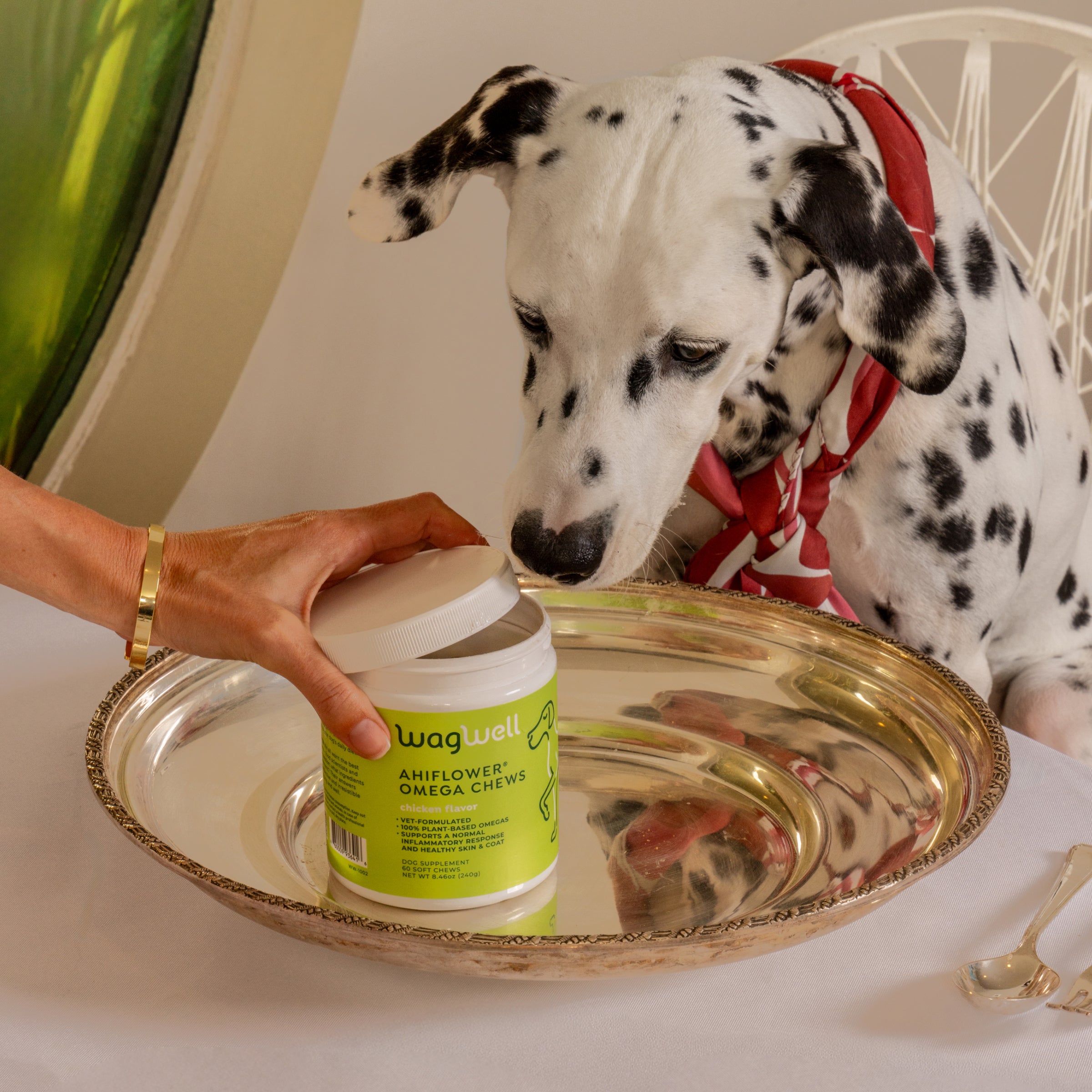
Plant-based omega alternatives eliminate these concerns entirely. Ahiflower Omega Chews deliver clinically proven omega nutrition without fishy burps or smell. This sustainable option saves 600 fish per bottle while providing complete omega-3, 6, and 9 fatty acids.
Feed Fish Safely and Confidently
Can dogs eat fish comes down to choosing safe varieties, preparing them properly, and feeding appropriate amounts. Cooked fish like salmon, sardines, and whitefish offer excellent nutrition when deboned and served plain. Avoid high-mercury fish and raw preparations that carry unnecessary risks.
Plant-based omega alternatives provide comparable benefits with greater convenience and sustainability. WagWell's Ahiflower-based products deliver complete omega nutrition that supports healthy skin, shiny coats, and strong joints. Explore the Better Bowl Bundle to boost your dog's daily meals with omega-rich oil and protein-packed toppers. Consult with your veterinarian for personalised guidance on incorporating fish or omega supplements into your dog's specific diet plan.
Sources:
Fish Oil for Dogs: What to Know
Recent Articles


