Dog Supplement FAQs
Do Dogs Need Vitamins and Supplements?
Do dogs need vitamins and supplements to stay healthy, or is quality food enough? This question comes up constantly among pet parents who want the best for their four-legged family members. The truth is that many dogs benefit from targeted supplementation, even with excellent diets. Understanding when, why, and how to supplement your dog's nutrition can make a significant difference in their quality of life throughout different life stages.
Why Do Dogs Need Vitamins and Supplements?
Dogs need vitamins and supplements to maintain their overall health and well-being throughout different life stages. Even with a well-balanced diet, some dogs have specific nutritional needs that food alone can't meet. Modern commercial dog foods are formulated to meet minimum requirements, but they don't always address individual needs.
Factors like age, breed, activity level, and existing health conditions all influence which dog supplements provide the most benefit. A young, active Labrador Retriever has vastly different needs than a senior Chihuahua with joint issues. Breed-specific predispositions also play a role in determining supplement requirements. Large breeds often need extra joint support from puppyhood, while small breeds may benefit more from dental health supplements.
Your dog's environment and lifestyle create additional nutritional demands that standard diets don't always address. According to the Veterinary Medicine journal, dogs with high activity levels, chronic health conditions, or those recovering from illness often require supplementation. Working dogs, performance athletes, and dogs in stressful environments burn through nutrients faster than sedentary house pets.
What Life Stages Require Different Supplement Support?
Puppies need supplements that support rapid growth and development. Large breed puppies particularly benefit from controlled calcium and phosphorus ratios. Joint supplements for dogs help protect developing cartilage during critical growth phases.
Adult dogs in their prime years may need minimal supplementation if they eat quality food. However, dogs with specific health concerns benefit from targeted support. Allergy relief supplements help manage seasonal or environmental sensitivities that food can't address.
Senior dogs almost universally benefit from supplementation as their bodies age. Nutrient absorption decreases with age, and wear on joints becomes apparent. Cognitive function dog supplements support brain health in aging dogs showing signs of confusion or disorientation.
How Do I Choose the Right Supplement for My Dog?
Choosing the right supplement for your dog requires careful consideration and professional guidance. It's important to consult with your veterinarian before starting any new supplement regimen. Your vet can recommend dog supplements based on your dog's age, breed, size, and specific health needs through examination and testing.
Blood work reveals nutritional deficiencies that aren't obvious from external observation alone. Physical exams identify joint issues, skin problems, or other conditions that supplementation can address. Your vet can also advise on appropriate dosage and how to administer supplements most effectively.
What Should You Look for in Quality Dog Supplements?
Quality indicators separate effective supplements from questionable products flooding the market. Look for vet-formulated options made in FDA-regulated facilities with minimal processing. Manufacturing location matters because U.S. facilities follow stricter quality control protocols.
Check labels carefully for these quality markers that indicate trustworthy products:
- Specific ingredient names rather than vague "proprietary blends" that hide actual contents.
- Clinical research backing for key ingredients showing proven effectiveness in dogs.
- Board-certified veterinary nutritionist formulation ensuring proper ingredient selection and dosing.
- No unnecessary fillers like corn, soy, or wheat that dilute therapeutic compounds.
- Transparent sourcing practices that disclose where ingredients originate and how they're processed.
Third-party testing verification provides independent confirmation of purity and potency.
Omega supplements formulated with clinically-proven plant-based ingredients offer transparency in sourcing and manufacturing. The American Kennel Club recommends choosing supplements from companies that conduct rigorous testing and provide clear dosing instructions.
Are Natural Supplements Better for Dogs Than Synthetic Ones?
The natural versus synthetic debate doesn't have a simple answer for dog supplements. Quality matters significantly more than the source alone. Some nutrients absorb better from natural food sources, though they can be difficult to dose accurately. Other nutrients work equally well in synthetic form and offer more consistent potency.
What matters most is choosing supplements with clinically studied ingredients at therapeutic doses. Proper formulation by veterinary nutritionists ensures bioavailability regardless of source. Transparent manufacturing standards you can verify build confidence in any supplement choice.
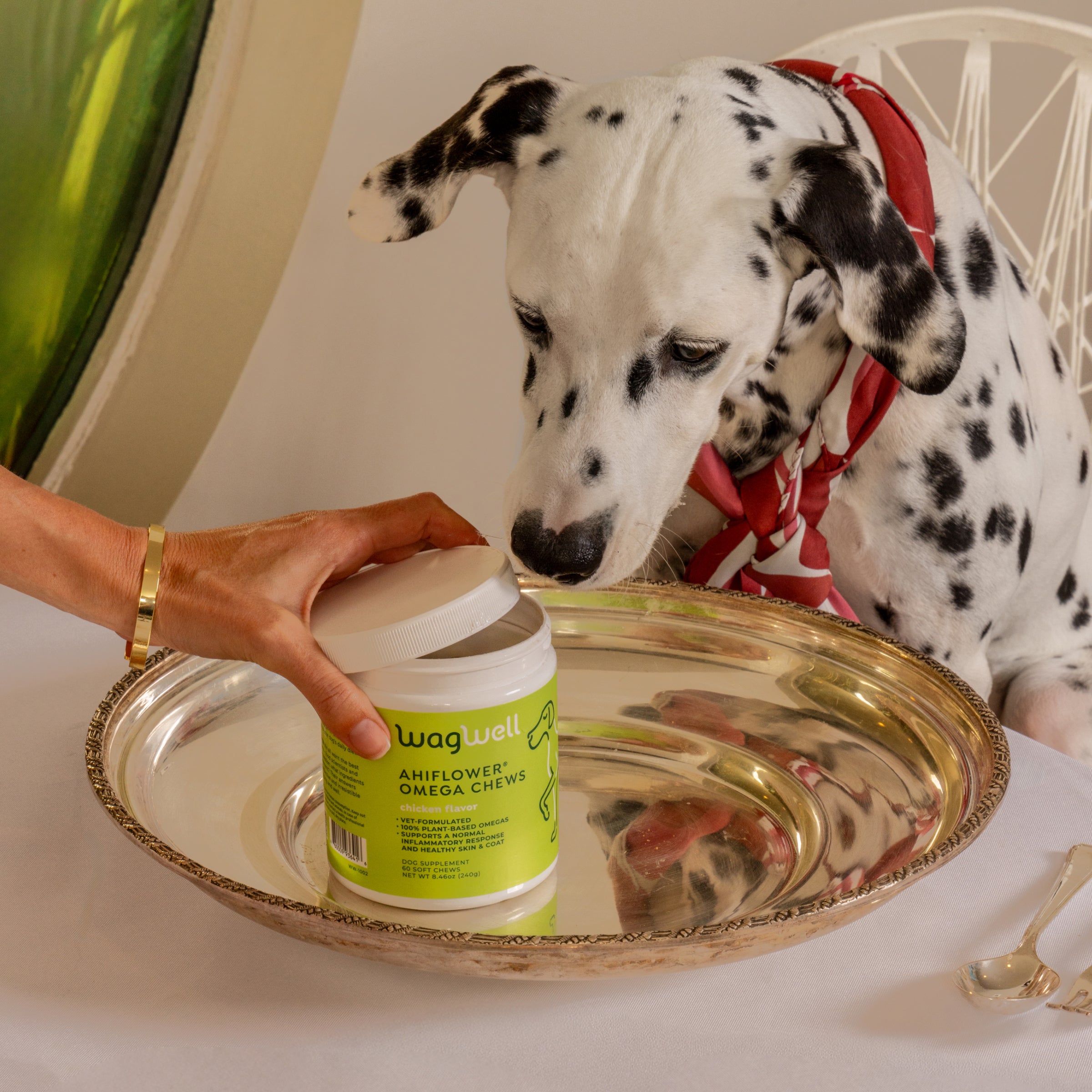
Plant-based omega fatty acids demonstrate how natural sources can outperform traditional options. Ahiflower Omega Chews provide complete omega profiles without the heavy metals or microplastics found in fish oil. Clinical studies prove plant-based omegas convert efficiently into the fatty acids dogs need.
How Do You Evaluate Ingredient Quality?
Ingredient quality determines supplement effectiveness more than any other single factor. Natural ingredients require careful sourcing to ensure purity and potency. Synthetic ingredients need verification that they match the molecular structure of natural versions.
Look for supplements that disclose exact ingredient amounts rather than hiding behind ranges. Minimal processing preserves ingredient integrity and bioavailability. Avoid supplements loaded with artificial colors, flavors, or preservatives that provide zero health benefits.
Can Supplements Replace a Balanced Diet?
No, supplements cannot replace a balanced diet for your dog under any circumstances. While supplements support your dog's health effectively, they shouldn't substitute for well-balanced nutrition. It's important to provide your dog with high-quality, nutritionally balanced food as the foundation of their diet first.
Supplements fill specific nutritional gaps or address particular health concerns that food can't handle. They work best when combined with appropriate nutrition rather than compensating for a poor diet. According to research published in the Journal of the American Veterinary Medical Association, supplements enhance complete diets but cannot replace them entirely.
Think of supplements as insurance rather than a replacement for good nutrition. They provide targeted support for specific body systems needing extra help. Comprehensive supplement programs work alongside quality food to optimize your dog's health across multiple areas.
How Do I Know If My Dog Needs a Vitamin or Supplement?
Recognizing when your dog needs supplementation requires attention to physical signs and behavioral changes. If your dog has a specific health condition like joint problems or skin issues, your veterinarian may recommend targeted supplements. Some dogs benefit from supplements supporting their immune system or overall health, particularly as they age.
Visible signs often indicate your dog could benefit from specific supplements. Constant scratching suggests skin or allergy issues that allergy support supplements can address. Stiff joints and difficulty climbing stairs point to mobility problems requiring joint support.
What Symptoms Indicate Supplement Needs?
Several common symptoms suggest your dog might benefit from targeted supplementation:
- Skin and coat issues like dryness, flaking, excessive shedding, or dull appearance indicate omega deficiency.
- Mobility problems including stiffness after rest, reluctance to jump, or favoring limbs suggest joint support needs.
- Digestive irregularities such as frequent soft stools, gas, or stomach sensitivity may benefit from probiotic support.
- Anxiety behaviors like excessive panting, pacing, or destructive tendencies during stress indicate calming supplement benefits.
- Low energy levels that seem disproportionate to age or activity suggest potential nutritional gaps.
Seasonal changes sometimes reveal supplement needs too. Dogs scratching more during spring may need allergy support. Winter stiffness often indicates joint supplements would help.
Are There Any Risks or Side Effects to Giving My Dog Supplements?
While most dog supplements are safe when given in appropriate doses, risks do exist. Some dogs may experience digestive upset, allergic reactions, or interactions with other medications. It's important to monitor your dog closely after starting any new supplement regimen.
Start with half the recommended dose for the first few days. This allows you to gauge tolerance before reaching full therapeutic levels. Watch for signs of stomach upset, including loose stools, vomiting, or decreased appetite.
Consult with your veterinarian if you notice any adverse effects after starting dog supplements. Some reactions resolve as your dog adjusts, while others require discontinuation. Always disclose all supplements your dog takes to ensure safe prescribing of any medications.
How Do Supplements Interact With Medications?
Supplement and medication interactions require careful management to avoid complications. Some supplements affect how medications work in your dog's body. Omega fatty acids can thin blood, affecting clotting medications. Calming dog supplements may intensify sedatives or anti-anxiety prescriptions.
Timing matters significantly when giving supplements alongside medications. Some nutrients block medication absorption if taken simultaneously. Your veterinarian can provide guidance on proper timing to avoid interactions. Keep a complete list of all supplements and medications your dog receives for veterinary appointments.
Quality dog supplements support your dog's health when chosen wisely and used appropriately. Focus on vet-formulated options with clinical backing and transparent manufacturing. Work closely with your veterinarian to create a supplement plan addressing your dog's specific needs while avoiding unnecessary products that provide minimal benefit.