



Can I give my dog allergy medicine? Some human allergy medications are safe for dogs when used at appropriate doses, but others pose serious health risks that outweigh potential benefits. Many pet parents reach for their own antihistamines when their dog shows allergy symptoms, hoping to provide quick relief. This approach carries risks because medications formulated for humans contain different dosages, inactive ingredients, and formulations that may harm dogs. Understanding which medications veterinarians consider safe and which to avoid completely protects your dog while managing uncomfortable allergy symptoms effectively.
Allergies affect approximately 10 to 15 percent of dogs, causing symptoms ranging from mild itching to severe skin infections. The temptation to share human medications stems from wanting immediate relief for a suffering pet. However, dogs metabolize drugs differently than humans, meaning safe human doses can prove toxic in canine systems. Even medications veterinarians sometimes recommend require careful dosing based on weight, health status, and specific allergy triggers.
This guide examines common human allergy medications, identifies which ones veterinarians consider safe under proper conditions, explains dosing guidelines, and explores when prescription or natural alternatives provide better solutions. Armed with this knowledge, you can make informed decisions about managing your dog's allergies safely and effectively.
Understanding Dog Allergies and Symptoms
Dogs experience allergic reactions when their immune systems overrespond to harmless environmental substances, food ingredients, or insect bites. These responses trigger histamine release in the body, creating the uncomfortable symptoms pet parents observe daily.
Common Allergy Types in Dogs
Environmental allergies affect dogs seasonally or year-round, depending on triggers. The American Kennel Club notes that pollen, mold spores, dust mites, and grass commonly trigger reactions. Food allergies develop to specific proteins, with beef, dairy, chicken, and wheat causing most documented cases. Flea allergy dermatitis results from hypersensitivity to proteins in flea saliva, where even a single bite creates intense itching.
Dogs manifest allergy symptoms differently than humans. While people often experience respiratory symptoms, dogs primarily show skin-related signs. Watch for these common indicators:
-
Intense scratching focused on paws, ears, face, and belly
-
Red, inflamed skin with possible hair loss
-
Chronic ear infections producing discharge and odor
-
Excessive paw licking creates brown staining
-
Face rubbing against furniture or carpet
-
Hot spots dare eveloping from localized scratching
Understanding your dog's specific allergy type helps determine the most appropriate treatment approach. Environmental allergies may respond well to antihistamines during peak seasons, while food allergies require dietary changes that medications cannot address.
How Allergies Affect Dogs Differently
The American Veterinary Medical Association emphasizes that canine skin contains more histamine receptors than human skin, explaining why dogs experience such intense itching. The skin barrier in allergic dogs becomes compromised, allowing allergens to penetrate more easily and triggering stronger inflammatory responses. This creates a cycle where scratching damages skin further, increasing allergen penetration and worsening symptoms.
Dogs cannot communicate discomfort verbally, making symptom recognition critical. Some dogs scratch constantly, while others may show subtle signs like increased grooming, restlessness at night, or changes in temperament. Chronic allergies affect quality of life significantly, disrupting sleep and normal activities while increasing infection risks from damaged skin.
Human Allergy Medications and Dogs
Several categories of human allergy medications exist, but not all are appropriate for canine use. Understanding the differences helps prevent accidental poisoning while identifying potentially helpful options.
Antihistamines: Which Ones Are Safe
Antihistamines block histamine receptors, preventing allergic responses from fully developing. Some antihistamines appear on veterinary-approved lists for occasional use, while others contain ingredients toxic to dogs. Diphenhydramine, the active ingredient in Benadryl, represents the most commonly recommended human antihistamine for dogs. Veterinarians prescribe it for mild allergic reactions, insect stings, and vaccine reactions.
Cetirizine, found in Zyrtec, offers another option veterinarians sometimes recommend. This second-generation antihistamine causes less drowsiness than diphenhydramine. Loratadine, the active ingredient in Claritin, provides a third alternative that some veterinarians approve for specific situations.
Medications to Absolutely Avoid
Many human allergy medications contain ingredients dangerous for dogs. The National Center for Biotechnology Information has documented cases of severe toxicity from inappropriate medication administration. Never give your dog these medications:
-
Combination products containing decongestants like pseudoephedrine or phenylephrine
-
Time-release or extended-release formulations designed for humans
-
Medications containing acetaminophen, which causes liver failure in dogs
-
Products with artificial sweeteners, particularly xylitol
-
Any medication containing multiple active ingredients
Decongestants pose particular dangers, causing rapid heart rate, elevated blood pressure, seizures, and potentially death. Even small amounts can prove toxic depending on dog's size and individual sensitivity. Always read complete ingredient lists before considering any human medication for your dog.
Proper Dosing Guidelines
Dosing human medications for dogs requires precise calculations based on body weight. The standard diphenhydramine dose ranges from 1 milligram per pound of body weight, given two to three times daily. A 50-pound dog would receive 50 milligrams per dose. However, individual factors like age, health conditions, and concurrent medications influence appropriate doses.
Human medications don't always translate safely to canine use, which is why veterinary consultation is essential before administering any antihistamine to your dog. Your veterinarian will determine the appropriate dosage based on your dog's weight, health history, and specific condition.
They can also help you understand potential complications, such as paradoxical reactions where some dogs become hyperactive rather than drowsy, or tolerance development that can reduce medication effectiveness over time. Professional guidance ensures your dog receives safe, effective treatment tailored to their individual needs.
When to Choose Veterinary or Natural Alternatives
Human allergy medications provide temporary relief but rarely address the underlying causes driving allergic responses. Several situations call for veterinary consultation rather than self-treatment with over-the-counter options.
Situations Requiring Veterinary Care
Schedule a veterinary appointment before administering any medication if your dog experiences these conditions:
-
First-time allergy symptoms requiring diagnosis
-
Severe reactions, including facial swelling or breathing difficulty
-
Skin infections developing from chronic scratching
-
Multiple failed attempts at symptom control with over-the-counter options
-
Concurrent health conditions like heart disease, liver problems, or kidney disease
-
Current prescription medications that might interact
Veterinarians can prescribe stronger antihistamines, corticosteroids for severe inflammation, or newer immunomodulatory drugs like Apoquel and Cytopoint. These prescription options often work better than human medications while carrying appropriate safety profiles for long-term use. Allergy testing identifies specific triggers, enabling targeted treatment through immunotherapy that reduces allergic responses over time.
Natural Support for Allergic Dogs
Natural approaches address allergies through multiple pathways simultaneously, often producing better long-term results than symptom suppression alone. Allergy & Itch Chews combine colostrum, Ahiflower omega oil, Epicor, and other natural ingredients that support immune regulation and reduce inflammation. The veterinary-formulated blend works with the body's systems rather than simply blocking histamine receptors.
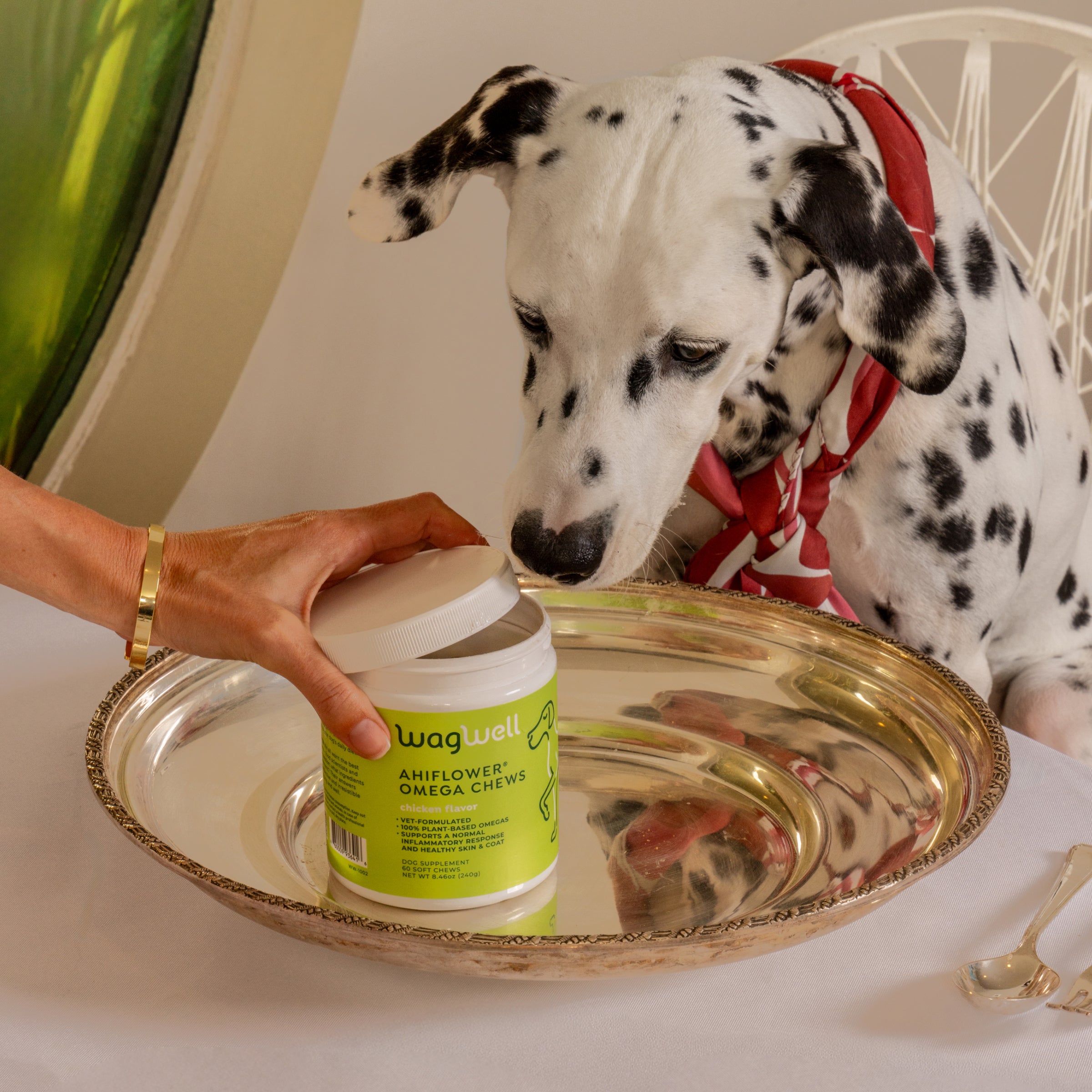
Omega fatty acids play critical roles in managing allergic skin conditions. Ahiflower Omega Oil provides complete omega 3, 6, and 9 profiles from plant-based sources. These essential fatty acids reduce inflammatory responses, strengthen skin barriers, and improve overall skin health. Dogs receiving consistent omega supplementation often show decreased allergy severity over six to eight weeks.
Consider these natural management strategies alongside or instead of medications:
-
Regular bathing removes environmental allergens from the coat and skin
-
Omega fatty acid supplementation reduces systemic inflammation
-
Probiotic support enhances gut health and immune regulation
-
Air filtration systems decrease indoor allergen levels
-
Frequent paw wiping after outdoor exposure limits allergen contact
Daily Cleansing Wipes offer convenient allergen removal between baths. The microbiome-friendly formula cleanses without disrupting beneficial skin bacteria, making them ideal for dogs requiring frequent cleaning during allergy seasons.
Safe Administration and Monitoring
Even veterinary-approved human medications require careful administration and observation to ensure safety and effectiveness.
Giving Medications Safely
Always verify the medication contains only the single active ingredient you intend to give. Check expiration dates, as degraded medications lose effectiveness or develop harmful compounds. Store medications securely where curious dogs cannot accidentally access them. Many dogs find medication bottles intriguing, and unsupervised access can lead to dangerous overdoses.
Administer medications with food unless directed otherwise. This approach reduces stomach upset while ensuring the dog swallows the full dose. Hide pills in treats, but verify your dog consumed the entire treat to confirm dosing. Some dogs become adept at eating around pills, spitting them out later.
Monitoring for Adverse Reactions
Watch your dog closely for the first few hours after administering any new medication. Common side effects from antihistamines include drowsiness, dry mouth, urinary retention, and gastrointestinal upset. Most dogs tolerate approved antihistamines well, but individual sensitivities occur.
Contact your veterinarian immediately if you observe these concerning signs:
-
Vomiting or diarrhea persisting beyond a few hours
-
Extreme lethargy or inability to rouse
-
Rapid breathing or difficulty breathing
-
Tremors, seizures, or collapse
-
Excessive drooling or signs of mouth pain
Document medication doses, timing, and your dog's response. This information helps veterinarians adjust treatment plans or identify patterns suggesting specific sensitivities.
Making the Best Choice for Your Dog
Can I give my dog allergy medicine? The answer depends on the specific medication, proper dosing, your dog's health status, and the severity of symptoms. While some human antihistamines prove safe under veterinary guidance, many contain dangerous ingredients that risk serious harm. Never administer human medications without first consulting your veterinarian, especially if your dog takes other medications or has underlying health conditions.
Natural alternatives like Allergy & Itch Chews and Ahiflower Omega Oil address allergies through multiple pathways while supporting overall health. These veterinary-formulated options provide safer long-term solutions than repeated human medication use. Your veterinarian remains your best resource for developing comprehensive allergy management plans tailored to your dog's specific needs and triggers.
Sources:
https://www.akc.org/expert-advice/health/dog-allergies-symptoms-treatment/
https://www.avma.org/resources/pet-owners/petcare/allergies-pets