

Probiotics for Dogs: Best Strains for Digestion and Gut Health
|
|
Time to read 6 min


|
|
Time to read 6 min
Probiotics for dogs are beneficial bacteria that support digestive health, immune function, and overall wellness in your canine companion. These live microorganisms work by balancing the gut microbiome, the complex community of bacteria living in your dog's digestive tract. A healthy gut contributes to better nutrient absorption, stronger immunity, and improved quality of life at every age.
Your dog's gut contains trillions of microorganisms that influence far more than just digestion. This bacterial ecosystem affects everything from skin health to behavior and mood. Probiotics for dogs help maintain the delicate balance between beneficial and harmful bacteria. When this balance tips in the wrong direction, dogs may experience digestive upset, weakened immunity, or chronic inflammation.
Modern veterinary science recognizes the connection between gut health and whole-body wellness. Stress, antibiotics, dietary changes, and environmental factors can all disrupt your dog's microbiome. Probiotic supplementation offers a science-backed approach to supporting digestive balance and helping your dog maintain optimal health through life's various challenges.
Understanding which probiotics work best, when to use them, and how they integrate with complete wellness care helps you make informed decisions for your dog's specific needs.
Probiotics for dogs function by colonizing the digestive tract with beneficial bacterial strains. These helpful microbes compete with harmful bacteria for resources and space. They also produce substances that create an environment where beneficial bacteria thrive while harmful organisms struggle to survive.
The gut microbiome plays a central role in immune system development and function. According to the American Kennel Club, approximately 70% of a dog's immune system resides in the gut. Probiotics help train immune cells to distinguish between harmless and dangerous substances, reducing inappropriate immune responses.
Digestive benefits extend beyond simple stomach comfort. Probiotics for dogs support these important functions:
Breaking down food components for better nutrient absorption
Producing vitamins including B vitamins and vitamin K
Maintaining the intestinal barrier to prevent harmful substances from entering the bloodstream
Reducing inflammation in the digestive tract
Supporting regular, healthy bowel movements
Research shows that specific probiotic strains offer targeted benefits. Lactobacillus and Bifidobacterium species are among the most studied and beneficial for canine health.
Several life circumstances and health challenges make probiotic supplementation particularly valuable. Antibiotics, while necessary for treating bacterial infections, kill both harmful and beneficial bacteria. This disruption often leads to digestive upset and diarrhea. Starting probiotics during antibiotic treatment and continuing for several weeks afterward helps restore healthy bacterial populations.
Dietary changes stress the digestive system as your dog's gut adapts to new ingredients. Whether switching food brands, transitioning to a new protein source, or adjusting to a special diet, probiotics for dogs ease the adjustment period. They help prevent the digestive upset that commonly accompanies food changes.
Stressful situations also impact gut health. Travel, boarding, moving to a new home, or changes in household routines can trigger digestive problems in sensitive dogs. Probiotics support gut stability during these challenging periods.
Chronic digestive issues including inflammatory bowel disease, food sensitivities, and chronic diarrhea may improve with probiotic support. According to the American Veterinary Medical Association, dogs with ongoing digestive challenges often benefit from targeted probiotic supplementation. Always consult with your veterinarian for personalized recommendations regarding chronic health conditions.
Not all probiotic products deliver equal benefits. Quality matters significantly in probiotic supplementation. Look for products specifically formulated for dogs rather than human probiotic supplements. Canine digestive systems differ from human systems, requiring different bacterial strains and concentrations.
Check for these quality indicators when selecting probiotics for dogs:
Named bacterial strains rather than just genus names
Colony-forming unit (CFU) counts appropriate for dogs
Products stored properly to maintain bacterial viability
Clear expiration dates indicating potency
Manufacturing by reputable companies with quality control standards
Probiotic delivery format affects convenience and effectiveness. Powders mix easily into food but require careful storage. Chewable supplements offer convenience if your dog accepts them readily. Some foods include probiotics, though heat processing during manufacturing may reduce bacterial viability.
Supporting digestive health through multiple approaches provides comprehensive benefits. Allergy & Itch Chews combine immune-supporting ingredients including colostrum and Epicor that work alongside digestive health to reduce inflammation and support comfortable skin.
Prebiotics and probiotics for dogs work together synergistically to support gut health. While probiotics provide beneficial bacteria, prebiotics serve as food for those bacteria. This combination, sometimes called synbiotics, helps probiotic bacteria establish themselves and thrive in the digestive tract.
Prebiotics are non-digestible fiber compounds that resist breakdown in the upper digestive tract. They reach the colon intact where beneficial bacteria ferment them. This fermentation produces short-chain fatty acids that nourish intestinal cells and support gut barrier function.
Common prebiotic sources include chicory root, inulin, fructooligosaccharides (FOS), and certain soluble fibers. Many high-quality dog foods include prebiotic ingredients. Additional supplementation may benefit dogs with compromised gut health or those recovering from digestive challenges.
Research from the National Institutes of Health demonstrates that combining prebiotics and probiotics for dogs produces better outcomes than probiotics alone. The prebiotic component helps beneficial bacteria colonize more effectively and provides sustained support for microbial balance.
Recognizing when probiotics for dogs might help requires attention to your dog's normal patterns and any changes. Digestive symptoms often signal microbiome imbalance. These may include loose stools, constipation, excessive gas, or visible discomfort after eating.
Skin and coat changes can also indicate gut health problems. The gut-skin connection means that microbiome imbalances sometimes manifest as itching, hot spots, or dull coat quality. Chronic ear infections may also relate to underlying gut dysbiosis.
Behavioral changes occasionally connect to digestive discomfort. Dogs may become less active, show decreased appetite, or display signs of nausea, like excessive drooling or grass eating. Some dogs become more irritable or anxious when experiencing digestive upset.
Your veterinarian can help determine whether probiotics for dogs would benefit your specific situation. They may recommend diagnostic testing to rule out parasites, infections, or other medical conditions requiring different treatment approaches.
Supporting overall wellness through complete nutrition helps maintain healthy gut function. Ahiflower Omega Oil provides anti-inflammatory omega fatty acids that support gut lining integrity and reduce systemic inflammation.
Probiotics for dogs work best as part of comprehensive wellness care rather than as isolated supplements. Quality nutrition forms the foundation of good health. A complete and balanced diet appropriate for your dog's life stage provides the nutrients necessary for overall wellbeing including gut health.
Regular exercise supports healthy digestion through increased blood flow to the digestive tract and promotion of regular bowel movements. Mental stimulation and stress management also contribute to gut health since the gut-brain connection influences digestive function.
Routine veterinary care identifies health issues early before they become serious problems. Annual wellness exams, appropriate vaccinations, and parasite prevention all support your dog's complete health picture. Probiotics complement these foundational care elements.
Clean water, appropriate dental care, and maintaining a healthy weight all contribute to your dog's overall wellness. Each element works together to support optimal health throughout your dog's life.
Probiotics for dogs offer valuable support for digestive health, immune function, and overall wellness. These beneficial bacteria help maintain the critical balance of microorganisms in your dog's gut. Whether supporting recovery from antibiotics, easing stress-related digestive upset, or managing chronic conditions, probiotics provide science-backed benefits.
Quality matters in probiotic supplementation. Choose products specifically formulated for dogs with named bacterial strains and appropriate CFU counts. Combine probiotics with prebiotics for optimal results and integrate supplementation into comprehensive wellness care.
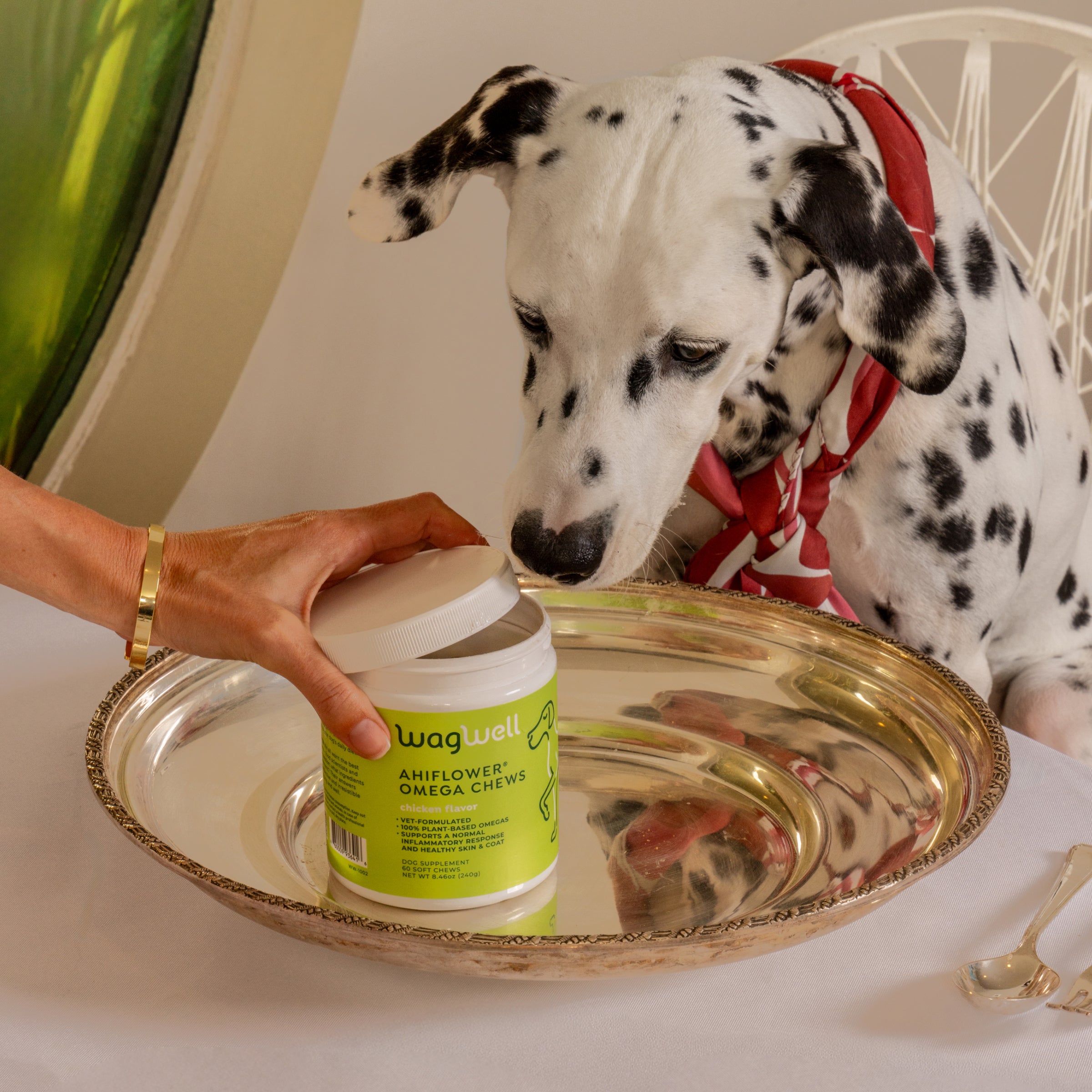
WagWell products support complete canine wellness through science-backed formulations. Ahiflower Omega Chews deliver anti-inflammatory omega nutrition that supports gut health and reduces systemic inflammation. The Better Bowl Bundle enhances daily nutrition with omega-rich oil and protein-packed toppers that complement your dog's digestive wellness routine. Consult with your veterinarian for personalized guidance on probiotics for dogs and complete wellness care tailored to your dog's specific needs.
Sources:
Use of probiotics in small animal veterinary medicine
The Production and Delivery of Probiotics: A Review of a Practical Approach
Recent Articles


