


Why does my dog stare at me? Dogs stare at their owners for multiple reasons including seeking attention, expressing affection, anticipating actions, requesting something, or attempting to communicate specific needs. This behavior represents one of the primary ways dogs interact with humans, using eye contact to strengthen bonds and convey messages they cannot express verbally. While prolonged staring between dogs signals aggression or challenge, the same behavior directed at humans typically indicates positive engagement, trust, and desire for connection or interaction.
Understanding canine body language helps pet parents interpret what their dogs communicate through eye contact. The context surrounding the stare, accompanying body language, and timing all provide clues about your dog's intentions. This guide examines the most common reasons dogs stare at their owners, explains how to interpret different types of eye contact, and identifies situations requiring concern.
Common Reasons Dogs Stare at Their Owners
Dogs use eye contact strategically to communicate various needs, emotions, and desires throughout daily interactions with their human family members.
Seeking Attention and Interaction
The American Kennel Club notes that dogs frequently stare at owners to initiate interaction or request attention. This behavior often succeeds because most pet parents respond to their dog's gaze by talking, petting, or engaging with them. Dogs learn quickly that staring produces desired outcomes, reinforcing the behavior through positive results.
Attention-seeking stares typically occur when dogs feel bored, want playtime, or desire physical affection. The stare may accompany other attention-seeking behaviors like bringing toys, nudging with their nose, or positioning themselves in your line of sight.
Expressing Affection and Bonding
Research demonstrates that mutual gazing between dogs and humans triggers oxytocin release in both species. This "love hormone" strengthens emotional bonds and creates feelings of attachment and contentment. When your dog stares at you with soft, relaxed eyes, they may simply be expressing affection and enjoying your presence. These loving gazes often occur during quiet moments when dogs rest near their owners or receive gentle petting.
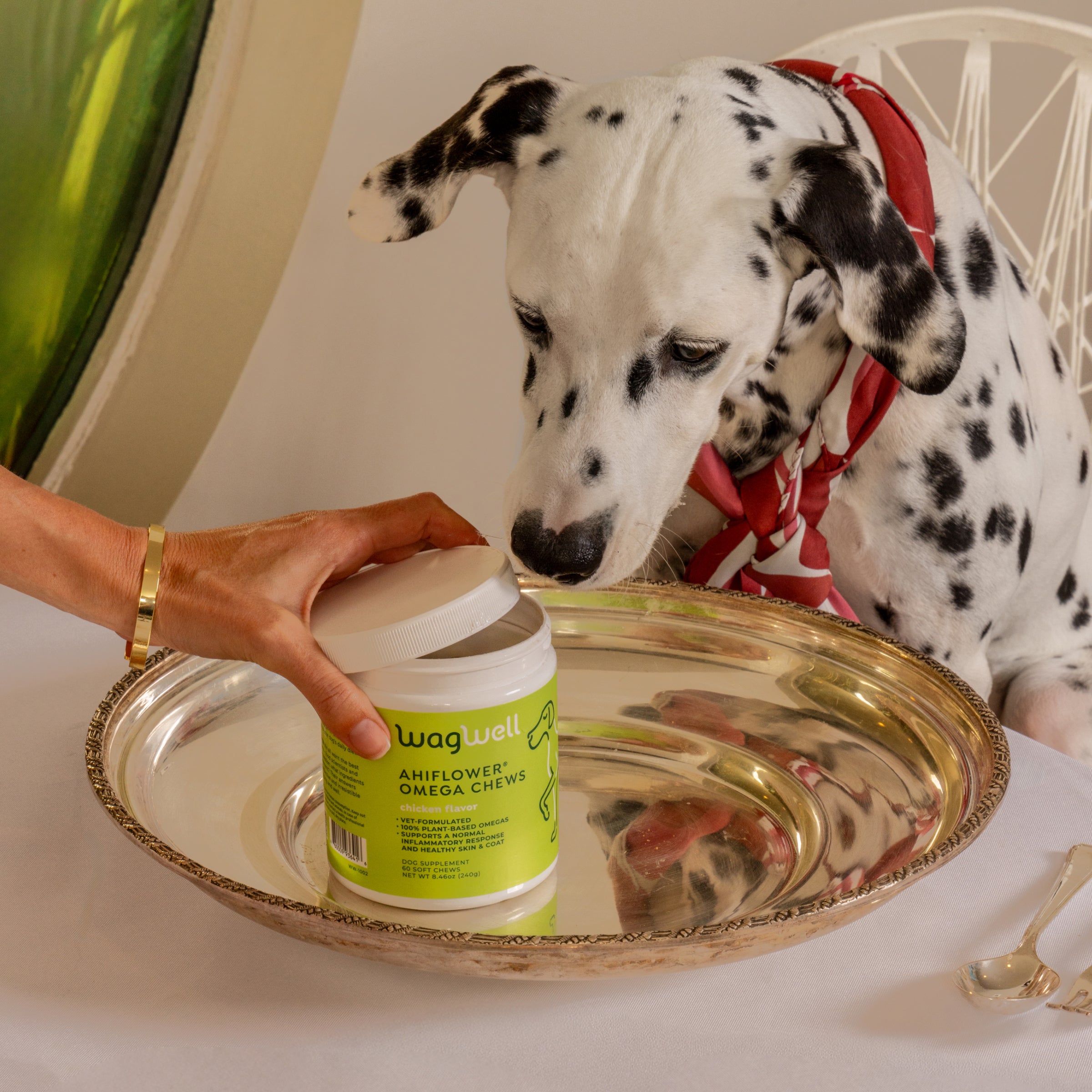
Ahiflower Omega Oil supports overall health and wellbeing, helping dogs feel their best physically so they can engage fully in these bonding experiences.
Anticipating Actions and Routines
Dogs excel at pattern recognition, learning daily routines and anticipating events based on contextual clues. Your dog may stare intensely when they predict something enjoyable will happen soon. Common triggers include meal preparation times, grabbing leashes before walks, or putting on shoes that signal departure for adventures.
These anticipatory stares often feature alert, focused expressions with ears forward and bodies poised for action. Dogs may stare while you prepare their food, waiting for permission to eat. They might fix their gaze on you during specific times of day associated with walks or play sessions.
Requesting Something Specific
The American Veterinary Medical Association recognizes that dogs develop sophisticated communication strategies with their human companions. When dogs need something specific, they often combine staring with other behaviors indicating their request.
Watch for these common staring contexts:
-
Staring at doors indicating the need for outdoor access
-
Focusing on empty water bowls requesting refills
-
Gazing at leashes or harnesses wanting walks
-
Fixing eyes on the treat locations desiring snacks
-
Watching owners during mealtimes hoping for food sharing
Dogs learn which staring strategies produce results with their specific families. Your dog adjusts their approach based on what works in your home environment.
Interpreting Different Types of Stares
Not all canine stares carry identical meanings. Recognizing distinctions between various staring behaviors helps you respond appropriately to your dog's communication attempts.
Soft Eyes vs. Hard Stares
Soft, relaxed eye contact indicates contentment, affection, or calm attention. Dogs displaying soft eyes show slightly squinted lids, relaxed facial muscles, and overall peaceful body language. This gentle gaze typically accompanies positive emotional states and represents the look most owners find endearing during bonding moments.
Hard stares feature wide-open eyes, tense facial muscles, and rigid body posture. While dogs rarely direct truly hard stares at trusted human family members, this intense eye contact can indicate stress, anxiety, or uncertainty. The National Center for Biotechnology Information has documented how canine facial expressions communicate emotional states to human observers.
Context-Dependent Staring
Environmental context dramatically influences stare meanings. A dog staring during training sessions demonstrates focus and attention to handler cues. Staring during play may indicate excitement and anticipation of the next game move. Dogs often lock eyes with owners between fetch throws or during tug games.
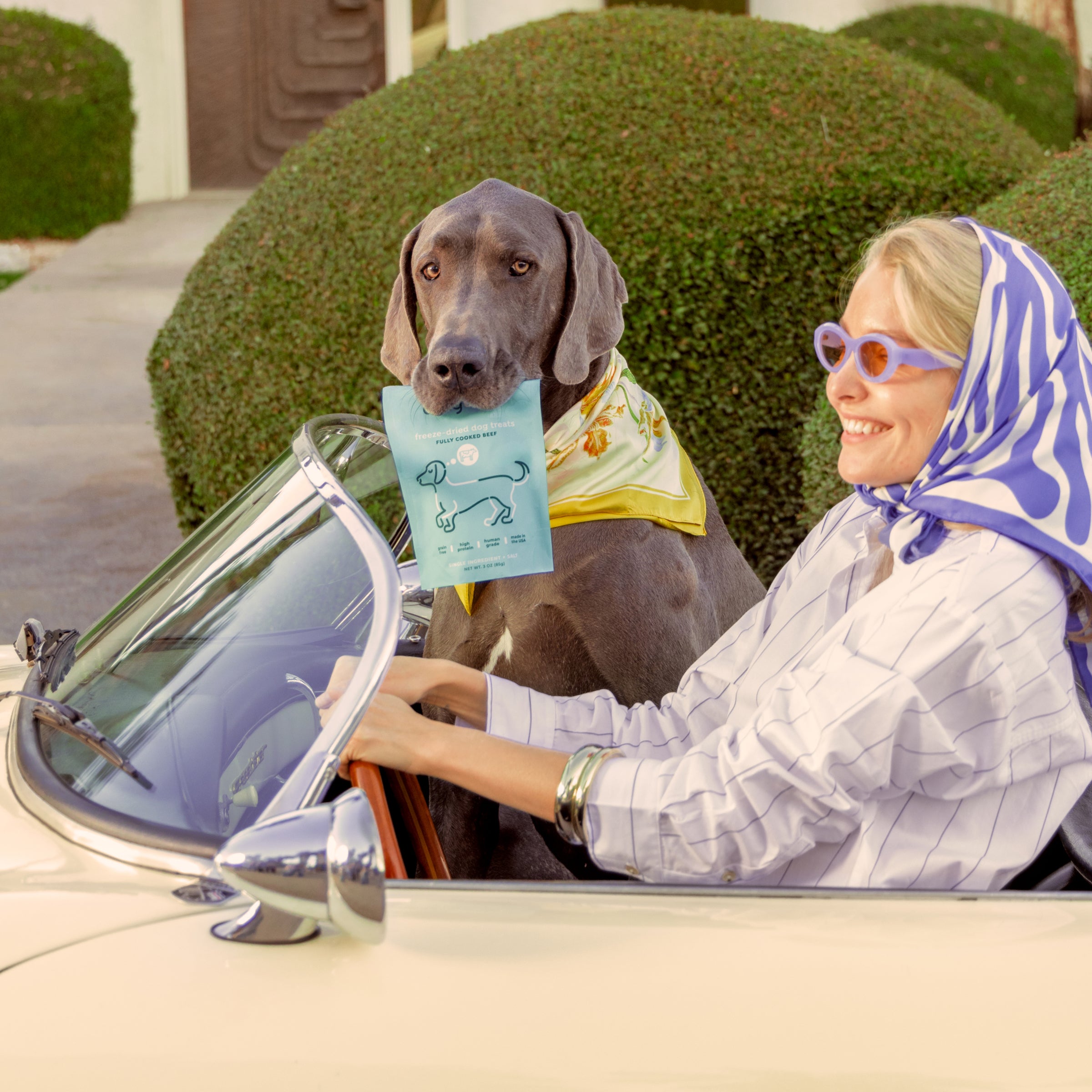
Mealtime staring differs from relaxation staring in intensity and focus. Dogs begging for food display unwavering attention on eating humans or food sources. Freeze-Dried Beef Topper makes an excellent healthy addition to dog meals, satisfying their interest in food variety without encouraging begging behaviors.
When Staring Indicates Problems
While most staring represents normal communication, certain patterns suggest underlying issues requiring attention or intervention.
Obsessive or Compulsive Staring
Some dogs develop obsessive staring behaviors that exceed normal communication attempts. These dogs may stare for extended periods without apparent triggers, showing an inability to disengage even when redirected. Obsessive staring might target specific objects, shadows, reflections, or ceiling fixtures rather than people.
Dogs displaying obsessive staring may also show other repetitive behaviors like excessive licking, tail chasing, or pacing. Veterinary behaviorists can evaluate concerning staring patterns and recommend treatment approaches including environmental enrichment, medication, or behavior modification protocols.
Cognitive Decline in Senior Dogs
Older dogs sometimes develop staring behaviors related to cognitive dysfunction syndrome, the canine equivalent of dementia. Affected dogs may stare blankly at walls, into space, or at family members without apparent recognition or purpose. This staring differs from purposeful communication, appearing confused or disoriented rather than focused and intentional.
Mobility Chews support joint health and comfort in aging dogs, helping them maintain quality of life as they navigate age-related changes.
Medical Issues Causing Staring
Certain medical conditions cause staring behaviors that differ from normal communication. Vision problems may cause dogs to stare without truly seeing, appearing to look through rather than at people or objects. Pain or discomfort sometimes causes dogs to stare at owners as distress signals. Dogs in pain might stare while displaying other indicators like whimpering, reluctance to move, or changes in appetite.
Responding to Your Dog's Staring
How you respond to canine staring influences whether the behavior increases, decreases, or maintains current levels.
Reinforcing Positive Communication
When dogs stare to communicate legitimate needs like bathroom breaks or water refills, responding promptly reinforces appropriate communication. Acknowledge their communication verbally before addressing their need, helping dogs understand you received their message.
For affectionate staring during bonding moments, reciprocate with gentle eye contact, soft talking, or physical affection. Allergy & Itch Chews help dogs feel comfortable in their skin, promoting the relaxed, content states where affectionate bonding behaviors flourish naturally.
Discouraging Unwanted Staring
When dogs stare demanding treats, table scraps, or constant entertainment, avoid rewarding the behavior with desired outcomes. Instead, wait for the stare to break before providing any attention or interaction. Redirect obsessive or anxious staring by engaging dogs in alternative activities. Offer puzzle toys, initiate training sessions, or encourage play to shift their focus productively.
Understanding Your Dog's Visual Communication
Why does my dog stare at me? Most staring represents normal, healthy communication where dogs seek attention, express affection, anticipate enjoyable events, or request specific needs. The context surrounding the stare, accompanying body language, and your dog's overall demeanor provide clues about their intentions. While most staring requires no intervention beyond appropriate responses, obsessive patterns, cognitive decline indicators, or sudden behavioral changes warrant veterinary evaluation. Understanding your dog's visual communication strengthens your bond while ensuring you address both routine needs and potential health concerns effectively.
Sources:
American Kennel Club. "Why Does My Dog Stare at Me?"
American Veterinary Medical Association "The Role of Breed in Dog ABite Risk and Prevention"
National Center for Biotechnology Information. "Canine Facial Expressions and Human Communication."
Recent Articles


