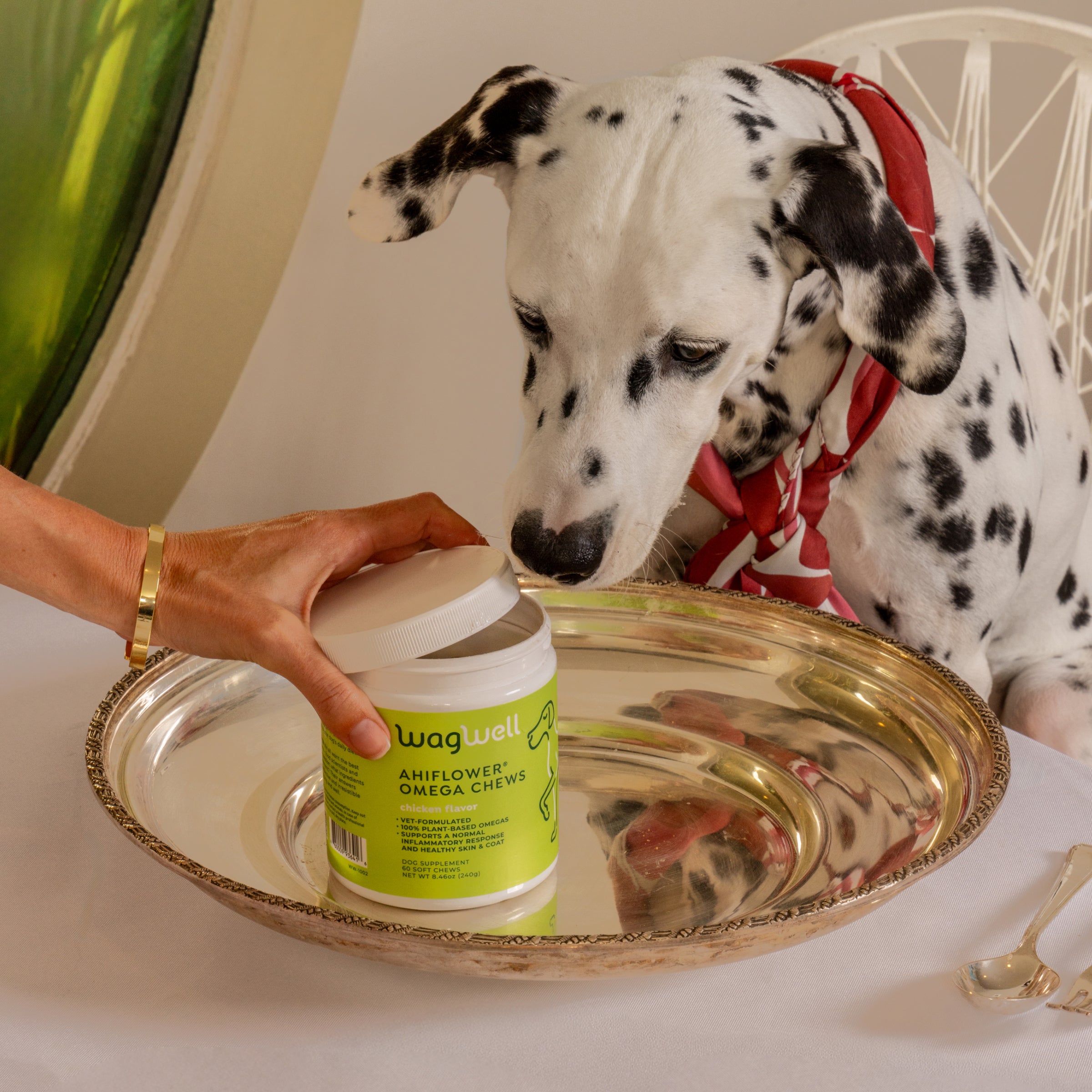


Why Is My Dog Shaking? Understanding Toxicity, Nausea, and Seizures
|
|
Time to read 5 min


|
|
Time to read 5 min
Why is my dog shaking? Dogs shake for numerous reasons ranging from normal behavioral responses like excitement and coldness to serious medical conditions including pain, toxicity, neurological disorders, or metabolic disease. Occasional shaking in specific contexts typically indicates harmless reactions to environmental or emotional triggers. However, persistent shaking, tremors without apparent cause, or shaking accompanied by other symptoms may signal underlying health problems requiring veterinary attention. Understanding the difference between benign shaking and concerning tremors helps pet parents respond appropriately to their dog's needs.
Shaking manifests differently depending on the underlying cause. Full-body shivers differ from localized tremors affecting specific body parts. Brief shaking episodes triggered by identifiable events contrast with chronic trembling that persists regardless of circumstances. This guide examines common causes of canine shaking, identifies warning signs distinguishing harmless from serious conditions, and provides practical guidance for addressing your dog's tremors.
Many shaking episodes stem from typical behavioral or physiological responses that resolve naturally without intervention.
The American Kennel Club notes that shivering represents a natural thermoregulatory mechanism generating heat through rapid muscle contractions. Small dogs, short-haired breeds, and those with minimal body fat shake more readily when exposed to cold temperatures. Senior dogs and puppies also show increased cold sensitivity due to reduced ability to regulate body temperature effectively.
Dogs shake when environmental temperatures drop below their comfort zones. This response appears particularly pronounced after baths, swimming, or outdoor exposure during cold weather. The shaking typically stops once dogs warm up through environmental heating, dry towels, or physical activity. Paw Protector shields paws from cold surfaces during winter walks, reducing overall cold exposure that triggers shaking.
Many dogs shake when experiencing intense positive emotions like excitement or anticipation. This shaking often accompanies events that dogs find highly stimulating including greeting beloved family members, preparing for walks, or anticipating meals. These excitement-based tremors typically involve whole-body shaking with accompanying signs like tail wagging, jumping, and enthusiastic body language.
Dogs commonly shake after physical exertion, particularly following swimming or rolling in grass. This behavior helps remove water, dirt, and debris from their coats through rapid skin oscillation. Shaking also occurs during stretching sequences when dogs wake from sleep or rise after prolonged rest.
Various health conditions produce shaking as primary symptoms or secondary responses to physiological distress.
The American Veterinary Medical Association recognizes shaking as a common pain indicator in dogs. Discomfort from injuries, arthritis, abdominal issues, dental problems, or post-surgical recovery often manifests as trembling. Dogs experiencing pain may shake specific body parts near the affected area or display generalized trembling from overall distress.
Pain-related shaking typically accompanies other indicators including decreased appetite, reluctance to move, whimpering, protective body postures, or aggression when touched near painful areas. Mobility Chews support joint health with glucosamine, chondroitin, and Ahiflower omega oil, potentially reducing pain-related shaking in dogs with arthritis or joint issues.
Dogs experiencing nausea often shake or tremble before vomiting. Gastrointestinal discomfort from dietary indiscretion, infections, or underlying digestive disorders triggers shaking alongside other symptoms like drooling, lip smacking, decreased appetite, or abnormal bowel movements. Motion sickness during car rides commonly produces shaking combined with excessive drooling and restlessness.
Exposure to toxic substances produces various symptoms including shaking, tremors, or seizures. Common household toxins affecting dogs include chocolate, xylitol, certain plants, rodent poisons, medications, and cleaning products. The National Center for Biotechnology Information has documented numerous cases where toxin ingestion caused neurological symptoms including tremors requiring emergency intervention.
Toxicity-related shaking often appears suddenly and may progress rapidly in severity. Additional symptoms typically include vomiting, diarrhea, excessive drooling, disorientation, collapse, or seizures. Any suspected toxin exposure requires immediate veterinary attention regardless of symptom severity.
Conditions affecting the nervous system produce various shaking patterns. Seizure disorders may cause trembling before, during, or after seizure episodes. Generalized Tremor Syndrome, also called white shaker dog syndrome, causes full-body tremors particularly in small white dogs, though any breed can develop this condition.
Conditions like hypoglycemia produce shaking when blood sugar drops too low. Small breed puppies and diabetic dogs face particular vulnerability to hypoglycemic episodes. Addison's disease, kidney disease, and other metabolic disorders may cause shaking alongside symptoms like weakness, increased thirst, vomiting, or collapse.
Psychological factors trigger shaking through activation of stress responses affecting muscle tension and overall physiological state.
Dogs experiencing fear or anxiety shake as part of the fight-or-flight stress response. Common triggers include thunderstorms, fireworks, loud noises, unfamiliar environments, separation from owners, or veterinary visits. Anxiety-related shaking typically accompanies other stress signals like panting, pacing, hiding, whining, or destructive behavior.
Calming Chews combine chamomile, passionflower, magnolia bark, and full-spectrum hemp oil to promote relaxation during stressful situations. The plant-based formula helps dogs maintain emotional balance, potentially reducing anxiety-related shaking.
Noise phobias represent intense fear responses to specific sounds like fireworks, thunderstorms, or construction noise. Affected dogs shake uncontrollably during triggering events, often seeking hiding places or attempting escape. Desensitization training combined with calming support helps many dogs overcome or manage noise phobias.
Certain shaking patterns indicate problems requiring prompt professional evaluation.
Seek immediate veterinary care if your dog displays these symptoms:
Shaking accompanied by seizures or loss of consciousness
Inability to stand or walk due to trembling
Shaking with pale or blue gums indicating poor oxygenation
Sudden onset of severe shaking without apparent cause
Shaking following known or suspected toxin exposure
Trembling with signs of extreme pain, such as vocalization or aggression
These situations may indicate life-threatening conditions requiring emergency intervention.
Schedule veterinary appointments for these patterns:
Persistent shaking lasting more than 24 hours without improvement
Gradual increase in shaking frequency or intensity over time
Shaking accompanied by decreased appetite, lethargy, or behavioral changes
Localized tremors affecting specific body parts consistently
Addressing shaking requires identifying and treating underlying causes while providing supportive care.
Ensure dogs have warm, comfortable resting areas protected from drafts and temperature extremes. Provide sweaters or coats for small dogs, short-haired breeds, and seniors during cold weather. Create calm environments for anxious dogs using consistent routines, safe spaces, and positive reinforcement training.
Daily Cleansing Wipes help maintain skin health and comfort, reducing potential irritation that might contribute to stress-related shaking.
Maintain regular feeding schedules preventing hypoglycemia in vulnerable dogs. Ahiflower Omega Oil supports overall health through complete omega-3, 6, and 9 profiles. The anti-inflammatory properties benefit dogs experiencing discomfort while supporting nervous system function.
Follow prescribed treatment plans for diagnosed conditions causing shaking. Pain management, anti-anxiety medications, or treatments for specific disorders address root causes rather than just symptoms.
Why is my dog shaking? The answer depends on context, accompanying symptoms, and your dog's overall health status. While shaking from cold, excitement, or post-activity responses represents normal behavior, persistent trembling, sudden onset shaking, or tremors accompanied by other concerning symptoms require veterinary evaluation.
Common medical causes include pain, nausea, toxicity, neurological disorders, and metabolic conditions, while anxiety and fear trigger psychological shaking responses. Understanding your dog's normal patterns helps you recognize when changes signal problems requiring professional attention.
Sources:
American Kennel Club. "Why Is My Dog Shaking?"
National Center for Biotechnology Information. "Common Toxicities
Recent Articles


