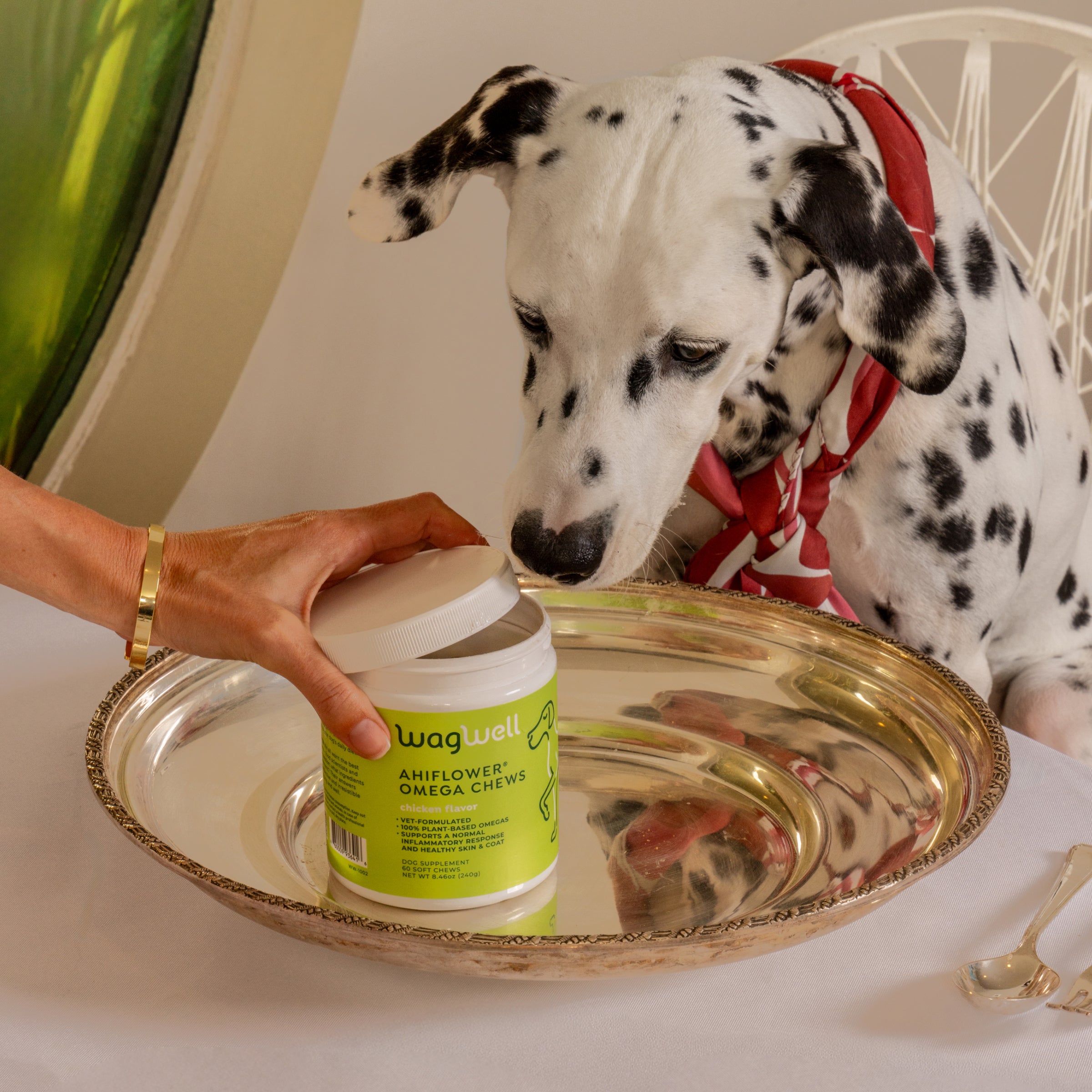




Omega oils for dogs are crucial for skin, coat, joint, and brain health, with different sources offering varying levels of bioavailability and nutritional profiles. Pet parents face numerous options when selecting omega supplements, from traditional fish oils to emerging plant-based alternatives. Each source provides distinct advantages and limitations affecting absorption, effectiveness, sustainability, and suitability for individual dogs. Understanding these differences empowers you to choose omega supplements that best match your dog's specific needs, dietary restrictions, and health goals.
The omega oil market includes plant-based options like Ahiflower, flaxseed, and chia, marine sources like salmon and krill oil, and various blends combining multiple sources. This comprehensive guide compares major omega oil sources, examines their nutritional profiles and absorption rates, and identifies ideal applications for each type.
Plant-Based Omega Oils
Plant sources provide alternative omega fatty acids requiring conversion into active EPA and DHA forms, with varying efficiency depending on the specific fatty acids present.
Ahiflower Oil: Superior Plant-Based Alternative
Ahiflower oil stands out among plant-based omega sources due to its unique fatty acid profile including stearidonic acid (SDA). The American Kennel Club has published research showing that SDA converts to EPA approximately four times more efficiently than the alpha-linolenic acid (ALA) found in flaxseed or chia.
Ahiflower Omega Oil provides complete omega 3, 6, and 9 profiles in balanced ratios supporting comprehensive wellness. The plant-based formula eliminates fishy smell, taste, and burps that deter some dogs from marine oils. Sustainability significantly exceeds fish-based sources since Ahiflower cultivation requires no ocean harvesting, saves approximately 600 fish per bottle, and contains zero risk of heavy metal contamination or microplastics.
Ahiflower works exceptionally well for dogs with fish allergies requiring omega supplementation without marine ingredients. Vegan pet parents appreciate the plant-based sourcing aligning with ethical values. Picky eaters often accept Ahiflower more readily than fishy-tasting alternatives.
The primary limitation involves a lack of direct DHA, relying instead on conversion from SDA and ALA precursors. While Ahiflower converts far more efficiently than other plant sources, dogs with severe inflammatory conditions requiring maximum EPA and DHA may need marine sources for optimal results.
Flaxseed and Chia Oil: Basic Plant Sources
Flaxseed and chia oils provide ALA, the shortest-chain omega-3 fatty acid requiring multi-step conversion to become biologically active EPA and DHA. Dogs convert ALA very inefficiently, with estimates suggesting less than 10 percent successfully transform into usable long-chain fatty acids. This poor conversion rate significantly limits effectiveness for addressing inflammation, joint problems, or specific health conditions.
These oils offer sustainable, affordable omega supplementation suitable for general wellness maintenance rather than therapeutic applications. The neutral flavors appeal to picky eaters, and the oils integrate easily into meals without fishy odor concerns. However, the extremely limited bioavailability means flaxseed and chia oils cannot replace marine or Ahiflower sources for dogs with diagnosed conditions requiring omega therapy.
Marine-Based Omega Oils
Marine sources provide direct EPA and DHA, the long-chain omega-3 fatty acids most beneficial for reducing inflammation and supporting multiple body systems.
Salmon Oil: The Traditional Gold Standard
The American Veterinary Medical Association recognizes salmon oil as a highly effective omega-3 source for dogs. This marine oil delivers both EPA and DHA in triglyceride form, providing readily available fatty acids that the body uses without requiring conversion. Salmon oil supports joint health, reduces inflammation, promotes cardiovascular function, and enhances skin and coat quality.
Wild-caught salmon oil typically offers superior quality compared to farmed alternatives, with lower contamination risks and better fatty acid ratios. The rich, fishy flavor appeals to many dogs, though some pets and owners find the smell objectionable. Drawbacks include sustainability concerns as wild salmon populations face pressure from overfishing. Quality varies significantly between products, with some containing concerning levels of heavy metals or oxidized oils.
Krill Oil: Maximum Absorption
Krill oil provides omega-3 fatty acids in phospholipid form rather than the triglyceride form found in fish oils. This structural difference enhances bioavailability, with research suggesting krill oil delivers approximately 40 percent better absorption than traditional fish oils. The National Center for Biotechnology Information notes that improved absorption allows lower doses to achieve similar therapeutic effects.
Beyond superior bioavailability, krill oil contains astaxanthin, a powerful antioxidant giving krill oil its distinctive red color. Astaxanthin provides additional anti-inflammatory benefits while protecting the oil from oxidation, extending its shelf life naturally. Krill oil excels for dogs requiring maximum absorption, particularly those with severe inflammatory conditions, joint problems, or compromised digestive systems affecting nutrient uptake.
Cost represents the primary limitation, as krill oil typically exceeds salmon oil prices significantly. The fishy smell and taste remain present, though sustainability improves over some fish oil sources since krill populations remain relatively abundant.
Key Comparison Factors
Understanding which omega source best matches specific situations helps optimize supplementation strategies for individual dogs across several critical dimensions.
Bioavailability and Effectiveness
How well dogs absorb and utilize different omega sources directly impacts therapeutic results. Consider these absorption rankings:
-
Krill oil leads with the highest absorption rates due to its phospholipid structure
-
Salmon oil follows with high bioavailability from direct EPA and DHA provision
-
Ahiflower ranks moderate to high for plant sources thanks to efficient SDA conversion
-
Flaxseed and chia oils trail significantly with poor ALA conversion
Dogs with digestive sensitivities or absorption issues benefit most from krill oil's superior bioavailability. Healthy dogs with normal digestion achieve excellent results from salmon oil or Ahiflower depending on preference for marine versus plant-based sources. Allergy & Itch Chews complement omega supplementation by addressing inflammation through additional pathways including colostrum and Epicor.
Sustainability and Safety Considerations
Environmental impact and contamination risks vary dramatically between omega sources. Ahiflower offers the highest sustainability through land-based cultivation requiring no ocean harvesting. Plant-based options eliminate concerns about heavy metal contamination, microplastics, and marine ecosystem disruption affecting fish-based supplements.
Third-party testing remains essential regardless of source, verifying purity and confirming products meet safety standards. Quality manufacturers provide certificates of analysis documenting testing results and confirming freedom from contaminants. Select products from reputable manufacturers providing third-party testing verification for optimal safety and efficacy.
Palatability and Practical Considerations
Most dogs accept salmon and krill oils readily due to appealing fishy flavors, though these same characteristics cause problems for picky eaters or sensitive stomachs. The notorious "fish burps" following marine oil consumption discourage some pet parents despite their effectiveness. Ahiflower, flaxseed, and chia oils provide neutral tastes producing no digestive odors or burps.
Dogs experiencing gastrointestinal upset from fishy oils often tolerate plant-based alternatives without issues. The clean taste of Ahiflower makes it particularly suitable as a food topper for finicky dogs refusing typical supplements. Mobility Chews combine omega-3 fatty acids with joint-supporting ingredients in palatable soft chews dogs accept as treats.
Selecting the Right Omega Oil
Dogs with severe inflammatory conditions including arthritis, allergies, or autoimmune disorders benefit most from marine sources providing direct EPA and DHA. Krill oil offers maximum absorption for dogs requiring rapid, dramatic results. Salmon oil provides excellent all-around support for general wellness, skin and coat health, and moderate inflammatory conditions.
Dogs following vegan diets or those with fish allergies require plant-based alternatives. Ahiflower represents the clear choice among plant sources due to superior conversion efficiency and comprehensive omega profiles. The sustainable sourcing and clean flavor make Ahiflower ideal for environmentally-conscious pet parents and picky eaters alike.
Comparing omega oil forms reveals significant differences in bioavailability, effectiveness, and appropriate applications. Marine sources provide direct EPA and DHA with excellent absorption, particularly beneficial for inflammatory conditions. Krill oil leads in bioavailability, while salmon oil offers more affordable wellness support. Plant-based Ahiflower significantly outperforms traditional options through efficient SDA conversion, providing sustainable alternatives for fish-allergic dogs. The ideal choice depends on individual needs, with Ahiflower Omega Oil delivering plant-based support without fishy side effects.
Sources:
Fish Oil for Dogs: What to Know
The essential nature of dietary omega-3 fatty acids in dogs
Recent Articles


