



Do dogs need sunscreen, or is that just an unnecessary product aimed at indulgent pet parents? According to veterinary dermatologists, the answer is a genuine yes for many dogs, particularly those spending extended time outdoors. Dogs can develop sunburn and skin cancer from UV exposure just like people do, and sunscreen is one of the most effective tools available for preventing that damage. The bigger question is not whether sunscreen helps, but which dogs need it most and how to use it without accidentally causing harm in the process.
That last part matters more than most pet parents realize. Reaching for whatever sunscreen sits in your beach bag feels like the obvious solution, but human sunscreen contains ingredients that pose real toxicity risks to dogs if licked or ingested. Understanding why dog-specific formulas exist, which breeds genuinely need sun protection, and how to apply it correctly turns sunscreen from a nice-to-have into a meaningful part of warm-weather dog care.
Do Dogs Need Sunscreen: What Veterinarians Actually Recommend
Veterinary experts consistently confirm that sunscreen serves a real protective function for dogs, not just a marketing gimmick borrowed from human skincare.
Why Vets Say Yes
According to NBC News, veterinary dermatologists confirm that dogs need sunscreen when spending extended time outside, whether during hikes, park visits, or simply relaxing on an outdoor dog bed. Dog sunscreen serves the same fundamental purpose it does for people, protecting skin from cumulative damage caused by prolonged UV exposure. The recommendation applies most strongly during peak sun hours, generally between 10 a.m. and 4 p.m., when UV intensity reaches its highest point.
What makes dog sunscreen different from a human product is not just marketing. According to veterinary dermatologists cited in the NBC News piece, dog sunscreen is formulated to account for canine skin composition and the reality that dogs frequently lick their own bodies. That licking behavior is exactly why dog-specific formulas exist in the first place, built to be both effective and safe if a dog ends up ingesting some of what was applied.
Identifying the Highest-Risk Areas
Sunscreen does not need to cover a dog's entire body to be useful. Certain areas consistently carry the highest risk because they have the thinnest fur and least pigmented skin. These spots deserve focused attention:
-
The bridge of the nose
-
Ear tips and the edges of the ears
-
The belly and groin
-
Any bald spots from surgery, injury, or skin conditions
-
Areas where hair has thinned from shaving or grooming
For dogs who resist sunscreen application or have skin sensitive to topical products, UPF-rated canine clothing offers an effective alternative. Lightweight, sun-protective shirts and vests create a physical barrier against UV rays without requiring direct skin contact, making them particularly useful for dogs who lick at anything applied to their fur.
The Real Danger of Using Human Sunscreen on Dogs
This is the section that genuinely matters most if you take only one thing away from this article. Reaching for your own sunscreen in a pinch is not a harmless shortcut. It is a legitimate safety risk.
Toxic Ingredients That Demand a Dog-Specific Formula
According to the ASPCA, the two primary ingredients to avoid in any sunscreen applied to a dog are zinc oxide and salicylates. Repeated skin exposure to zinc oxide can lead to zinc toxicity, a condition that damages red blood cells and can become life-threatening with sufficient exposure. Salicylates belong to the same chemical family as aspirin, and topical application can cause mild skin redness and irritation on their own, separate from any ingestion risk.
The danger escalates significantly if a dog licks or ingests sunscreen containing these ingredients. The ASPCA notes that pets eating sunscreen typically develop stomach upset, vomiting, and diarrhea. In cases involving large amounts, salicylates can potentially cause stomach ulcers and even liver damage, though severe outcomes are less common than milder gastrointestinal symptoms. There is also a separate mechanical risk: if a dog chews through and ingests the sunscreen tube itself, the packaging can cause a blockage in the stomach or intestines requiring surgical removal.
Given how naturally dogs groom themselves and lick at anything applied to their skin, choosing a dog-specific sunscreen formula is not optional caution. It is a baseline safety requirement. If your dog does get into your sunscreen supply or develops any reaction after exposure, the ASPCA Animal Poison Control Center is available at 888-426-4435 for guidance.
Which Breeds Genuinely Need Sunscreen the Most
While every dog can technically develop sunburn under the right conditions, certain breeds face dramatically higher baseline risk due to coat type and skin pigmentation.
According to Apex Vets, breeds with short or sparse coats carry minimal natural UV protection. Dalmatians, Bull Terriers, Chinese Cresteds, and Greyhounds fall into this category, along with light-colored dogs like white Boxers and white Pit Bulls whose skin lacks the pigment that offers some natural defense against UV damage.
Dogs in these higher-risk categories deserve a consistent sunscreen routine during warm months:
-
Dalmatians and other breeds with naturally thin, sparse coats
-
White or light-colored Boxers, Pit Bulls, and similar breeds
-
Greyhounds and Whippets, both known for minimal coat density
-
Chinese Cresteds and other naturally hairless breeds
-
Any dog with thinning fur from recent surgery, grooming, or a medical skin condition
Even dogs with thick, protective coats are not entirely exempt. Apex Vets points out that the nose, ears, belly, and inner legs remain vulnerable on virtually every dog, since fur coverage naturally thins in these areas regardless of overall coat density elsewhere on the body.
Recognizing Sunburn Progression
Understanding what untreated sun damage actually looks like reinforces why prevention matters more than reactive treatment. Sunburn in dogs typically progresses through identifiable stages, starting with erythema, the medical term for skin redness and inflammation. Left unaddressed, this progresses to peeling and flaking skin, and with repeated or severe exposure, long-term follicular damage that can affect future hair growth in the affected area.
Watch for this progression so you can intervene before damage compounds:
-
Initial redness or pink discoloration on lightly furred skin
-
Dryness, cracking, or flaking as the burn develops
-
Visible pain or sensitivity when the area is touched
-
Hair thinning or follicular changes with repeated sun exposure to the same area
Each instance of sunburn adds to a dog's cumulative lifetime UV exposure, which is the real driver behind long-term skin cancer risk. Preventing repeated burns matters considerably more than treating any single episode after it happens.
Applying Sunscreen and Building a Sun-Safe Routine
Getting genuine protective value from dog sunscreen comes down to consistent, correct application rather than occasional, rushed use.
Follow these practices every time you apply sunscreen to your dog:
-
Apply 15 to 20 minutes before sun exposure to allow proper absorption
-
Focus application on the nose, ear tips, belly, and any thin-furred areas
-
Distract your dog briefly after application to reduce immediate licking
-
Reapply every two hours, or more frequently after swimming
-
Choose products with broad-spectrum UVA and UVB protection rated for dogs specifically
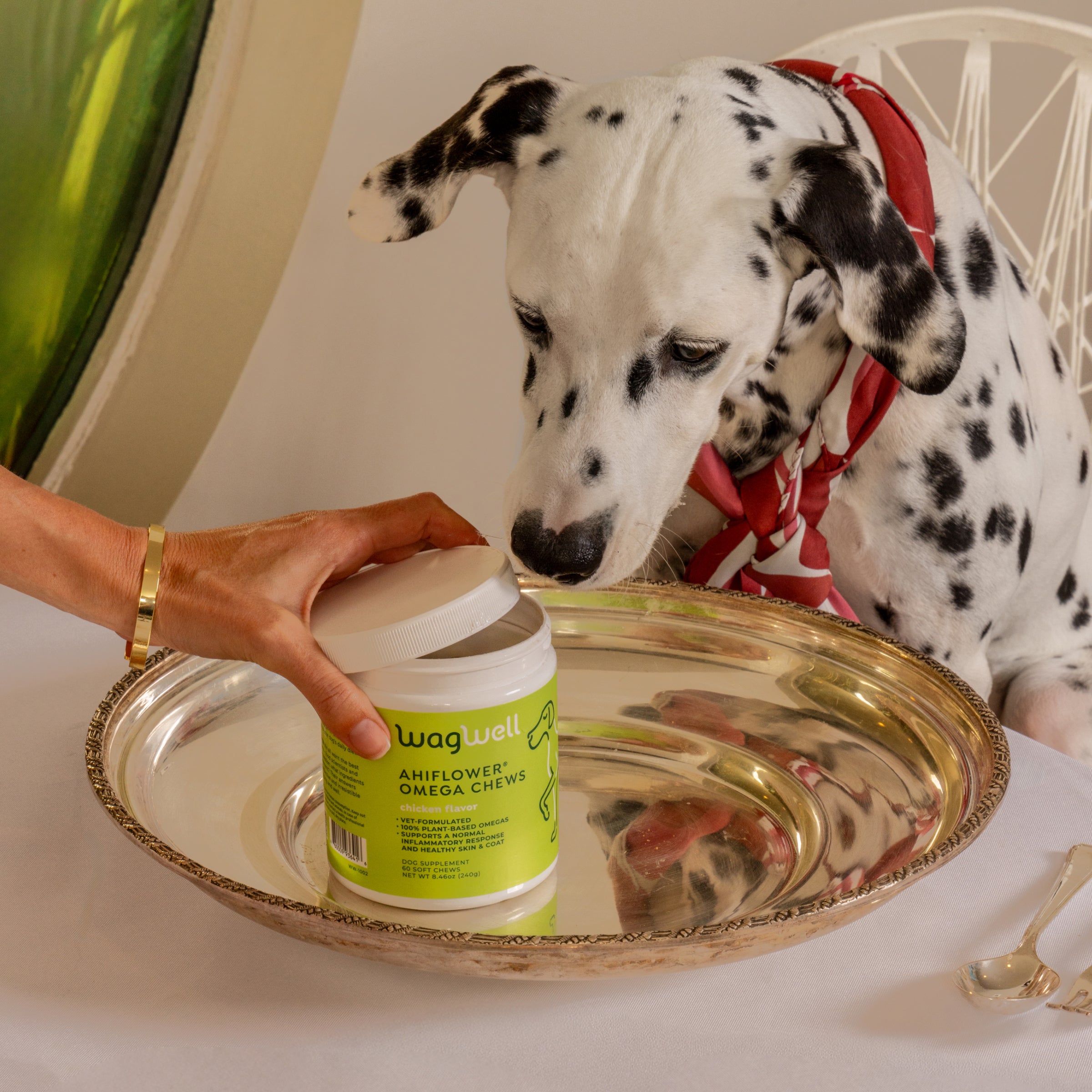
Beyond sunscreen itself, limiting outdoor time during peak UV hours and providing consistent shade reduce overall exposure without requiring any product at all. Supporting skin health from the inside complements topical protection meaningfully. Ahiflower Omega Oil provides plant-based omega 3, 6, and 9 fatty acids that strengthen the skin barrier, helping skin recover more effectively from environmental stress including sun exposure. Daily Cleansing Wipes offer a gentle way to soothe skin after time outdoors, removing residue and supporting a balanced, healthy coat between full baths.
Making Sun Protection a Habit, Not an Afterthought
Do dogs need sunscreen? For many dogs, particularly those with thin or light-colored coats, the answer is a clear yes, and the protective benefit is real and well documented. The critical detail to remember is that this protection must come from a dog-specific formula, never a product pulled from your own beach bag, since common human sunscreen ingredients pose genuine toxicity risks if licked. Identify whether your dog falls into a higher-risk category, build sunscreen application into your outdoor routine during peak season, and pair it with shade, timing adjustments, and skin-supportive nutrition for protection that addresses the issue from every angle.
Sources:
NBC News. "Do Dogs Need Sunscreen? What To Know, According to Veterinarians."
Recent Articles


