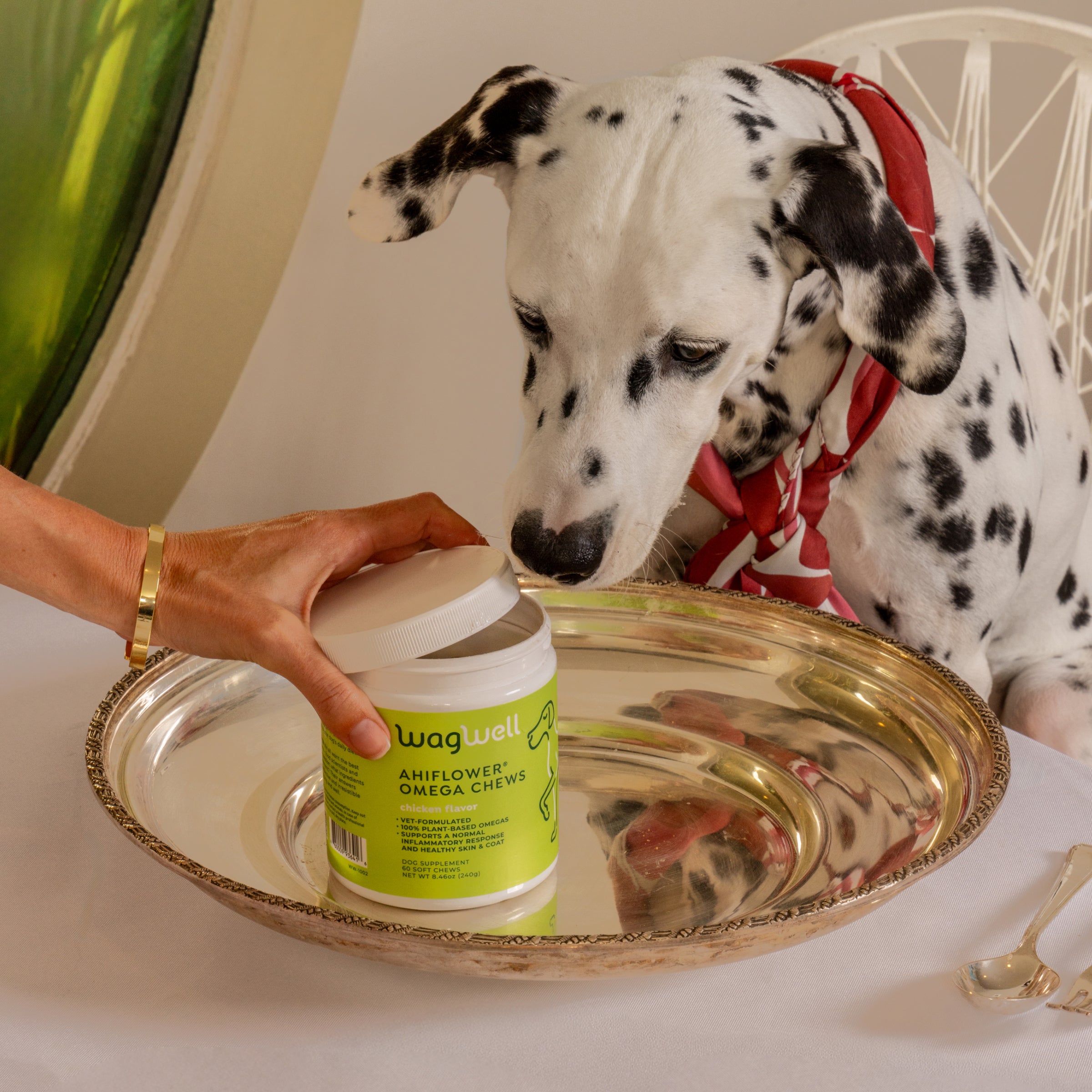




Determining at what age should I give my dog joint supplements depends on several factors. Your dog's breed, size, and activity level all play important roles. Some dogs benefit from early supplementation while others need support later. Joint health affects your dog's quality of life significantly.
Many pet parents wait until mobility problems appear before taking action. This reactive approach often comes too late for optimal results. Proactive joint support provides better long-term outcomes for active dogs.
Joint supplements contain ingredients that protect cartilage and reduce inflammation. These formulations support the structures that allow smooth movement. Understanding when to start supplementation helps your dog maintain an active lifestyle.
Understanding Joint Health in Dogs
Joints connect bones and enable your dog's movement throughout each day. Cartilage cushions these connections and allows smooth motion without friction. Over time, wear and tear affects joint structures naturally.
The aging process impacts joint health in predictable ways. Cartilage gradually breaks down faster than the body rebuilds it. Inflammation increases as protective tissues deteriorate with age.
How Joints Change as Dogs Age
Puppies possess resilient joints with abundant healthy cartilage. Their bodies produce plenty of compounds that maintain joint structures. Young dogs recover quickly from physical activity and minor injuries.
Adult dogs experience gradual changes in joint composition over years. Cartilage loses some elasticity and shock-absorbing capabilities. The synovial fluid that lubricates joints may decrease in volume.
Senior dogs face accelerated joint deterioration from cumulative stress. Inflammation becomes more persistent as repair mechanisms slow down. Movement may cause discomfort where it once felt effortless.
Research published by the National Center for Biotechnology Information shows joint degeneration begins earlier than most owners realize. Microscopic changes occur years before visible symptoms appear. Early intervention supports joint health more effectively than late-stage treatment.
Breeds at Higher Risk for Joint Issues
Certain breeds face elevated joint disease risks due to genetics. Large and giant breeds carry extra weight that stresses joints. Their rapid growth periods create additional vulnerability during development.
Breeds with increased joint problems include these common companions:
-
German Shepherds often develop hip dysplasia from genetic factors
-
Labrador Retrievers experience elbow and hip joint concerns
-
Golden Retrievers show predisposition to various joint conditions
-
Rottweilers face higher rates of hip and knee problems
-
Great Danes struggle with joint issues from their massive size
-
Bulldogs develop joint complications from body structure
Small breeds aren't immune to joint deterioration either. Dachshunds experience spinal disc problems from their long backs. Chihuahuas may develop luxating patellas affecting knee joints.
At What Age Should I Give My Dog Joint Supplements
The optimal age for starting joint supplements varies by individual circumstances. Proactive supplementation often works better than waiting for symptoms. Your veterinarian can provide personalized recommendations based on risk factors.
Preventive Supplementation for Young Dogs
Large and giant breed puppies benefit from joint support during growth phases. Their rapid development places significant stress on developing skeletal structures. Starting supplements around six to twelve months protects forming joints.
At what age should I give my dog joint supplements if they're high-risk breeds? Many veterinarians recommend beginning supplementation during young adulthood. This approach establishes joint protection before deterioration begins.
Active working dogs and athletes need early joint support too. Dogs participating in agility, hunting, or other demanding activities benefit from supplementation. Starting around one to two years old provides protective benefits.
WagWell's Mobility Chews contain glucosamine and chondroitin for joint structure support. These vet-formulated chews also include Ahiflower omega oil for anti-inflammatory benefits. OptiMSM and Curcuvet provide additional joint comfort naturally.
When Adult Dogs Need Joint Support
Most medium-sized dogs should begin joint supplements around age five. This timing provides protection as natural degeneration processes accelerate. Smaller breeds can wait slightly longer until age seven.
At what age should I give my dog joint supplements if symptoms already exist? Start immediately regardless of age when mobility issues appear. Earlier intervention produces better outcomes than delayed action.
Senior dogs over age eight require comprehensive joint support universally. Their bodies need extra nutritional assistance maintaining joint health. Consistent supplementation helps preserve mobility during golden years.
The American Kennel Club recommends discussing joint health during regular wellness examinations. Your veterinarian can assess your dog's specific needs accurately. Physical examinations reveal early changes before symptoms become obvious.
Key Ingredients in Joint Supplements
Effective joint supplements contain specific compounds that support cartilage health. These ingredients work through different mechanisms to protect joint structures. Quality formulations combine multiple beneficial components synergistically.
Look for these evidence-based ingredients in joint supplements:
-
Glucosamine hydrochloride rebuilds cartilage and maintains joint fluid viscosity
-
Chondroitin sulfate prevents cartilage breakdown and reduces inflammation
-
MSM (methylsulfonylmethane) decreases pain and supports connective tissue
-
Omega fatty acids reduce inflammatory responses throughout the body
-
Curcumin from turmeric provides powerful anti-inflammatory effects
-
Biotin supports overall skin and coat health alongside joints
WagWell's Mobility Chews combine these ingredients in optimal ratios. Each soft chew contains 350mg glucosamine HCL and 150mg chondroitin sulfate. OptiMSM and 150mg of Ahiflower omega oil round out this comprehensive formula.
The U.S. Food and Drug Administration regulates pet supplement manufacturing standards. Quality matters significantly when selecting products for your companion. Choose supplements from companies that follow good manufacturing practices.
Signs Your Dog Needs Joint Supplements
Recognizing mobility changes helps you intervene at the right time. Some symptoms appear gradually and seem insignificant initially. Paying attention to subtle shifts prevents advanced deterioration.
Watch for these indicators that suggest joint supplement needs:
-
Difficulty rising from resting positions after sleep or naps
-
Hesitation before jumping into vehicles or onto furniture
-
Slower pace during walks compared to previous activity levels
-
Limping or favoring specific legs after exercise sessions
-
Reluctance to climb stairs or navigate inclines
-
Decreased interest in playing or interactive activities
-
Stiffness that improves after warming up through movement
Early signs often disappear after your dog moves around briefly. This temporary improvement doesn't mean the problem resolved itself. Joint issues typically progress without appropriate intervention and support.
Veterinary Orthopedic Society research demonstrates early treatment produces superior outcomes. Waiting until severe symptoms appear limits available options significantly. At what age should I give my dog joint supplements becomes less relevant than recognizing need.
Choosing the Right Joint Supplement
Quality varies dramatically across different joint supplement brands. Some products contain insufficient ingredient amounts to produce results. Others use inferior ingredient forms with poor bioavailability.
Look for supplements formulated by veterinary professionals with expertise. Transparent fda ingredient lists indicate companies have nothing to hide. Third-party testing verifies label accuracy and product purity.
WagWell's Mobility Chews undergo rigorous quality control processes. These supplements contain no corn, soy, wheat, or fillers. Minimal processing preserves ingredient potency and effectiveness.
Consider comprehensive bundles that address multiple wellness aspects simultaneously. The Go Time Bundle combines mobility chews with paw protection and cleansing wipes. This approach supports active dogs from multiple angles.
Omega supplementation provides additional anti-inflammatory benefits for joints. WagWell's Ahiflower Omega Oil delivers complete omega 3, 6, and 9 profiles. Plant-based omega sources avoid fishy odors while supporting joint comfort.
Consistent daily supplementation produces better results than sporadic use. Joint health requires ongoing nutritional support rather than short-term intervention. Most supplements take four to six weeks showing noticeable improvements.
Protecting Your Dog's Mobility for Life
At what age should I give my dog joint supplements depends on individual risk factors. Large breeds benefit from early intervention during young adulthood. Smaller dogs can wait until middle age unless symptoms appear.
Proactive supplementation prevents problems more effectively than reactive treatment. Quality ingredients support cartilage health and reduce inflammatory responses. Your dog's mobility directly impacts their happiness and quality of life.
Start conversations about joint health during puppy wellness visits. Regular veterinary assessments catch problems before they become severe. WagWell's vet-formulated supplements provide science-backed support for active dogs.
Every dog deserves to move comfortably throughout their entire life. Joint supplements offer safe, effective support for maintaining mobility. Your commitment to proactive care makes tremendous differences in your companion's golden years.
Sources:
-
National Center for Biotechnology Information. "Osteoarthritis in Dogs: Early Intervention and Management." https://www.ncbi.nlm.nih.gov/pmc/articles/PMC8509278/
-
American Kennel Club. "Joint Supplements for Dogs: What You Need to Know." https://www.akc.org/expert-advice/health/joint-supplements-help-dogs-arthritis/
-
U.S. Food and Drug Administration. "FDA Regulation of Animal Drugs." https://www.fda.gov/animal-veterinary/resources-you/fda-regulation-animal-drugs
Recent Articles


