



Can dogs eat apples is a question with a crunchy, satisfying answer for pet parents seeking healthy treat options. Yes, dogs can safely eat apples in moderation when prepared correctly. This popular fruit offers nutritional benefits including fiber, vitamins, and antioxidants that support canine health. Apples provide a low-calorie snack option that many dogs find appealing.
Apples contain valuable nutrients without excessive calories or fat. The natural sweetness satisfies dogs who enjoy fruit flavors while the crisp texture provides satisfying crunch that some dogs prefer over soft treats. Unlike grapes or certain other fruits that pose toxicity risks, apple flesh is completely safe for dogs.
However, preparation matters significantly for safety. Apple seeds contain cyanogenic glycosides that release cyanide when digested. The core presents a choking hazard. Understanding proper preparation techniques ensures apples remain a healthy treat rather than a potential danger.
Learning which parts are safe, appropriate portion sizes, and how apples fit into complete canine nutrition helps you share this fruit confidently with your dog while supporting their overall wellness.
Nutritional Benefits of Apples for Dogs
Apples deliver several important nutrients that contribute to canine health. Vitamin A supports vision, immune function, and skin health. Vitamin C acts as an antioxidant that helps protect cells from damage. Dietary fiber promotes healthy digestion and can help dogs feel satisfied between meals.
According to the American Kennel Club, apples also provide phytonutrients and antioxidants that may support overall wellness. The water content contributes to hydration, particularly during warmer months.
Key nutritional components in apples include:
-
Vitamin A for immune and vision support
-
Vitamin C for antioxidant protection
-
Dietary fiber for digestive health
-
Potassium for muscle and nerve function
-
Calcium for bone health
-
Phosphorus for energy metabolism
The low calorie content makes apples appropriate for dogs who need weight management. A medium apple slice contains minimal calories while providing satisfying crunch and natural sweetness.
Despite these benefits, apples should complement rather than replace balanced dog food. They work best as occasional treats within a complete nutritional plan.
Safe Preparation of Apples for Dogs
Can dogs eat apples safely depends entirely on proper preparation. Always remove all seeds before offering apples to your dog. Apple seeds contain amygdalin, which converts to cyanide during digestion. While a dog would need to consume many seeds to experience serious toxicity, avoiding seeds entirely eliminates this risk.
Remove the entire core including the stem and bottom portion. The hard core pieces present choking hazards, particularly for small dogs. Even large dogs can struggle with tough core material that doesn't break down easily.
Wash apples thoroughly before preparation. Conventional apples often carry pesticide residues on their skin. Washing removes surface contaminants that could cause digestive upset. Organic apples reduce pesticide exposure but still require washing.
Cut apples into bite-sized pieces appropriate for your dog's size. Small dogs need correspondingly smaller pieces than large breeds. Thin slices work well for most dogs, while tiny cubes suit smaller breeds. The pieces should be small enough to prevent choking while maintaining satisfying texture.
Research from the American Veterinary Medical Association emphasizes proper food preparation for pet safety. Taking time to prepare treats correctly prevents emergencies.
Supporting digestive health helps dogs tolerate various foods better. Ahiflower Omega Oil provides anti-inflammatory omega nutrition that supports gut lining health and comfortable digestion.
Appropriate Portion Sizes for Apples
Moderation governs healthy apple feeding. Treats including apples should represent no more than 10% of your dog's daily caloric intake. The remaining 90% should come from nutritionally complete dog food formulated for your dog's life stage.
For small dogs under 20 pounds, one or two thin apple slices make an appropriate serving. Medium dogs between 20 and 50 pounds can handle two to four slices. Large dogs over 50 pounds might enjoy four to six slices depending on size.
Frequency matters as much as portion size. Offering apples once or twice weekly maintains them as special treats. Daily apple feeding can lead to digestive upset due to fiber content and natural sugars.
Individual tolerance varies among dogs. Some handle apples without issues. Others may experience soft stools or stomach discomfort from the fiber and sugar content. Start with tiny portions and observe your dog's response before offering larger servings.
Dogs with diabetes or weight management needs require extra caution with fruit treats. The natural sugars in apples affect blood glucose levels. Consult with your veterinarian for personalized recommendations regarding treat foods for dogs with health conditions.
Types of Apples and Forms
Can dogs eat apples applies to many apple varieties. Red Delicious, Granny Smith, Fuji, Gala, and Honeycrisp all offer safe options. Different varieties provide slightly different flavor profiles and sugar contents, but all are safe when properly prepared.
Tart varieties like Granny Smith contain less sugar than sweeter types. This makes them appropriate for dogs who need careful sugar monitoring. The firmer texture also provides more satisfying crunch.
Fresh raw apples provide the most nutritional value. Cooking apples reduces vitamin C content but makes them softer for senior dogs with dental issues. Plain cooked apples without added sugar, spices, or other ingredients work well for dogs who prefer softer textures.
Avoid apple products designed for human consumption. Apple pie, applesauce with added sugar, caramel apples, and candy apples contain ingredients that harm dogs. Cinnamon-spiced apples may cause stomach irritation. Stick to plain, fresh apples for the safest option.
According to research published by the National Institutes of Health, whole food sources of nutrients provide benefits that processed versions cannot match. Fresh apples deliver more value than apple-flavored products.
Potential Risks and Concerns
Even properly prepared apples carry some considerations. The fiber content that benefits digestion in small amounts can cause problems in excess. Too many apples may lead to diarrhea, gas, or stomach discomfort.
Natural sugar content means dogs with diabetes need careful monitoring. The glycemic impact of fruit treats affects blood sugar levels. Dogs prone to weight gain also require portion control with any sweet treats including apples.
Watch for these signs indicating too much apple:
-
Loose stools or diarrhea
-
Excessive gas or bloating
-
Stomach discomfort or gurgling
-
Reduced appetite for regular meals
-
Increased thirst from sugar content
Stop offering apples if digestive symptoms appear. Most dogs recover quickly once apple feeding stops, but persistent symptoms warrant veterinary consultation.
Some dogs have sensitivities or allergies to apples. While uncommon, allergic reactions can include itching, skin irritation, or digestive upset. Introduce new foods gradually and watch for any adverse responses.
Supporting overall wellness helps dogs handle occasional treat foods. Allergy & Itch Chews combine immune-supporting ingredients that promote comfortable digestion and reduce inflammation.
Creative Ways to Serve Apples
Can dogs eat apples in different preparations beyond raw slices. Frozen apple pieces make excellent summer treats that provide extra cooling benefits. Simply slice seedless, coreless apples into appropriate portions and freeze them for several hours.
Dehydrated apple chips offer concentrated apple flavor with chewy texture. Make your own by thinly slicing apples, removing seeds and core, and dehydrating them at low temperature. Avoid commercial dried apples with added sugar or preservatives.
Mix small amounts of finely chopped apple into regular meals as a flavor boost. The fruit pieces add interest to kibble while providing nutritional variety. Keep quantities small to maintain balanced nutrition from the primary diet.
Combine apples with other safe foods for variety. Mix apple pieces with plain yogurt for added protein and probiotics. Pair apple slices with peanut butter in very small amounts for special occasions. Always choose xylitol-free peanut butter since xylitol is extremely toxic to dogs.
Better Treat Alternatives
While apples are safe and nutritious, other options may provide superior benefits or greater convenience. Carrots offer similar crunch with fewer sugars and more vitamins. Blueberries pack powerful antioxidants in tiny, easy-to-serve packages. Green beans provide fiber and nutrients with virtually no calories.
Quality commercial treats eliminate preparation concerns while delivering consistent nutrition. Freeze-Dried Cheese Treats offer single-ingredient simplicity with high protein content. Freeze-Dried Beef Topper provides pure beef liver nutrition that enhances meals or rewards training.
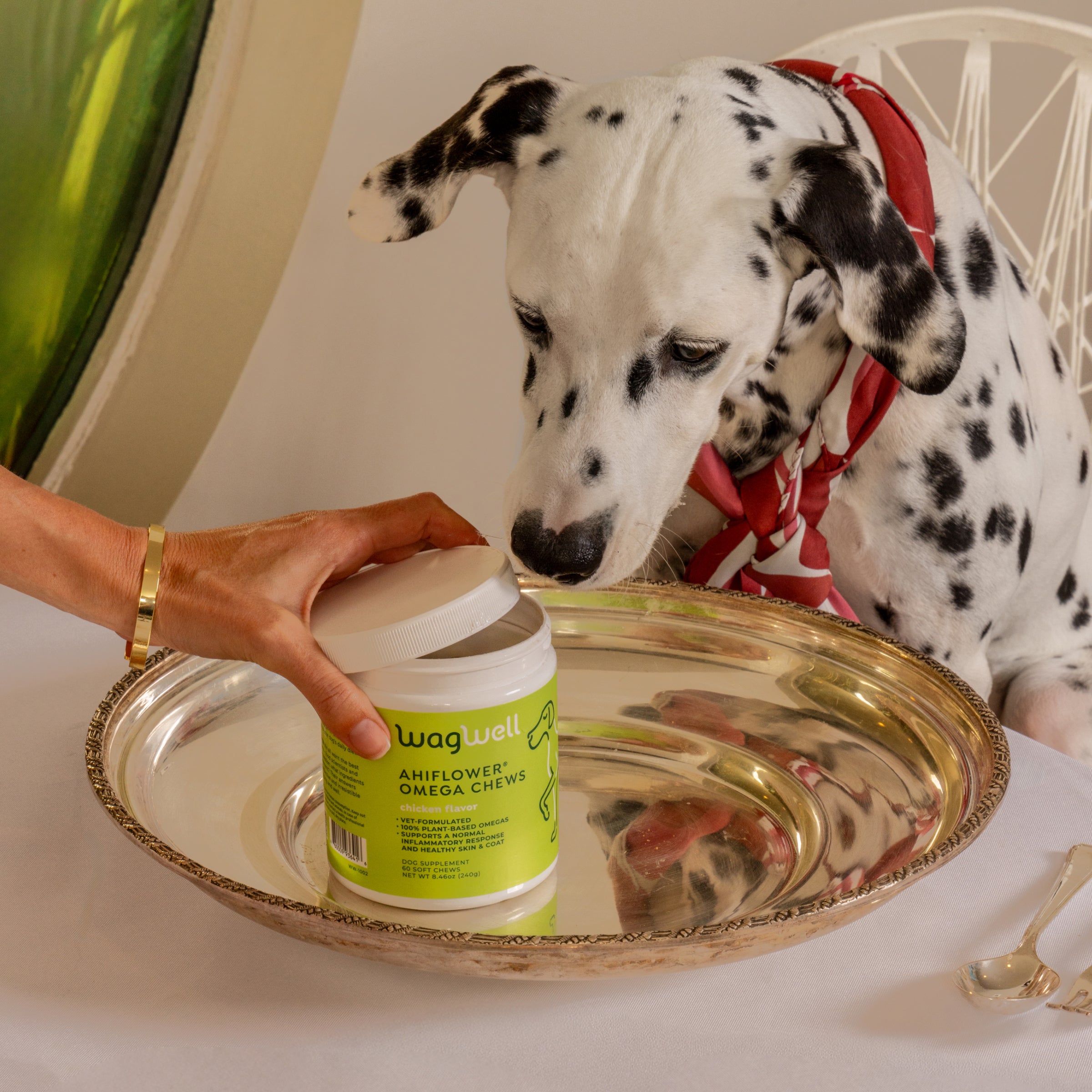
Science-backed supplementation delivers more reliable value than occasional treat foods. Ahiflower Omega Chews provide complete omega-3, 6, and 9 nutrition that supports healthy skin, shiny coat, strong joints, and overall wellness throughout your dog's life.
Share Apples Safely and Confidently
Can dogs eat apples comes down to proper preparation, appropriate portions, and understanding individual tolerance. Remove all seeds and core material before offering bite-sized pieces of fresh apple. Limit servings to occasional treats that complement complete nutrition.
Monitor your dog's response to new foods including apples. Start with tiny amounts and watch for digestive changes. Different dogs handle different foods in unique ways. What works perfectly for one dog may cause problems for another.
WagWell products support complete canine wellness through science-backed formulations that deliver consistent benefits. Plant-based omega nutrition from Ahiflower Omega Oil provides value that extends far beyond occasional treats. The Better Bowl Bundle transforms daily meals with omega-rich oil and high-protein toppers that support optimal health year-round. Consult with your veterinarian for personalized guidance on treat foods, portion sizes, and complete nutrition plans tailored to your dog's specific needs and health status.
Sources:
Pet feeding practices of dog and cat owners in the United States and Australia
Recent Articles


