



Can dogs eat avocado, or is that bowl of guacamole something your dog needs to stay far away from? This is one of those food questions where the answer is more nuanced than a simple yes or no, and getting it wrong has real consequences. The short version: avocado is not recommended for dogs. The longer version explains why, what the actual risks are, and what to do if your dog gets into one before you can stop them.
Avocado sits in a genuinely complicated category. It is not toxic to dogs the same way grapes or xylitol are, where even tiny amounts trigger serious emergencies. But it is not safe either, and the combination of factors involved, a naturally occurring toxin, high fat content, and a dangerous pit, makes it a food worth keeping entirely out of your dog's reach.
What Makes Avocado Dangerous for Dogs
The primary concern with avocado is a natural fungicidal compound called persin. According to the Merck Veterinary Manual, persin is found in the leaves, stems, seeds, skin, and fruit pulp of the avocado plant. The highest concentrations appear in the leaves, and Guatemalan varieties of avocado have been most commonly associated with toxicosis in animals.
Persin affects different species very differently. Birds, horses, rabbits, and ruminants like cattle, goats, and sheep are highly sensitive. In these animals, avocado ingestion causes myocardial necrosis, sterile mastitis, and in some cases death. Birds are particularly vulnerable. Even small amounts can be fatal.
Dogs fall into a less sensitive category, which is where the confusion often starts. There are no confirmed cases of persin alone causing death in dogs. That relative resistance, however, does not make avocado safe. It just changes the nature of the risk rather than eliminating it.
The Real Risks for Dogs Specifically
Dogs face three distinct risks from avocado, and each one deserves attention on its own.
Persin and Digestive Toxicity
Even though dogs handle persin better than birds or horses, the compound still causes problems. FirstVet notes that avocado ingestion in dogs typically causes vomiting, diarrhea, and general gastrointestinal upset. There are also rare documented cases of myocardial necrosis, or heart tissue damage, in dogs who consumed significant amounts. These cases are uncommon, but the possibility is enough to make deliberate avocado feeding a poor decision.
The amount consumed, the part of the plant eaten, and your dog's individual size and health all influence how severely they react. A small dog who gets into a significant amount of avocado fruit faces more risk than a large dog who licks a small amount of flesh. Neither situation is ideal, but the severity is not equal across the board.
High Fat Content and Pancreatitis
Separate from persin entirely, avocado flesh is extremely high in fat. Animal Healing Center points out that the fat content alone can trigger pancreatitis in dogs susceptible to fatty foods, even when the persin-related symptoms stay mild. Pancreatitis is a serious, painful inflammation of the pancreas that ranges from uncomfortable digestive upset to hospitalization-level illness requiring IV fluids and extended supportive care. In severe cases, pancreatitis is fatal.
Dogs with a history of pancreatitis, dogs on low-fat diets, and smaller breeds with sensitive digestive systems face the highest fat-related risk from avocado. For these dogs in particular, even a small amount of avocado flesh warrants veterinary contact.
The Pit: A Choking and Obstruction Hazard
The avocado pit creates a third and entirely separate risk that has nothing to do with persin or fat. It is simply a large, hard, round object that dogs will attempt to swallow if given the chance. The pit poses a real choking hazard, particularly for smaller dogs. If swallowed, it can cause intestinal obstruction requiring emergency surgery to resolve. A dog that successfully cracks the pit open also exposes themselves to the highest persin concentration in the entire fruit.
Keep avocado pits treated with the same caution as any other foreign body hazard in your home.
What Happens If Your Dog Eats Avocado
If your dog gets into avocado, your response depends on what they ate and how much. Watch closely for these symptoms in the hours following ingestion:
-
Vomiting or repeated retching
-
Diarrhea or loose stools
-
Lethargy or unusual tiredness
-
Loss of appetite
-
Abdominal discomfort or bloating
-
Difficulty breathing in serious cases
Contact your veterinarian immediately if any of these signs appear, or if your dog consumed the pit or a large quantity of flesh. Depending on your dog's size, age, and health status, your vet may recommend bringing them in for evaluation, inducing vomiting, or providing supportive care. Do not wait to see how things develop if the amount was significant or if your dog is small.
The ASPCA Animal Poison Control Center (888-426-4235) is available around the clock for guidance on potential toxin ingestion. Having that number saved before an emergency means faster response when it matters.
Safe Alternatives to Avocado
Your dog does not need avocado to get the nutritional benefits it offers humans. The healthy fats and antioxidants that make avocado appealing as a human food are available through far safer options for dogs.
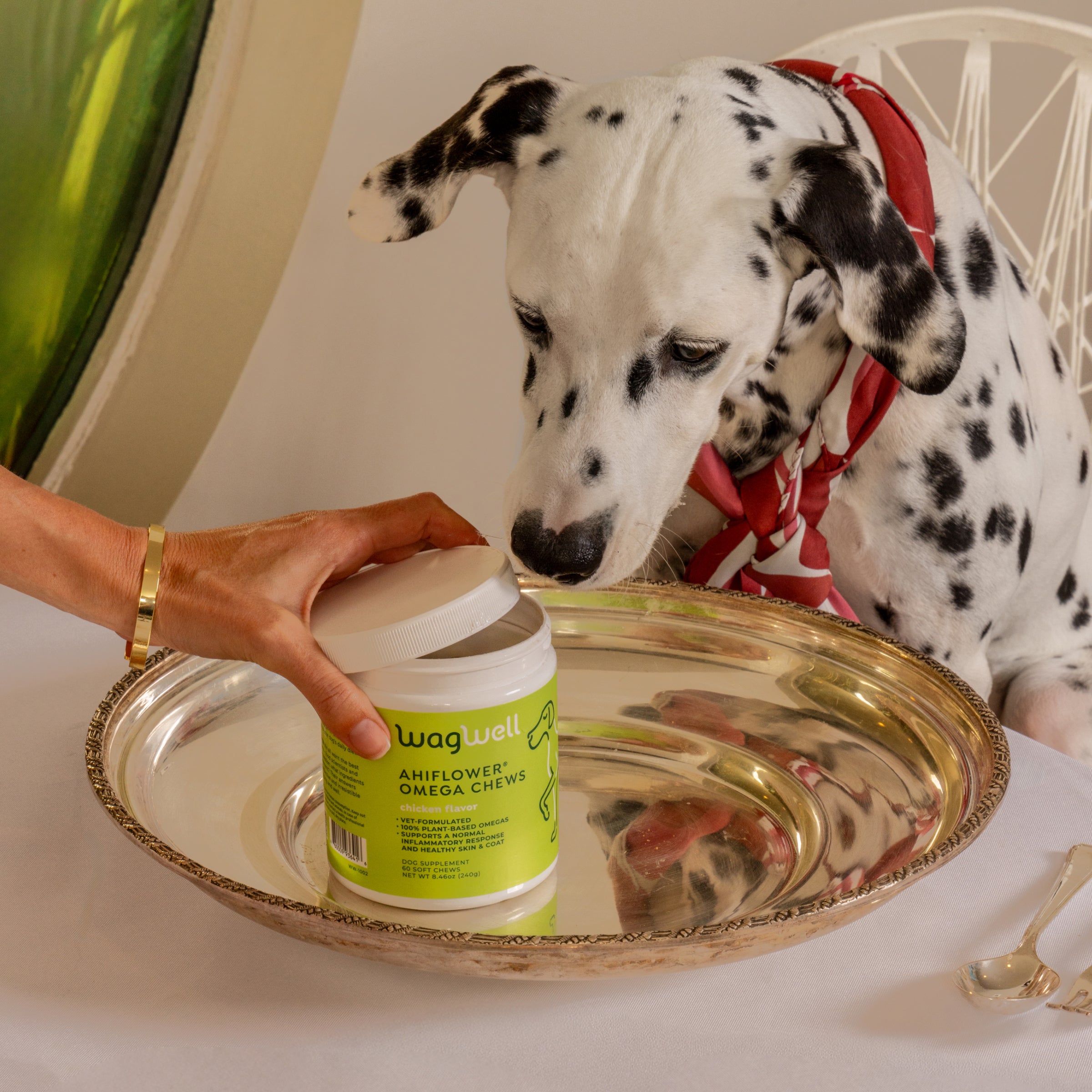
Ahiflower Omega Oil delivers plant-based omega 3, 6, and 9 fatty acids in a format specifically designed for canine health. It provides the kind of healthy fat support that keeps skin, coat, joints, and cardiovascular health on track without any of the risks associated with avocado. A pump or two added daily to meals gives your dog the fatty acid benefits you might associate with nutrient-dense foods, completely safely.
For dogs who need high-value treats that feel indulgent without the risk, single-ingredient options like Freeze-Dried Beef Topper and Freeze-Dried Cheese Treats deliver bold flavor and real nutritional value. No guesswork, no toxic compounds, no fat content that strains the digestive system.
Safe fruit and vegetable alternatives for dogs who enjoy variety include carrots, blueberries, watermelon without seeds, and cooked sweet potato. These options provide antioxidants, fiber, and natural sweetness that dogs enjoy without the risk profile avocado carries.
Why Veterinarians Recommend Skipping Avocado Entirely
The veterinary consensus on avocado is consistent. The ASPCA Animal Poison Control Center and Pet Poison Helpline both advise against feeding avocado to dogs. The combination of persin-related digestive risk, high fat content that can trigger pancreatitis, and the mechanical danger of the pit creates too many overlapping concerns to justify including it in a dog's diet.
The fact that dogs are more resistant to persin than birds or horses does not mean dogs are immune. It means the threshold for serious harm is higher, not that there is no harm. For a food your dog has absolutely no nutritional need for, the risk-to-reward calculation does not balance out.
Keeping Your Dog Safe Around Avocado
Can dogs eat avocado? No, not safely, and not intentionally. The risks are real enough that avocado belongs on your list of foods to keep out of your dog's reach. Dispose of pits securely where dogs cannot access trash. Keep guacamole, avocado toast, and sliced avocado out of reach during meal preparation. Train family members and houseguests not to share avocado off their plates.
If accidental ingestion happens despite your best efforts, contact your veterinarian. Quick communication gives your vet the information they need to decide whether treatment is necessary and prevents a manageable situation from becoming a serious one.
Sources:
Merck Veterinary Manual. "Avocado (Persea spp) Toxicosis in Animals."
FirstVet. "Holy Guacamole! Here's What You Need to Know If Your Pet Ate Avocado."
Recent Articles


