



Can dogs eat broccoli is a question pet parents ask when looking for nutritious vegetable treats to add variety to their dog's diet. The answer is yes, with some important conditions. Broccoli is safe for dogs in small amounts but contains compounds that cause digestive problems when fed in excess. Understanding the right portions and preparation methods keeps broccoli a healthy addition rather than a harmful one.
Nutritional Value of Broccoli for Dogs
Can dogs eat broccoli and genuinely benefit from its nutrition? Yes, broccoli delivers impressive vitamins and minerals that support canine health. This vegetable provides meaningful nutritional value in small, treat-sized portions that complement your dog's regular diet.
Vitamins and Minerals in Broccoli
Broccoli contains vitamin C, a powerful antioxidant that supports immune function and helps protect cells from damage. Vitamin K supports proper blood clotting and contributes to bone strength. Vitamin A promotes healthy vision, skin, and immune responses. Folate supports cell production and DNA synthesis in growing dogs.
According to the American Kennel Club, broccoli also provides potassium for healthy muscle and nerve function, and fiber that supports digestive regularity. The low calorie content makes it a practical treat option for dogs managing their weight.
Why Portion Size Matters
Broccoli contains isothiocyanates, natural compounds concentrated in the florets. These compounds cause gastric irritation in dogs when consumed in large amounts. Small portions create no problems for most dogs, but broccoli should never exceed 10% of your dog's daily food intake.
The fiber content, while beneficial in moderation, causes gas and digestive upset when dogs eat too much broccoli. Start with tiny amounts and observe your dog's response before making broccoli a regular treat.
Safe Preparation of Broccoli for Dogs
Can dogs eat broccoli in any form? Fresh and lightly cooked broccoli both work well for dogs when prepared simply. Preparation method significantly affects both safety and digestibility, so understanding the right approach matters.
Raw vs. Cooked Broccoli
Raw broccoli provides maximum vitamin content since heat destroys some nutrients during cooking. Many dogs enjoy the satisfying crunch of raw broccoli florets. Wash raw broccoli thoroughly to remove pesticide residues before serving.
Lightly steamed or boiled broccoli becomes softer and easier to digest. This works well for senior dogs with dental issues or dogs with sensitive stomachs. Steam broccoli briefly to preserve more nutrients than boiling, which leaches vitamins into the water.
Preparation Guidelines
Follow these steps for safe broccoli preparation:
-
Wash thoroughly under running water to remove pesticides
-
Cut into small, bite-sized pieces appropriate for your dog's size
-
Remove the tough stalk if your dog struggles to chew it
-
Cook plain without butter, oil, salt, garlic, or seasoning
-
Cool cooked broccoli to room temperature before serving
Never add seasonings, garlic, onions, or oils to broccoli for dogs. These additions create toxicity risks that make safe broccoli dangerous. Plain preparation keeps broccoli a healthy, uncomplicated treat.
How Much Broccoli Dogs Can Safely Eat
Can dogs eat broccoli daily? Small amounts several times weekly work better than daily servings for most dogs. Moderation prevents the gastric irritation that isothiocyanates cause while allowing your dog to enjoy broccoli's nutritional benefits regularly.
Portion Guidelines by Dog Size
Small dogs under 20 pounds should receive one or two small floret pieces per serving. Medium dogs between 20 and 50 pounds handle two to four small pieces comfortably. Large dogs over 50 pounds can enjoy four to six small pieces per serving.
Research from the American Veterinary Medical Association emphasizes that treats including vegetables should represent no more than 10% of total daily calories. The remaining 90% must come from nutritionally complete dog food formulated for your dog's life stage.
Signs of Too Much Broccoli
Watch for these signs that indicate your dog ate too much broccoli:
-
Excessive gas or bloating within a few hours of eating
-
Loose stools or diarrhea
-
Stomach gurgling or visible discomfort
-
Reduced appetite for regular meals
-
Vomiting in sensitive dogs
Reduce portion sizes immediately if any of these signs appear. Most dogs recover quickly once broccoli consumption decreases. Persistent symptoms warrant a veterinary appointment to rule out other digestive issues.
Supporting digestive health helps dogs handle vegetable treats comfortably. Ahiflower Omega Oil provides anti-inflammatory omega-3, 6, and 9 nutrition that supports gut lining integrity and reduces digestive inflammation.
Broccoli Stalks and Leaves
Can dogs eat broccoli stalks and leaves as well as florets? The entire broccoli plant is technically safe for dogs, but each part offers different textures and digestibility levels. Knowing the differences helps you make smart choices about which parts to serve.
Broccoli Florets vs. Stalks
The florets contain the highest concentration of isothiocyanates, making them the most likely part to cause gastric irritation in large amounts. They also provide the most vitamins and antioxidants. Keep floret portions especially small for dogs trying broccoli for the first time.
Broccoli stalks contain less isothiocyanates but pose a different risk. The tough, fibrous texture of raw stalks can cause choking or intestinal blockages, particularly in small dogs. Always cut stalks into very small pieces or cook them until soft before serving.
Broccoli Leaves
Broccoli leaves are safe and actually quite nutritious. They contain vitamins and minerals similar to other leafy greens. Many dogs enjoy the softer texture of broccoli leaves compared to florets or stalks. Wash leaves thoroughly and tear them into small pieces before serving.
Broccoli Alongside Complete Canine Nutrition
Can dogs eat broccoli as part of a broader wellness approach? Vegetables like broccoli work best when they complement quality daily nutrition and targeted supplementation rather than serving as primary food sources.
Pairing Vegetables With Quality Protein
Broccoli provides vitamins and fiber but lacks the complete protein dogs need for muscle maintenance and energy. Pair vegetable treats with protein-rich meals and toppers for balanced nutrition.
According to research published by the National Institutes of Health, dogs thrive on diets rich in complete proteins alongside antioxidant-dense plant foods. Freeze-Dried Beef Topper adds single-ingredient beef liver protein that perfectly complements broccoli's plant-based nutrition.
Omega Nutrition for Complete Wellness
Broccoli's vitamins support immune and cellular health, but optimal wellness also requires complete omega fatty acid nutrition. Dogs who receive adequate omega-3, 6, and 9 fatty acids show healthier skin, shinier coats, better joint function, and stronger immune responses.
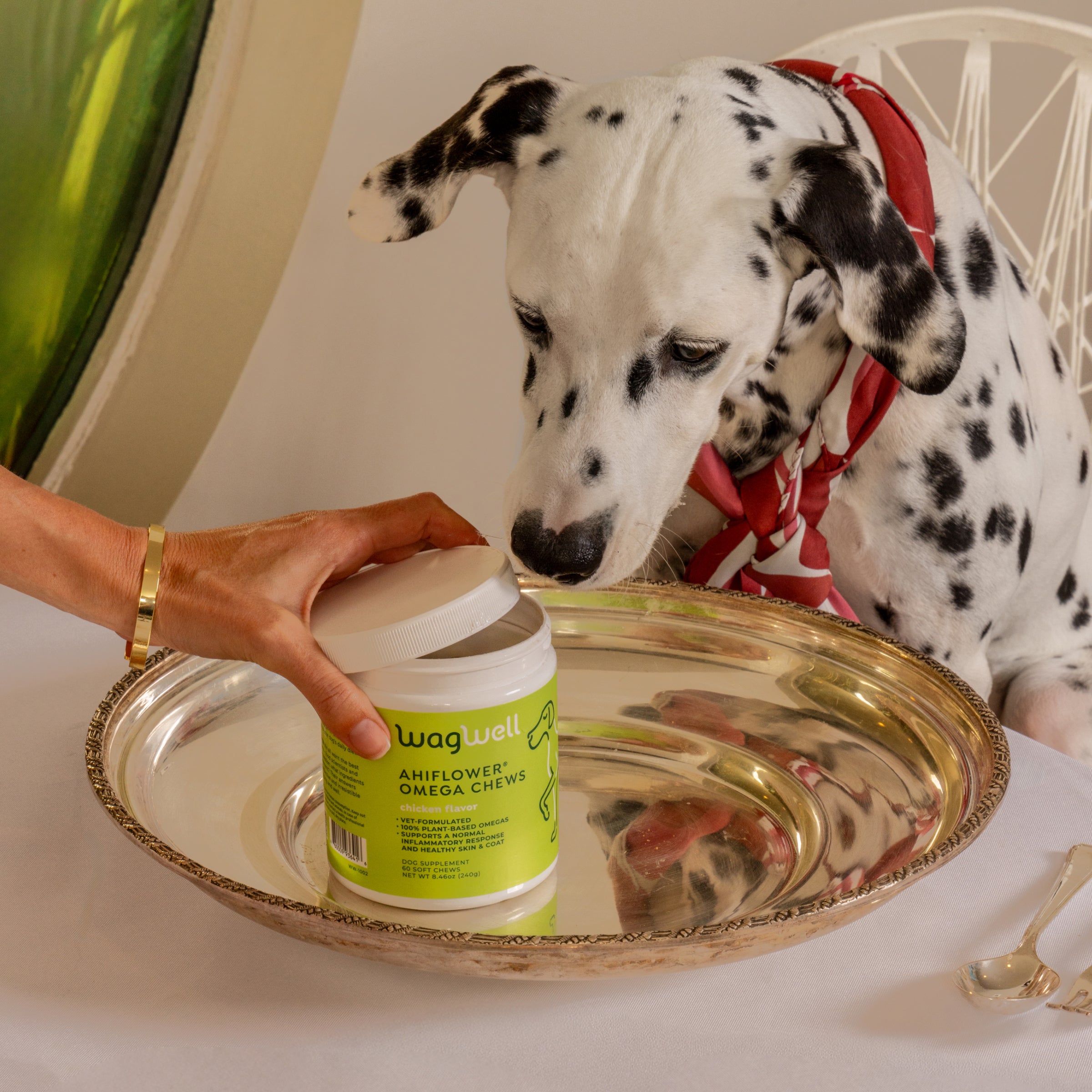
Ahiflower Omega Chews deliver clinically proven plant-based omega nutrition in a convenient daily chew. This sustainable option saves 600 fish per bottle while providing complete omega support without fishy smell or taste. The anti-inflammatory benefits complement the antioxidant nutrition in broccoli and other vegetables.
Better Treat Alternatives to Consider
Can dogs eat broccoli alongside other vegetables for variety? Rotating between different safe vegetables provides diverse nutrients and keeps treats interesting. Several vegetables pair well with broccoli in a mixed treat routine.
Safe vegetable options to rotate include:
-
Carrots for beta-carotene and satisfying crunch
-
Cucumber slices for hydration and low calories
-
Green beans for fiber and vitamins with minimal calories
-
Celery for hydration and fresh breath benefits
-
Sweet potato for complex carbohydrates and vitamin A
Each vegetable offers a different nutritional profile. Variety across multiple safe options provides broader micronutrient coverage than any single vegetable alone. Always introduce new vegetables gradually and observe your dog's digestive response.
Quality commercial treats also deserve a place in your dog's routine. Freeze-Dried Cheese Treats offer single-ingredient Wisconsin cheddar with high protein and no additives. These treats pair naturally with vegetable options for a balanced treat rotation.
Feed Broccoli Confidently and Smartly
Can dogs eat broccoli safely comes down to portion control, simple preparation, and knowing your individual dog's tolerance. Small amounts of plain broccoli provide genuine nutritional benefits without the gastric irritation that large portions cause. Keep servings to 10% of daily calories and monitor your dog's response.
Combine broccoli treats with complete daily nutrition and targeted supplementation for comprehensive wellness. WagWell products deliver science-backed support that vegetables alone cannot provide. Ahiflower Omega Oil provides daily anti-inflammatory omega nutrition that supports your dog's skin, coat, joints, and digestive health. The Better Bowl Bundle combines omega-rich oil with high-protein beef topper to elevate every meal nutritionally. Consult with your veterinarian for personalized guidance on vegetable treats and complete nutrition planning for your dog's specific needs and health status.
Sources:
Recent Articles


