



Can dogs eat cantaloupe safely, or is this summer fruit better kept away from the bowl? The answer is genuinely positive. Cantaloupe is one of the dog-friendlier fruits you can share during warm weather. The flesh is non-toxic, nutritious, and highly hydrating. The parts to avoid are specific and easy to manage with correct preparation. Understanding both sides of that equation keeps summer snack sharing safe and genuinely enjoyable for your dog.
Cantaloupe is about 90 percent water. That single quality makes it an appealing treat during hot weather when keeping dogs hydrated requires more attention. The fruit also delivers real nutritional value beyond just water content. Getting that benefit without introducing unnecessary risk comes down to how you prepare it.
Can Dogs Eat Cantaloupe: What the Flesh Offers
The flesh of cantaloupe is where all the benefits live. It contains no compounds toxic to dogs and provides a meaningful nutritional profile when served in appropriate amounts.
Nutritional Benefits Worth Knowing
According to the American Kennel Club, cantaloupe provides fiber, vitamins, and hydration that make it a solid occasional treat. The fruit contains vitamins A and C alongside B vitamins, potassium, and antioxidants that support immune function and eye health. Vitamin A specifically supports vision, skin condition, and immune response. Vitamin C contributes to collagen production and overall immune health.
The high fiber content supports healthy digestion. It helps regulate bowel movements and reduces the likelihood of constipation. For dogs who occasionally experience sluggish digestion, a few small cubes of cantaloupe can provide gentle natural support alongside their regular food.
PetMD adds that cantaloupe provides antioxidants that help prevent cellular damage and support the immune system against disease. These are the same properties that make cantaloupe appealing as a human health food. Dogs absorb similar benefits when the fruit is properly prepared and portioned.
The hydration contribution is practically significant. On warm summer days, the water content in cantaloupe supplements daily water intake. This does not replace a fresh water bowl. It adds a mild hydrating effect that most dogs find appealing when offered as a cool treat.
The Sugar Content Consideration
Purina's pet nutrition guide notes that cantaloupe runs higher in sugar than many other fruits. Natural sugar is not inherently harmful in small amounts, but it does mean cantaloupe should remain a treat rather than a daily addition to the diet. Regular or large amounts of high-sugar foods increase diabetes risk and contribute to weight gain over time.
Diabetic dogs should avoid cantaloupe entirely. The natural sugar content affects blood sugar quickly. Even a single modest serving can create problematic blood sugar spikes in a diabetic dog. Consult your veterinarian before offering cantaloupe to any dog with metabolic conditions.
The Parts Dogs Should Never Eat
Two components of cantaloupe require strict removal before offering any to your dog.
The Rind: A Genuine Hazard
The outer rind of cantaloupe poses multiple problems. It is tough, fibrous, and essentially indigestible for dogs. A dog who manages to swallow a piece of cantaloupe rind risks choking or intestinal obstruction. The rough surface of the rind can also irritate the digestive tract as it moves through the system, causing vomiting and diarrhea.
Purina specifically emphasizes removing the rind to eliminate choking and obstruction risks. This step is non-negotiable regardless of your dog's size. Large dogs can still choke on pieces of rind. Small dogs face higher risk at smaller piece sizes.
Wash the cantaloupe thoroughly before cutting. Rind surfaces can carry bacteria and pesticide residue. Washing before cutting prevents those contaminants from transferring to the flesh via the knife blade. This takes less than a minute and meaningfully reduces contamination risk.
Seeds: Remove Before Serving
Cantaloupe seeds are not toxic to dogs the way apple seeds or peach pits are. However, they still present practical problems. Seeds cause digestive upset and can become choking hazards, particularly in smaller dogs. The mushy seed-bearing center of the cantaloupe is the easiest part to remove entirely. Scoop it out before cutting the flesh into serving pieces.
Safe Serving Sizes and Preparation
Getting portion size right prevents the most common problems associated with fruit treats. The 10 percent rule applies directly here. All treats combined should make up no more than 10 percent of your dog's daily caloric intake. Cantaloupe counts toward that total.
Practical weight-based serving guidelines look like this:
-
Extra-small dogs under 10 pounds: one to two small cubes
-
Small dogs between 10 and 25 pounds: two to three cubes
-
Medium dogs between 25 and 60 pounds: four to six cubes
-
Large dogs over 60 pounds: a small handful of cubes
Each cube should be roughly bite-sized for your specific dog. What constitutes bite-sized differs between a Chihuahua and a Labrador. Cut pieces small enough that your dog cannot swallow a cube whole without chewing.
Step-by-Step Safe Preparation
Follow these steps every time:
-
Wash the cantaloupe thoroughly under running water
-
Cut the melon and remove the rind completely
-
Scoop out the seed-bearing center section
-
Cut the remaining flesh into appropriately sized cubes
-
Serve at room temperature or slightly chilled
-
Supervise your dog during the first few servings
Frozen cantaloupe cubes make an excellent warm-weather treat. Freeze prepared pieces in a single layer on a baking sheet, then transfer to a container. Offer one or two frozen pieces on hot days for a hydrating, cooling snack that most dogs enjoy enthusiastically.
Complementing Cantaloupe With Daily Nutritional Support
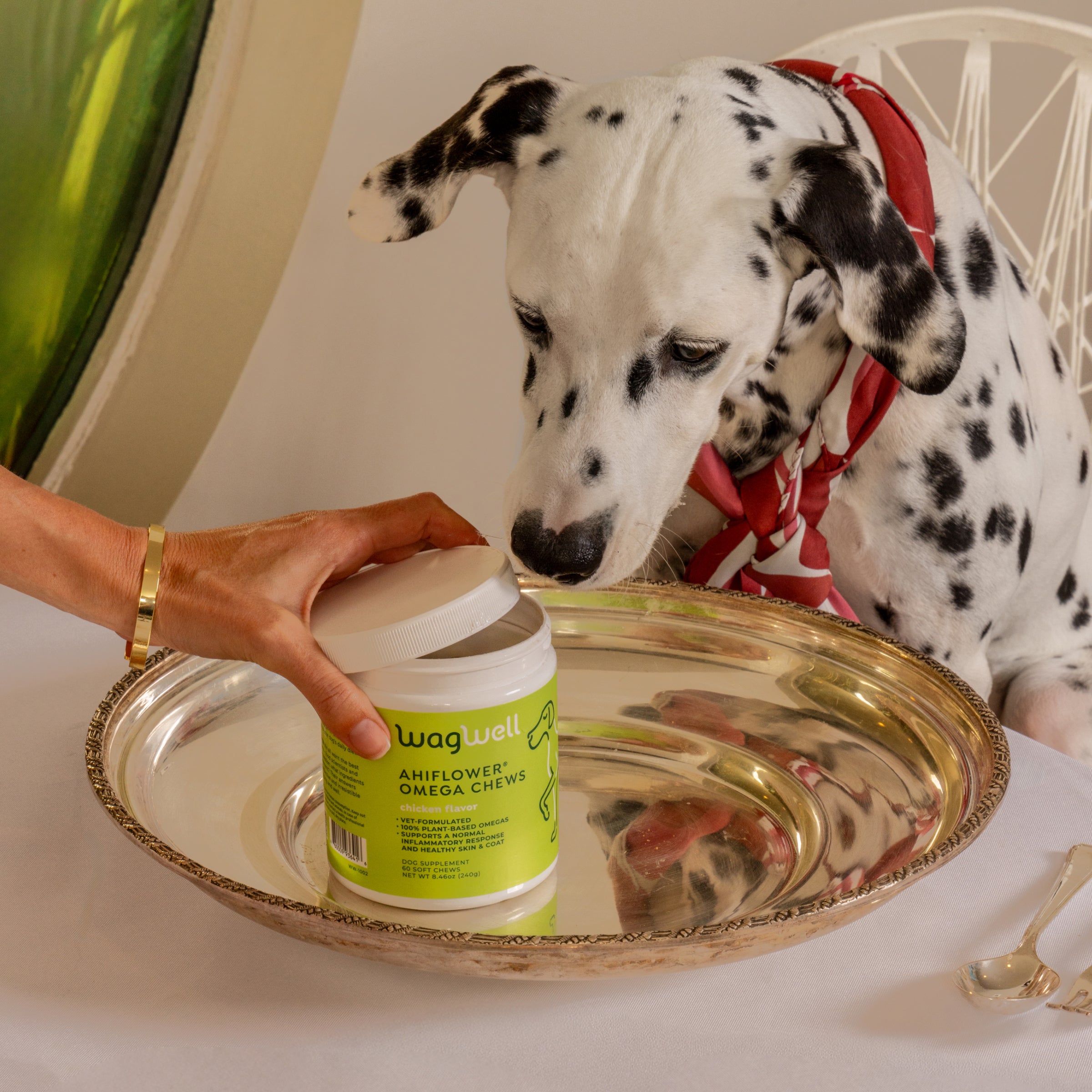
Cantaloupe adds variety and hydration to snack time. It does not replace the consistent nutritional foundation that keeps dogs healthy year-round. Ahiflower Omega Oil added to daily meals delivers plant-based omega 3, 6, and 9 fatty acids that support skin, coat, and immune health in ways that fruit treats cannot. The vitamin A in cantaloupe supports skin health from the inside. Ahiflower omega fatty acids strengthen the skin barrier and support coat condition at the same time. Together they address skin and coat health from complementary directions.
Freeze-Dried Cheese Treats offer an alternative for dogs who need lower-sugar treat options, whether due to diabetes, weight management goals, or simple preference. Single-ingredient Wisconsin cheddar provides high-value treat satisfaction without the natural sugars that make cantaloupe an occasional rather than regular offering.
A Summer Fruit Worth Sharing
Can dogs eat cantaloupe? Yes, and the AKC, PetMD, and Purina all agree it is one of the better human fruits to share with dogs when prepared correctly. Remove the rind and seeds entirely every time. Cut flesh into bite-sized pieces appropriate for your dog's size. Keep servings within the 10 percent treat guideline. Skip cantaloupe entirely for diabetic dogs or consult your veterinarian for dogs with metabolic sensitivities. Done right, cantaloupe is a genuinely enjoyable warm-weather treat that provides real hydration and nutritional value alongside your dog's regular diet.
Sources:
Recent Articles


