


Can dogs eat carrots, and are they actually worth adding to your dog's routine? If you have ever crunched through a carrot while your dog stared at you with those eyes, you have probably wondered exactly that. The short answer is yes. Carrots are one of the safest, most nutritious human foods you can share with your dog. They are affordable, easy to find, and most dogs genuinely enjoy them. That said, a few things are worth knowing before you start tossing carrot sticks across the kitchen.
Dogs do not need carrots to be healthy. A complete, balanced diet already covers their nutritional requirements. But carrots make an excellent supplement to that foundation, particularly as a low-calorie treat option that brings real nutritional value rather than just empty rewards. For pet parents watching their dog's weight or looking for a healthier alternative to processed treats, carrots are worth taking seriously.
What Makes Carrots Good for Dogs
Carrots pack a solid nutritional profile into a very low-calorie package. According to Hill's Pet Nutrition, carrots contain beta-carotene, fiber, vitamin K1, potassium, biotin, vitamin B6, and antioxidants. That combination supports several body systems at once without loading your dog up with fat, sodium, or artificial ingredients common in commercial treats.
Here is what those nutrients actually do for your dog:
-
Beta-carotene converts to vitamin A in the body, supporting eye health, immune function, and skin condition
-
Fiber supports healthy digestion and regular bowel movements
-
Potassium maintains healthy heart function and muscle activity
-
Vitamin K plays a role in blood clotting and bone metabolism
-
Antioxidants help neutralize free radicals that contribute to cellular aging and inflammation
-
Biotin supports skin, coat, and metabolic health
Carrots also contain roughly 85 to 95 percent water, making them mildly hydrating on top of everything else. That water content, combined with the satisfying crunch, makes carrots one of those rare treats that feels substantial to a dog without actually being calorie-dense.
Can Dogs Eat Raw Carrots
Raw carrots are safe for most dogs and retain the highest concentration of nutrients. The firm texture serves an additional purpose. According to the American Kennel Club, chewing on raw carrots can help improve dental health by mechanically scraping plaque from the tooth surface. It is not a replacement for brushing or professional dental cleaning, but it is a meaningful bonus for a snack your dog was going to enjoy anyway.
Some dogs, particularly those who gulp food rather than chew it, may struggle to digest large pieces of raw carrot. Cutting them into appropriately sized pieces solves most of that problem. Small dogs need smaller pieces than large dogs. A piece that is fine for a Labrador is a choking hazard for a Chihuahua. When in doubt, cut smaller than you think necessary.
Frozen carrots deserve a special mention for puppies. Teething puppies deal with significant gum discomfort as adult teeth come in. A frozen carrot stick offers cold relief that soothes inflamed gum tissue while giving them something safe and appropriate to chew. Many veterinarians specifically recommend this approach as a gentler alternative to harder chew toys during the teething phase.
Can Dogs Eat Cooked Carrots
Cooked carrots are also safe, and some dogs prefer the softer texture. Steaming works best because it softens the carrot without stripping too many nutrients. The critical rule is to keep carrots plain. No butter, no oil, no salt, no seasoning of any kind. Cooking carrots in butter or adding spices introduces fat and compounds that cause digestive upset and, in the case of certain spices or ingredients like garlic and onion, genuine toxicity risk.
PetPlace notes that carrots found in mixed dishes, salads, or prepared human foods often come alongside ingredients that are harmful to dogs. Onions, garlic, raisins, and many common salad dressings fall into that category. Always offer carrots as a standalone snack rather than pulling them out of a mixed dish where other ingredients may have made contact.
How Many Carrots Can a Dog Eat
Treats of any kind, including healthy ones, should make up no more than ten percent of your dog's daily caloric intake. That guideline applies to carrots just as it does to any other snack. Exceed it consistently and even a nutritious food starts displacing the balanced nutrition your dog's regular diet provides.
In practical terms, that usually means a few small carrot pieces for a small dog and one medium carrot for a larger breed as a daily maximum. Start with a small amount when introducing carrots for the first time and watch for any signs of digestive sensitivity over the following 24 hours. Most dogs handle carrots without any issue, but individual stomachs vary.
Dogs with diabetes or blood sugar regulation issues should have their carrot intake discussed with a veterinarian first. Carrots contain natural sugars that are low by human food standards but still relevant for dogs with specific metabolic conditions.
Safe Ways to Serve Carrots to Dogs
Getting the most out of carrots without any unnecessary risk comes down to a few straightforward habits. Follow these serving guidelines every time:
-
Wash thoroughly to remove dirt, pesticides, and surface contaminants
-
Peel if the skin concerns you, though the skin itself is safe for most dogs
-
Cut into bite-sized pieces appropriate for your dog's size
-
Serve plain with no added butter, oil, salt, or seasonings
-
Steam lightly if raw texture causes digestive issues
-
Freeze for teething puppies or as a cool summer treat
-
Introduce gradually the first time to monitor for sensitivity
Carrots work well mixed into your dog's regular food as a topper, offered as a standalone treat during training, or frozen into blocks alongside other dog-safe ingredients like plain Greek yogurt or low-sodium broth. The versatility makes them easy to incorporate in whatever way works best for your routine.
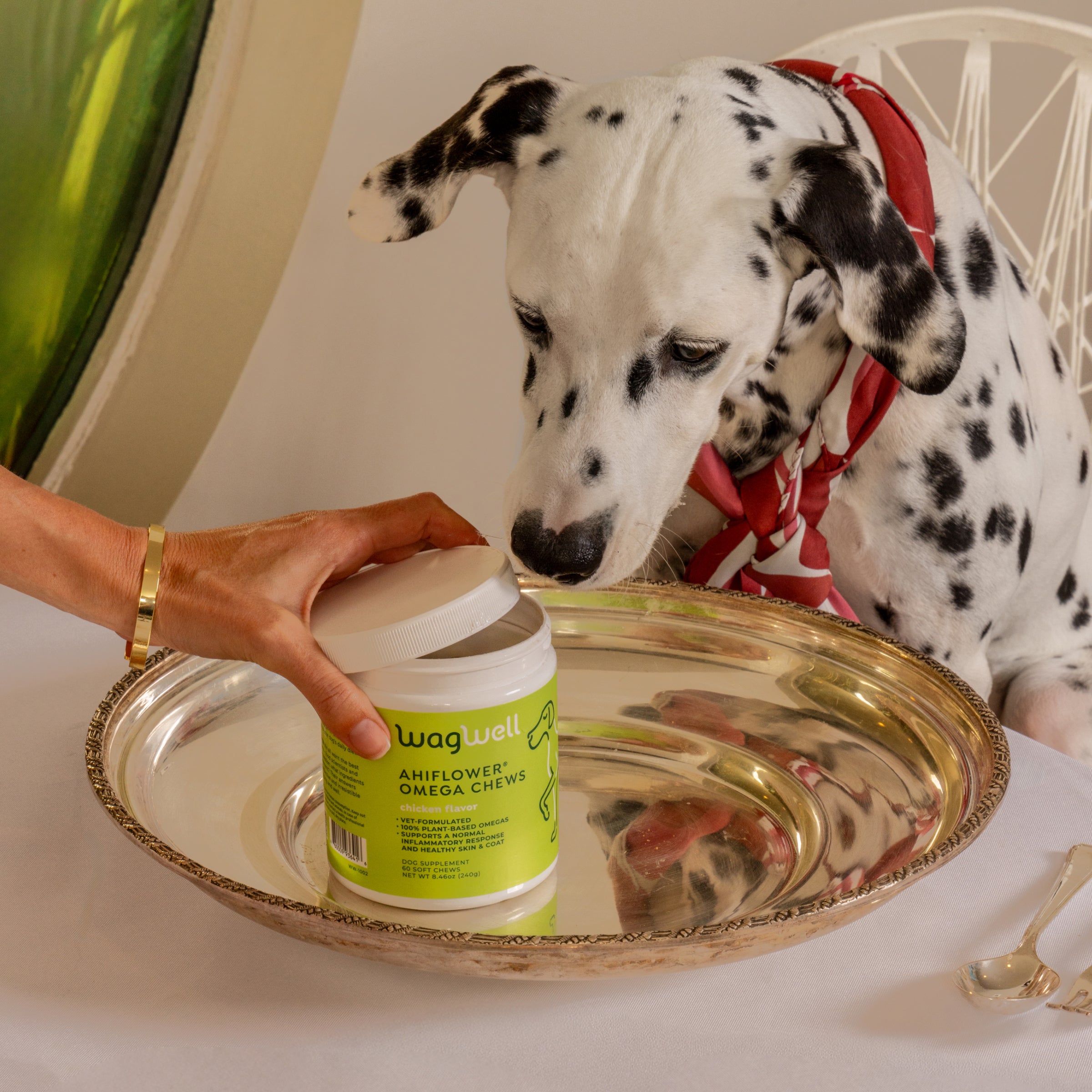
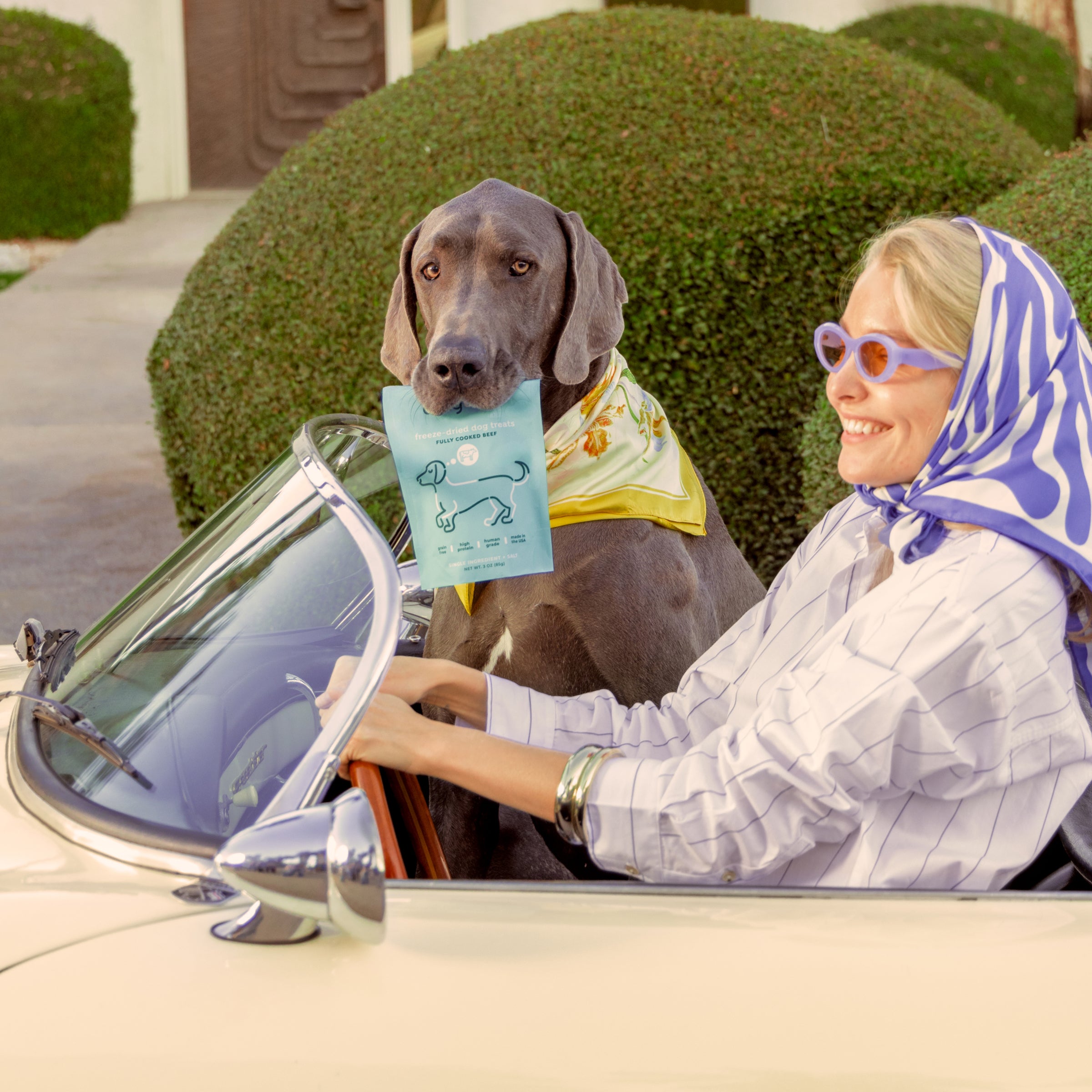
Pairing healthy treats with consistent daily nutrition supports your dog's overall wellbeing far more than any single snack. Ahiflower Omega Oil added to meals provides the complete omega 3, 6, and 9 fatty acid support that carrots do not supply on their own. Together they create a food routine that covers nutrition from multiple angles, whole food variety from carrots and essential fatty acids from a clinically proven plant-based source. Freeze-Dried Beef Topper rounds out mealtime with single-ingredient high-protein support that encourages even picky eaters to finish their bowl.
When Carrots Are Not the Right Choice
Most dogs tolerate carrots well, but a few situations call for more caution. Dogs with sensitive gastrointestinal systems may experience loose stools or gas when raw carrots are introduced too quickly or given in large amounts. Reducing the portion and switching to lightly steamed carrots usually resolves this without eliminating carrots entirely.
Dogs recovering from gastrointestinal illness should wait until their system has fully stabilized before adding new foods. During recovery, keeping the diet simple and consistent matters more than variety.
Any time a dog shows vomiting, diarrhea, lethargy, or abdominal discomfort after eating carrots, contact your veterinarian. These reactions are uncommon with plain carrots but always warrant a professional opinion when they appear.
A Snack Worth Keeping Around
Can dogs eat carrots? Absolutely. They are affordable, nutritious, easy to prepare, and genuinely enjoyed by most dogs. The crunch supports dental health, the nutrients contribute to immune function and skin health, and the low calorie count makes them suitable for dogs at any weight. Cut them appropriately for your dog's size, keep them plain, stay within the ten percent treat guideline, and carrots become one of the smartest staples in your dog's treat rotation. Talk to your veterinarian if you have any questions about how carrots fit into your dog's specific dietary needs.
Sources:
American Kennel Club. "Can Dogs Eat Carrots?"
Hill's Pet Nutrition. "Are Carrots Good for Dogs? What You Need to Know."
PetPlace. "Can Dogs Eat Carrots? A Complete Guide for Pet Owners."


