


Can dogs eat cheese, or is that just something we tell ourselves to justify sharing a snack? If your dog has ever materialized out of nowhere the moment a cheese wrapper crinkles, you already know how they feel about it. The smell alone sends most dogs into a full tailwag spiral. The good news is that cheese is not toxic to dogs, and most can enjoy it safely in moderation. The less exciting news is that moderation genuinely matters here, more than it does with some other human foods.
Cheese is calorie-dense, high in fat, and dairy-based, which creates real considerations for dogs given that most are naturally lactose intolerant to some degree. Understanding those factors does not mean cutting cheese out entirely. It means knowing which types work, how much to offer, and when to skip it altogether. Get that right and cheese becomes a genuinely useful tool in your dog-owning toolkit.
Is Cheese Actually Safe for Dogs
According to PetMD, dogs can eat cheese and generally tolerate many varieties. It is not toxic in the way that grapes, onions, or xylitol are. Most healthy adult dogs can handle small amounts without issue. The problem is that dogs produce progressively less lactase, the enzyme needed to digest lactose, as they age. Less lactase means less ability to process dairy, which is why cheese causes digestive upset in some dogs and not others.
That variation is entirely individual. One dog eats a cube of cheddar and feels nothing. Another dog eats the same amount and spends the next hour with an unhappy stomach. You will not know where your dog falls on that spectrum until you introduce cheese slowly and observe the response.
Cheese does bring genuine nutritional value alongside the risks. It is a source of protein, calcium, and fat. Calcium supports bone density, dental health, and muscle function. Protein contributes to tissue repair and immune support. These are legitimate benefits, even if cheese is not the most efficient or necessary way to deliver them. Think of cheese as a treat with some incidental nutritional upside rather than a supplement with a specific health purpose.
Cheeses That Are Safer and Ones to Avoid
Not all cheese is equal for dogs, and the differences matter. According to Chewy, the key factors to look for are fat content, lactose levels, and any added ingredients that might cause problems.
These cheeses are generally safer options for dogs:
-
Cottage cheese: Low fat, lower lactose, and easy on sensitive stomachs
-
Mozzarella: Milder fat content than aged cheeses, reasonably well-tolerated
-
Cheddar: One of the most commonly used training treats, fine in small amounts
-
Swiss: Lower lactose than many other varieties
These cheeses should be avoided or used with significant caution:
-
Blue cheese: The fungus used to create blue cheeses like Stilton can produce compounds that are toxic to dogs, causing vomiting, diarrhea, elevated temperature, and in serious cases, seizures. Blue Cross is clear that the risk is not worth taking, regardless of how small the amount
-
Cream cheese and brie: Very high fat content increases pancreatitis risk
-
Goat cheese and feta: High fat, high salt, difficult to justify over safer options
-
Spicy or flavored cheeses: Pepper jack, garlic herb, or sriracha varieties introduce ingredients that are harmful to dogs regardless of the cheese base
-
Processed cheese products: High sodium and artificial ingredients make these a poor choice even when technically safe
The rule of thumb is simple. The softer, milder, and lower-fat the cheese, the better it fits into an occasional treat rotation. The more complex, aged, or flavored it is, the more caution it warrants.
Which Dogs Should Skip Cheese Entirely
Cheese is genuinely not appropriate for every dog, even in small amounts. Some situations call for avoiding it completely rather than reducing the portion.
Dogs with pancreatitis should not eat cheese. Pancreatitis is a serious inflammatory condition of the pancreas that high-fat foods directly aggravate. Even a small amount of cheese can trigger a flare in a dog with this history. If your dog has had pancreatitis, get explicit guidance from your veterinarian before offering any dairy product.
Overweight dogs benefit from eliminating cheese because the calorie density works against weight management goals. The fat content adds up quickly across what might seem like small servings.
Dogs with known dairy allergies or confirmed lactose intolerance should not receive any cheese. If your dog consistently shows vomiting, diarrhea, bloating, or gas after eating dairy, remove it from the diet entirely and let your veterinarian know.
Dogs on prescription or veterinary diets should not receive any food outside that diet without explicit veterinary approval, cheese included.
How Much Cheese Can a Dog Actually Have
The ten percent rule applies here as it does to all treats. No more than ten percent of your dog's daily caloric intake should come from treats of any kind, and cheese counts toward that total. For most dogs, that means a few small cubes of lower-fat cheese a few times per week at most, not a daily portion and certainly not a significant one.
Start smaller than you think necessary when introducing cheese for the first time. A pea-sized piece for small dogs and a small cube for larger breeds gives you a chance to observe any reaction without committing to a full portion. If there is no digestive upset over the following 24 hours, you can gradually increase within the ten percent guideline.
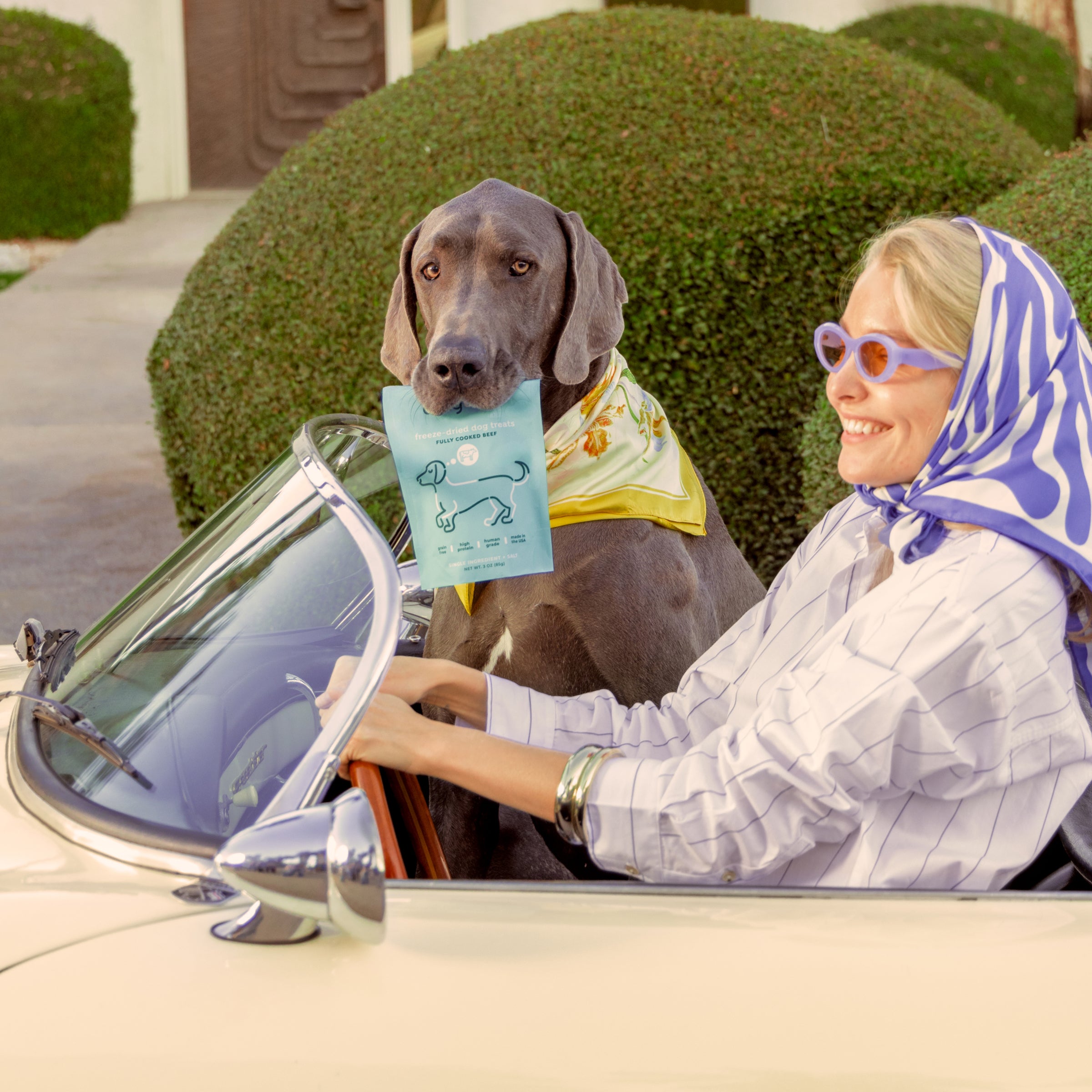
WagWell's Freeze-Dried Cheese Treats offer an alternative worth considering. Made from 100% Wisconsin cheddar with zero additives, preservatives, or fillers, they deliver the cheese flavor dogs love in a format specifically designed for safe canine consumption. Single-ingredient, human-grade, and portion-friendly, they work beautifully as training rewards or daily snacks without the guesswork that comes with cutting cheese from the deli counter.
Smart Ways to Use Cheese With Your Dog
Cheese earns its place in a dog owner's toolkit primarily as a training reward and a medication delivery vehicle. Its strong smell and flavor motivate even dogs that ignore lower-value treats. Small cubes of cheddar or mozzarella work well for recall training, where the reward needs to feel significant enough to compete with distractions.
Hiding medication inside a small piece of soft cheese solves one of the more frustrating daily challenges for pet parents of dogs who resist pills. The cheese masks the smell and taste of the medication effectively enough that most dogs swallow without hesitation.
Keep these serving guidelines in mind every time you offer cheese:
-
Serve plain with no added herbs, spices, or flavorings
-
Cut into small pieces appropriate for your dog's size
-
Introduce new varieties slowly, one at a time
-
Avoid offering cheese immediately before or after vigorous exercise
-
Store cheese safely out of reach to prevent accidental overconsumption
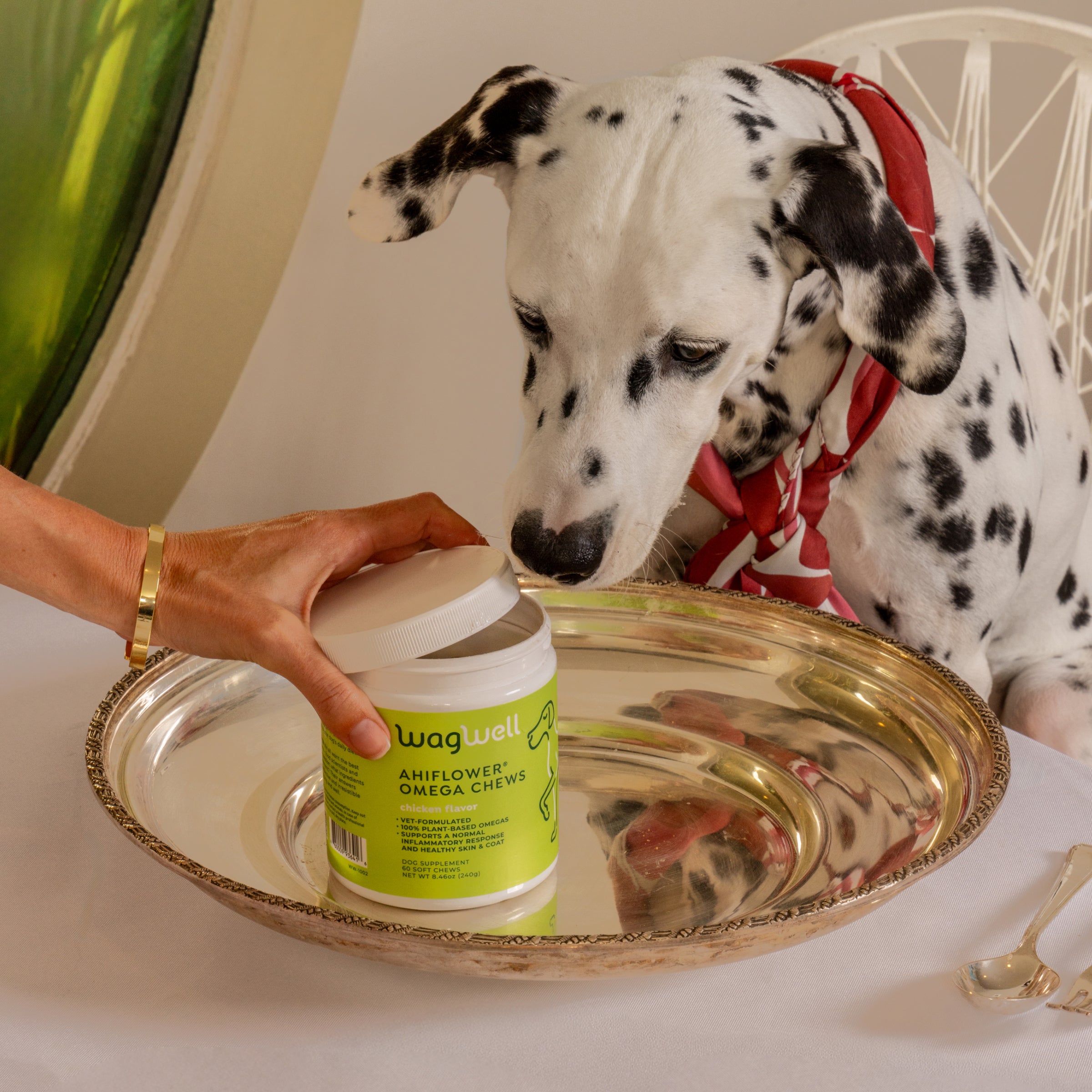
Pair occasional cheese treats with consistent daily nutrition that covers all essential needs. Ahiflower Omega Oil added to meals provides the plant-based omega 3, 6, and 9 fatty acids that support skin, coat, joint, and immune health. The combination of thoughtful supplementation and carefully chosen treats builds a food routine that covers your dog's wellbeing far more comprehensively than any single snack could on its own.
The Bottom Line on Dogs and Cheese
Can dogs eat cheese? Yes, most can, and many genuinely enjoy it. The key is choosing lower-fat varieties, keeping portions small, staying within the ten percent treat guideline, and knowing when your individual dog's health history makes cheese the wrong choice. Blue cheese is a hard no regardless of circumstances. Everything else is a question of type, portion, and how your specific dog responds. When in doubt, your veterinarian is always the right person to ask before adding any new food to your dog's diet.
Sources:
Recent Articles


