



Can dogs eat cucumbers is one of the easiest food safety questions to answer for pet parents looking for healthy, low-calorie treats. Yes, cucumbers are completely safe for dogs and offer genuine nutritional benefits without the risks associated with many other human foods. This crisp, hydrating vegetable makes an excellent treat option for dogs of all sizes and life stages.
Nutritional Benefits of Cucumbers for Dogs
Can dogs eat cucumbers and actually benefit from them nutritionally? Absolutely. Cucumbers deliver useful vitamins and minerals with very few calories, making them ideal for dogs who need weight management or simply deserve a refreshing snack.
Key Vitamins and Minerals
Cucumbers contain vitamin K, which supports healthy blood clotting and bone strength. Vitamin C provides antioxidant protection that supports immune function. Potassium contributes to proper muscle and nerve activity. Magnesium supports energy metabolism and bone health.
According to the American Kennel Club, cucumbers contain very little sodium or fat, making them one of the safer vegetables for regular treat use. Their high water content, roughly 96%, also contributes meaningfully to daily hydration.
Weight Management Benefits
Cucumbers shine as treats for overweight dogs. A half-cup of cucumber slices contains fewer than 10 calories compared to many commercial treats that pack 30 to 100 calories each. Replacing high-calorie treats with cucumber slices reduces daily caloric intake without leaving dogs feeling unsatisfied.
The fiber content in cucumbers also contributes to fullness. Dogs feel satisfied after eating crunchy, fiber-rich vegetables without consuming excess calories. This makes cucumbers a practical tool for pet parents managing their dog's weight under veterinary guidance.
Safe Preparation of Cucumbers for Dogs
Can dogs eat cucumbers in any form? Fresh cucumbers prepared simply offer the best option. Preparation matters for both safety and digestibility, though cucumbers require far less preparation than many other vegetables and fruits.
Washing and Cutting
Wash cucumbers thoroughly before serving regardless of whether they are conventional or organic. Commercial cucumbers often carry wax coatings and pesticide residues on their skin. Thorough washing under running water removes surface contaminants.
Cut cucumbers into bite-sized pieces appropriate for your dog's size. Small dogs need thin slices or small cubes to prevent choking. Larger dogs handle bigger pieces but still benefit from manageable portions. Remove the skin for dogs with sensitive digestive systems since the skin contains more fiber than the flesh.
Forms to Avoid
Several cucumber preparations are unsafe for dogs. Pickles contain excessive sodium, vinegar, garlic, and other spices that harm dogs. Even plain pickled cucumbers carry sodium levels far too high for canine consumption.
Avoid these cucumber-based products:
-
Pickles of any variety due to high sodium content
-
Cucumber salads with onions, garlic, or dressings
-
Marinated cucumbers with vinegar or spices
-
Cucumber-infused waters with added citrus or herbs
-
Store-bought vegetable dips containing cucumber
Stick to plain, fresh cucumber slices for the safest and most nutritious option for your dog.
Appropriate Portion Sizes for Cucumbers
Can dogs eat cucumbers in large quantities? While cucumbers are safe, moderation still applies. Even healthy treats should represent no more than 10% of your dog's daily caloric intake, with 90% coming from nutritionally complete dog food.
Serving Guidelines by Size
Small dogs under 20 pounds do well with two to three thin slices per serving. Medium dogs between 20 and 50 pounds can enjoy four to six slices. Large dogs over 50 pounds handle larger portions comfortably, though keeping servings reasonable maintains the treat-like nature of the food.
Offering cucumbers once or twice daily as a treat works well for most dogs. The low calorie content means occasional extra slices pose little risk, but consistent moderation supports healthy eating habits. Consult with your veterinarian for personalized recommendations on treat portions appropriate for your dog's weight and health status.
Introducing Cucumbers Gradually
Introduce cucumbers slowly if your dog has never eaten them before. Start with one or two small pieces and watch for any digestive response over the following 24 hours. Most dogs tolerate cucumbers without any issues, but individual digestive sensitivity varies.
Some dogs experience mild gas or loose stools when first adding new vegetables. This typically resolves as their digestive system adjusts. Persistent digestive upset warrants reducing portion sizes or discontinuing cucumber treats entirely.
Supporting digestive health helps dogs tolerate new foods comfortably. Ahiflower Omega Oil provides anti-inflammatory omega-3, 6, and 9 nutrition that supports gut lining health and comfortable digestion.
Cucumbers as Part of Complete Nutrition
Can dogs eat cucumbers as a meaningful part of their diet? Cucumbers work best as supplemental treats rather than dietary staples. They provide hydration, vitamins, and fiber but lack the complete protein, fat, and caloric density dogs need for sustained energy and muscle maintenance.
Pairing Cucumbers With Quality Nutrition
Combine cucumber treats with high-quality daily nutrition for optimal results. Research from the American Veterinary Medical Association confirms that complete and balanced commercial diets provide the nutritional foundation dogs need, with treats serving as supplements rather than replacements.
Freeze-Dried Beef Topper adds high-protein nutrition to daily meals that cucumbers alone cannot provide. Single-ingredient beef liver delivers complete amino acids alongside the vitamins and minerals in your dog's regular food.
Omega Nutrition and Skin Health
Cucumbers support surface hydration through their water content, but true skin and coat health requires proper omega fatty acid nutrition. Dogs who receive adequate omega-3, 6, and 9 fatty acids show improved skin barrier function, reduced inflammation, and shinier coats.
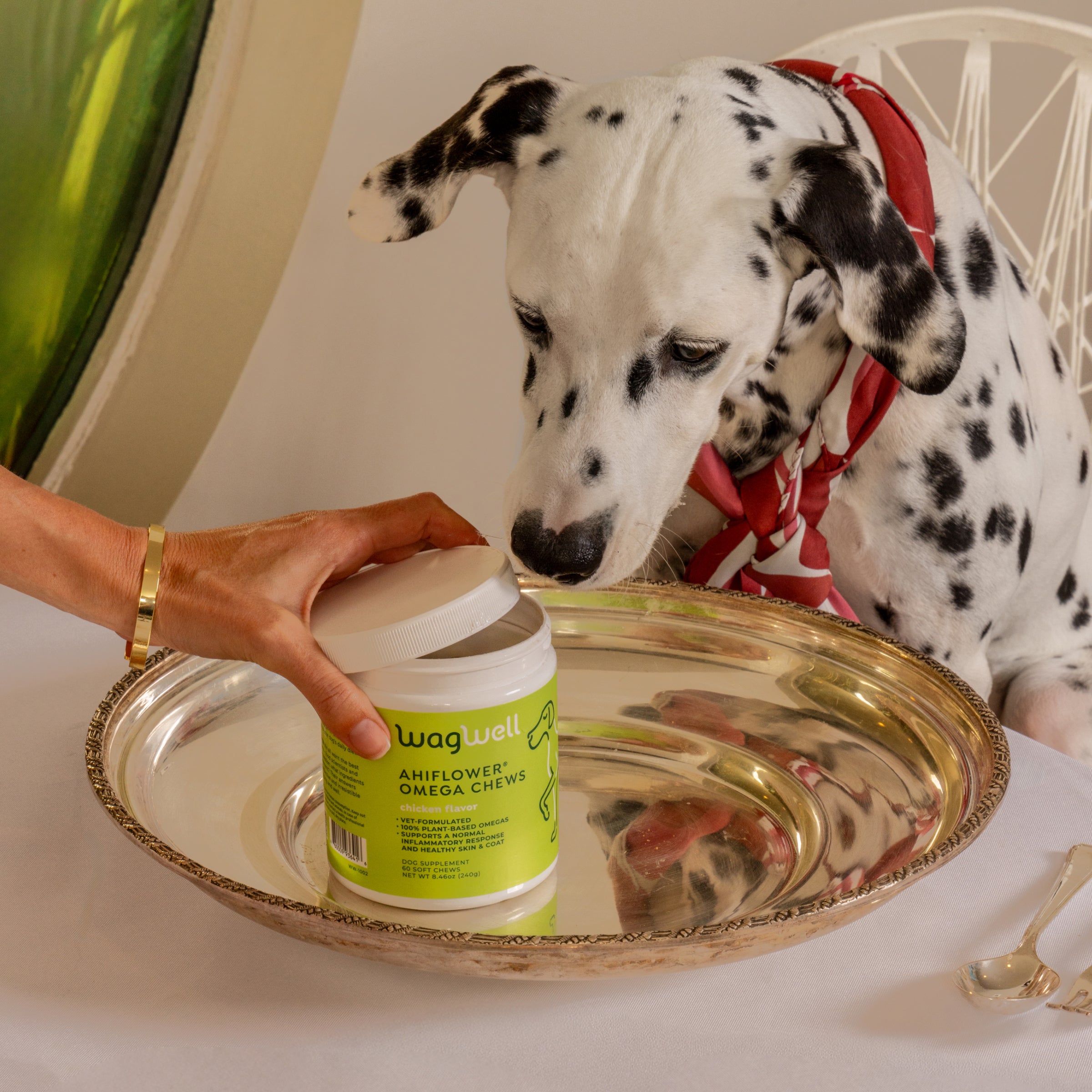
According to research published by the National Institutes of Health, omega-3 fatty acids significantly reduce inflammatory skin conditions in dogs. Ahiflower Omega Chews deliver clinically proven plant-based omega nutrition that supports skin health from the inside out. Each chew provides complete omega-3, 6, and 9 without fishy smell or taste.
Creative Ways to Serve Cucumbers
Can dogs eat cucumbers in different forms beyond plain slices? Several simple preparations keep cucumber treats interesting and enjoyable for your dog throughout the year.
Frozen Cucumber Treats
Frozen cucumber slices make excellent summer treats. The cold temperature provides extra cooling relief during hot weather while the crisp texture remains satisfying. Simply slice cucumbers into appropriate portions and freeze them for several hours before serving.
Blend cucumber with plain yogurt and freeze the mixture in ice cube trays for a probiotic-rich frozen treat. Keep portions small and choose plain, unsweetened yogurt without artificial sweeteners. Xylitol, a common sweetener in flavored yogurts, is extremely toxic to dogs.
Combining Cucumbers With Other Safe Vegetables
Mix cucumber slices with other dog-safe vegetables for variety. Carrot sticks, green beans, and celery all pair well with cucumber as a mixed vegetable treat plate. These combinations provide different vitamins and textures while keeping calories low.
Avoid mixing cucumbers with unsafe vegetables. Onions, garlic, leeks, and chives are all toxic to dogs. Wild mushrooms pose toxicity risks. Always verify that every ingredient in a mixed treat is safe before offering it to your dog.
Better Together With WagWell Wellness
Can dogs eat cucumbers as part of a complete wellness routine? Cucumbers fit perfectly into a holistic approach to canine health that combines safe treat choices with quality supplementation and consistent veterinary care.
Fresh vegetable treats like cucumbers support hydration and provide micronutrients. Quality omega supplementation supports skin, coat, joint, and cognitive health from the inside. Regular veterinary care catches developing health issues before they become serious problems.
Maintain your dog's coat and skin between baths with Daily Cleansing Wipes, which use a certified microbiome-friendly formula to reduce odor-causing bacteria while hydrating and soothing skin. Protect paws after outdoor adventures with Paw Protector, which conditions and shields pads from harsh surfaces and environmental irritants.
Give Your Dog a Crisp, Healthy Treat
Can dogs eat cucumbers comes with a clear, confident answer. Plain, fresh cucumber slices offer a safe, hydrating, and nutritious treat that dogs enjoy. Remove the skin for sensitive dogs, avoid all pickled preparations, and serve appropriate portion sizes for your dog's size.
WagWell products complement healthy treat choices with science-backed nutrition that supports complete canine wellness. Ahiflower Omega Oil provides daily omega support that fresh vegetables alone cannot deliver. The Supreme Skin and Coat Bundle combines omega chews, daily wipes, and paw protector into a complete skin wellness routine. Consult with your veterinarian for personalized guidance on treat choices and complete nutrition tailored to your dog's specific health needs and goals.
Sources:
Effects of Moringa oleifera on Glycaemia and Insulin Levels: A Review of Animal and Human Studies
Recent Articles


