



Can dogs eat grapes is one of the most important food safety questions any pet parent can ask, and the answer is an absolute no. Grapes and raisins rank among the most toxic foods for dogs, capable of causing sudden kidney failure even in small amounts. Unlike many foods where portion size determines safety, grapes carry serious risks regardless of how few your dog consumes.
Why Grapes Are Toxic to Dogs
Can dogs eat grapes safely under any circumstance? No. Grapes contain an unknown compound that causes severe kidney damage in dogs. Researchers have not yet identified the exact toxic substance, which makes this danger particularly difficult to predict or manage. Every grape, every raisin, and every product containing either poses a genuine threat to your dog's life.
The Science Behind Grape Toxicity
The toxic mechanism in grapes remains one of veterinary medicine's unsolved mysteries. Despite extensive research, scientists have not pinpointed the specific compound responsible for kidney failure in dogs. This uncertainty means no safe threshold exists. A dose that causes no reaction in one dog may trigger fatal kidney failure in another dog of identical size and breed.
According to the American Kennel Club, all grape varieties carry equal risk including red grapes, green grapes, seedless grapes, and seeded grapes. Organic grapes, home-grown grapes, and store-bought grapes all present the same danger. The form the grape takes also makes no difference to the level of risk it presents.
Why Raisins Are Even More Dangerous
Raisins concentrate the toxic compounds found in fresh grapes through the drying process. This concentration makes raisins potentially more dangerous per gram than fresh grapes. A small box of raisins can cause fatal kidney failure in a medium-sized dog.
Grape and raisin toxicity poses these serious health risks:
-
Acute kidney failure developing within 24 to 72 hours
-
Complete cessation of urine production in severe cases
-
Permanent kidney damage even in dogs who survive
-
Death without prompt veterinary intervention
-
No antidote exists once toxicity develops
These risks make grape and raisin avoidance non-negotiable for every dog regardless of their size, breed, or previous exposure history.
Hidden Sources of Grapes and Raisins
Can dogs eat grapes indirectly through other foods? Yes, and this hidden exposure creates serious risks that many pet parents overlook. Grapes and raisins appear as ingredients in many common human foods that seem harmless on the surface.
Common Foods Containing Grapes or Raisins
Many everyday foods contain grapes or raisins that make them dangerous for dogs. Raisin bread and fruit breads often top the list of accidental poisoning sources. Trail mix and granola frequently contain raisins alongside other ingredients. Fruitcake, oatmeal cookies, and certain cereals also commonly include raisins.
Avoid giving your dog any of these foods:
-
Raisin bread, bagels, or any baked goods with raisins
-
Trail mix or granola containing raisins
-
Fruit salads that include grapes
-
Juice made from grapes or grape products
-
Wine and grape-based beverages
-
Fruitcake or holiday baked goods
-
Grape jelly, jam, or preserves
-
Certain yogurts with grape flavoring
Always read ingredient labels on any human food before sharing it with your dog. Raisins appear in surprising products where you might not expect them.
Grape-Derived Products
Grape seed extract, grape juice, grape jelly, and wine all derive from grapes and carry potential toxicity risks. The research on these concentrated grape products and canine safety remains limited, but veterinary professionals recommend avoiding all grape-derived products as a precaution.
Research from the American Veterinary Medical Association confirms that even small amounts of grapes or raisins can trigger kidney failure in susceptible dogs. The unpredictable nature of grape toxicity makes complete avoidance the only responsible approach.
What to Do If Your Dog Eats Grapes
Can dogs eat grapes and recover without treatment? Only with immediate veterinary intervention. Time is critical when a dog eats grapes or raisins. Do not wait for symptoms to appear before seeking help since kidney damage begins before clinical signs become visible.
Immediate Steps After Grape Ingestion
Contact your veterinarian or an emergency animal poison control center immediately if your dog eats any amount of grapes or raisins. The ASPCA Animal Poison Control Center operates 24 hours daily and provides expert guidance for poisoning emergencies.
Provide your veterinarian with this critical information:
-
The approximate amount of grapes or raisins consumed
-
When your dog ate the grapes
-
Your dog's current weight and breed
-
Any symptoms you have already noticed
-
Whether your dog has any existing health conditions
Your veterinarian may induce vomiting if ingestion occurred recently and your dog shows no symptoms yet. Activated charcoal helps prevent further toxin absorption in some cases. Intravenous fluid therapy supports kidney function during the critical recovery period.
Symptoms of Grape Toxicity
According to research published by the National Institutes of Health, symptoms of grape toxicity typically appear within 6 to 12 hours of ingestion. Early recognition and treatment significantly improve survival rates.
Watch for these warning signs after grape ingestion:
-
Vomiting or diarrhea within the first few hours
-
Lethargy and unusual weakness
-
Loss of appetite
-
Abdominal pain or tenderness
-
Decreased or absent urination
-
Increased thirst initially followed by decreased thirst
-
Tremors or seizures in severe cases
Never wait for symptoms before calling your veterinarian. Kidney damage progresses rapidly, and delayed treatment dramatically worsens outcomes. Schedule a veterinary appointment immediately regardless of whether your dog seems fine after eating grapes.
Safe Fruit Alternatives for Dogs
Can dogs eat grapes if no other fruit is available? The answer remains no regardless of circumstances. Many other fruits provide similar nutritional benefits without any toxicity risks. These alternatives satisfy your dog's interest in sweet treats completely safely.
Nutritious and Safe Fruit Options
Several fruits deliver vitamins, antioxidants, and hydration without the dangers that grapes present. Blueberries provide powerful antioxidants in convenient, bite-sized packages. Watermelon offers excellent hydration with vitamins A, B6, and C. Apples provide fiber and vitamins when served without seeds or core.
Safe fruit alternatives include:
-
Blueberries for antioxidants and vitamin C
-
Watermelon flesh without seeds or rind
-
Apple slices without seeds or core
-
Strawberries rich in vitamin C and fiber
-
Mango flesh without skin or pit
-
Banana in small amounts for potassium
These fruits provide genuine nutritional value while eliminating the catastrophic risks that grapes present. Rotate between different safe fruits to provide variety and diverse nutrients.
Quality Treats Without Fruit Risks
Commercial treats formulated specifically for dogs eliminate guesswork about safety entirely. Freeze-Dried Cheese Treats offer single-ingredient Wisconsin cheddar with high protein content and no additives. Freeze-Dried Beef Topper provides pure beef liver nutrition that dogs love without any fruit-related concerns.
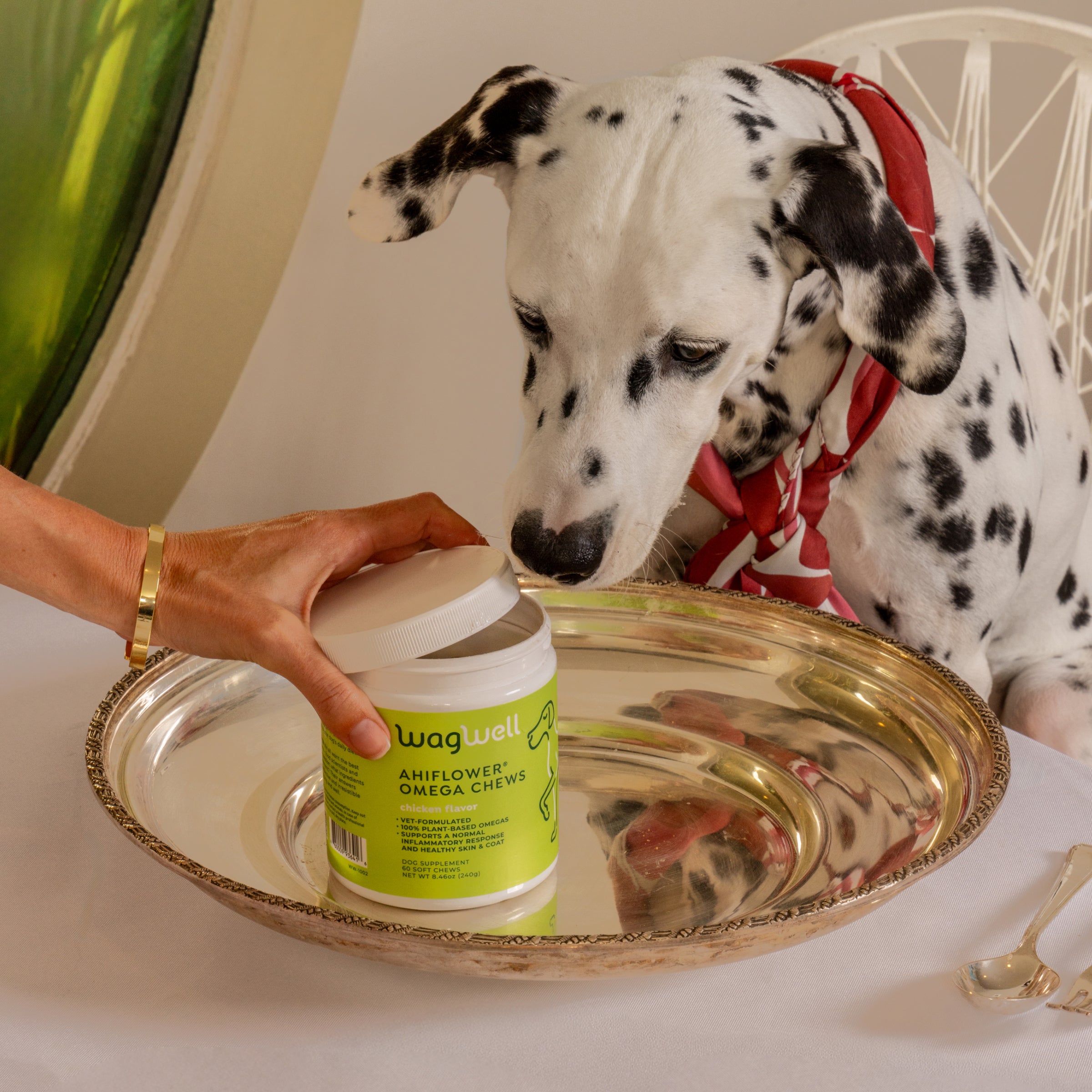
Supporting your dog's complete wellness through quality supplementation delivers consistent benefits that treats cannot match. Ahiflower Omega Chews provide complete plant-based omega-3, 6, and 9 nutrition that supports skin, coat, joint, and immune health every day.
Protecting Your Dog From Grape Toxicity
Can dogs eat grapes ever safely? No, and protecting your dog requires proactive household management alongside awareness of hidden grape sources. Prevention works far better than emergency treatment after accidental ingestion.
Household Safety Measures
Store grapes, raisins, and all grape-containing products in secure locations completely inaccessible to your dog. Use childproof cabinets or high shelves that your dog cannot reach. Educate all household members, particularly children, about the dangers grapes pose to dogs.
Be especially vigilant during holidays and gatherings when grape-containing foods appear more frequently. Fruitcakes, trail mixes, and fruit platters at social events all create accidental ingestion risks. Keep your dog away from food service areas during gatherings where you cannot monitor every item.
Educating Others About Grape Danger
Many well-meaning friends, family members, and visitors may not know that grapes harm dogs. They may offer grapes as treats believing they provide healthy, natural nutrition. Proactively inform anyone who interacts with your dog about grape toxicity before situations arise where they might offer these dangerous fruits.
Allergy & Itch Chews support your dog's immune health year-round with colostrum, Epicor, and Ahiflower Oil. A strong immune system helps your dog stay resilient, though it provides no protection against grape toxicity specifically.
Keep Grapes Away and Choose Safer Options
Can dogs eat grapes safely under any conditions? Never. Grapes and raisins cause potentially fatal kidney failure in dogs regardless of amount, variety, or preparation method. Complete avoidance represents the only responsible choice for every pet parent.
Protect your dog by securing all grapes and grape-containing products, educating your household, and choosing from the many safe fruit and treat alternatives available. Act immediately if accidental ingestion occurs rather than waiting for symptoms to appear.
WagWell products support your dog's complete wellness through safe, science-backed nutrition. Ahiflower Omega Oil provides daily plant-based omega nutrition that supports kidney health and overall wellbeing. The Better Bowl Bundle combines omega-rich oil with high-protein beef topper for meals that nourish rather than harm. Consult with your veterinarian for personalized guidance on safe treat options and complete nutrition planning for your dog's specific health needs.
Sources:
Can Dogs Eat Grapes and Raisins?
Grape, Raisin, and Tamarind (Vitis spp, Tamarindus spp) Toxicosis in Dogs
Toxicosis with grapes or raisins causing acute kidney injury and neurological signs in dogs
Recent Articles


