



Can dogs eat mango is a question many pet parents ask when enjoying this sweet tropical fruit on a warm day. The answer is yes, dogs can safely eat mango in moderation when prepared correctly. This vibrant fruit offers a range of vitamins and antioxidants that benefit canine health, making it a genuinely nutritious occasional treat rather than just an empty indulgence.
Nutritional Benefits of Mango for Dogs
Can dogs eat mango and gain real nutritional value from it? Absolutely. Mango delivers an impressive array of vitamins and antioxidants that support multiple body systems. Understanding what mango provides helps you appreciate why this fruit earns a place in your dog's treat rotation.
Key Vitamins in Mango
Mango contains vitamin A, which supports healthy vision, immune function, and skin health. Vitamin C acts as a powerful antioxidant that protects cells from damage and supports immune responses. Vitamin B6 aids protein metabolism, brain function, and red blood cell production. Vitamin E supports immune health and acts as a fat-soluble antioxidant throughout the body.
According to the American Kennel Club, mango also provides potassium for proper muscle and nerve function alongside fiber that supports digestive regularity. These nutrients work together to support your dog's overall health in meaningful ways.
Antioxidants and Digestive Fiber
Mango contains beta-carotene, the compound that gives it its orange color and converts to vitamin A in the body. Beta-carotene acts as an antioxidant that helps reduce cellular damage from free radicals. These protective compounds support long-term health by reducing oxidative stress throughout your dog's body.
The fiber content in mango supports healthy digestion and can help dogs feel satisfied between meals. Soluble fiber feeds beneficial gut bacteria and supports a healthy microbiome. This makes mango a treat that benefits digestion rather than simply adding empty calories.
Safe Preparation of Mango for Dogs
Can dogs eat mango in any form? Fresh mango prepared properly offers the safest and most nutritious option. Several parts of the mango require removal before serving, and certain preparation mistakes can turn a healthy treat into a safety concern.
Removing the Skin and Pit
Always remove the mango skin before serving. Mango skin contains urushiol, the same compound found in poison ivy that causes skin irritation and allergic reactions. While not all dogs react to urushiol, the risk makes skin removal a necessary step. Wash your hands thoroughly after handling mango skin.
The mango pit poses serious dangers for dogs. It presents a significant choking hazard and can cause intestinal blockages if swallowed. The pit also contains small amounts of cyanide that add another layer of risk. Remove the entire pit completely and dispose of it safely away from your dog.
Cutting and Serving Fresh Mango
Cut mango flesh into bite-sized pieces appropriate for your dog's size. Follow these preparation steps for safe serving:
-
Wash the mango thoroughly before cutting
-
Remove all skin completely before serving
-
Extract the entire pit and discard it safely
-
Cut flesh into small cubes sized for your dog
-
Serve at room temperature or slightly chilled
Never serve dried mango to dogs. Dried mango contains concentrated sugars that far exceed fresh mango levels. The high sugar concentration makes dried mango inappropriate even in small amounts, particularly for dogs managing weight or blood sugar.
Appropriate Portion Sizes for Mango
Can dogs eat mango in large quantities? Mango's natural sugar content requires careful portion control even though the fruit is nutritious. The high sugar levels that make mango delicious can cause digestive upset and contribute to weight gain when portions exceed appropriate limits.
Serving Guidelines
Research from the American Veterinary Medical Association confirms that treats including fruit should represent no more than 10% of your dog's daily caloric intake. This guideline applies directly to mango despite its nutritional benefits.
Practical portion guidelines by dog size include:
-
Small dogs under 20 pounds: one or two small mango cubes per serving
-
Medium dogs between 20 and 50 pounds: two to four small cubes
-
Large dogs over 50 pounds: four to five small cubes maximum
Offer mango once or twice weekly rather than daily. The natural sugar content warrants less frequent serving than lower-sugar treats like cucumber or green beans. Rotate mango with other safe fruits and vegetables for nutritional variety without excess sugar.
Dogs Who Need Extra Caution With Mango
Diabetic dogs require special consideration before eating mango. The natural sugars in mango affect blood glucose levels significantly. Consult with your veterinarian before offering mango to diabetic dogs or those with weight management challenges.
Overweight dogs benefit from lower-calorie treat options for daily use. Reserve mango as an occasional special treat rather than a routine snack for dogs carrying extra weight. Your veterinarian can provide personalized recommendations on appropriate treat choices for your dog's specific health situation.
Supporting digestive health helps dogs process naturally sweet fruits comfortably. Ahiflower Omega Oil provides anti-inflammatory omega nutrition that supports gut lining health and reduces digestive discomfort.
Potential Risks of Feeding Mango to Dogs
Can dogs eat mango without any risks? While mango flesh is safe in appropriate portions, several concerns deserve attention. Understanding potential problems helps you serve mango responsibly and recognize when to seek veterinary guidance.
Digestive Concerns
The fiber and natural sugar content in mango can cause digestive upset when dogs eat too much. Loose stools, diarrhea, gas, and stomach discomfort represent the most common responses to excessive mango consumption. These symptoms typically resolve once mango feeding stops.
Watch for these signs after feeding mango:
-
Loose stools or diarrhea within a few hours
-
Excessive gas or bloating
-
Stomach gurgling or visible discomfort
-
Vomiting in sensitive dogs
-
Reduced interest in regular meals
Reduce mango portions immediately if any of these symptoms appear. Most dogs recover quickly once mango consumption decreases. Persistent symptoms beyond 24 hours warrant a veterinary appointment to rule out other digestive issues.
Allergic Reactions
Some dogs develop sensitivities to tropical fruits including mango. Signs of allergic reactions include facial swelling, hives, excessive itching, or respiratory changes. Stop offering mango immediately and contact your veterinarian if any allergic signs appear after your dog eats mango.
Introduce mango gradually when offering it for the first time. Start with a single small piece and observe your dog for several hours before offering more. This cautious approach identifies sensitivities before they become serious problems.
Allergy & Itch Chews combine colostrum, Epicor, and Ahiflower Oil to support balanced immune responses and reduce inflammation that contributes to allergic reactions.
Mango as Part of Complete Canine Nutrition
Can dogs eat mango as a meaningful nutritional contribution? Mango's vitamins and antioxidants complement complete daily nutrition rather than replacing it. Dogs require complete protein, appropriate fats, and balanced micronutrients from their primary diet, with treats providing supplemental benefits.
Combining Mango With Quality Daily Nutrition
Pair occasional mango treats with high-quality daily meals for optimal nutritional results. According to research published by the National Institutes of Health, antioxidant-rich foods complement complete protein sources to support overall canine health.
Freeze-Dried Beef Topper adds single-ingredient beef liver protein to daily meals that fruit treats cannot provide. This high-protein topper pairs naturally with fruit-based treats as part of a varied, nutritionally complete approach to canine wellness.
Omega Nutrition for Skin and Coat Health
Mango's vitamin E and antioxidants support skin health at the cellular level, but complete skin and coat wellness requires adequate omega fatty acids. Dogs with proper omega-3, 6, and 9 nutrition show improved skin barrier function, reduced inflammation, and shinier coats.
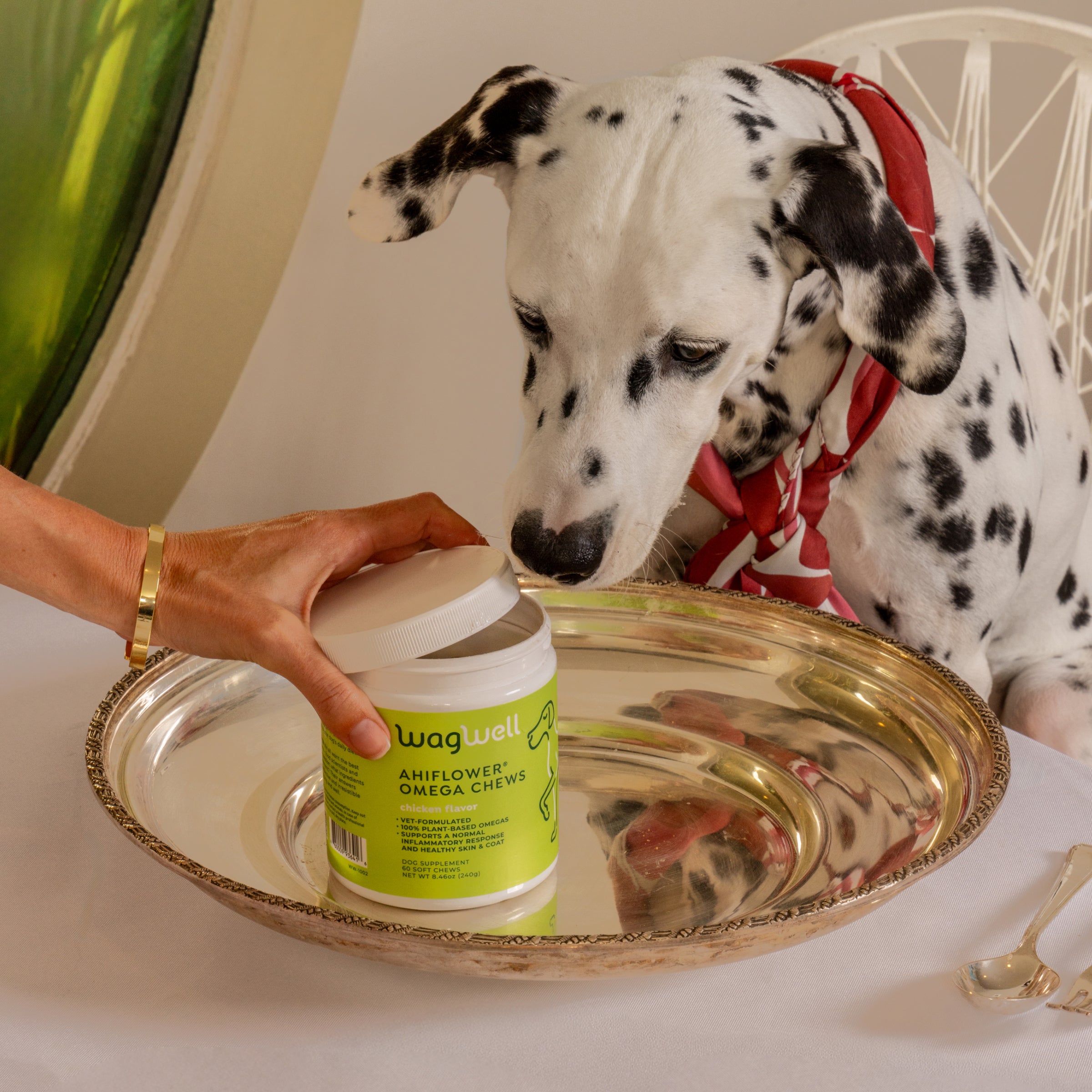
Ahiflower Omega Chews deliver complete plant-based omega nutrition clinically proven as effective as fish oil. This sustainable option saves 600 fish per bottle while providing full omega-3, 6, and 9 support without fishy smell or taste. The anti-inflammatory benefits of Ahiflower complement the antioxidant nutrition that mango provides.
Serve Mango Safely and Enjoy the Moment
Can dogs eat mango safely comes down to removing the skin and pit completely, serving appropriate portion sizes, and monitoring your dog's individual response. Fresh mango flesh provides genuine nutritional benefits when served as an occasional treat within daily caloric limits.
Combine fruit treats with complete daily nutrition and targeted supplementation for comprehensive canine wellness. WagWell products support your dog's health through science-backed formulations that go beyond what fruit alone delivers. Ahiflower Omega Oil provides daily anti-inflammatory omega support for skin, coat, joints, and overall health.
The Better Bowl Bundle elevates every meal with omega-rich oil and high-protein beef topper for consistent nutritional excellence. Consult with your veterinarian for personalized guidance on fruit treats, portion sizes, and complete nutrition planning for your dog's specific health needs.
Sources:
Normalize pet nutrition conversations at every veterinary visit
Evaluation of high-protein diets differing in protein source in healthy adult dogs
Recent Articles


