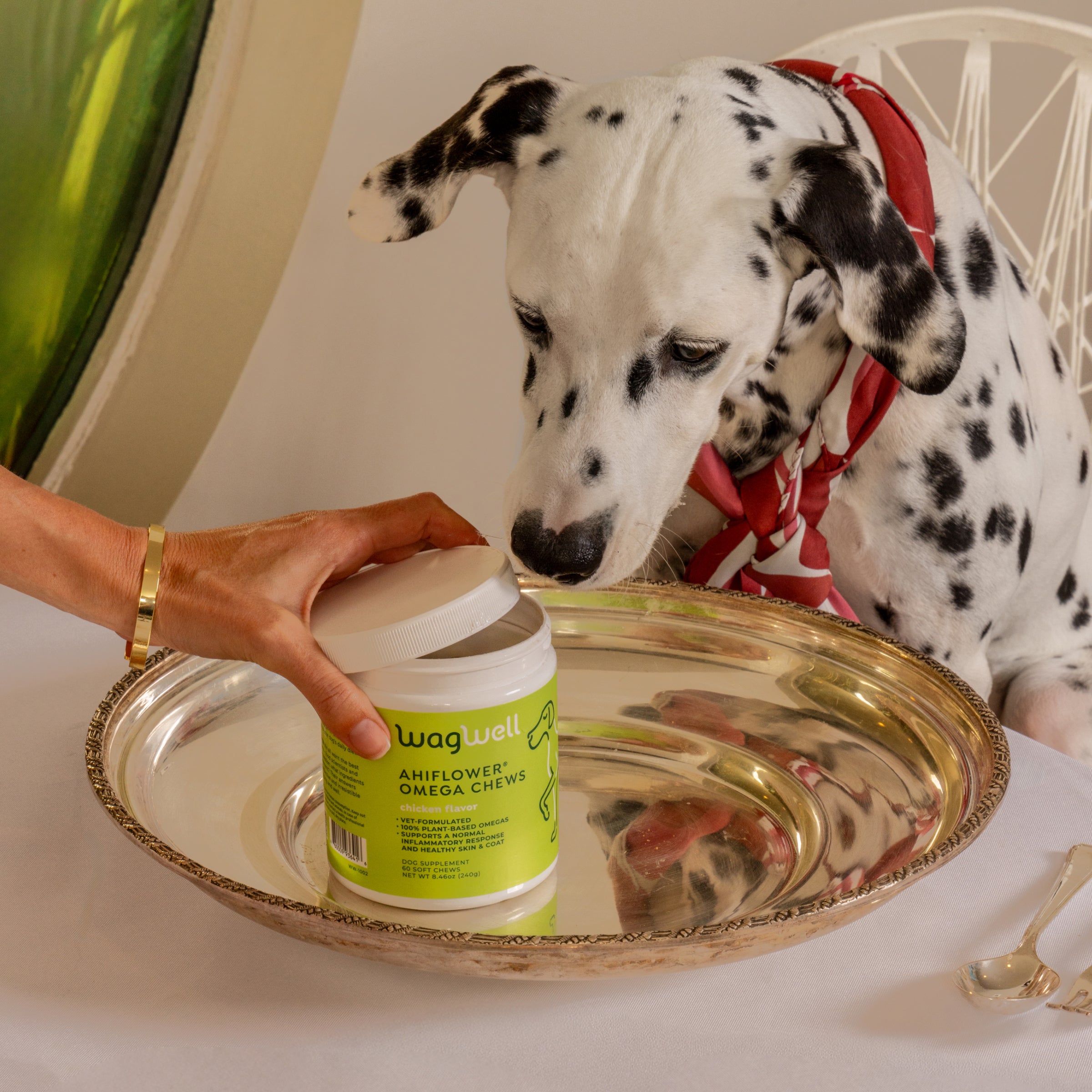




Can dogs eat oranges? Yes, dogs can safely eat oranges in moderation as an occasional treat, though the high sugar and acid content requires careful portion control. Oranges provide vitamin C, fiber, and beneficial antioxidants that support immune function and overall health. However, the citric acid in oranges may cause gastrointestinal upset in sensitive dogs, and the natural sugars contribute calories that must fit within balanced dietary plans. Most dogs can enjoy small amounts of orange flesh without problems, but certain individuals and health conditions require avoiding this citrus fruit entirely.
The sweet, tangy flavor of oranges appeals to many dogs, making them potentially useful training treats or food toppers for picky eaters. Unlike toxic fruits such as grapes and raisins, oranges contain no compounds inherently dangerous to dogs. This guide examines the nutritional value oranges provide dogs, explains proper serving sizes and preparation methods, and identifies situations requiring caution or avoidance.
Nutritional Benefits of Oranges for Dogs
Oranges pack various vitamins, minerals, and beneficial compounds into juicy segments, offering more than just sweet flavor.
Vitamins and Antioxidants
The American Kennel Club notes that oranges provide excellent vitamin C content, though dogs synthesize this vitamin internally unlike humans. Additional dietary vitamin C may benefit dogs under stress, recovering from illness, or experiencing age-related decline. Vitamin C acts as an antioxidant throughout the body, supporting immune function and cellular health.
Oranges contain potassium, which supports proper muscle function and nerve transmission. The fruit also provides small amounts of folate, thiamine, and vitamin A. Fiber in the orange flesh aids digestive health by promoting regular bowel movements and feeding beneficial gut bacteria.
Beyond vitamin C, oranges contain flavonoids and carotenoids that provide antioxidant benefits. These compounds protect cells from oxidative damage caused by free radicals, potentially reducing inflammation. Ahiflower Omega Oil provides complementary anti-inflammatory support through essential fatty acids, creating synergistic effects when combined with antioxidant-packed foods.
Safe Serving Sizes and Preparation
Proper portion control and preparation ensure oranges provide benefits without causing digestive upset or nutritional imbalances.
Appropriate Portions by Dog Size
The American Veterinary Medical Association emphasizes that treats should comprise no more than 10 percent of daily caloric intake. One medium orange contains approximately 60 to 80 calories, a significant portion of a small dog's daily allowance.
Follow these portion recommendations based on dog size:
-
Small dogs under 20 pounds: 1 to 2 small segments per day
-
Medium dogs 20 to 50 pounds: 2 to 3 segments per day
-
Large dogs 50 to 90 pounds: half an orange per day
-
Giant breeds over 90 pounds: one small orange per day
Start with smaller amounts when introducing oranges for the first time. Some dogs experience digestive upset from citrus acidity even in appropriate portions. Gradual introduction over several days allows the digestive system to adapt while helping you identify any individual sensitivities.
Proper Preparation Methods
Remove all peel, pith, and seeds before offering oranges to dogs. Orange peels contain oils that may cause digestive upset and present choking hazards. The white pith, while not toxic, tastes bitter and contains minimal nutritional value. Seeds pose potential choking risks and may cause intestinal blockages in small dogs if consumed in quantity.
Separate orange segments into individual pieces, removing any remaining membrane or seeds. For very small dogs or those prone to gulping food, cut segments into smaller pieces preventing choking. Frozen orange segments provide refreshing summer treats that dogs often enjoy, with the cold temperature creating interesting sensory experiences while offering cooling relief.
When to Avoid Feeding Oranges
Despite general safety, certain situations require avoiding oranges or limiting exposure carefully.
Dogs with Specific Health Conditions
Diabetic dogs require careful sugar management making oranges problematic despite natural sugar sources. The fructose in oranges impacts blood glucose levels requiring consideration within comprehensive dietary plans. Consult your veterinarian before offering oranges to diabetic dogs, potentially adjusting other carbohydrate sources to accommodate the fruit.
Dogs with sensitive stomachs or inflammatory bowel disease may react poorly to citrus acidity. These individuals often tolerate low-acid fruits like bananas or apples better than oranges. Overweight dogs benefit from low-calorie treats, but oranges should replace rather than supplement current treat allowances. The National Center for Biotechnology Information has published research on canine obesity showing that even small excess calories contribute to weight gain over time.
Parts of Oranges to Avoid
While orange flesh proves safe, other parts pose risks requiring removal before offering fruit to dogs. Never allow dogs to consume:
-
Orange peels contain essential oils that irritate the digestive systems
-
Seeds presenting choking hazards and potential intestinal blockages
-
Large amounts of white pith can cause digestive upset in sensitive dogs
-
Candied or chocolate-covered oranges contain toxic ingredients
-
Orange juice concentrates sugars and acids without beneficial fiber
Monitoring Your Dog's Response
Careful observation after introducing oranges helps identify potential sensitivities requiring dietary adjustments.
Signs of Digestive Upset
Watch for these indicators suggesting oranges disagree with your dog's system:
-
Vomiting within hours of orange consumption
-
Diarrhea or loose stools following orange treats
-
Excessive gas or abdominal discomfort
-
Decreased appetite at subsequent meals
-
Unusual lethargy or behavioral changes
If these symptoms occur, discontinue oranges and offer plenty of fresh water. Most citrus-related digestive upset resolves within 24 hours without intervention. Contact your veterinarian if symptoms persist beyond one day or appear severe.
Dietary Balance and Alternatives
Oranges enhance but should not replace balanced commercial diets formulated to meet complete nutritional requirements. Allergy & Itch Chews offer concentrated nutritional support through ingredients like colostrum, Ahiflower omega oil, and Epicor. These veterinary-formulated supplements address specific health concerns more effectively than food additions alone.
Dogs can enjoy numerous fruits as healthy treats including apples, bananas, blueberries, strawberries, and watermelon. Each offers different nutritional profiles creating dietary variety. Freeze-Dried Beef Topper provides a protein-rich variety for dogs who prefer savory flavors over sweet fruits.
Creative Serving Ideas
Transform oranges from simple treats into engaging feeding experiences that enrich your dog's daily routine.
Interactive and Mixed Feeding
Hide individual orange segments in puzzle toys or snuffle mats, encouraging natural foraging behaviors while providing mental stimulation. Freeze orange segments inside Kong toys with plain yogurt or pureed sweet potato, creating long-lasting enrichment activities keeping dogs occupied productively.
Blend fresh orange segments with dog-safe fruits like strawberries and bananas, creating fruit salads offering varied flavors and textures. Add these mixtures to regular meals as special toppers or freeze them for refreshing treats. Mix small amounts of chopped orange into homemade dog treats, incorporating them into recipes alongside safe ingredients like oats and eggs.
Making Informed Feeding Decisions
Can dogs eat oranges? Yes, most dogs safely enjoy oranges in moderation as occasional treats providing vitamin C, fiber, and beneficial antioxidants. Remove all peels, pith, and seeds before offering fresh segments in appropriate portions based on your dog's size and caloric needs. Start with small amounts to assess digestive tolerance, as citrus acidity causes upset in sensitive individuals. Diabetic dogs, those with gastrointestinal sensitivities, and overweight dogs require special consideration or complete avoidance. When offered properly, oranges provide a nutritious variety complementing quality commercial diets and supplements like Ahiflower Omega Oil that support comprehensive wellness.
Sources:
American Kennel Club. "Can Dogs Eat Oranges?"
AVMA Journals. "Attitudes of pet owners toward pet foods and feeding management of cats and dogs
Recent Articles


