


Peanuts show up in a lot of kitchens, and it's only natural to wonder whether your dog can share in the snacking. The short answer is yes, plain peanuts are generally safe for dogs in small amounts. But that simple yes comes with some real caveats, especially once peanut butter, flavored nuts, or anything processed enters the picture.
The tricky part isn't the peanut itself. It's everything that tends to come along with it, hidden sweeteners, added salt, and fat content that can catch owners off guard. Understanding exactly where the risk lives makes it much easier to share this snack safely, or know when to skip it entirely.
Can Dogs Eat Peanuts: What Makes Them Risky
Plain, unsalted peanuts aren't toxic to dogs. But peanuts rarely stay plain once they're processed into the products most households actually keep around, and that's where things get complicated.
The Xylitol Problem Hiding in Peanut Butter
This is the one risk every dog owner needs to know about. Xylitol, a sugar substitute used in many "sugar-free" or low-calorie peanut butters, is genuinely dangerous for dogs. According to the University of Illinois College of Veterinary Medicine, xylitol triggers a rapid, severe insulin surge in dogs that can cause dangerous hypoglycemia within 30 to 60 minutes of ingestion. Unlike in humans, xylitol is metabolized very differently in canine bodies, and even small amounts can lead to symptoms ranging from weakness and vomiting to seizures and, in severe cases, liver failure.
The scary part is how common xylitol has become in "healthier" peanut butter brands marketed toward people cutting sugar. It's easy to grab a jar without realizing it's on the ingredient list, buried under a name that doesn't immediately register as dangerous. Always check the label before offering your dog any peanut butter, every single time, even if you've used that brand before. Formulations change.
Fat Content and Pancreatitis Risk
Even peanuts without xylitol carry a separate concern: fat density. A peer-reviewed evaluation published by the National Institutes of Health reviewed common household foods that pose toxicity or health risks to companion animals, and identified nut oils, including those from peanuts, as a contributing factor in fat-induced pancreatitis. Peanuts are calorie-dense and high in fat, and dogs who consume large amounts, or dogs with a predisposition to pancreatic issues, face real risk of triggering an inflammatory pancreatic episode.
This doesn't mean a few peanuts will send every dog to the emergency vet. It means moderation actually matters here, more than owners tend to assume with something as seemingly harmless as a peanut.
Common Hidden Hazards in Peanut Products
Beyond xylitol and fat content, there are a handful of other risks that show up specifically in the peanut products dogs are most likely to encounter around the house.
Salt, Additives, and Flavorings
Veterinary researchers at Texas A&M University's College of Veterinary Medicine point to salted and flavored peanuts, as well as peanut-containing snack mixes, as an underappreciated household hazard. Heavily salted peanuts can contribute to sodium ion poisoning in large enough quantities, particularly in small dogs. Flavored varieties, including honey-roasted or barbecue peanuts, often contain onion or garlic powder, both of which are toxic to dogs even in small amounts.
Trail mixes deserve a specific warning here. They frequently combine peanuts with raisins or chocolate, two ingredients that are genuinely dangerous for dogs on their own. A dog getting into a bag of trail mix isn't just eating peanuts. They're potentially eating several toxic ingredients at once.
Choking Hazards and Shells
Whole peanuts in their shells present a straightforward mechanical risk. Shells are difficult to digest and can cause choking or intestinal blockage, particularly in smaller dogs who tend to swallow food quickly without much chewing. If you're offering peanuts at all, they should always be shelled first.
How to Safely Share Peanuts With Your Dog
If you want to offer peanuts as an occasional treat, a few simple rules keep things low-risk.
-
Choose plain, unsalted, shelled peanuts only
-
Check every peanut butter label for xylitol before serving, even trusted brands
-
Offer small amounts, a few peanuts or a small spoonful of peanut butter, not a handful
-
Avoid flavored, honey-roasted, or seasoned varieties entirely
-
Never offer peanuts still in the shell
-
Skip peanuts altogether for dogs with a history of pancreatitis
For most healthy dogs, a small amount of plain peanut butter used as a training treat or a way to hide medication is perfectly fine. The key is reading labels every time and keeping portions genuinely small rather than letting your dog lick the jar clean.
What to Do If Your Dog Eats Something Risky
If your dog gets into peanut butter and you're not sure whether it contains xylitol, don't wait around to see what happens. Contact your vet or an emergency animal poison control line immediately. Symptoms of xylitol toxicity can appear within 30 minutes, so speed matters far more than it does with most other food-related concerns.
Watch for these signs after any peanut-related ingestion:
-
Vomiting
-
Weakness or wobbliness
-
Disorientation
-
Loss of coordination
-
Seizures
-
Abdominal pain or bloating
Any of these symptoms warrant an immediate call to your veterinarian, even if you're not fully certain what your dog ate.
Safer Ways to Give Your Dog a Satisfying Treat
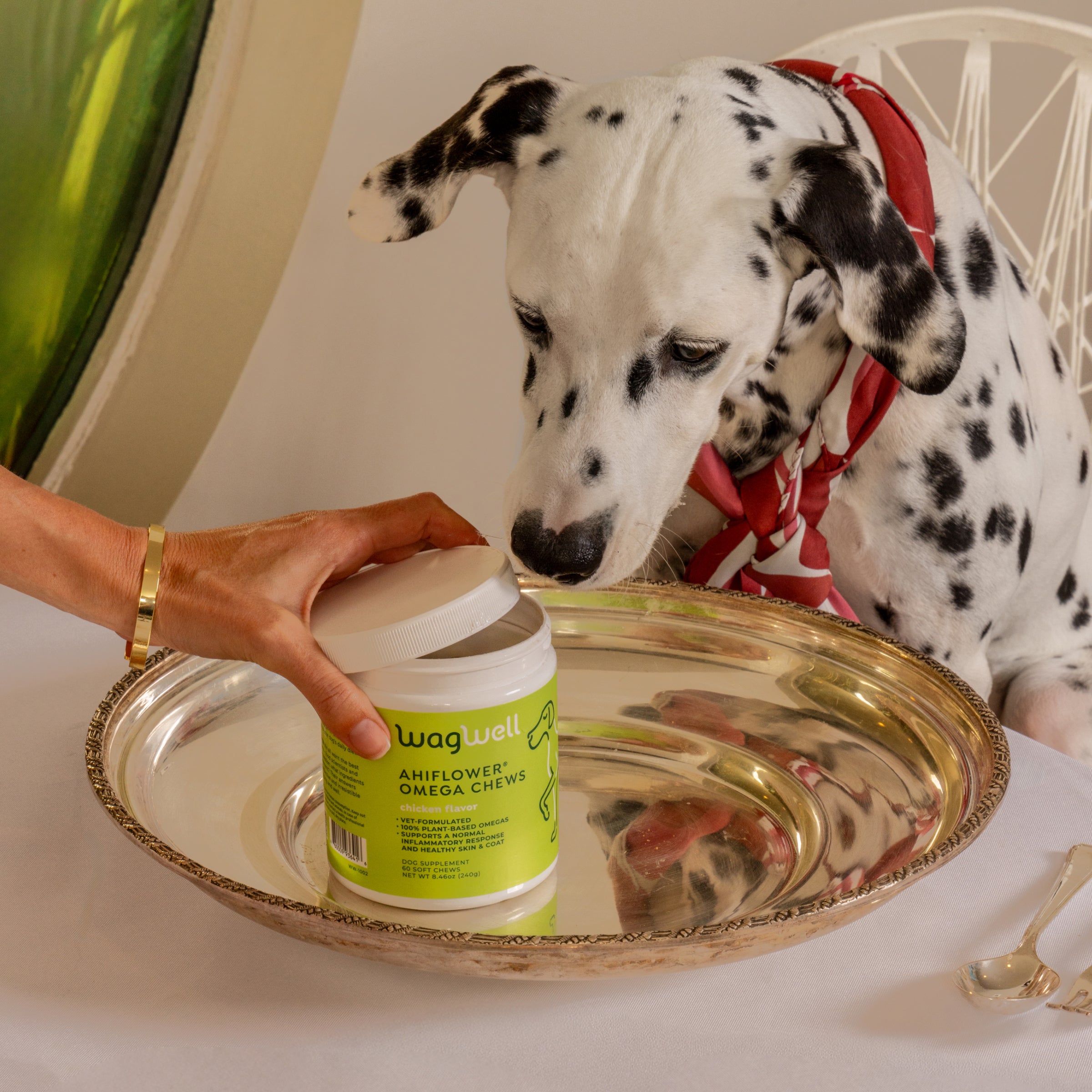
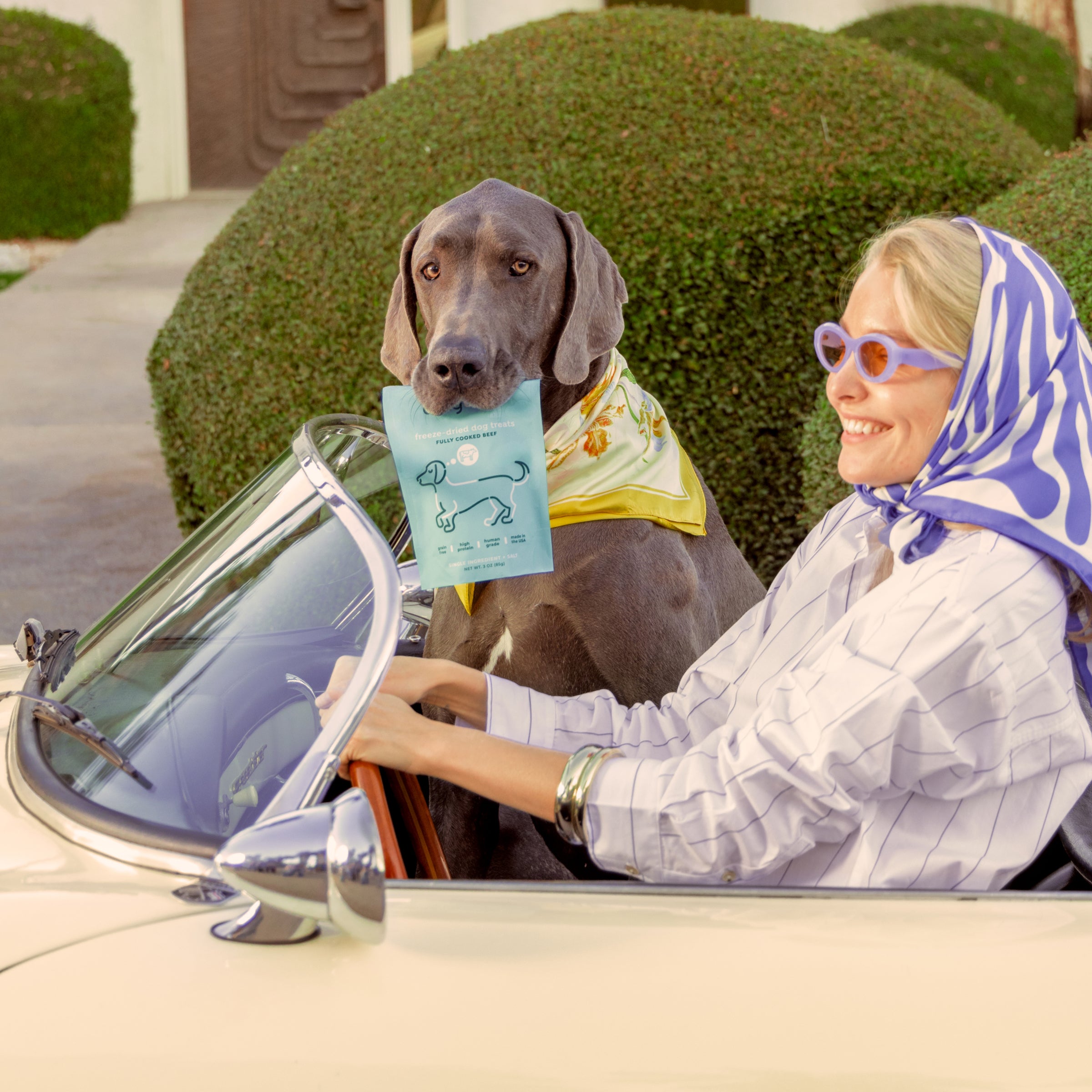
If the label-checking and portion-measuring feels like more hassle than it's worth, there are simpler ways to give your dog a treat without the guesswork peanuts require. WagWell offers freeze dried dog treats made from single, whole-food ingredients with nothing hidden on the label, no xylitol risk, no mystery additives, and no need to double-check anything before handing one over.
For dogs who love the rich, satisfying taste peanut butter usually delivers, a high-value protein treat often scratches the same itch without any of the fat-related concerns tied to nuts. And for dogs with sensitive stomachs who don't tolerate high-fat snacks well in general, exploring dog natural supplements built around gut and digestive support can help keep treat time from turning into a stomach upset the next day.
The Bottom Line on Peanuts
Plain, unsalted, shelled peanuts in small amounts are safe for most dogs. The real danger lives in the products peanuts get turned into, xylitol-sweetened peanut butter, salted or flavored nuts, and trail mixes packed with other toxic ingredients. Read every label, keep portions small, and when in doubt, reach for a treat that doesn't require you to squint at an ingredient list before handing it over.
Sources:
Xylitol Toxicity Hazards in Household Peanut Products.
Recent Articles


