



Can dogs eat pineapple? Yes, dogs can safely eat fresh pineapple in moderation as an occasional treat packed with vitamins, minerals, and digestive enzymes. This tropical fruit provides vitamin C, fiber, and bromelain, an enzyme that may aid protein digestion and reduce inflammation. However, pineapple's high sugar content requires careful portion control, and the tough core, spiky skin, and canned varieties containing added sugars must be avoided completely. Most dogs can enjoy small amounts of fresh pineapple flesh without problems, though individual tolerance varies based on digestive sensitivity and overall health status.
The sweet, tangy flavor of pineapple appeals to many dogs, making it a refreshing training reward or meal topper during warm weather. This guide examines the nutritional benefits pineapple offers dogs, explains proper serving sizes and preparation techniques, and identifies situations requiring caution.
Nutritional Benefits of Pineapple for Dogs
Pineapple delivers impressive nutritional value through vitamins, minerals, enzymes, and beneficial plant compounds supporting various aspects of canine health.
Vitamins and Minerals in Pineapple
The American Kennel Club notes that pineapple provides excellent vitamin C content, which acts as an antioxidant throughout the body. While dogs synthesize vitamin C internally unlike humans, additional dietary sources may benefit dogs under stress, recovering from illness, or experiencing age-related decline.
Pineapple contains vitamin B6, which supports brain development and immune function. Thiamine helps convert food into energy and supports nervous system function. The fruit also provides manganese, essential for bone health and metabolism, plus potassium supporting proper muscle function and nerve transmission.
The fiber content in pineapple aids digestive health by promoting regular bowel movements and feeding beneficial gut bacteria. Water comprises approximately 86 percent of a pineapple's composition, contributing to hydration alongside nutritional benefits.
Bromelain and Digestive Support
Bromelain represents pineapple's most unique compound, an enzyme that breaks down proteins potentially aiding digestion. The National Center for Biotechnology Information has published research examining bromelain's anti-inflammatory properties and potential health benefits across various conditions.
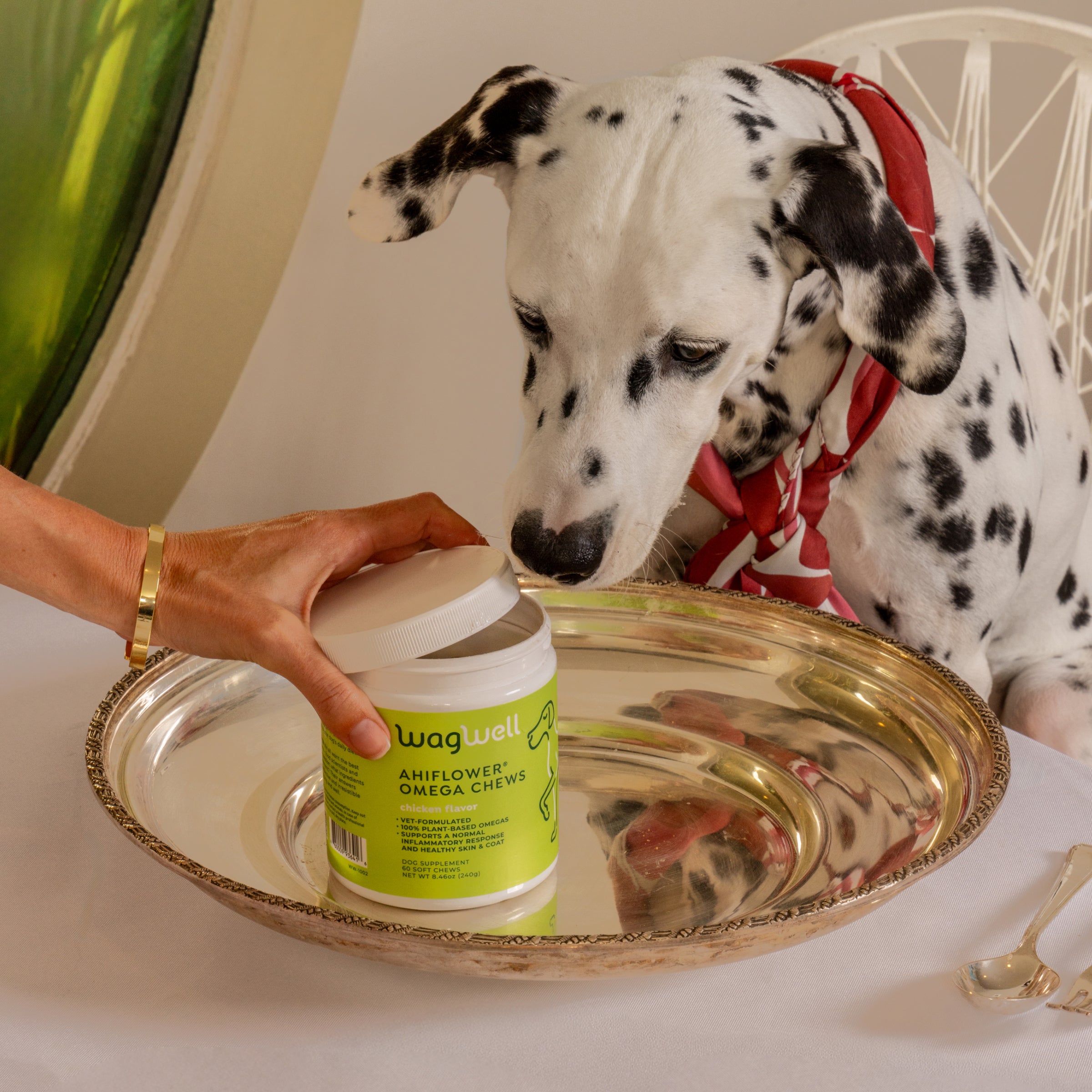
Some pet parents report that small amounts of fresh pineapple discourage coprophagia, the behavior where dogs consume feces. The theory suggests bromelain makes stool less palatable, though scientific evidence supporting this application remains limited. Ahiflower Omega Oil provides proven anti-inflammatory support through complete omega-3, 6, and 9 profiles, offering science-backed benefits for overall wellness.
Safe Serving Sizes and Preparation
Proper portion control and preparation ensure pineapple provides nutritional benefits without causing digestive upset or contributing excessive sugars to your dog's diet.
Appropriate Portions by Dog Size
The AVMA Journals emphasize that treats should comprise no more than 10 percent of daily caloric intake. One cup of fresh pineapple chunks contains approximately 80 calories, representing significant portions of small dogs' daily allowances.
Follow these portion recommendations based on dog size:
-
Small dogs under 20 pounds: 1 to 2 small pieces per day
-
Medium dogs 20 to 50 pounds: 2 to 3 chunks per day
-
Large dogs 50 to 90 pounds: 4 to 5 pieces per day
-
Giant breeds over 90 pounds: quarter cup of chunks per day
Start with smaller amounts when introducing pineapple for the first time. The fruit's acidity and natural sugars may cause digestive upset in sensitive dogs even when offered in appropriate portions. Gradual introduction allows the digestive system to adapt while helping you identify any individual sensitivities.
Proper Preparation Methods
Use only fresh, ripe pineapple for your dog, avoiding canned varieties packed in syrup or juice. The added sugars in canned pineapple significantly increase caloric content while providing no additional nutritional benefits. Dried pineapple also contains concentrated sugars making it inappropriate for regular feeding.
Remove all skin, core, and crown before offering pineapple to dogs. The spiky outer skin presents choking hazards. The tough, fibrous core proves difficult for dogs to digest and may cause intestinal blockages, particularly in small breeds. Cut the pineapple flesh into bite-sized pieces appropriate for your dog's size.
Frozen pineapple chunks provide refreshing summer treats that many dogs enjoy. The cold temperature and firm texture create interesting sensory experiences while offering cooling relief during hot weather. Daily Cleansing Wipes help clean sticky pineapple juice from facial fur and paws after treat consumption.
When to Avoid Feeding Pineapple
Despite general safety for most dogs, certain situations require avoiding pineapple or carefully limiting exposure.
Dogs with Specific Health Conditions
Diabetic dogs require careful sugar management making pineapple problematic despite containing natural rather than added sugars. The fructose and glucose in pineapple impact blood glucose levels requiring consideration within comprehensive dietary management plans. Consult your veterinarian before offering pineapple to diabetic dogs.
Dogs with sensitive stomachs, inflammatory bowel disease, or chronic digestive issues may react poorly to pineapple's acidity and fiber content. These individuals often tolerate gentler fruits like bananas better than acidic tropical fruits. Mobility Chews support joint health in overweight dogs working toward healthier body conditions, addressing mobility challenges common in dogs carrying excess weight.
Pineapple Products to Avoid
While fresh pineapple flesh proves safe in moderation, many pineapple-containing products pose serious risks. Never feed dogs these pineapple items:
-
Canned pineapple packed in syrup or heavy juice
-
Dried pineapple with concentrated sugars
-
Pineapple juice lacks beneficial fiber
-
Pineapple desserts containing sugar, dairy, or chocolate
-
Trail mix combining pineapple with raisins, chocolate, or nuts
Artificial sweeteners, particularly xylitol, appear in some sugar-free canned fruits and desserts. Xylitol causes life-threatening toxicity in dogs even in tiny amounts, triggering dangerous insulin release leading to hypoglycemia and potential liver failure.
Monitoring Your Dog's Response
Careful observation after introducing pineapple helps identify potential sensitivities requiring dietary modifications or complete avoidance.
Signs of Digestive Upset
Watch for these indicators suggesting pineapple disagrees with your dog's digestive system:
-
Vomiting within hours of pineapple consumption
-
Diarrhea or unusually soft stools following pineapple treats
-
Excessive gas or visible abdominal discomfort
-
Decreased appetite at subsequent meals
-
Unusual lethargy or behavioral changes
If these symptoms occur, discontinue pineapple immediately and offer plenty of fresh water. Most fruit-related digestive upset resolves within 24 hours without veterinary intervention. Contact your veterinarian if symptoms persist beyond one day or appear severe.
Creative Serving Ideas and Alternatives
Transform pineapple from simple treats into engaging feeding experiences while exploring complementary fruit options.
Interactive Feeding and Alternatives
Hide individual pineapple chunks in puzzle toys or snuffle mats, encouraging natural foraging behaviors while providing mental stimulation. Freeze pineapple pieces inside Kong toys with plain yogurt or mashed banana, creating long-lasting enrichment activities.
Mix small amounts of chopped pineapple with other dog-safe fruits like blueberries, strawberries, or apple pieces creating tropical fruit salads. Freeze-Dried Beef Topper provides a protein-rich variety for dogs who prefer savory flavors over sweet fruits.
Dogs can enjoy numerous fruits as healthy treats including apples, bananas, blueberries, strawberries, and watermelon. Each offers different nutritional profiles creating dietary variety. Pineapple enhances but should not replace balanced commercial diets. Allergy & Itch Chews offer concentrated support through ingredients like colostrum, Ahiflower omega oil, and Epicor, addressing specific health concerns more effectively than food additions alone.
Making Informed Feeding Decisions
Can dogs eat pineapple? Yes, most dogs safely enjoy fresh pineapple in moderation as occasional treats providing vitamin C, fiber, manganese, and the unique enzyme bromelain. Remove all skin, core, and crown before offering bite-sized pieces of fresh pineapple flesh in appropriate portions based on your dog's size and caloric needs.
Avoid canned, dried, or processed pineapple products containing added sugars or harmful ingredients. Start with small amounts assessing digestive tolerance, as the fruit's acidity and natural sugars cause upset in sensitive individuals. Diabetic dogs, those with gastrointestinal sensitivities, and overweight dogs require special consideration. When offered properly alongside quality nutrition like Ahiflower Omega Oil, fresh pineapple provides a refreshing variety supporting your dog's enjoyment and wellness.
Sources:
Recent Articles


