



Can dogs eat potatoes safely, or is this common kitchen staple better kept out of their bowl? The answer depends significantly on how the potato is prepared. Plain, cooked potatoes are generally safe for most dogs as an occasional treat. Raw potatoes, green potatoes, and heavily seasoned preparations are a different matter entirely. Getting this distinction right prevents a common household food from becoming an accidental health hazard.
Potatoes belong to the nightshade family, the same plant group as tomatoes and eggplant. That classification matters because it introduces a naturally occurring compound called solanine. Solanine levels are highest in raw potatoes, green potatoes, sprouts, and potato skins. Cooking reduces solanine significantly. Understanding exactly where this compound concentrates tells you which preparation steps actually matter and which risks are overstated.
Can Dogs Eat Potatoes: The Solanine Question
Solanine is the primary safety concern with potatoes for dogs. Knowing what triggers its production and where it concentrates helps you shop, store, and prepare potatoes more safely.
What Solanine Is and Why It Matters
According to PetMD, solanine is a natural toxin found in the nightshade plant family. Potatoes produce it as a defense against insects and disease. In dogs, solanine causes vomiting, diarrhea, lethargy, and weakness at moderate doses. In large amounts, it can progress to neurological problems, coma, and death. Fortunately, reaching those severe thresholds requires consuming significant quantities of raw or green potato material.
Solanine concentrates most heavily in green potatoes and potato sprouts. Exposure to light triggers solanine production, which explains why potatoes stored in bright areas develop green patches more quickly. A potato with visible green spots or sprouting eyes has higher solanine levels throughout, not just in the obviously affected areas.
The American Kennel Club confirms that potato skins are generally acceptable in small amounts when the potato is not green. However, peeling potatoes before serving removes the layer where solanine concentrates most, which reduces risk meaningfully. When in doubt, peel before serving.
Symptoms of solanine poisoning include vomiting, diarrhea, lethargy, muscle weakness, and confusion. If your dog eats a green or sprouted potato and shows any of these signs, contact your veterinarian immediately. Call the Pet Poison Helpline at 855-764-7661 if you cannot reach your regular vet.
Raw Potatoes Carry Additional Risks
Raw potatoes compound the solanine risk with physical hazards. They are hard and dense. Large pieces can cause choking or intestinal blockage. The raw starch is also difficult for dogs to digest, which causes gastrointestinal upset even without significant solanine exposure. There is no safe reason to offer raw potato to a dog. Always cook potatoes fully before serving.
Safe Preparation Methods
Cooking method determines whether a potato is a reasonable occasional treat or a health risk. The same potato can be appropriate or harmful depending entirely on what happens during and after cooking.
Preparation Methods That Work
Purina's pet nutrition guide recommends baking or roasting as reliable preparation methods. Boiling and steaming also work well. All of these methods cook the potato through without adding fat. The key across every method is keeping the potato completely plain.
Safe preparation looks like this:
-
Wash the potato thoroughly before cooking
-
Peel the potato before serving to remove the higher-solanine skin layer
-
Inspect the flesh for any green spots and discard if present
-
Cook fully until soft and easily mashable
-
Allow to cool completely before offering any to your dog
-
Serve plain with absolutely nothing added
What Makes a Potato Unsafe
The potato itself is not the usual problem. The problem is every addition humans typically make. Butter, oils, salt, garlic, onion powder, cheese, sour cream, and chives all create problems ranging from digestive upset to genuine toxicity. Garlic and onion family ingredients are toxic to dogs regardless of amount. Butter and high-fat toppings trigger pancreatitis in susceptible dogs. Salt in significant amounts causes sodium poisoning.
French fries, potato chips, and instant mashed potatoes all fall into the unsafe category. Fried preparations add excessive fat. Packaged products add preservatives, high sodium, and flavor additives not tested for canine safety.
White Potatoes vs. Sweet Potatoes
These two foods belong to entirely different plant families, which produces meaningfully different risk profiles.
White potatoes belong to the nightshade family and contain solanine. Sweet potatoes belong to the morning glory family and contain no solanine. Sweet potatoes are therefore a safer baseline choice for dogs who enjoy starchy vegetables. The AKC notes that sweet potatoes provide potassium, vitamin A, and calcium alongside strong fiber content. Veterinarians sometimes recommend adding small amounts of plain cooked sweet potato to dry food for dogs experiencing constipation.
Both types require the same preparation protocol. Cook fully. Serve plain. Remove the skin. Keep portions small and occasional.
Portion Guidance and Who Should Avoid Potatoes
The 10 percent treat rule applies to potatoes just as it does to any other treat. All snacks combined should stay within 10 percent of your dog's daily caloric intake.
Practical serving sizes look like this:
-
Small dogs under 25 pounds: one to two small plain cooked cubes occasionally
-
Medium dogs between 25 and 60 pounds: two to four small cubes
-
Large dogs over 60 pounds: a modest spoonful of plain mashed or a few cubes
Certain dogs should avoid potatoes entirely or require veterinary guidance before receiving them. Diabetic dogs face the most significant concern. Potatoes are high in carbohydrates and spike blood sugar more sharply than lower-glycemic treat options. Even small amounts can create problematic blood sugar fluctuations in diabetic dogs. Consult your veterinarian before offering any starchy treat to a dog managing diabetes.
Overweight dogs also benefit from avoiding potato treats due to the carbohydrate density and caloric contribution. Dogs on prescription diets should not receive any food outside that diet without explicit veterinary approval.
Building on a Strong Nutritional Foundation
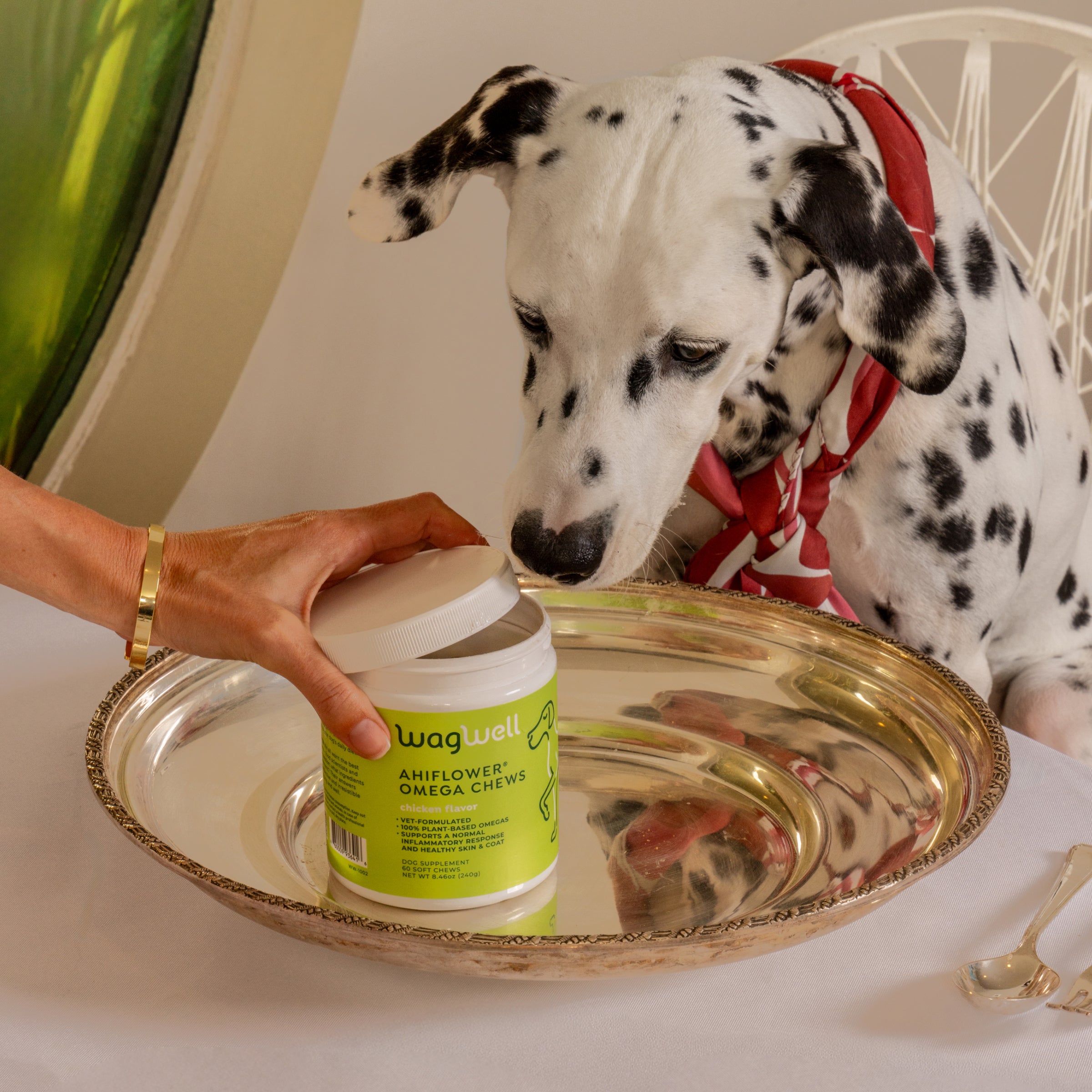
Plain cooked potato works as an occasional treat, not as a nutritional supplement or meal component. Your dog's regular complete and balanced diet already provides the vitamins and minerals found in potatoes. Ahiflower Omega Oil added to daily meals supports skin, coat, and joint health with plant-based omega 3, 6, and 9 fatty acids that potatoes simply do not provide. Freeze-Dried Beef Topper makes a higher-value treat option with single-ingredient protein that complements daily nutrition far more meaningfully than a carbohydrate-heavy potato snack.
A Straightforward Summary
Can dogs eat potatoes? Yes, with clear conditions. Plain, fully cooked, peeled white or sweet potato served in small amounts is safe for most healthy adult dogs. Raw potatoes and green potatoes are genuinely dangerous and should never be offered. Everything that makes potatoes taste good to humans, butter, salt, garlic, seasonings, and oil, makes them unsafe for dogs. Diabetic and overweight dogs should avoid potatoes without veterinary guidance. Keep portions within the 10 percent treat guideline and prioritize your dog's regular diet as the foundation of their nutrition.
Sources:
Recent Articles


