



Can dogs eat shrimp, or should those extra pieces stay on your plate? If your dog has ever hovered nearby while you peeled a batch of shrimp, you have probably asked yourself exactly that. The answer is genuinely good news for seafood-loving pet parents. Shrimp is safe for dogs, nutritious in the right amounts, and something most dogs find irresistible. There are a few important rules around preparation and portion size, but get those right and shrimp becomes one of the better human foods you can share.
The catch, and there always is one, comes down to how the shrimp is prepared and how much your dog consumes. Raw shrimp is off the table entirely. Heavily seasoned or fried shrimp belongs in the same category. Plain, properly cooked shrimp served in appropriate portions? That is a different story, and a pretty positive one for dogs and their owners alike.
What Makes Shrimp Good for Dogs
Shrimp brings a respectable nutritional profile to the table for a food that most people think of as purely indulgent. According to the American Kennel Club, shrimp contains several nutrients that directly benefit canine health. The combination of high protein, low fat, low calories, and low carbohydrates makes shrimp a particularly appealing occasional treat for dogs managing their weight.
Here is what shrimp specifically delivers for dogs:
-
Vitamin B12 supports metabolic function and plays a direct role in gastrointestinal health
-
Niacin (Vitamin B3) is required for proper enzyme function, energy production, fat metabolism, and healthy blood circulation
-
Phosphorus maintains strong, healthy bones and supports kidney function
-
Magnesium aids muscle function and energy metabolism
-
Potassium keeps the heart, muscles, and nerves functioning properly
-
Antioxidants help fight free radicals and support brain health, particularly valuable in senior dogs
-
Omega-3 fatty acids support skin, coat, and joint health from within
-
Iodine contributes to healthy thyroid function
That lineup is genuinely impressive for a low-calorie food. A few pieces of shrimp deliver meaningful nutrition without the calorie load of many commercial treats. For dogs that need high-value rewards during training without the weight-gain risk, plain cooked shrimp fits that role well.
One important caveat: shrimp is high in cholesterol. An occasional shrimp as a treat poses no real concern for healthy dogs. Regular, substantial servings are a different matter. Keep shrimp as a rotation item in your dog's treat mix rather than a daily staple, and the cholesterol piece stays manageable.
Can Dogs Eat Raw Shrimp
No. This is a firm line, not a matter of preference or caution. PetMD explains that raw and uncooked shellfish contain harmful pathogens, including bacteria that cause shellfish poisoning in dogs. The symptoms that follow raw shrimp ingestion include diarrhea, vomiting, nausea, and abdominal pain. If your dog gets into raw shrimp, watch closely and contact your veterinarian immediately if any of those symptoms appear.
Cooking eliminates the bacterial risk entirely. It is a simple step that makes all the difference between a safe treat and a veterinary emergency.
How to Cook Shrimp for Dogs
Preparation method matters just as much as cooking the shrimp through. Several cooking methods work safely for dogs. Boiling, steaming, grilling, and baking all produce shrimp that dogs can eat without issue. Steaming is often the preferred method because it preserves the most nutritional value while avoiding the added fats that come with other cooking styles.
What absolutely cannot be added during cooking:
-
Butter or oils of any kind
-
Salt or sodium-based seasonings
-
Garlic or garlic powder, which is toxic to dogs
-
Onion or onion powder, also toxic
-
Any spice blends, marinades, or sauces
-
Breading or batter
Coconut shrimp, shrimp tempura, garlic butter shrimp, and similar preparations are all off the menu for dogs. The shrimp itself may be safe but the preparation makes the whole dish harmful. Plain is always the rule when cooking for your dog.
Before serving, remove the shell, tail, and veins completely. Shrimp shells pose a genuine choking hazard and can cause intestinal obstructions, particularly in smaller breeds. Removing them every time takes an extra minute but protects your dog from a serious problem.
How Much Shrimp Can a Dog Eat
The ten percent rule applies to shrimp just as it does to every other treat. No more than ten percent of your dog's daily caloric intake should come from treats, snacks, or human foods. Shrimp counts toward that total regardless of how healthy it is on its own.
In practical terms, appropriate shrimp portions look like this based on dog size:
-
Extra-small dogs (2 to 20 lbs): half a medium shrimp
-
Small dogs (21 to 30 lbs): one medium shrimp
-
Medium dogs (31 to 50 lbs): two medium shrimp
-
Large dogs (51 to 90 lbs): three medium shrimp
-
Extra-large dogs (91 lbs and above): up to four medium shrimp
These are guidelines for healthy adult dogs. Individual dogs vary, and some handle shrimp better than others even within the same size range. Start on the lower end when introducing shrimp for the first time and give your dog 24 hours before offering more.
Can Dogs Be Allergic to Shrimp
Shellfish allergies exist in dogs, though they are not particularly common. True food allergies in dogs typically develop after repeated exposure to the same protein over time. A dog eating shrimp for the first time is more likely to experience intolerance than a true allergy, which can still cause digestive upset without a full immune response.
Watch for these signs after your dog eats shrimp for the first time:
-
Diarrhea or loose stools
-
Vomiting
-
Excessive itching or skin irritation
-
Swelling around the face or mouth
-
Lethargy or unusual behavior
Stop offering shrimp immediately if any of these appear and contact your veterinarian. Dogs with known shellfish sensitivities should not receive shrimp at all.
Safe Ways to Serve Shrimp to Your Dog
Once you have properly cooked and cleaned the shrimp, there are several straightforward ways to offer it. Mix small pieces directly into your dog's regular meal as a protein-rich topper. Combine cooked shrimp pieces with other dog-safe vegetables like carrots, peas, or sweet potatoes for a nutrient-dense treat mix. Stuff cut pieces into a food-dispensing toy for extended enrichment.
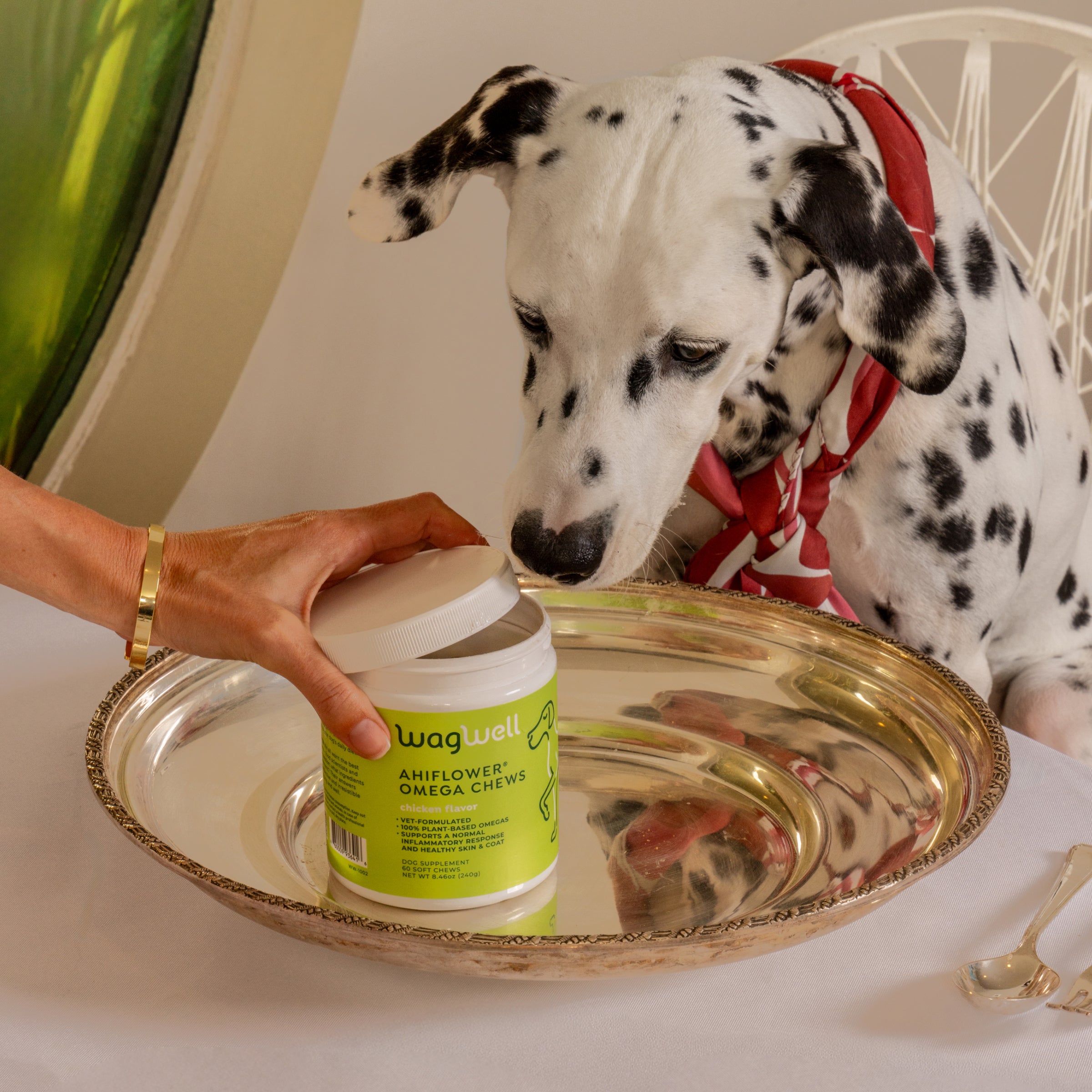
For dogs who need daily coat and skin support alongside their meals, Ahiflower Omega Oil provides plant-based omega 3, 6, and 9 fatty acids that complement the omega-3 content found in shrimp. Adding it to meals builds a broader fatty acid foundation than any single food delivers on its own. The Freeze-Dried Beef Topper works alongside shrimp as a high-protein meal addition for dogs who need encouragement at mealtime.
Whichever serving method you choose, always source shrimp from a reputable supplier. Quality matters with shellfish because of the bacterial risks associated with poor handling or storage. Fresh or frozen shrimp from a trusted source reduces that risk before preparation even begins.
When to Check With Your Vet First
Shrimp is appropriate for most healthy adult dogs in modest amounts. However, certain health conditions change that calculation. Dogs with kidney disease need careful management of phosphorus intake, and shrimp contains meaningful amounts of that mineral. Dogs with hypothyroidism or iodine sensitivities may need veterinary guidance before eating shrimp regularly. Senior dogs with established health conditions benefit from a veterinary check-in before any new food enters the rotation.
If your dog eats too much shrimp at once, watch for decreased appetite, lethargy, abdominal discomfort, vomiting, or diarrhea. Contact your veterinarian if symptoms appear or worsen. A brief call costs nothing and prevents a small problem from becoming a larger one.
A Seafood Snack Worth Sharing
Can dogs eat shrimp? Yes, and done right, it is one of the more nutritious human foods you can offer. Plain, properly cooked, shell-free, and portioned appropriately, shrimp delivers real nutritional value in a low-calorie package that most dogs find genuinely exciting. Keep it simple, keep it plain, stay within portion guidelines, and introduce it slowly the first time. Your veterinarian is always the right resource for any questions about how shrimp fits into your specific dog's diet.
Sources:
Recent Articles


