



Can dogs eat tomatoes is a question that deserves a nuanced answer since the safety depends entirely on which part of the tomato plant your dog encounters. Ripe red tomatoes are generally safe for dogs in small amounts, but green tomatoes and all other parts of the tomato plant contain toxic compounds that can harm your dog. Understanding the difference between safe and dangerous tomato components protects your dog while allowing you to share this nutritious fruit occasionally.
Tomatoes belong to the nightshade family of plants, which includes potatoes, eggplants, and peppers. These plants produce solanine and tomatine, alkaloid compounds that serve as natural pest deterrents. While harmless to humans in the quantities found in food, these substances can cause toxicity in dogs at higher concentrations.
The good news is that ripe red tomatoes contain very low levels of these toxic compounds. The bad news is that unripe green tomatoes, stems, leaves, and vines contain much higher concentrations that pose real risks to curious dogs. Most tomato poisoning cases involve dogs accessing tomato plants in gardens rather than eating prepared tomato foods.
Knowing which forms of tomato are safe, how much you can offer, and what symptoms signal problems helps you make smart decisions about sharing tomatoes with your dog.
Nutritional Value of Tomatoes for Dogs
Ripe red tomatoes offer several beneficial nutrients that support canine health. These fruits contain vitamins A and C, both important for immune function and overall wellness. Lycopene, the compound that gives tomatoes their red color, acts as a powerful antioxidant that may support cellular health.
According to the American Kennel Club, tomatoes also provide fiber that supports digestive health and potassium for proper muscle and nerve function. The water content in tomatoes helps with hydration, particularly during warm weather.
However, the nutritional benefits of tomatoes for dogs remain modest compared to foods specifically formulated for canine nutrition. Consider these nutritional components:
-
Vitamin A for vision and immune health
-
Vitamin C for antioxidant protection
-
Lycopene for cellular health support
-
Fiber for digestive function
-
Potassium for muscle and nerve activity
While these nutrients benefit dogs, tomatoes should never replace balanced, complete dog food. They work best as occasional treats rather than dietary staples.
Toxic Components in Tomato Plants
The dangerous parts of tomato plants contain solanine and tomatine at levels that can cause serious health problems. Green unripe tomatoes have much higher concentrations than red ripe ones. The stems, leaves, and vines contain the highest levels and pose the greatest risk to dogs who chew on garden plants.
Tomatine and solanine interfere with nerve function and can cause gastrointestinal and neurological symptoms. Small dogs face higher risks than large dogs since toxicity relates to body weight. Even small amounts of plant material can cause problems in toy breeds.
Research from the American Veterinary Medical Association indicates that while tomato poisoning is relatively uncommon, it requires immediate veterinary attention when it occurs. The severity depends on how much toxic material the dog consumed and their body size.
Signs of tomato plant toxicity include drooling, loss of appetite, vomiting, diarrhea, confusion, weakness, and abnormal heart rate. Severe cases can involve tremors or seizures. If you suspect your dog ate any part of a tomato plant besides ripe fruit, contact your veterinarian immediately.
Safe Ways to Feed Tomatoes to Dogs
Can dogs eat tomatoes safely depends on proper preparation and portion control. Always choose fully ripe red tomatoes with no green areas. Wash them thoroughly to remove any pesticide residues. Remove all stems and any attached leaves or plant material.
Cut tomatoes into small, bite-sized pieces appropriate for your dog's size. This prevents choking and makes the fruit easier to digest. Start with tiny amounts to see how your dog's digestive system tolerates this new food.
Feed tomatoes plain without any added ingredients. Skip seasonings, oils, garlic, onions, or salt since these additions can harm dogs. Many prepared tomato products contain ingredients that are unsafe for canine consumption.
Supporting your dog's digestive health helps them tolerate occasional treat foods better. Ahiflower Omega Oil provides anti-inflammatory omega nutrition that supports gut lining health and overall digestive comfort.
Foods Containing Tomatoes to Avoid
Many human foods contain tomatoes as ingredients but include other components that make them unsafe for dogs. Tomato sauce often contains garlic and onions, both toxic to dogs. The concentrated form also means dogs might consume more tomato than advisable in a small serving.
Tomato soup typically includes cream, salt, and seasonings that can upset dog stomachs. The high sodium content poses particular risks. Ketchup contains sugar, salt, and sometimes onion powder, making it completely inappropriate for dogs despite the cooked tomato base.
Pizza, pasta dishes, and other prepared foods with tomato-based sauces carry multiple risks. According to research published by the National Institutes of Health, many common foods people share with dogs contain hidden dangers. Prepared tomato products fall into this category.
Skip these tomato-containing foods entirely:
-
Tomato sauce and pasta sauce
-
Ketchup and tomato-based condiments
-
Tomato soup or gazpacho
-
Pizza with tomato sauce
-
Salsa with onions and peppers
Stick to plain, fresh, ripe tomatoes in small amounts if you want to share this fruit with your dog.
Portion Guidelines for Tomatoes
Moderation governs safe tomato feeding. Even ripe red tomatoes should represent only a tiny portion of your dog's daily food intake. Treats and snacks, including tomatoes, should make up no more than 10% of daily calories.
For a medium-sized dog, one or two small cherry tomato-sized pieces make an appropriate occasional treat. Larger dogs might handle slightly more, while small breeds need correspondingly smaller portions. Frequency matters too. Offering tomatoes once or twice weekly at most prevents any issues from developing.
Your dog's individual tolerance varies based on their digestive sensitivity. Some dogs handle tomatoes without any problems. Others may experience mild digestive upset even from ripe tomatoes in small amounts. Watch for soft stools or stomach discomfort after introducing tomatoes.
Consult with your veterinarian for personalized guidance on treat foods and portions appropriate for your dog's size, age, and health status. Dogs with existing digestive issues may need stricter limitations on novel foods.
Better Treat Alternatives
Can dogs eat tomatoes safely is less important than whether tomatoes represent the best treat choice. Many other fruits and vegetables offer superior nutrition with lower risks. Blueberries provide powerful antioxidants without any toxic components. Carrots offer satisfying crunch and excellent vitamins. Green beans deliver fiber and nutrients with virtually no calories.
Sweet potato, cucumber, and apple slices (without seeds) all make excellent treat options. These foods offer strong nutritional profiles, low toxicity risks, and high palatability for most dogs. They also come in forms that are easier to prepare and serve safely.
Quality commercial treats formulated specifically for dogs provide another excellent option. Freeze-Dried Cheese Treats offer single-ingredient simplicity with high protein and no additives. Freeze-Dried Beef Topper provides pure beef liver nutrition that enhances meals and rewards good behavior.
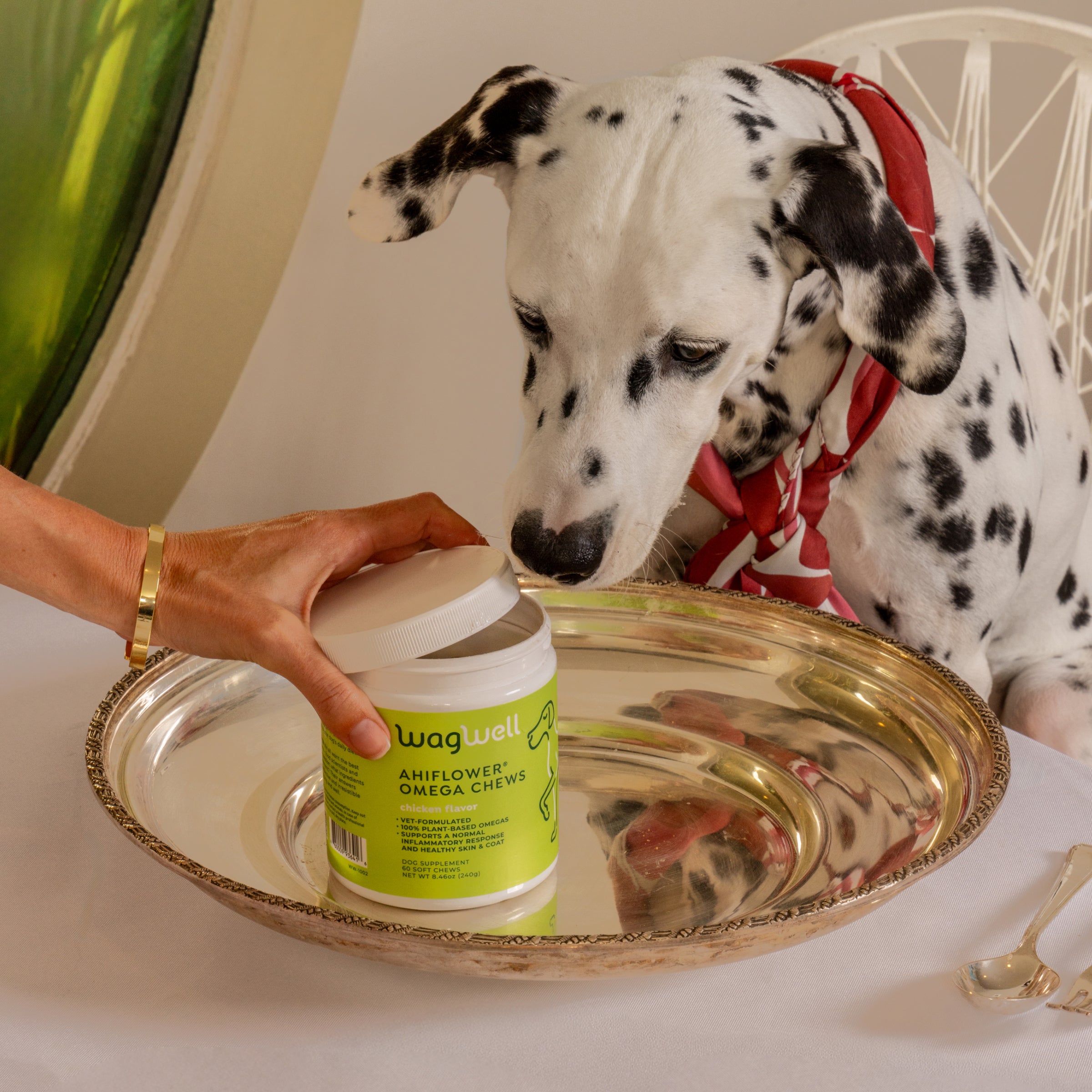
Supporting your dog's complete nutrition through science-backed supplementation often provides more value than occasional treat foods. Ahiflower Omega Chews deliver complete omega-3, 6, and 9 nutrition that supports skin, coat, joint, and overall health.
Feed Tomatoes Thoughtfully
Can dogs eat tomatoes comes down to choosing fully ripe red tomatoes, feeding tiny portions, and avoiding all other parts of tomato plants. While ripe tomatoes are generally safe in moderation, they offer limited nutritional advantages over foods specifically formulated for dogs.
Garden safety matters for dogs with access to vegetable plants. Keep tomato plants fenced or in areas dogs cannot reach. Teach your dog to avoid chewing on garden plants. Remove fallen green tomatoes promptly.
WagWell products support complete canine wellness through carefully formulated, science-backed nutrition. Plant-based omega nutrition from Ahiflower Omega Oil provides superior benefits compared to occasional treat foods. The Better Bowl Bundle transforms daily meals with omega-rich oil and high-protein toppers that deliver consistent nutritional value. Consult with your veterinarian for personalized guidance on treat foods and complete nutrition for your dog's specific needs.
Sources:
Potentially Dangerous Items for Your Pet
Recent Articles


