


How long can a dog go without eating is a question that worries many pet parents when their dog skips a meal or loses interest in food. Understanding the timeline helps you know when to stay calm and when to act fast. This guide covers the key factors that affect food tolerance, warning signs to watch for, and how to support your dog's appetite and overall health.
How Long Can a Dog Go Without Eating Safely
How long can a dog go without eating depends on several factors including age, size, health status, and body condition. Most healthy adult dogs can go 3 to 5 days without food before serious health complications develop. However, this does not mean waiting that long before seeking veterinary guidance.
Age and Size Factors
Puppies face significantly higher risks from missed meals than adult dogs. A puppy should not go more than 12 hours without eating since their small bodies deplete energy reserves quickly. Toy breed puppies face even greater risk of hypoglycemia, a dangerous drop in blood sugar, from skipped meals.
Senior dogs and small breeds also have less tolerance for food refusal. Their metabolic needs and smaller energy reserves make extended fasting riskier. Large, healthy adult dogs generally tolerate short periods without food better than smaller or younger dogs.
Body Condition and Health Status
Dogs with underlying health conditions face greater risks from missed meals. Diabetic dogs require consistent food intake to maintain blood sugar balance. Dogs with liver disease, kidney disease, or other metabolic conditions need regular nutrition to support organ function.
Overweight dogs have more fat reserves than underweight dogs, but this does not make fasting safe for them. Any dog that refuses food for more than 24 hours deserves veterinary evaluation regardless of body condition.
Warning Signs That Require Immediate Veterinary Care
How long can a dog go without eating becomes urgent when certain symptoms accompany food refusal. Some signs indicate emergencies that require same-day veterinary attention. Never wait out concerning symptoms even if your dog ate recently.
According to the American Kennel Club, contact your veterinarian immediately if food refusal comes with these warning signs:
-
Vomiting or diarrhea lasting more than 24 hours
-
Lethargy or unusual weakness
-
Bloated or painful abdomen
-
Blood in vomit or stool
-
Pale or yellow-tinged gums
-
Seizures or collapse
-
Signs of pain including whimpering or hunching
These symptoms suggest conditions that worsen quickly without treatment. Your veterinarian can provide specific guidance based on your dog's individual situation and health history.
Puppies and High-Risk Dogs
Research from the American Veterinary Medical Association confirms that puppies require earlier intervention than adult dogs when food refusal occurs. Contact your veterinarian if a puppy skips more than one meal. The same applies to pregnant or nursing dogs who need consistent nutrition to support themselves and their offspring.
Diabetic dogs need same-day veterinary contact if they refuse food since medication timing relates directly to meal consumption. Work with your vet to determine the best approach for managing your diabetic dog's care during periods of reduced appetite.
Common Reasons Dogs Stop Eating
How long can a dog go without eating often relates to why they stopped in the first place. Identifying the underlying cause guides appropriate next steps. Some causes resolve quickly on their own while others require veterinary treatment.
Medical Causes of Food Refusal
Many medical conditions cause appetite loss in dogs. Dental pain makes eating uncomfortable. Nausea from digestive issues, kidney disease, or medication side effects reduces food interest. Infections, respiratory illness, and pain from injuries or arthritis all suppress appetite.
Common medical causes of food refusal include:
-
Dental disease or oral pain
-
Gastrointestinal upset or obstruction
-
Kidney or liver disease
-
Infections requiring treatment
-
Side effects from medications
-
Cancer or other serious illness
Schedule a veterinary appointment to discuss your dog's specific needs if medical causes seem likely. Early diagnosis and treatment resolve underlying problems and restore normal appetite faster.
Behavioral and Environmental Causes
Not all food refusal relates to illness. Stress, routine changes, new environments, and anxiety commonly suppress appetite temporarily. Dogs in new homes often skip meals during adjustment periods. Household changes like new pets, new family members, or moving can trigger temporary food refusal.
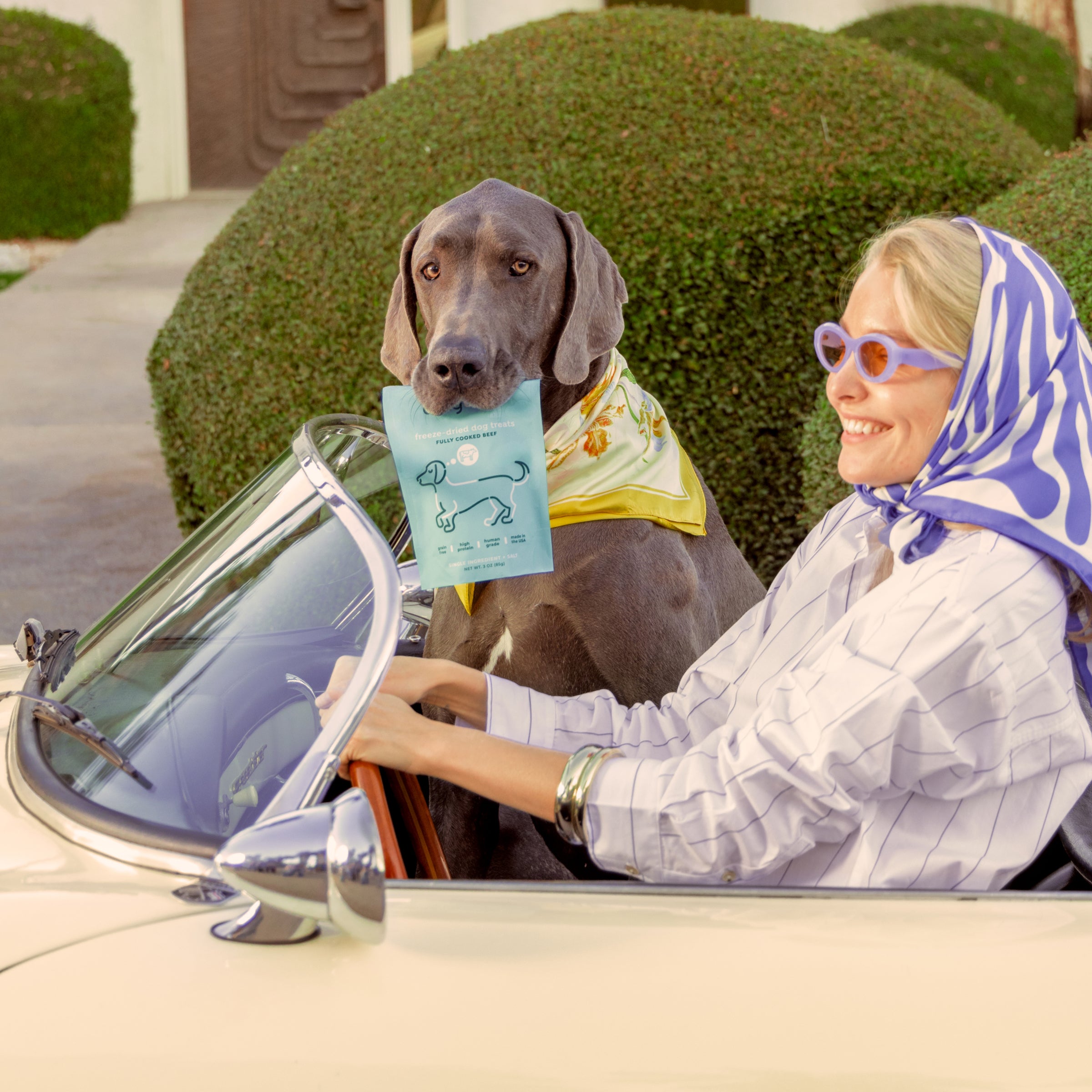
Picky eating habits also develop over time. Dogs who receive frequent treats or table scraps sometimes hold out for preferred foods rather than eating regular meals. Freeze-Dried Beef Topper adds high-protein appeal to regular kibble without reinforcing picky behavior.
What to Do When Your Dog Stops Eating
How long can a dog go without eating before you take action should be no more than 24 hours for adult dogs and much less for puppies. Several practical steps help encourage eating and identify whether the problem needs veterinary attention.
Practical Steps to Encourage Eating
Try these approaches to encourage your dog to eat:
-
Warm kibble slightly to release appealing aromas
-
Add low-sodium broth or warm water to create gravy
-
Offer smaller, more frequent meals throughout the day
-
Feed in a quiet location away from stress and distractions
-
Temporarily reduce treats to increase meal hunger
According to research published by the National Institutes of Health, food palatability significantly affects consumption in dogs. Small modifications to presentation and temperature can make regular food more appealing without changing the nutritional content.
Supporting Digestive Health and Appetite
Digestive health directly influences appetite. Dogs with uncomfortable digestion often reduce food intake to avoid worsening symptoms. Supporting gut health through proper nutrition helps maintain consistent appetite over time.
Ahiflower Omega Oil provides complete plant-based omega-3, 6, and 9 fatty acids that support digestive comfort and reduce gut inflammation. Adding it to meals also improves palatability for many dogs. Allergy & Itch Chews combine colostrum and Ahiflower Oil to support immune function and reduce inflammation that might suppress appetite.
Preventing Future Episodes of Food Refusal
How long can a dog go without eating matters less when you establish routines that support consistent eating habits. Prevention through structured feeding schedules, quality nutrition, and proactive wellness care reduces the frequency of appetite problems.
Building Consistent Feeding Routines
Feed meals at the same times every day. Offer food for 15 to 20 minutes then remove it. This teaches dogs that meal times are limited opportunities rather than all-day options. Consistent schedules regulate hunger and make dogs more reliable eaters.
Avoid free-feeding, which allows dogs to graze throughout the day. Set meal times create natural hunger cycles that support better appetite at feeding time.
Quality Nutrition for Long-Term Wellness
Choose high-quality food with named protein sources as the first ingredient. Avoid foods with excessive fillers that reduce digestibility and satisfaction. Rotate protein sources periodically to maintain meal interest.
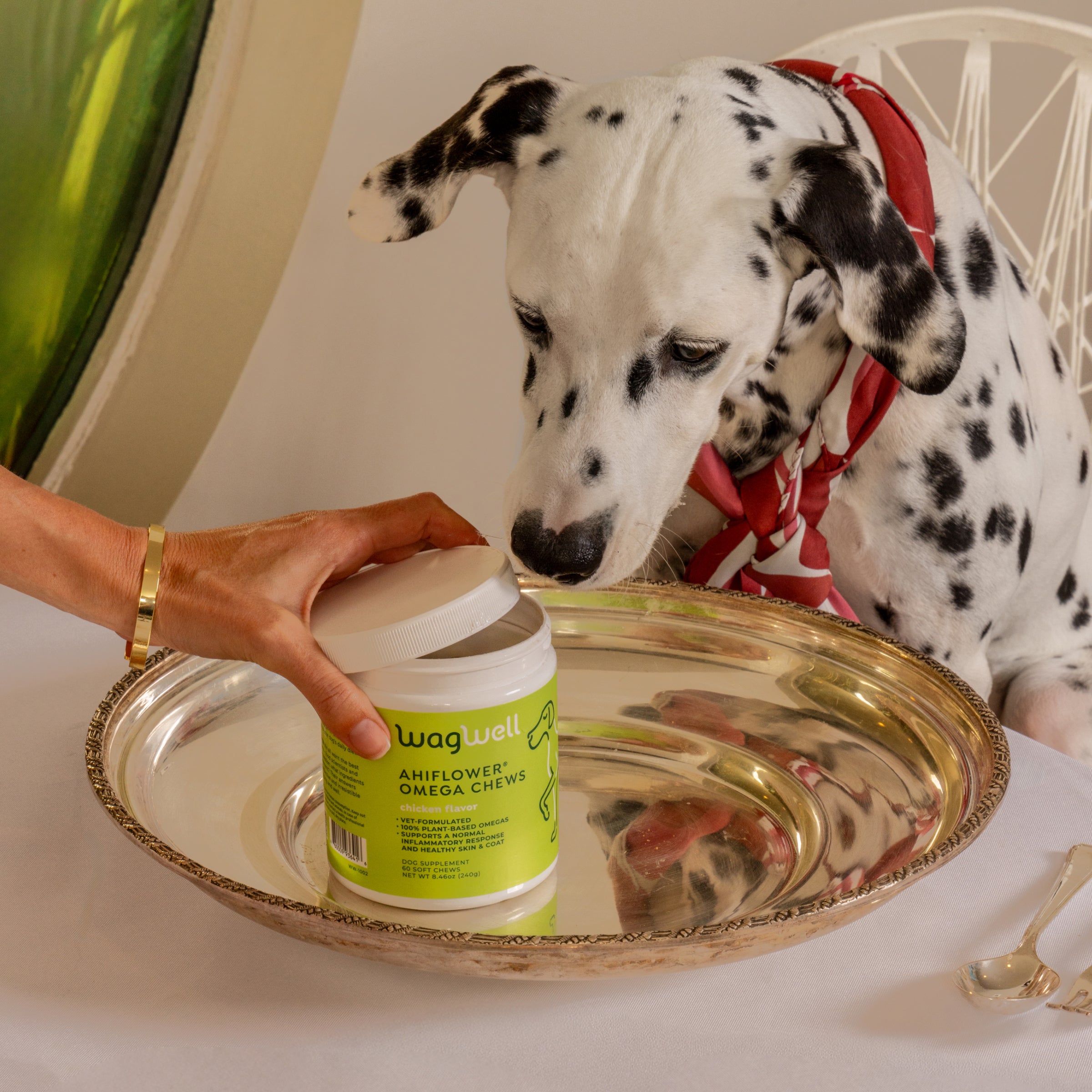
Ahiflower Omega Chews deliver daily omega nutrition that supports overall health including digestive function. Consistent supplementation supports the internal systems that regulate appetite and wellbeing.
Keep Your Dog Eating Well
How long can a dog go without eating serves as a useful baseline, but healthy dogs should eat consistently every day. Monitor your dog's eating patterns closely and act promptly when meals are skipped. Puppies, senior dogs, and dogs with health conditions need faster intervention than healthy adult dogs.
WagWell products support complete canine wellness through science-backed nutrition. Ahiflower Omega Oil supports digestive health and meal appeal as a daily food topper. The Better Bowl Bundle pairs omega-rich oil with high-protein beef topper to transform every meal into a nutritional boost. Consult with your veterinarian for personalized guidance on your dog's nutrition and any concerns about food refusal.
Sources:
How dog owner feeding choices correlate with nutritional health outcomes
Drivers of Palatability for Cats and Dogs—What It Means for Pet Food Development
Recent Articles


