



How many times a day should a dog eat to stay healthy? Most dog owners start with whatever the food bag recommends. That number is often wrong for their specific dog. Feeding frequency affects digestion, energy levels, and long-term health. Getting it right matters far more than most people realize.
Dogs are not built the same way at every life stage. A puppy has different needs than an adult dog. A senior dog has different needs than either of them. The right feeding schedule accounts for age, size, breed, and medical history. There is no single answer that applies to every dog.
How Many Times a Day Should a Dog Eat: The Biology Behind It
Understanding how a dog's stomach works helps explain why feeding frequency matters at all.
The 8 to 10 Hour Window
According to VCA Animal Hospitals, dogs have simple stomach anatomy similar to humans. A dog's stomach empties within a few hours after eating. Food moves on to the small intestine. After 8 to 10 hours, an empty stomach starts sending hunger signals to the brain. That biological clock is why most veterinarians recommend at least two meals per day.
Leaving a dog's stomach empty beyond that window is uncomfortable. It also increases the risk of acid-related issues for sensitive dogs. Dogs prone to gastroesophageal reflux disease can suffer real discomfort from long gaps between meals.
Why Routine Matters
VCA Animal Hospitals also notes that dogs are creatures of habit. A consistent feeding schedule conditions their bodies to expect food at set times. That predictability has practical benefits. When dogs eat on a routine schedule, changes in appetite become immediately noticeable. Skipping a meal or leaving food untouched signals a potential health problem. Catching those signals early often leads to faster veterinary intervention.
How Many Times a Day Should a Dog Eat by Life Stage
The answer changes significantly depending on how old your dog is. Each life stage carries distinct nutritional and digestive demands.
Puppies: Frequent, Small Meals
Puppies grow rapidly and burn energy fast. Their small stomachs cannot hold large volumes of food. According to the American Kennel Club, the right feeding frequency for puppies depends on breed size. Here is the general breakdown:
-
Toy breed puppies need 4 to 6 small meals daily for the first three months
-
Medium breed puppies need three meals per day
-
Large breed puppies typically need three to four meals per day
-
Starting around four months, most puppies can move to three meals
-
By six months, most graduate to twice-daily feeding
Toy breeds face a specific risk. Small puppies can develop hypoglycemia from going too long without food. Frequent meals keep blood sugar stable during those critical early months.
VCA Animal Hospitals warns against free-choice feeding for puppies. Allowing puppies to eat as much as they want creates real problems. It increases risk of juvenile obesity, binge-eating behavior, and orthopedic disorders. Controlled portions at set meal times support proper, steady growth.
Adult Dogs: Twice Daily as the Standard
Most adult dogs thrive on two meals per day. The AKC confirms that twice daily is the standard veterinary recommendation. Morning and evening meals roughly 10 to 12 hours apart align with the stomach's natural emptying cycle.
Some dogs do fine on one meal per day. Less food-motivated dogs occasionally show no problem with that schedule. However, one daily feeding leaves a long hungry window that many dogs find uncomfortable. Two meals keep energy more stable throughout the day.
A third meal works as a reasonable option for some dogs. Those prone to stomach sensitivity or reflux often benefit from a midday addition. Consult your veterinarian before adjusting from the standard two-meal schedule.
Senior Dogs: Flexibility Based on Health
Older dogs often need feeding adjustments beyond standard adult schedules. Metabolism slows with age. Some senior dogs eat less at each sitting. Splitting daily food into two smaller, consistent meals keeps them comfortable. Dogs managing diabetes, kidney disease, or other chronic conditions may require very specific timing. Those schedules come from a veterinarian, not from general guidelines.
New Research on Feeding Frequency and Health
A major study added an unexpected angle to the feeding frequency conversation. Results deserve careful consideration.
A large-scale Dog Aging Project study published in PMC analyzed data from over 24,000 companion dogs. The findings were notable. Dogs fed once daily showed lower odds of several health problems compared to dogs fed more often. These included lower rates of cognitive dysfunction, gastrointestinal disorders, dental disease, orthopedic issues, and kidney or liver problems.
The study controlled for age, sex, and breed. The association held across the sample. Researchers compared the once-daily feeding pattern to intermittent fasting protocols studied in laboratory animals. Those protocols show metabolic benefits in rodents and some preliminary evidence in humans.
However, this research is observational. It shows association, not confirmed causation. Puppies, dogs with medical conditions, and small breeds are not good candidates for once-daily feeding without explicit veterinary guidance. The findings add an interesting dimension to the question but do not override standard veterinary recommendations for most dogs.
Discuss this research with your veterinarian if you are curious about adjusting your adult dog's feeding schedule. Individual health profile and temperament both matter in that decision.
Practical Tips for Establishing a Feeding Schedule
Getting your dog onto a consistent schedule serves them in multiple ways. These habits make daily feeding more effective:
-
Feed at the same times every day
-
Measure portions accurately rather than estimating
-
Remove uneaten food after 20 to 30 minutes
-
Track whether your dog finishes each meal
-
Note any changes in eating speed or food left behind
-
Consult your vet if appetite changes persist beyond a day
Consistent mealtime routines also support house training in puppies. VCA Animal Hospitals notes that puppies typically need to relieve themselves within 10 to 15 minutes of eating. Predictable meals make bathroom timing far easier to manage.
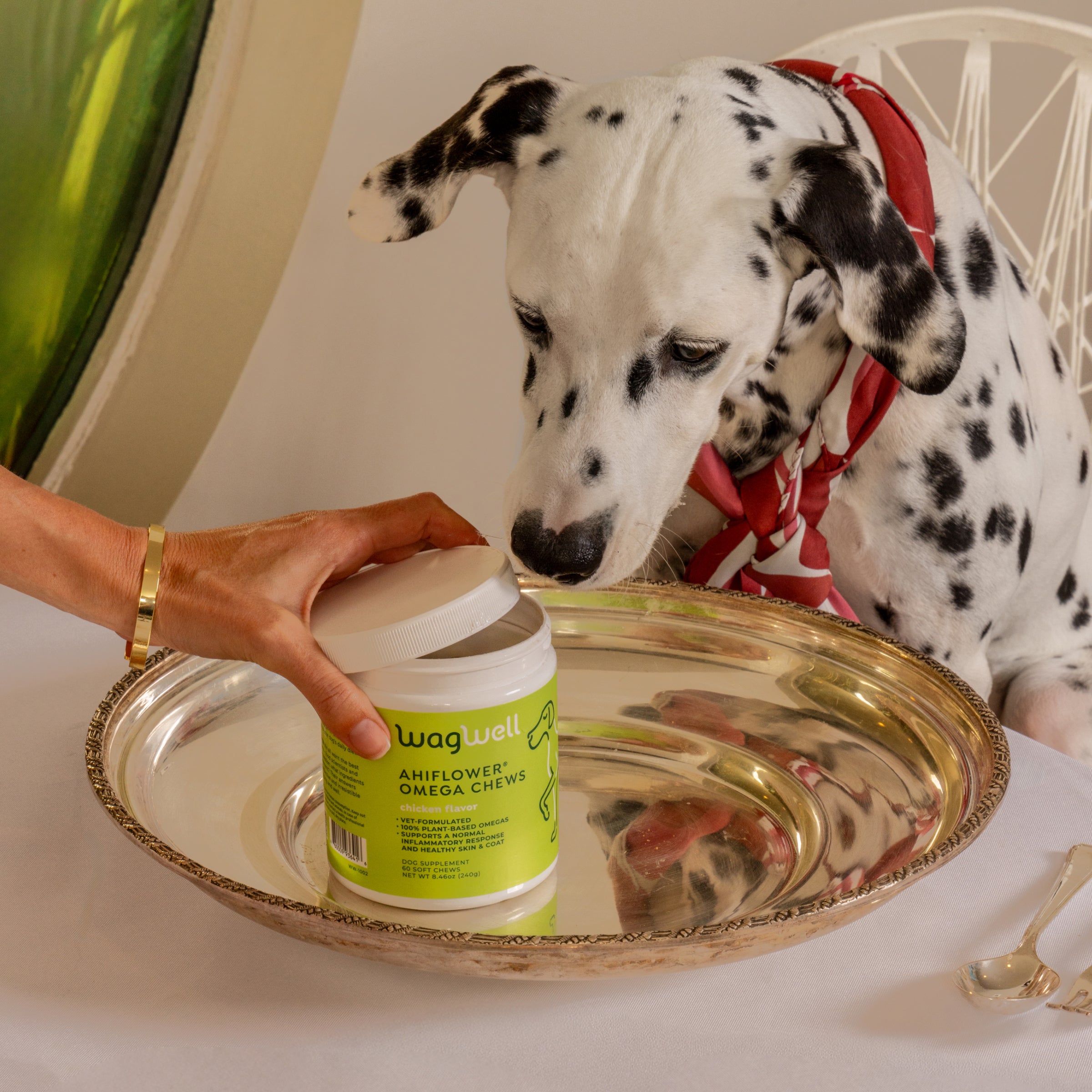
Supplementing meals adds real nutritional value without disrupting the schedule. Ahiflower Omega Oil adds a pump or two directly to existing meals. It delivers plant-based omega 3, 6, and 9 fatty acids with zero schedule disruption. Freeze-Dried Beef Topper sprinkles easily over regular food. It boosts protein and palatability for picky eaters without adding extra mealtime complexity.
Getting the Schedule Right for Your Dog
How many times a day should a dog eat depends on age, size, breed, and health status. Puppies need frequent small meals to support rapid growth and stable blood sugar. Most adult dogs do best with two meals spaced roughly 10 to 12 hours apart. Senior dogs may need adjustment based on individual health conditions. The Dog Aging Project findings introduce interesting questions about once-daily feeding for adult dogs. Your veterinarian remains the best resource for decisions about your specific dog. A consistent schedule, measured portions, and attentive observation keep your dog nourished and healthy long-term.
Sources:
How Often Should Dogs Eat and How Much Should You Feed Them?
Recent Articles


