


How often should you bathe your dog? Most dogs benefit from bathing every four to six weeks, though individual needs vary based on breed, coat type, activity level, skin conditions, and lifestyle factors. Regular bathing removes dirt, allergens, and odors while maintaining healthy skin and coat condition. However, excessive bathing strips natural oils that protect skin and coat, potentially causing dryness, irritation, and increased susceptibility to skin problems. Understanding your dog's specific needs helps you establish an appropriate bathing schedule that keeps them clean without compromising skin health.
Different dogs require different bathing frequencies. A Labrador who swims daily needs more frequent baths than an indoor Poodle receiving professional grooming every six weeks. Dogs with skin conditions may require weekly medicated baths, while others with naturally clean coats maintain freshness for months between full baths. This guide examines factors influencing bathing frequency, explains proper bathing techniques, and provides practical solutions for maintaining cleanliness between full baths.
Factors Determining Bathing Frequency
Multiple variables influence how often individual dogs require bathing to maintain optimal hygiene without causing skin problems.
Coat Type and Breed Considerations
The American Kennel Club notes that coat type dramatically affects bathing needs. Dogs with oily coats like Basset Hounds may need weekly baths to control odor and greasiness. Water-repellent double coats found in breeds like Golden Retrievers and Huskies require less frequent bathing, as overwashing removes protective oils needed for weather resistance.
Short-haired breeds with minimal undercoat typically need bathing every six to eight weeks unless they get particularly dirty. Long-haired breeds require more frequent bathing to prevent matting and maintain coat cleanliness, often every four to six weeks. Hairless breeds including Chinese Cresteds require weekly bathing despite lacking traditional coats. Their exposed skin produces oils and collects debris requiring regular cleansing.
Daily Cleansing Wipes help maintain skin health between baths in hairless and short-coated breeds prone to skin sensitivities.
Activity Level and Lifestyle
Active dogs who swim, hike, or play outdoors frequently need more regular bathing than sedentary indoor companions. Dogs rolling in mud, swimming in lakes, or exploring wooded areas collect dirt, debris, and potential parasites requiring prompt removal. Working dogs and those participating in dog sports may need weekly bathing during active seasons.
Indoor dogs living primarily in climate-controlled environments stay cleaner longer than outdoor dogs exposed to weather, dirt, and environmental allergens.
Skin Conditions and Allergies
Dogs with allergies or dermatological issues often benefit from frequent bathing using veterinary-prescribed shampoos. The Veterinary Teaching Hospital recognizes therapeutic bathing as an important treatment for various skin conditions. Medicated baths may be prescribed weekly or twice weekly to control infections, remove allergens, or treat specific dermatological problems.
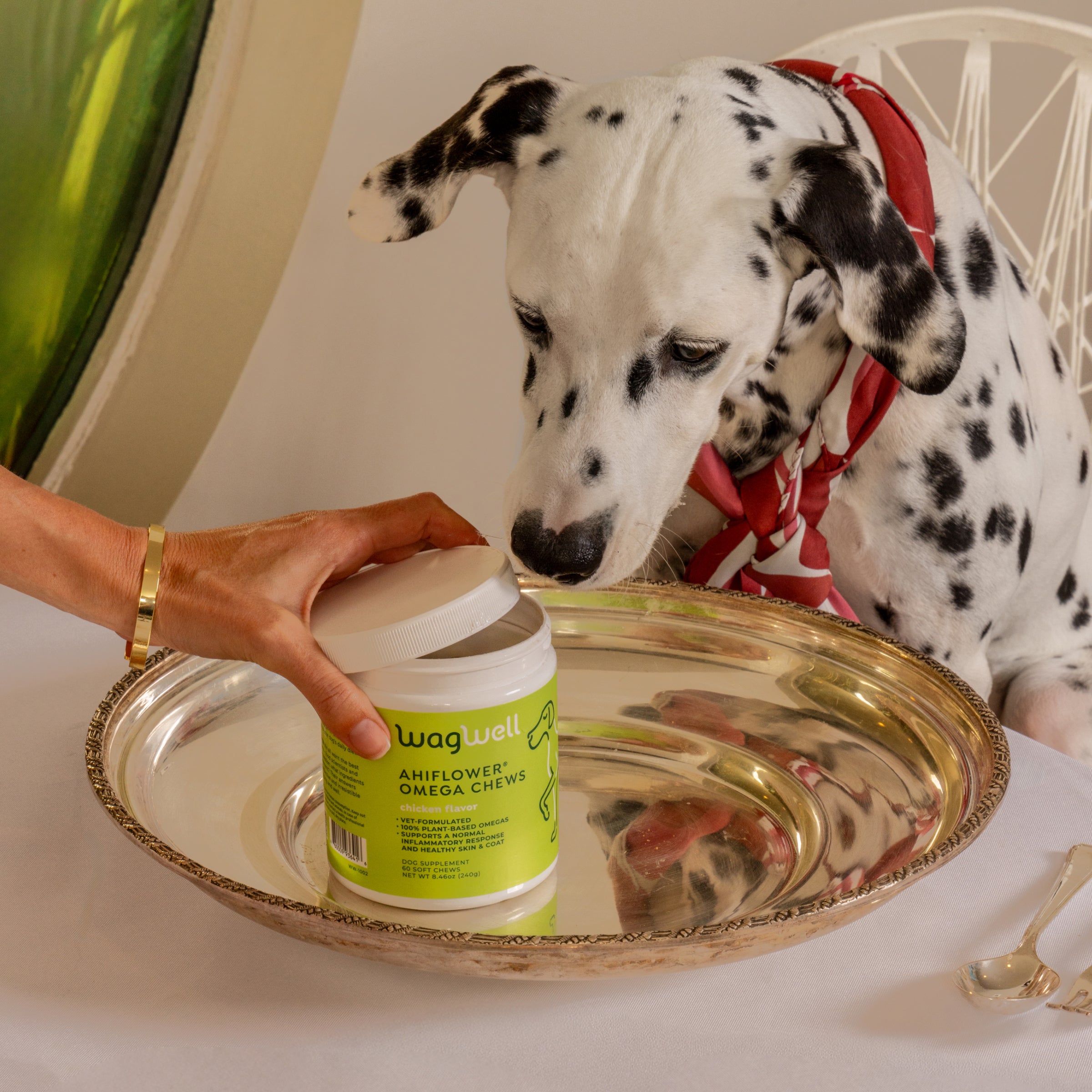
Allergy & Itch Chews support skin health from within through ingredients like colostrum, Ahiflower omega oil, and Epicor. These supplements complement topical care by addressing underlying inflammation and immune responses contributing to skin problems.
Signs Your Dog Needs a Bath
Recognizing indicators that your dog requires bathing helps you maintain appropriate hygiene without unnecessary overwashing.
Observable Indicators
Several clear signs indicate bath time has arrived:
-
Noticeable odor despite regular brushing and care
-
Visible dirt, mud, or debris in coat
-
Greasy or sticky coat texture
-
Dull, lackluster coat appearance
-
Scratching or skin irritation from accumulated allergens
-
Recent rolling in foul-smelling substances
Dogs with distinctive "dog smell" have likely accumulated enough skin oils and environmental particles to warrant bathing.
Seasonal Considerations
Spring and fall often bring increased shedding when dogs transition between seasonal coats. More frequent bathing during these periods helps remove loose undercoat and maintains skin health. Summer activities including swimming and outdoor adventures typically increase bathing needs.
The National Center for Biotechnology Information has published research showing that regular bathing removes environmental allergens from skin and coat, reducing allergic responses. During high pollen periods, allergic dogs benefit from more frequent bathing to minimize allergen exposure.
Proper Bathing Techniques
Correct bathing methods maximize cleanliness while protecting skin and coat health through gentle, effective practices.
Pre-Bath Preparation
Brush your dog thoroughly before bathing to remove loose hair, mats, and tangles. Water sets tangles, making them nearly impossible to remove after bathing. This pre-bath brushing also removes surface dirt, allowing shampoo to penetrate more effectively.
Gather all supplies before starting including appropriate shampoo, towels, and a non-slip mat for tub safety. Place cotton balls gently in ear canals to prevent water entry, which can cause infections.
Washing Process
Use lukewarm water, never hot, which can burn sensitive skin. Wet the coat thoroughly to the skin, which may take several minutes for thick double coats. Apply dog-specific shampoo diluted according to product instructions. Human shampoos have inappropriate pH levels for canine skin and should never be used.
Work shampoo through the coat gently, creating lather from skin outward. Avoid the face initially, focusing on the body, legs, and tail. Clean the face last using a washcloth to prevent shampoo from entering the eyes or ears. Rinse extremely thoroughly, as residual shampoo causes irritation and attracts dirt. Continue rinsing until the water runs completely clear with no suds remaining.
Post-Bath Care
Squeeze excess water from the coat gently before allowing your dog to shake. Towel dry thoroughly, using multiple towels for large or thick-coated breeds. Dogs with heavy coats benefit from blow drying on cool or low settings to prevent moisture retention that encourages bacterial or fungal growth.
Fur & Body Brush features soft silicone bristles that massage skin while distributing oils for a healthy, lustrous coat after bathing.
Alternatives to Full Baths
Maintaining cleanliness between full baths extends intervals while keeping dogs fresh and comfortable.
Spot Cleaning and Regular Grooming
Address localized dirt or odor through targeted cleaning rather than full baths. Wipe muddy paws with damp towels after walks. Clean face folds in breeds like Bulldogs and Pugs daily using gentle wipes to prevent bacterial growth and odor development. Waterless shampoos and dry shampoo sprays provide quick freshening for dogs who dislike bathing or when full baths prove impractical.
Daily brushing removes dirt, distributes natural oils, and prevents matting while reducing bathing frequency needs. Different coat types require specific brush types, from slicker brushes for long coats to rubber curry brushes for short-haired breeds.
Paw Protector creates protective barriers on paws, preventing dirt adhesion during outdoor activities. The balm's moisturizing properties also support healthy paw pad condition, reducing cracking that collects debris.
Special Bathing Considerations
Certain situations require modified bathing approaches or specific product selections.
Age and Health Considerations
Puppies can begin bathing around eight weeks old using gentle puppy-specific shampoos formulated for sensitive skin. Senior dogs may need assistance standing during baths and benefit from non-slip surfaces preventing falls. Mobility Chews support joint health in senior dogs, potentially making bathing activities more comfortable.
Consult your veterinarian before bathing dogs with open wounds, recent surgeries, or serious medical conditions. Some situations require modified bathing approaches or temporary bathing restrictions until healing occurs.
Shampoo Selection
Choose shampoos formulated specifically for dogs, matching products to your dog's needs. Oatmeal shampoos soothe sensitive skin. Hypoallergenic formulas suit dogs with allergies. Medicated shampoos address specific conditions under veterinary guidance. Avoid human products, dish soap, or harsh detergents that damage canine skin pH balance.
Establishing Your Dog's Bathing Routine
How often should you bathe your dog? Most dogs thrive on bathing every four to six weeks, though individual needs vary significantly based on coat type, activity level, skin health, and lifestyle factors. Active outdoor dogs and those with skin conditions may require weekly bathing, while indoor dogs with naturally clean coats extend intervals to eight weeks or longer. Watch for observable signs like odor, visible dirt, or coat dullness indicating bath time has arrived. Use proper techniques including thorough pre-bath brushing, lukewarm water, dog-specific shampoos, and complete rinsing to maximize benefits while protecting skin health. Between full baths, maintain cleanliness through regular brushing, spot cleaning, and products like Daily Cleansing Wipes that support ongoing hygiene without stripping protective oils.
Sources:
American Kennel Club. "How Often Should You Wash Your Dog?"
Veterinary Teaching Hospital "Safe bathing practices: Protecting your pet's skin"
National Center for Biotechnology Information. "Management of Canine Atopic Dermatitis."
Recent Articles


