


Cold temps, snow, and ice make your usual exercise routine pretty challenging. Your dog still needs physical activity and mental stimulation despite the brutal weather. The trick is balancing safety with meeting your dog's exercise needs all winter long.
Why Is Winter Exercise Important For Dogs?
Winter exercise is just as important as summer activity for keeping your dog healthy. Physical activity stops weight gain that sneaks up when dogs get less active in cold months. Mental stimulation from different activities keeps dogs from tearing up your house out of boredom.
Regular movement keeps joints healthy and flexible, which matters even more when it's cold. Dogs with arthritis usually feel worse when temperatures drop and they move around less. Dog joint supplements combined with steady exercise help manage stiffness and discomfort all winter.
What Happens When Dogs Don't Get Enough Winter Exercise?
Dogs who stay inactive all winter run into several health and behavior problems fast. Weight piles on quickly when they eat the same amount but barely move. Those extra pounds stress joints and organs while making life less enjoyable overall.
Behavioral issues pop up when energetic dogs can't burn off their natural energy. Destructive chewing, constant barking, and crazy hyperactive behavior at weird times all mean not enough exercise. The American Kennel Club points out that keeping consistent exercise routines year-round prevents these winter headaches.
How Does Cold Weather Affect Different Dog Breeds?
Breed type makes a huge difference in how well dogs handle winter exercise. Double-coated breeds like Huskies and Malamutes absolutely love cold weather and need tons of activity. Short-haired breeds like Greyhounds and Chihuahuas really struggle with cold and need shorter outdoor time.
Size matters when working out how to exercise your dog in winter safely. Small dogs lose body heat faster because of their size ratio. Large dogs usually handle cold better but might slip more on icy ground. Senior dogs and puppies both need extra care no matter what breed they are.
How To Exercise Your Dog In Winter Indoors?
Indoor exercise solves the problem of how to exercise your dog in winter when weather gets dangerous. Creating fun indoor activities stops both you and your dog from going stir-crazy during long cold spells.
Indoor activities work best when they mix physical movement with brain work. Your dog burns energy through both body and mind, which satisfies them way better. Switching up different activities keeps boredom away and maintains interest in indoor exercise.
What Indoor Activities Burn The Most Energy?
High-energy indoor activities help wear out your dog when going outside isn't possible. These work really well for breeds that need serious activity:
-
Staircase sprints give intense cardio when you throw toys up and down repeatedly.
-
Hide and seek games mix physical activity with mental work as your dog hunts for you.
-
Tug-of-war sessions build strength and create bonding time while burning lots of energy.
-
Indoor fetch works great in hallways or big rooms with soft toys.
-
Obstacle courses using furniture and random household items challenge body and brain together.
-
Training sessions for new tricks exercise the brain while getting your dog moving naturally.
Mental work tires dogs almost as much as running around does. Puzzle toys that give out treats keep dogs busy for a good while. Calming supplements help dogs chill out after intense indoor play when needed.
Can Treadmill Training Work For Dogs?
Treadmill training gives controlled indoor exercise no matter what's happening outside. Lots of dogs adapt pretty well to treadmills with the right introduction. Start super slow with the treadmill turned off, rewarding your dog for just standing on it.
Never force a dog onto a treadmill or leave them alone while using it. Some dogs just never get comfortable with treadmills despite your best training efforts. Other indoor exercises work way better for dogs who stay scared or resistant to treadmills.
What Outdoor Winter Exercise Options Work Best?
Outdoor winter activities give variety and fresh air that indoor stuff can't really match. Knowing how to exercise a dog in winter outdoors safely gets you maximum benefits with minimum risks.
Short outdoor sessions spread throughout the day often beat one long outing in really cold weather. Several 15-minute walks give enough exercise without too much cold exposure. This works especially well for small dogs and short-haired breeds that feel the cold more.
Here are outdoor winter activities that most dogs really enjoy:
-
Snowy fetch sessions let dogs burn energy while soft snow cushions their joints nicely.
-
Winter hiking on cleared trails gives mental stimulation from all the new smells and sights.
-
Snowshoe walks let you explore deeper snow while your dog happily follows along.
-
Playing in snow piles brings out natural digging and exploring behaviors dogs love.
-
Brisk walks at a good pace generate body heat while covering decent distances.
Research in the Journal of Veterinary Behavior shows varied outdoor experiences cut down anxiety and improve behavior. Winter scenery changes give novel stimulation that enriches your dog's whole sensory experience.
How To Exercise Your Dog In Winter Safely?
Safety becomes way more important when exercising dogs in winter weather. Temperature, wind chill, and ground conditions all affect how long and hard you should exercise.
Check weather conditions before heading out with your dog every single time. Wind chill makes actual temperatures feel way colder and dramatically increases frostbite risk. Wet conditions mixed with cold create hypothermia risk faster than just dry cold.
What Temperature Is Too Cold For Dog Exercise?
How well dogs handle cold varies a lot based on individual traits and how conditioned they are. Most dogs handle temperatures above 20°F pretty well when they're used to it. Below 20°F, watch really closely for discomfort signs and cut outdoor time way down.
Tiny dogs, senior dogs, and those with health issues need extra care below 32°F. These vulnerable pups might need outdoor time limited to just bathroom breaks. Indoor activities become the main exercise method when temperatures hit dangerous levels.
Watch for these warning signs that your dog's too cold during winter exercise:
-
Shivering means your dog's body is working overtime to make heat and needs warmth now.
-
Lifting paws over and over shows their paw pads hurt from the cold ground.
-
Not wanting to move forward signals your dog wants to go back inside right away.
-
Hunched posture with tail tucked suggests your dog feels uncomfortable and really cold.
-
Whining or seeming anxious shows stress from cold temps messing with their comfort.
How Can I Protect My Dog's Paws In Winter?
Paw protection stops injuries from ice, snow, and chemical de-icers on sidewalks. Dog boots give the best protection but take a gradual introduction for dogs to accept them. Most dogs hate boots at first but get used to them with patient, positive training.
Paw balms create a protective layer on paw pads before winter exercise outside. Put balm on 15 minutes before going out so it soaks in properly. Paw protection products prevent cracking and irritation from salt and cold surfaces.
Rinse and dry paws completely after every outdoor winter session to get rid of salt and chemicals. This stops irritation and keeps dogs from licking harmful de-icing stuff off their feet.
What Gear Does My Dog Need For Winter Exercise?
The right gear makes winter exercise safer and more comfortable for dogs needing extra protection. Not every dog needs clothing, but some definitely benefit from extra warmth.
Dogs with thin coats, not much body fat, or small size need jackets or sweaters outside. Waterproof options work best because wet fur loses its insulating power super fast. Gear should fit snugly without stopping movement or rubbing during activity.
Reflective gear gets extra important in winter when it gets dark way earlier. Lighted collars and reflective vests make dogs visible to cars and other people. Safety goes up a ton when drivers can actually see you and your dog clearly.
How Can I Keep My Dog Motivated In Cold Weather?
Good motivation tricks stop dogs from fighting in your winter exercise routine. Making activities fun and rewarding keeps dogs excited despite the uncomfortable cold temperatures.
Special high-value treats saved just for winter outings create positive feelings about cold weather. Playtime with favorite toys right after outdoor sessions reinforces good attitudes about going out. Your own enthusiasm in your voice and energy influences how your dog feels about winter activities.
Variety stops boredom that makes dogs resist routine winter exercise. Switch between different indoor activities, various outdoor spots, and change up walking routes regularly. New experiences keep interest way better than doing the same thing in the same place.
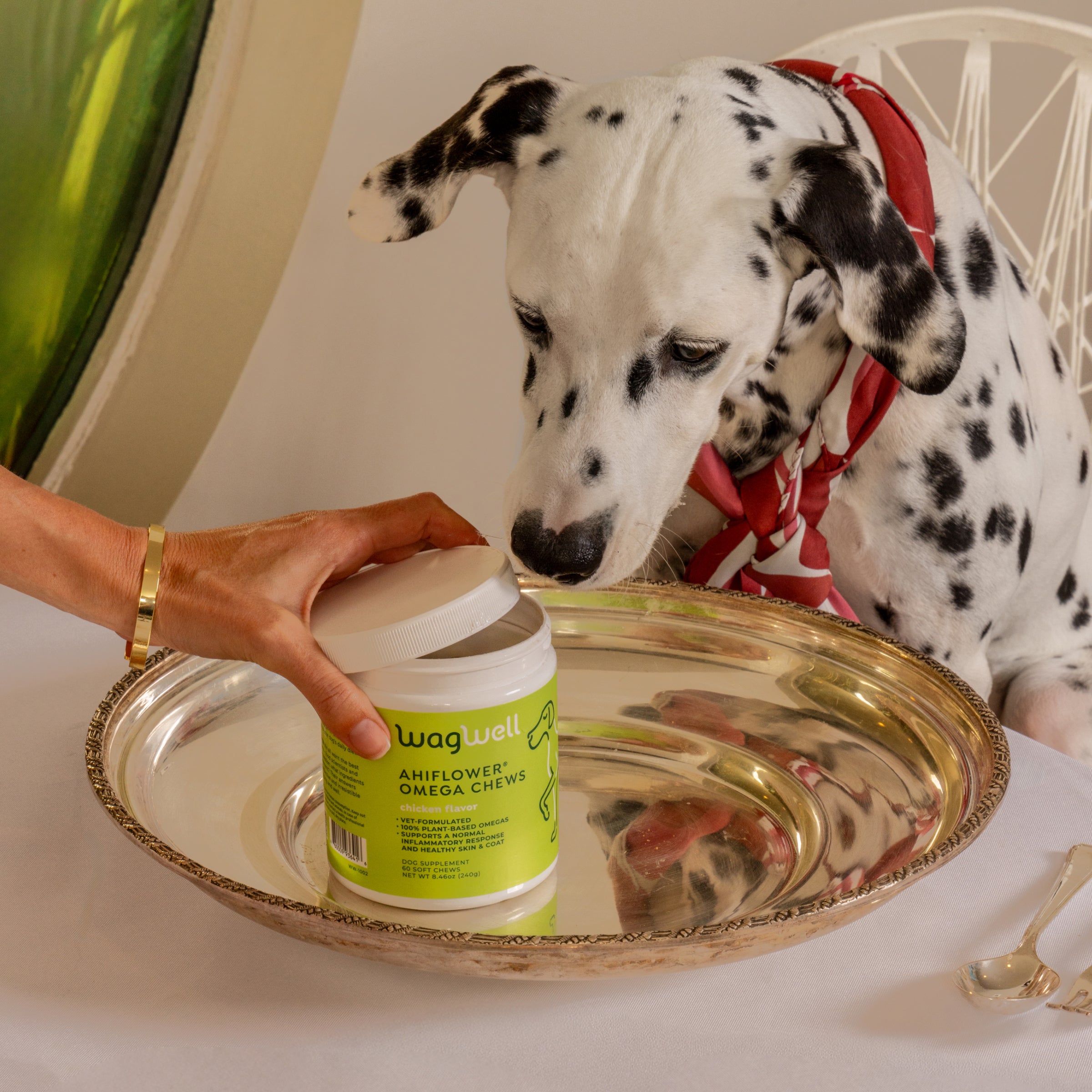
Supporting overall wellness helps dogs feel better during winter exercise all season long. Omega supplements reduce inflammation that cold weather makes worse in joints. Better mobility makes dogs more willing to stay active despite temperature challenges.
Sources:
-
American Kennel Club - Cold Weather Safety Tips for Dogs: https://www.akc.org/expert-advice/health/keep-dog-warm-winter-safety-tips/
-
Journal of Veterinary Behavior - Environmental Enrichment and Canine Behavior: https://www.sciencedirect.com/journal/journal-of-veterinary-behavior
-
American Veterinary Medical Association - Cold Weather Pet Safety: https://www.avma.org/resources-tools/pet-owners/petcare/cold-weather-animal-safety
Recent Articles


