


Your dog's paws take a beating during winter months. Understanding how to protect dog paws in winter saves them from serious pain and injury. Ice, snow, and road salt create problems faster than most people realize. Those sensitive paw pads need your help getting through the cold season safely.
Walking outside seems harmless until you notice your dog limping afterward. Chemical burns from sidewalk salt happen within minutes. Cracked pads bleed and take weeks to heal properly. Prevention stops these problems before they start.
This guide shares practical ways to keep paws healthy all winter. These strategies work whether you live somewhere with mild winters or heavy snow. Your dog's comfort depends on taking the right protective steps early.
What Winter Does to Unprotected Paws
Cold weather attacks paw pads from every angle. Freezing temperatures cause one set of problems. Ice and snow create another. Throw in sidewalk chemicals and you've got a recipe for injured paws.
Paw pads look tough on the surface. Underneath that rough exterior sits delicate tissue that damages easily. Once cold penetrates deep enough, real problems begin.
Direct Cold Damage
Frozen sidewalks and streets pull heat straight out of paw pads. Your dog's body responds by reducing blood flow to extremities. This protects vital organs but leaves paws vulnerable.
Prolonged contact with freezing surfaces causes frostbite surprisingly fast. The tissue literally freezes and dies. Paw pads turn pale or dark depending on severity.
The American Veterinary Medical Association warns frostbite can develop in under five minutes. Smaller dogs with less body mass face even faster damage. Short-legged breeds walk with bellies closer to frozen ground too.
Ice Crystals and Snow Injuries
Ice isn't just slippery for dogs. Sharp edges cut into paw pads creating tiny wounds. These cuts allow bacteria and chemicals to penetrate deeper layers.
Snow packs between toes forming painful ice balls. Your dog stops frequently trying to bite these out. The ice itself irritates while pulling on the fur between pads.
Chemical Burns From Deicers
Road salt and ice melt products burn paw pads on contact. Dogs instinctively lick their paws after walks. This moves toxic chemicals from paws into their digestive system.
Calcium chloride and sodium chloride both cause severe irritation. Even products labeled pet-safe can bother sensitive paws. Cracked pads absorb these chemicals faster making burns worse.
How To Protect Dog Paws In Winter Using Barriers
Physical protection shields paws from everything winter throws at them. Different products work better for different situations. Some dogs tolerate certain options better than others.
Protective Balms That Actually Work
Quality paw balms create a waterproof layer over sensitive pads. The waxy texture repels moisture while locking in natural oils. Good formulas also moisturize so pads don't crack.
Apply balm about 10 minutes before heading outside. This gives it time to absorb and form that protective barrier. Reapply after walks to soothe any irritation from the outing.
WagWell's Paw Protector combines coconut oil, beeswax, and jojoba seed oil naturally. The antimicrobial properties fight bacteria from cuts or cracks. This veterinary-approved balm is certified microbiome-friendly for safe daily use.
The formula moisturizes while forming a barrier against harsh conditions. It strengthens paw pads over time with consistent application. Works great on dry noses, elbows, and ears too.
Research published by the National Institutes of Health shows moisturizers significantly improve skin barrier function. Well-hydrated skin resists environmental damage better. This applies to paw pads just like any other skin.
Dog Boots for Maximum Coverage
Boots completely cover paws blocking all winter hazards. They keep paws dry, warm, and safe from chemicals. The tradeoff is that most dogs need time getting used to them.
Look for boots with adjustable straps that stay put during walks. Rubber or textured soles prevent slipping on ice. Waterproof materials matter more than you'd think for keeping paws dry.
Start boot training indoors with lots of positive reinforcement. Let your dog wear them for just a few minutes initially. Gradually increase time while offering tasty rewards for cooperation.
Boots make sense for long outdoor adventures in brutal conditions. They're essential if your dog already has paw injuries healing. Pair boots with balm underneath for extra protection.
Smart Winter Walking Habits
Where and when you walk matters as much as protective gear. Simple changes to your routine dramatically reduce paw exposure to danger. Most winter paw injuries are completely preventable with smart choices.
Pick Your Paths Carefully
Cleared sidewalks beat snowy paths in theory. Reality is those cleared areas usually have the most salt. Natural surfaces like grass or dirt trails are gentler on paws.
Watch where your dog steps throughout the entire walk. Steer them around visible salt piles and slushy puddles. Those puddles contain dissolved chemicals that burn just as badly.
The American Kennel Club suggests limiting walks to 10-15 minutes during extreme cold. Multiple short outings prevent overexposure to freezing conditions. Your dog still gets exercise without risking frostbite.
Time Your Outings Strategically
Midday walks take advantage of slightly warmer temperatures. Even a five-degree difference helps protect paws. Morning and evening walks expose paws to the coldest temps.
Avoid walking right after snow plows pass through. Fresh salt applications are most concentrated and damaging. Give chemicals time to disperse before venturing out.
Check the forecast before leashing up your dog. Wind chill drops the effective temperature significantly. What feels like 25 degrees might actually be 10 with wind factored in.
After-Walk Care That Prevents Problems
What happens after walks determines whether minor exposure becomes major injury. A solid post-walk routine removes harmful substances immediately. These few minutes prevent hours of pain later.
Clean Paws Before They Lick
Wipe or rinse all four paws the second you get inside. Don't wait even a few minutes. Dogs start licking paws almost immediately after walks.
Warm water dissolves salt and chemicals better than cold. Work between each toe where gunk hides. A gentle massage while cleaning lets you feel for any cuts.
Dog grooming wipes work perfectly for quick paw cleaning. These microbiome-friendly wipes clean without disrupting healthy skin bacteria. They hydrate while removing dirt and chemicals safely.
Dry paws thoroughly after cleaning to prevent moisture problems. Trapped water between toes leads to bacterial or fungal infections. Pat dry with a soft towel rather than rubbing hard.
Check for Damage Every Time
Examine each paw carefully after winter walks. Early detection catches problems while they're still minor. Left untreated, small cracks become infected wounds.
Common winter paw damage includes these specific injuries:
-
Cracks in paw pads that may ooze or bleed
-
Redness or raw spots from chemical contact
-
Cuts from ice between toes or on pad surfaces
-
Swelling that suggests possible frostbite
-
Limping or excessive licking indicating pain
Serious injuries need veterinary attention right away. Deep cracks can get infected quickly. Frostbite causes permanent tissue damage without proper treatment.
Minor issues respond well to immediate balm application. Paw Protector soothes irritation while creating a healing environment. The natural ingredients reduce inflammation and prevent infection.
Nutrition for Healthy Paw Pads
What goes into your dog's body affects paw health from inside out. Certain nutrients specifically strengthen skin including paw pads. Good nutrition makes paws more resistant to winter damage.
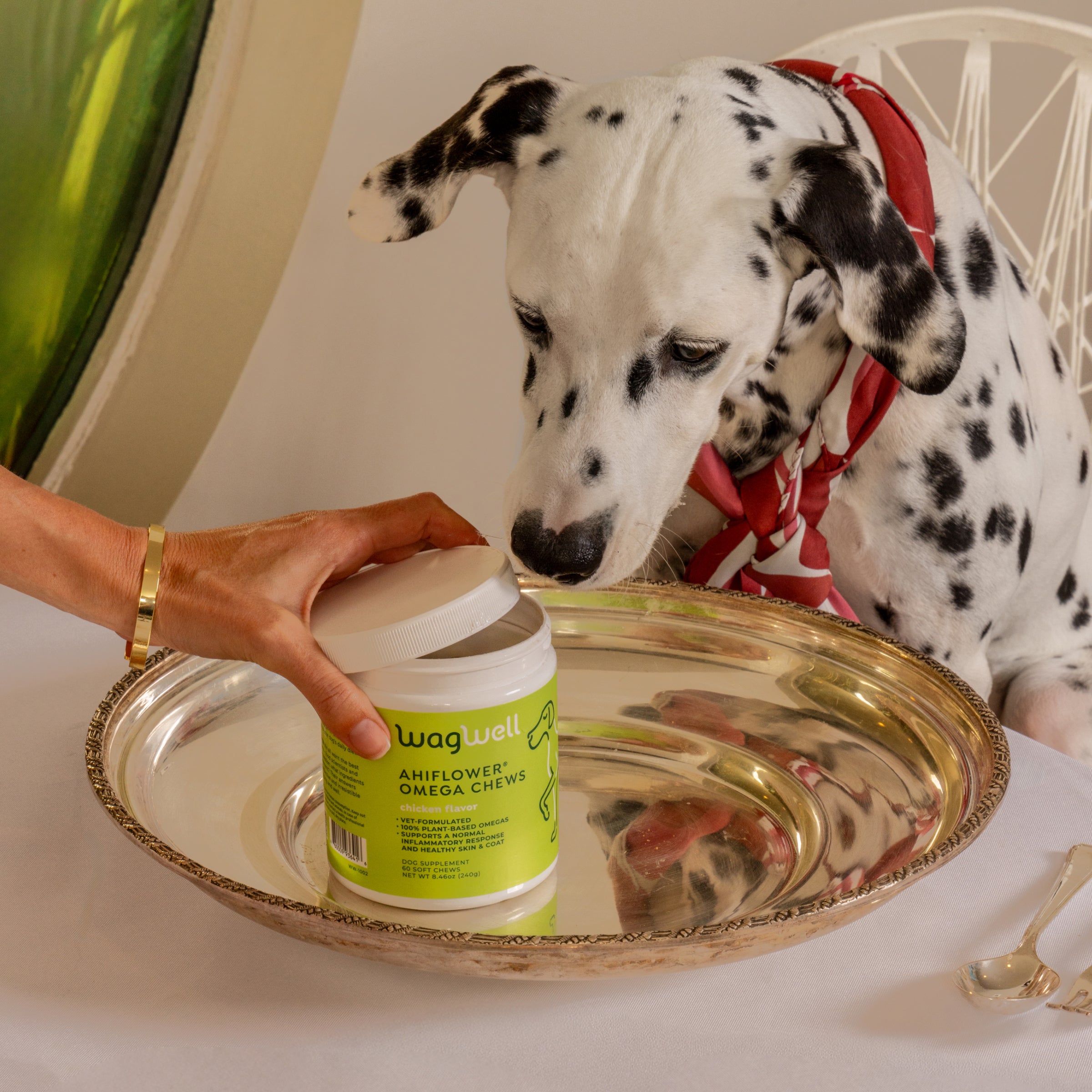
Omega fatty acids maintain the skin's protective barrier function body-wide. These nutrients also calm inflammation and speed healing. Plant-based omega supplements deliver complete omega 3, 6, and 9 without fishy side effects.
Quality protein provides building blocks for tissue repair. Damaged paw pads heal faster with adequate protein intake. Biotin supports healthy skin growth and strength throughout.
Don't forget about hydration during winter months. Dry indoor heating removes moisture from air and skin. Keep fresh water available so your dog drinks enough daily.
Winter Paw Care Made Simple
Learning how to protect dog paws in winter doesn't require complicated routines. Barrier products shield paws from cold and chemicals effectively. Smart walking strategies minimize dangerous exposure.
Consistent after-walk care removes harmful substances before damage occurs. Regular inspections catch small problems before they become big ones. Indoor exercise options keep dogs active when conditions turn dangerous.
Winter walks don't have to mean injured paws. Simple preventive steps throughout the season stop most problems. Your dog depends on you protecting their paws from winter's worst.
WagWell's paw care products combine veterinary expertise with natural ingredients. Consistent protection keeps paws healthy from first frost to spring thaw. Every dog deserves comfortable paws all winter long.
Sources:
-
American Veterinary Medical Association. "Cold Weather Safety Tips." https://www.avma.org/resources-tools/pet-owners/petcare/cold-weather-animal-safety
-
National Institutes of Health. "Role of Moisturizers in Skin Barrier Function." https://www.ncbi.nlm.nih.gov/pmc/articles/PMC6628274/
-
American Kennel Club. "Winter Safety: Protecting Your Dog from Cold Weather." https://www.akc.org/expert-advice/health/keep-dog-warm-winter-safety-tips/
Recent Articles


