


Learning how to take care of a dog well involves far more than food and water. Dogs need consistent veterinary attention, proper nutrition, mental stimulation, and a home environment that supports both their physical health and emotional wellbeing. Getting these fundamentals right from the start builds a foundation for a long, healthy life together.
Many new dog owners focus heavily on the exciting parts of pet ownership, walks, toys, and training, while overlooking the preventive care that keeps dogs healthy long term. Understanding what dogs actually need across every area of their care helps you avoid common mistakes and gives your dog the best possible quality of life.
How To Take Care Of A Dog: Preventive Veterinary Health
Preventive healthcare forms the backbone of responsible dog ownership. Catching health issues early, before symptoms become severe, consistently produces better outcomes and lower long-term costs than reactive treatment.
Routine Screenings and Wellness Visits
A peer-reviewed study published by the National Institutes of Health evaluated the critical role of routine veterinary health screenings and diagnostic blood panels in maintaining canine wellness. The research found that regular screening identifies clinically significant abnormalities in dogs who show no outward symptoms, allowing intervention well before disease progression becomes advanced. Annual wellness visits for adult dogs, and biannual visits for seniors, give veterinarians the opportunity to catch these silent changes through physical examination and bloodwork.
Blood panels evaluate kidney function, liver enzymes, thyroid levels, and complete blood counts. These values shift gradually as disease develops, often long before a dog shows any visible signs of illness. Establishing baseline bloodwork in early adulthood gives your veterinarian a comparison point for detecting meaningful changes as your dog ages.
Vaccinations and Parasite Prevention
The University of Illinois College of Veterinary Medicine outlines comprehensive guidelines for canine preventive care, emphasizing core vaccination protocols and year-round parasite prevention as non-negotiable components of dog ownership. Core vaccines protect against rabies, distemper, parvovirus, and adenovirus, diseases that carry significant morbidity and mortality risk without immunization.
Parasite prevention deserves equal attention. Heartworm disease, transmitted by mosquitoes, causes serious cardiac and pulmonary damage and requires expensive, risky treatment once established. Monthly preventive medication is dramatically safer and more affordable than treating an active infection. Flea and tick prevention protects against secondary issues including tapeworm infection and tick-borne diseases like Lyme disease and ehrlichiosis.
Dental and Weight Management
Illinois's guidelines also highlight oral health management and ideal weight maintenance as frequently overlooked preventive care areas. Dental disease affects the majority of dogs by age three and contributes to systemic health problems beyond the mouth, including cardiac and kidney stress from chronic bacterial exposure. Regular tooth brushing, dental chews, and professional cleanings when recommended by your veterinarian all reduce this risk substantially.
Weight management directly affects joint health, cardiovascular function, and overall lifespan. Overweight dogs face elevated risk for osteoarthritis, diabetes, and reduced life expectancy. Regular body condition scoring during veterinary visits helps you adjust feeding amounts before excess weight becomes established.
How To Take Care Of A Dog: Nutrition and Daily Needs
Beyond veterinary care, daily nutrition and physical needs determine how well your dog thrives between checkups. These fundamentals require consistency rather than complexity.
Feed a complete and balanced commercial diet appropriate for your dog's age, size, and activity level. Puppies need higher protein and calorie density to support growth. Senior dogs often benefit from adjusted formulas that support joint health and manage slower metabolism. Fresh water should be available at all times, with bowls cleaned regularly to prevent bacterial buildup.
Consider these daily care essentials:
-
Feed measured portions at consistent times rather than free-feeding
-
Provide daily exercise appropriate to your dog's breed and age
-
Groom regularly, including brushing, nail trims, and ear checks
-
Maintain a predictable routine that reduces stress and supports house training
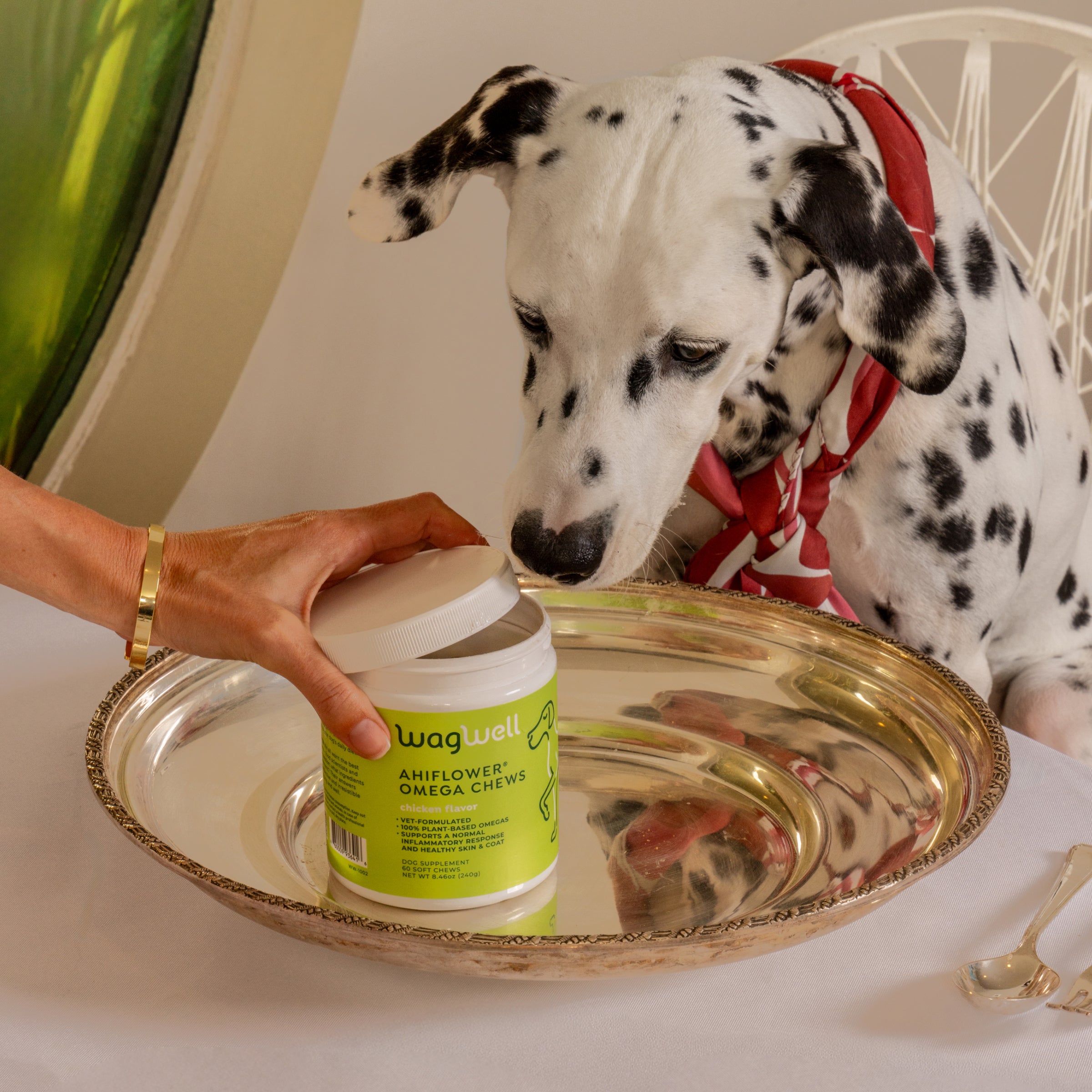
Supporting your dog's nutrition with quality supplementation fills gaps that even good commercial diets sometimes leave. Ahiflower Omega Oil provides plant-based omega 3, 6, and 9 fatty acids that support skin, coat, joint, and cardiovascular health without the digestive upset associated with traditional fish oil. For dogs prone to joint stiffness as they age, Mobility Chews combine glucosamine, chondroitin, and omega fatty acids to support cartilage health proactively rather than reactively.
How To Take Care Of A Dog: Training and Mental Wellbeing
Physical health is only part of responsible dog care. Mental stimulation, training, and emotional wellbeing matter just as much for a dog's overall quality of life.
Why Reward-Based Training Works Best
Peer-reviewed research published in PMC analyzed the efficacy of reward-based dog training methods compared to aversive techniques. The study found that positive-reinforcement training produced better behavioral outcomes and significantly lower stress indicators in dogs than punishment-based approaches. Dogs trained with rewards showed fewer signs of anxiety, better learning retention, and stronger bonds with their owners.
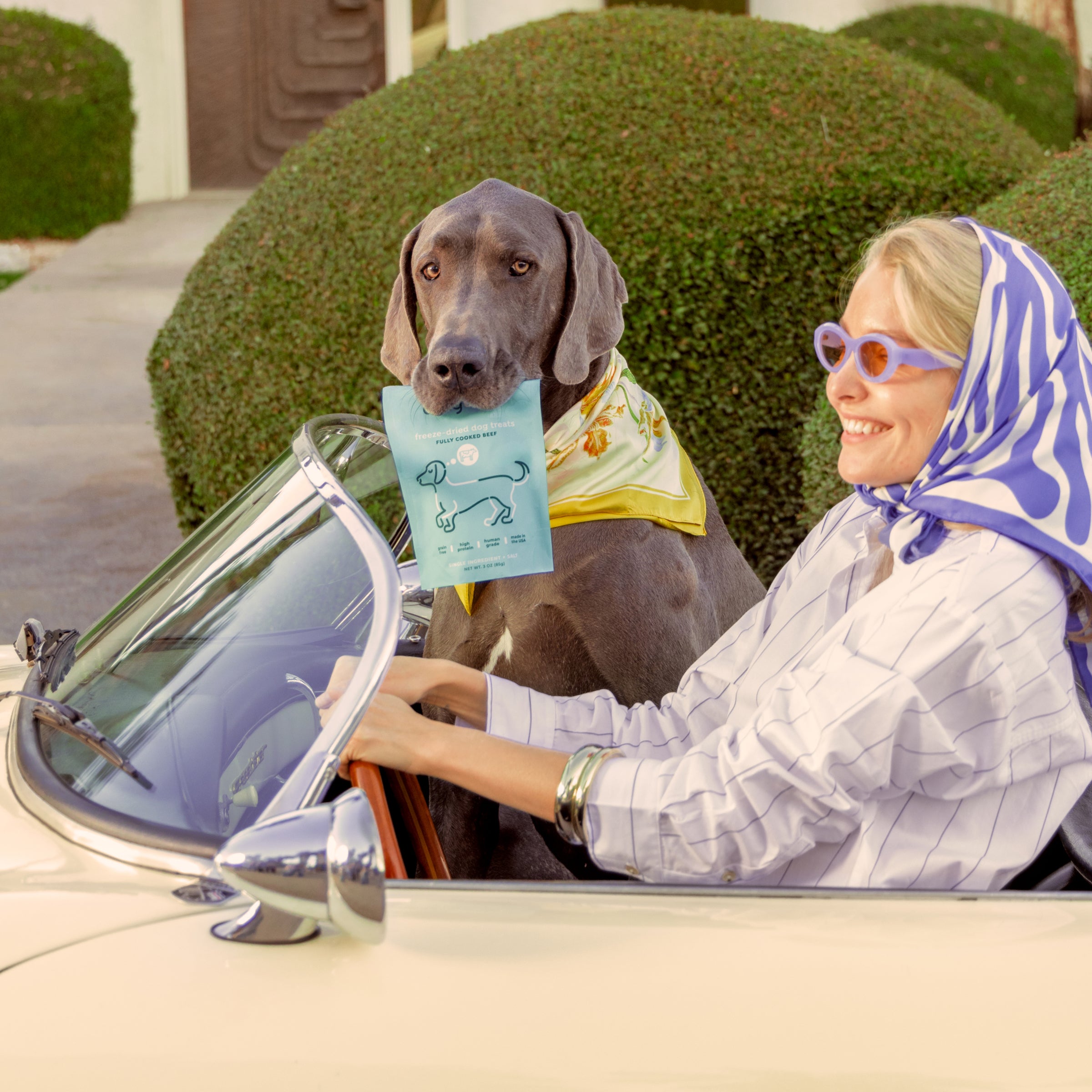
This research reinforces what many veterinary behaviorists have advocated for years. Training built around rewarding desired behavior, rather than punishing unwanted behavior, produces a more confident, cooperative dog. Consistency and patience matter more than intensity. Short, frequent training sessions using high-value treats keep dogs engaged without overwhelming them.
Mental Enrichment Beyond Training
Dogs need mental stimulation beyond basic obedience training. Puzzle toys, scent games, and rotating toy selections prevent the boredom that often drives destructive behavior. Daily walks provide sensory enrichment through new smells and environments, not just physical exercise. Dogs experiencing anxiety around specific triggers, such as thunderstorms or separation, may benefit from additional behavioral support alongside training. Calming Chews formulated with chamomile, passionflower, and full spectrum hemp oil support emotional balance during stressful situations without sedating your dog.
Building a Complete Care Routine
Taking proper care of a dog means weaving preventive veterinary care, quality nutrition, and positive training together into a consistent routine. None of these areas function well in isolation. A dog eating a great diet but missing annual bloodwork may have an undetected health issue. A dog receiving excellent veterinary care but no mental stimulation may develop behavioral problems that stress the household.
Start with the fundamentals: a trusted veterinarian, a complete diet, consistent exercise, and reward-based training. Layer in targeted supplementation for your dog's specific needs, whether that is joint support, skin and coat health, or emotional balance. Stay attentive to changes in behavior, appetite, or energy level, since these are often the earliest signals that something needs attention.
Responsible dog ownership is an ongoing commitment rather than a single set of tasks to complete. The investment of time and consistency pays off in a healthier, happier dog throughout every stage of their life.
Sources:
Preventive Healthcare Screening and Clinical Parameters in Dogs.
Comprehensive Guidelines for Canine Preventive Care and Wellness.
Recent Articles


