



Is Greek yogurt good for dogs, and should you be adding it to your pup's bowl? Many pet parents reach for Greek yogurt as a wholesome treat, drawn to its thick texture and reputation as a health food. The short answer is yes, plain unsweetened Greek yogurt is generally safe for most dogs in moderation. The longer answer involves understanding which types work, which ones pose serious risks, and how to introduce yogurt without upsetting your dog's digestive system.
Greek yogurt differs from regular yogurt in several meaningful ways for dogs. The straining process removes excess liquid whey, leaving behind a thicker product with higher protein content and lower lactose levels. Lower lactose matters because many dogs struggle to digest dairy after puppyhood. That reduced lactose load makes Greek yogurt a more digestible option than standard varieties for dogs with mild dairy sensitivities. Still, not every dog handles it well, and the type of Greek yogurt you choose makes a significant difference in whether it helps or harms.
What Makes Greek Yogurt Safe or Dangerous for Dogs
Not all Greek yogurt belongs in your dog's bowl. The ingredient list determines everything. Understanding what to look for before opening a container protects your dog from serious harm.
The Xylitol Risk
The most important thing to check before giving your dog any yogurt is the sweetener list. According to PetMD, xylitol is a sugar substitute found in many flavored and sugar-free yogurt products that causes severe liver damage, dangerously low blood sugar, and can be fatal in dogs. Even a small amount warrants an emergency veterinary visit. Never assume a product is xylitol-free based on packaging alone. Read every ingredient line carefully, every single time, because manufacturers change formulations without notice.
Xylitol sometimes appears under the name birch sugar on ingredient labels. Both names refer to the same compound with the same toxic effect on dogs. If you see either term, that yogurt stays out of your dog's reach entirely.
Sugar and Fat Content
Flavored Greek yogurts, including vanilla, strawberry, peach, and honey varieties, contain sugar levels that cause vomiting, diarrhea, and weight gain in dogs. Obesity is a significant health concern for dogs, and calorie-dense human foods contribute to it faster than most pet parents realize. Full-fat Greek yogurt adds unnecessary calories and fat that strain the digestive system and pancreas. High fat intake over time increases the risk of pancreatitis, a serious and painful condition requiring veterinary treatment.
Plain, low-fat, unsweetened Greek yogurt avoids these concerns. The simpler the ingredient list, the safer the product for your dog.
Is Greek Yogurt Good For Dogs: Potential Benefits
When chosen carefully, Greek yogurt offers some genuine nutritional value for dogs. The American Kennel Club notes that yogurt is high in calcium and protein, both of which support muscle development and strong bones. Greek yogurt specifically delivers more protein per serving than regular yogurt due to the straining process that concentrates nutrients.
Greek yogurt also contains live cultures that act as probiotics supporting gut health. Here is what plain Greek yogurt provides nutritionally for dogs:
-
Calcium for bone and dental health
-
Protein to support muscle maintenance and development
-
Probiotics that support digestive balance
-
B vitamins that aid energy metabolism
-
Phosphorus for kidney function and bone strength
One important clarification about probiotics: while Greek yogurt does contain beneficial cultures, the quantity a dog would need to eat to receive meaningful probiotic benefit exceeds safe serving sizes. Dogs who need probiotic support for digestive conditions are better served by a targeted supplement formulated specifically for canine gut health. Greek yogurt works well as an occasional treat with incidental probiotic value, not as a replacement for dedicated supplementation.
Is Greek Yogurt Good For Dogs: Risks to Know
Understanding the risks helps you make informed decisions about how often and how much Greek yogurt to offer. Dr. Julie Buzby, an integrative veterinarian, points out that the health benefits of yogurt for dogs are often overstated, and that some dogs simply cannot tolerate lactose in any amount.
Lactose Intolerance in Dogs
Most dogs produce less lactase, the enzyme needed to break down lactose, after weaning. This means dairy products cause digestive upset in a significant portion of the dog population. Signs that your dog cannot tolerate Greek yogurt include:
-
Loose stool or diarrhea within a few hours of eating
-
Excessive gas or bloating
-
Vomiting or nausea
-
Abdominal discomfort or restlessness
If your dog shows any of these signs after trying Greek yogurt, discontinue it and consult your veterinarian before trying again. Some dogs with lactose sensitivity tolerate small amounts of Greek yogurt because of its lower lactose content, while others cannot handle any dairy at all. Individual response varies and cannot be predicted by breed or size alone.
Pancreatitis Concern
Feeding full-fat Greek yogurt regularly introduces fat levels that stress the pancreas. Pancreatitis develops when the pancreas becomes inflamed, causing severe abdominal pain, vomiting, lethargy, and appetite loss. The condition ranges from mild to life-threatening and often requires hospitalization. Stick to low-fat varieties and treat Greek yogurt as an occasional addition rather than a daily staple.
How to Feed Greek Yogurt to Dogs Safely
Portion control and introduction pace determine whether Greek yogurt becomes a positive treat or a digestive problem. Start with a very small amount, roughly half a teaspoon for small dogs and one teaspoon for larger dogs, and watch your dog's response over 24 hours before offering more.
These serving methods keep Greek yogurt both safe and enjoyable:
-
Spoon a small amount directly on top of your dog's regular meal
-
Freeze plain Greek yogurt in ice cube trays for a cool summer treat
-
Mix with Freeze-Dried Beef Topper to create a nutrient-dense food topper
-
Stuff a small amount into a chew toy and freeze for extended enrichment
Always cap yogurt at no more than 10 percent of your dog's daily caloric intake. Treats of any kind, including healthy ones, displace the balanced nutrition provided by your dog's main diet when given in excess. Dogs on prescription diets or with known health conditions should not receive any new foods, including Greek yogurt, without veterinary approval.
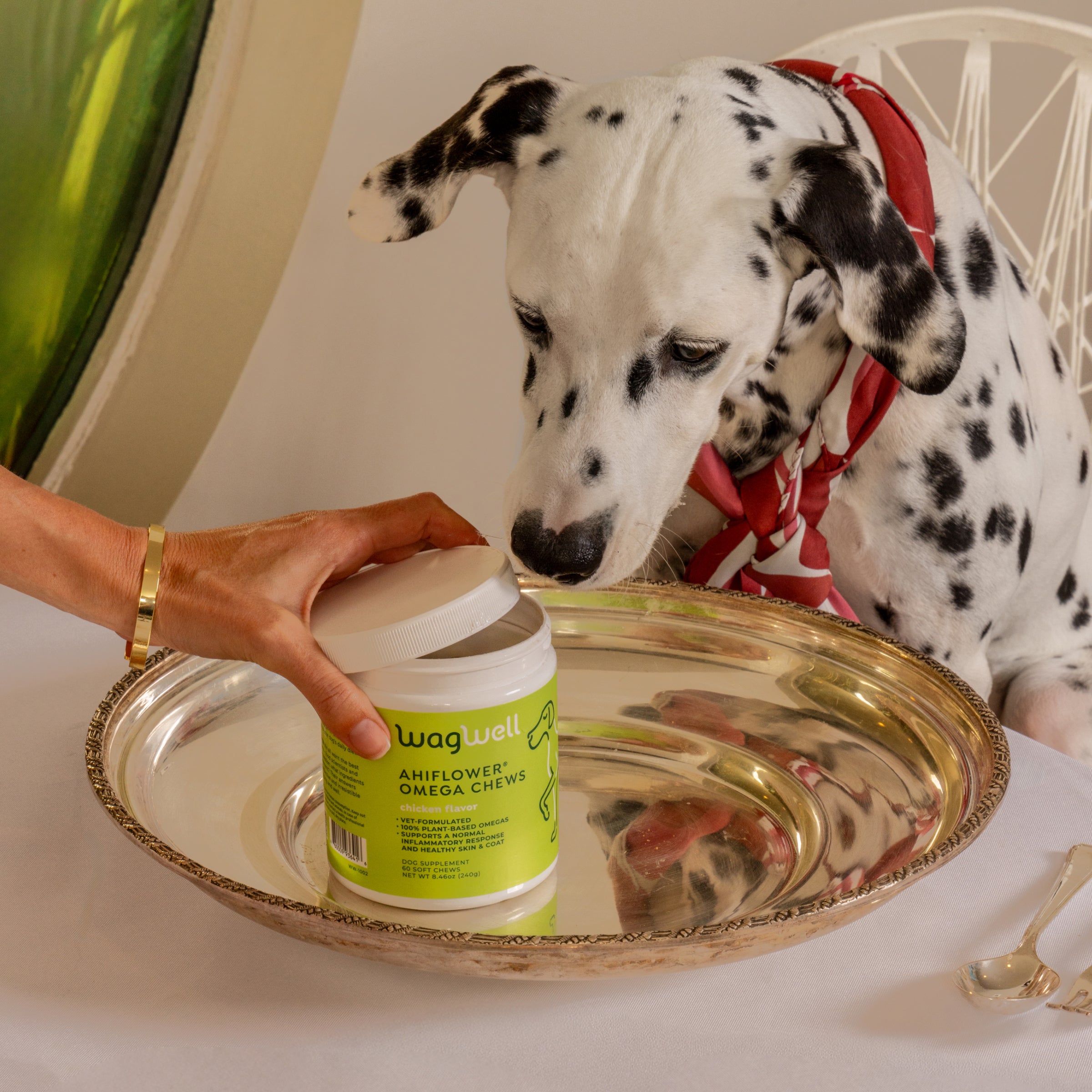
Pair Greek yogurt treats with consistent daily nutrition that covers all essential fatty acids. Ahiflower Omega Oil added to meals provides plant-based omega 3, 6, and 9 fatty acids that support skin, coat, joint, and immune health without the digestive concerns that dairy sometimes brings. It works as a food topper alongside or instead of yogurt on days when your dog needs something gentle on the stomach.
The Right Answer for Your Dog
Is Greek yogurt good for dogs? Plain, unsweetened, low-fat Greek yogurt is safe and mildly beneficial for most dogs in small amounts. The key word is most. Dogs with lactose intolerance, pancreatitis history, obesity, or prescription dietary needs require veterinary guidance before adding any new food, including yogurt. For healthy dogs without dairy sensitivities, a small amount of plain Greek yogurt offers calcium, protein, and some probiotic activity as part of a varied treat rotation. Choose carefully, read labels every time, and let your individual dog's digestive response guide how often you offer it.
Sources:
American Kennel Club. Can Dogs Eat Yogurt?
Dr. Buzby's ToeGrips. Is Yogurt Good for Dogs? What about Greek Yogurt? A Vet Answers.
Recent Articles


