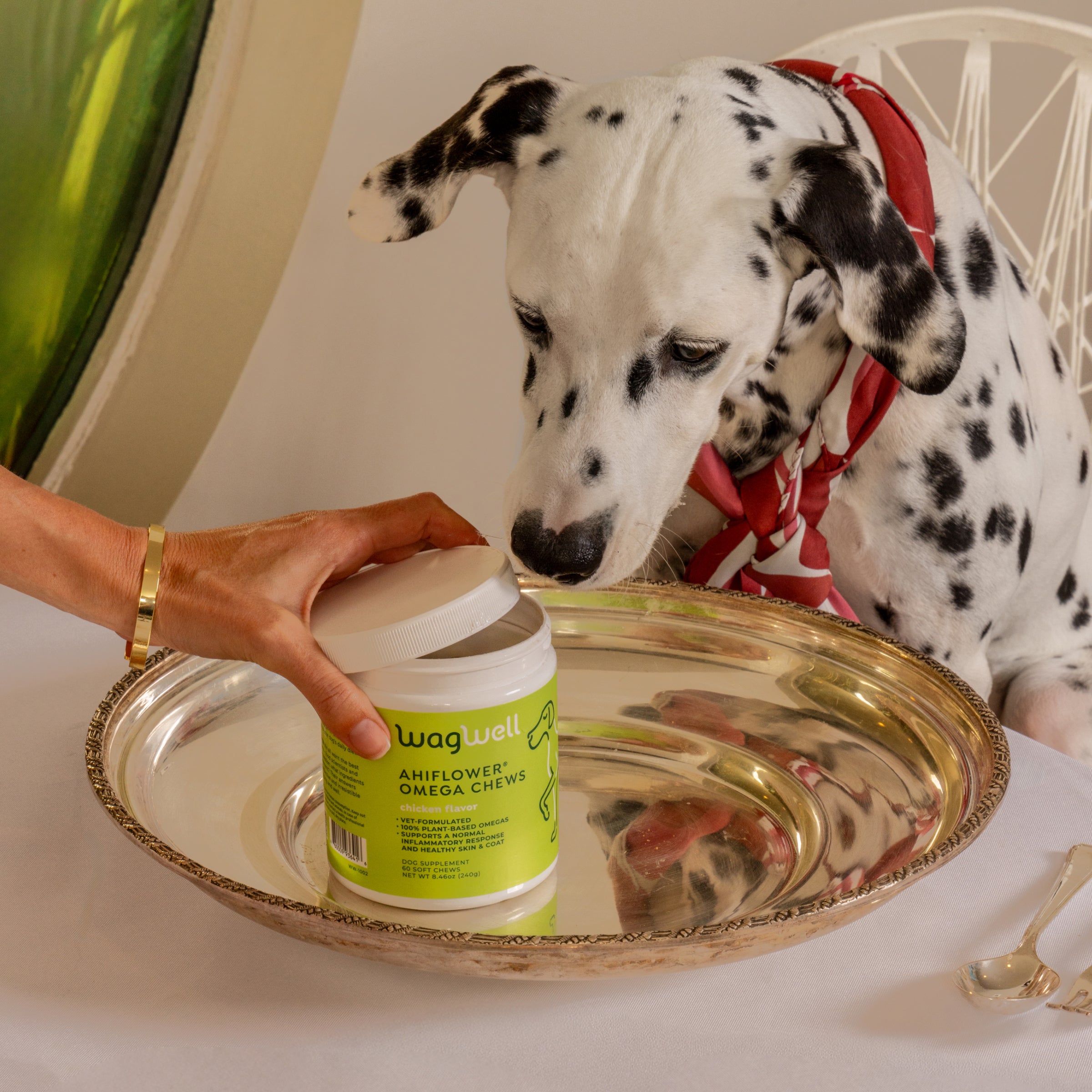




A bringing home a new puppy checklist ensures you have everything ready before your furry friend arrives. The excitement of welcoming a puppy into your home can quickly turn overwhelming without proper preparation and essential supplies. A comprehensive checklist helps you create a safe, comfortable environment while establishing healthy routines from day one. Smart preparation prevents last-minute shopping trips and reduces stress for both you and your new companion.
Puppies require specific items that support their rapid growth, development, and learning during critical early months. Unlike adult dogs, young puppies need age-appropriate nutrition, smaller equipment, and extra safety measures to protect their curious nature. The right supplies make training easier, keep your puppy healthy, and prevent destructive behaviors that stem from boredom or anxiety.
Your new puppy checklist should cover five essential categories, including nutrition and feeding supplies, health and safety items, comfort and rest necessities, training equipment, and grooming tools. Each category plays a vital role in your puppy's physical health, emotional wellbeing, and successful integration into your family. Investing in quality essentials now saves money and frustration later while giving your puppy the best possible start.
Essential Supplies for Your New Puppy Checklist
Every new puppy checklist begins with fundamental supplies that meet basic needs for nutrition, comfort, and daily care. These items form the foundation of responsible puppy ownership and support healthy development.
Feeding and Water Essentials
Proper nutrition starts with the right equipment and high-quality food designed for growing puppies. Your feeding station needs several key components:
-
Stainless steel or ceramic bowls that resist tipping and bacterial growth
-
A separate water bowl kept filled with fresh water throughout the day
-
Puppy-specific food recommended by your veterinarian or breeder
-
Measuring cup for accurate portion control
-
Raised feeding station for larger breed puppies to prevent strain
According to the American Kennel Club, puppies require multiple small meals daily rather than one or two large servings. Choose food formulated specifically for puppies with appropriate protein, fat, and calcium levels. Large breed puppies need different nutritional ratios than small breeds to support proper bone development. Food toppers like Freeze-Dried Beef Topper can encourage picky eaters while adding high-quality protein to meals.
Comfort and Rest Items
Puppies sleep up to 18 hours daily, making comfortable rest areas essential for growth and development. Create dedicated sleeping spaces with these items:
-
Appropriately sized crate for house training and safe confinement
-
Soft bedding or crate pad for cushioning and warmth
-
Blankets with familiar scents from the breeder
-
Designated sleeping area away from high-traffic zones
-
Baby gates to restrict access to unsafe areas
The crate should allow your puppy to stand, turn around, and lie down comfortably without excessive extra space. Too much room encourages bathroom accidents inside the crate. Many crates include dividers that adjust as puppies grow, eliminating the need for multiple purchases.
Health and Safety Items
Protecting your puppy's health requires proactive measures and essential supplies. These items prevent illness, manage emergencies, and establish good veterinary care from the start.
Medical Care Necessities
Schedule a veterinary appointment within the first week of bringing your puppy home. Prepare for health management with these supplies:
-
Contact information for your veterinarian and emergency clinic
-
Vaccination records from the breeder or shelter
-
Collar with identification tags, including your phone number
-
Microchip registration is already implanted
-
Pet first aid kit with gauze, tape, and antiseptic
-
Flea and tick prevention recommended by your veterinarian
Research published by the American Veterinary Medical Association emphasizes finding a veterinarian before emergencies arise. Establish a relationship early so your vet understands your puppy's baseline health. Discuss vaccination schedules, parasite prevention, and spay or neuter timing during initial visits.
Puppy-Proofing Supplies
Young puppies explore their environment through chewing and investigation. Protect your home and your puppy with these safety items:
-
Electrical cord covers to prevent electrocution
-
Cabinet locks for areas containing chemicals or medications
-
Trash cans with secure lids
-
Remove toxic plants from accessible areas
-
Store shoes, clothing, and small objects out of reach
The National Center for Biotechnology Information reports that accidental poisoning ranks among the top veterinary emergencies in puppies. Keep the pet poison control hotline number readily available. Daily Cleansing Wipes help maintain paw hygiene after outdoor exploration, reducing tracked-in dirt and potential irritants.
Training and Behavior Essentials on Your New Puppy Checklist
Successful training shapes your puppy into a well-mannered adult dog. Include these items on your new puppy checklist to establish positive behaviors early.
Training Tools and Rewards
Positive reinforcement training requires consistency and appropriate rewards. Stock up on these training essentials:
-
High-value training treats are in small, soft pieces
-
Clicker for marker-based training
-
Standard six-foot leash for controlled walks
-
Properly fitted collar or harness
-
Long training lead for recall practice
-
Treat pouch for convenient access during sessions
Freeze-Dried Cheese Treats work exceptionally well for training because the single-ingredient formula provides high motivation without fillers or additives. Break treats into tiny pieces so your puppy can consume many rewards during training sessions without excessive calories.
Mental Stimulation and Exercise
Puppies need appropriate outlets for energy and natural behaviors. Prevent destructive habits with these engagement tools:
-
Age-appropriate chew toys made from safe materials
-
Puzzle toys that dispense treats or kibble
-
Tug toys for interactive play
-
Fetch toys sized correctly for your puppy's mouth
-
Rotating toy selection to maintain interest
Choose durable toys without small parts that could break off and cause choking. Supervise play sessions until you know which toys your puppy uses safely.
First Week Preparations
Your new puppy checklist should include specific preparations for the critical first week. This transition period sets the tone for your relationship and establishes healthy routines.
Before bringing your puppy home, complete these important tasks:
-
Puppy-proof your home by removing hazards and securing dangerous items
-
Set up a feeding station, water bowls, and a sleeping area
-
Establish a designated potty area outside
-
Create a schedule for feeding, potty breaks, play, and rest
-
Arrange time off work or help for the first few days
-
Purchase all supplies and have them ready in your home
During the first week, focus on bonding and helping your puppy adjust to the new environment. Maintain calm, quiet surroundings rather than overwhelming your puppy with visitors and excitement. Take frequent potty breaks every one to two hours and immediately after eating, drinking, playing, or waking up.
Start grooming habits early, even if your puppy doesn't need extensive care yet. Handle paws, ears, and mouth gently during calm moments. The Fur & Body Brush introduces your puppy to brushing while being gentle on sensitive skin. Apply Paw Protector to condition delicate paw pads and create positive associations with grooming touch.
Begin basic training immediately using positive reinforcement methods. Reward desired behaviors like sitting, coming when called, and eliminating in the correct location. Keep training sessions short, at five to ten minutes, since puppies have limited attention spans. Multiple brief sessions throughout the day prove more effective than one long session.
Setting Your Puppy Up for Success
Your comprehensive new puppy checklist provides everything needed for a smooth transition into your home. Essential supplies covering nutrition, health, safety, training, and comfort create an environment where puppies thrive. Quality items purchased before arrival prevent unnecessary stress and last-minute scrambling. Proper preparation demonstrates your commitment to responsible pet ownership while giving your puppy the best possible foundation. The investment in time and resources during these early weeks pays dividends throughout your dog's lifetime, establishing habits and bonds that endure for years to come.
Sources:
https://www.akc.org/expert-advice/nutrition/puppy-feeding-guide/
https://www.avma.org/resources/pet-owners/petcare/selecting-veterinarian-your-pet
Recent Articles


