



Omega 3 for dogs provides essential fatty acids that support numerous body systems and promote overall health. These vital nutrients cannot be produced internally, meaning dogs must obtain them through diet or supplementation. Many pet parents recognize omega 3 as important for their dogs, but struggle to understand which sources work best and why supplementation matters. The right omega 3 supplement addresses specific health concerns while fitting seamlessly into daily feeding routines.
Research demonstrates that omega 3 fatty acids play critical roles in reducing inflammation, supporting brain function, maintaining healthy skin and coat, and protecting joint health. Dogs of all ages benefit from adequate omega 3 intake, though senior dogs and those with specific health conditions often show the most dramatic improvements. The challenge lies in selecting high-quality sources that deliver therapeutic amounts without unwanted side effects or environmental concerns.
Understanding different omega 3 types, their specific benefits, and available alternatives empowers you to make informed decisions about your dog's nutritional needs. Traditional fish-based sources dominated the market for decades, but emerging plant-based alternatives offer compelling advantages worth considering. Your choice impacts not only your dog's health but also sustainability and long-term supplementation success.
Understanding Omega 3 For Dogs
Omega 3 fatty acids belong to a family of polyunsaturated fats essential for proper cellular function throughout the body. Dogs require these nutrients for maintaining cell membrane integrity, regulating inflammation, and supporting vital organ systems from brain to skin.
Types of Omega 3 Fatty Acids
Three primary omega 3 fatty acids provide health benefits for dogs. Alpha-linolenic acid (ALA) serves as a precursor that the body converts into other omega 3 forms. Eicosapentaenoic acid (EPA) delivers powerful anti-inflammatory effects throughout the body. Docosahexaenoic acid (DHA) concentrates in the brain, eyes, and nervous system, where it supports cognitive function and development.
According to the. American Kennel Club, EPA and DHA provide the most direct benefits because dogs convert ALA inefficiently. Complete supplementation includes all three forms in appropriate ratios. The combination ensures comprehensive support rather than relying on the body's limited conversion ability.
How Omega 3 Works in Dogs
Omega 3 fatty acids incorporate into cell membranes throughout the body, affecting how cells communicate and function. They produce specialized compounds called resolvins and protectins that actively resolve inflammation rather than simply blocking it. This mechanism differs from medications that only suppress inflammatory symptoms temporarily.
The anti-inflammatory properties of omega 3 for dogs benefit multiple body systems simultaneously. Reduced inflammation in joints eases arthritis pain and stiffness. Decreased skin inflammation calms allergic reactions and promotes healing. Lower systemic inflammation protects cardiovascular health and supports immune function. These whole-body effects explain why omega 3 supplementation addresses such diverse health concerns.
Health Benefits of Omega 3 For Dogs
Extensive research confirms that omega 3 for dogs delivers measurable improvements across numerous health markers. The National Center for Biotechnology Information has published studies documenting these therapeutic effects in canine populations.
Omega 3 supplementation provides these evidence-based health benefits:
-
Reduces joint inflammation and pain in dogs with arthritis
-
Improves skin barrier function and coat quality
-
Supports cognitive function in senior dogs
-
Decreases allergic skin reactions and itching
-
Promotes cardiovascular health and normal blood pressure
-
Aids kidney function in dogs with chronic disease
-
Supports healthy eye development in puppies
-
Boosts immune system response
Mobility Chews combine omega 3 with glucosamine and chondroitin for comprehensive joint support. The formula addresses inflammation while providing building blocks for cartilage repair. Dogs with arthritis or age-related stiffness often show improved mobility within four to six weeks of consistent supplementation.
Skin and coat improvements typically appear after six to eight weeks of regular omega 3 intake. Dogs with dry, flaky skin develop healthier moisture barriers. Dull coats gain shine and softness. Allergic dogs experience fewer flare-ups and reduced scratching intensity. Allergy & Itch Chews pair omega 3 with immune-supporting ingredients like colostrum and Epicor for enhanced allergy relief.
Traditional Omega 3 Sources and Their Drawbacks
Fish oil and krill oil have dominated the omega 3 market for dogs, but these conventional sources carry significant concerns worth examining. Understanding their limitations helps explain why alternatives deserve consideration.
Fish Oil Concerns
Fish oil remains the most common omega 3 source despite several notable drawbacks. The fishy smell and taste create palatability issues for many dogs. Sensitive stomachs react poorly to fish oil, causing digestive upset, diarrhea, or vomiting. The infamous "fish burps" discourage consistent supplementation.
Environmental contamination presents serious health risks with fish-based products. According to the American Veterinary Medical Association, heavy metals like mercury accumulate in fish tissues. Microplastics concentrate in ocean fish at alarming rates. Even high-quality manufacturers cannot completely eliminate these contaminants from fish oil supplements.
Sustainability concerns plague the fishing industry as wild fish populations decline from overharvesting. Each bottle of fish oil requires hundreds of fish, contributing to ecosystem disruption. Oxidation also affects fish oil quality, causing rancidity that destroys beneficial fatty acids and creates harmful compounds.
Krill Oil Considerations
Krill oil offers some advantages over traditional fish oil, but introduces different concerns. The smaller organism size theoretically reduces contamination risk, though microplastics still pose problems. Krill harvesting threatens Antarctic ecosystems, where these tiny crustaceans form the foundation of the food chain.
Cost represents another krill oil limitation. Prices significantly exceed fish oil while delivering similar EPA and DHA levels. Sustainability certifications vary widely, making it difficult to verify responsible sourcing. These factors limit krill oil's practicality for long-term supplementation in most dogs.
Plant-Based Omega 3 Alternatives For Dogs
Plant-based omega 3 sources provide compelling alternatives to marine options. These sustainable choices deliver complete fatty acid profiles without fishy side effects or environmental contamination concerns.
Ahiflower oil stands out as a superior plant-based omega 3 for dogs. This proprietary ingredient offers several distinct advantages:
-
Contains omega 3, 6, and 9 in balanced ratios
-
Converts four times more efficiently to EPA than flax oil
-
Completely free from heavy metals and microplastics
-
Sustainable cultivation saves 600 fish per bottle
-
No fishy smell, taste, or digestive upset
-
Remains stable without rapid oxidation
Ahiflower Omega Oil provides clinically proven support for skin, coat, heart, and joint health. The plant-based formula works as a food topper that even picky dogs readily accept. One to two pumps daily delivers therapeutic omega 3 levels without the mess or odor of fish oil.
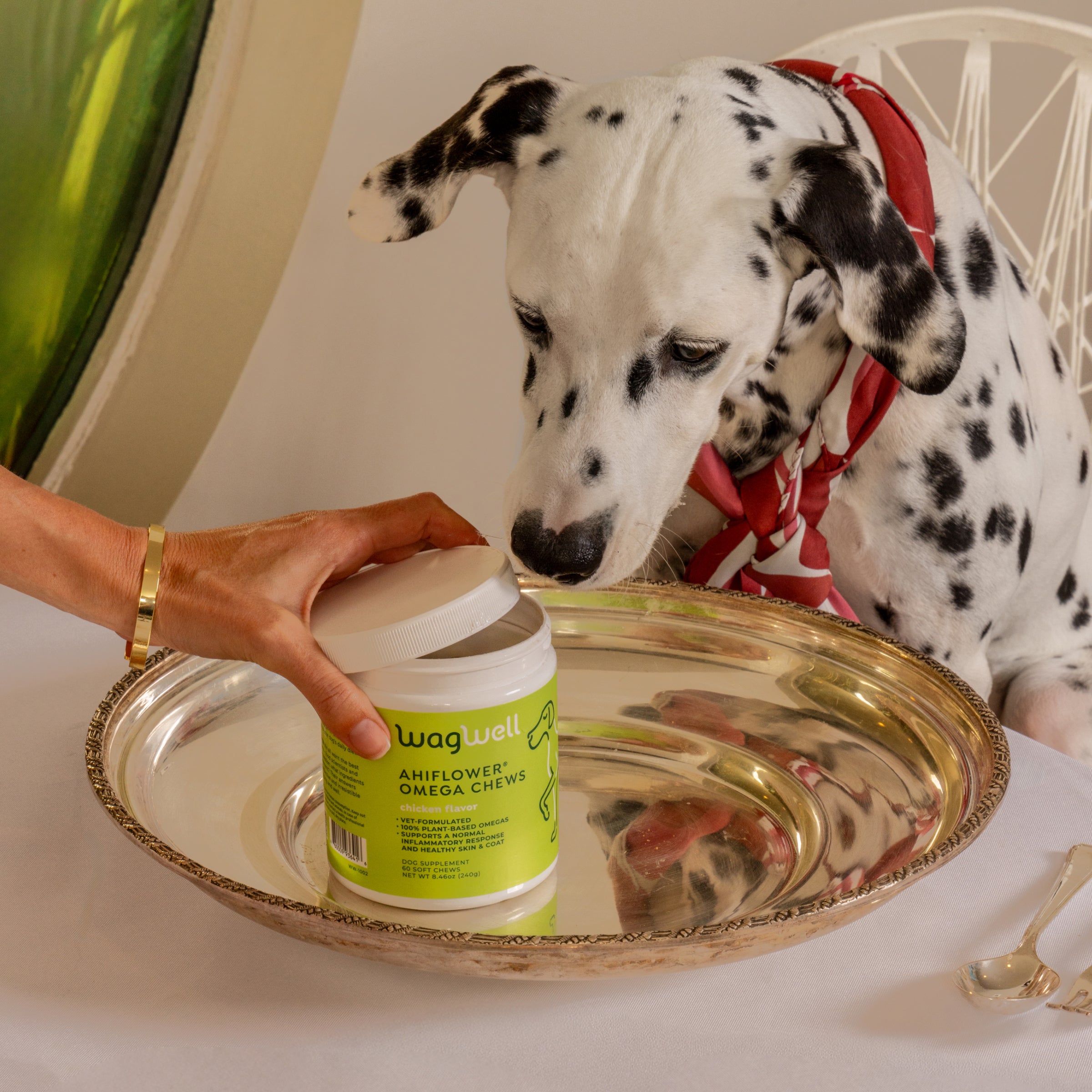
Ahiflower Omega Chews offer convenient soft chew delivery for dogs who prefer treats over liquid supplements. The chicken-flavored chews contain the same complete omega profile in an easy-to-administer format. Both options provide veterinary-formulated omega 3 for dogs seeking alternatives to traditional fish products.
Other plant sources include flaxseed oil and chia seeds, though these contain only ALA, requiring conversion to active EPA and DHA. Algal oil provides direct DHA from the original source where fish obtain their omega 3 content. Combining Ahiflower with algal DHA creates the most comprehensive plant-based omega 3 profile available.
Choosing the Right Omega 3 Supplement
Selecting appropriate omega 3 for dogs requires evaluating several key factors. Quality, concentration, delivery method, and your dog's specific needs all influence optimal choices.
Examine supplement labels for total EPA and DHA content rather than just total omega 3 amounts. Therapeutic benefits require adequate doses of these active fatty acids. General guidelines suggest 75-100 mg combined EPA and DHA per 10 pounds of body weight daily for maintenance. Dogs with specific health conditions may need higher amounts under veterinary supervision.
Consider your dog's preferences and sensitivities. Dogs with sensitive stomachs benefit from gentle plant-based options. Picky eaters accept flavorless formulas more readily than strong-tasting fish oils. Soft chews work well for dogs who enjoy treats, while liquids integrate seamlessly into meals.
Third-party testing ensures purity and potency. Look for supplements tested for contaminants, oxidation levels, and fatty acid concentrations. Certifications from independent laboratories verify that manufacturers meet quality standards. Avoid products making exaggerated claims or lack transparent ingredient information.
Start supplementation gradually to assess tolerance. Introduce omega 3 over one to two weeks, monitoring for any digestive changes. Most dogs tolerate quality supplements well, but individual sensitivities occasionally occur. Consistency matters more than dosing perfection, so find a product your dog accepts reliably.
Supporting Your Dog's Health Naturally
Omega 3 for dogs represents one of the most well-researched and effective supplements available. The documented benefits span multiple body systems from joints to skin to brain function. While traditional fish oil dominated for years, plant-based alternatives now offer superior sustainability, purity, and palatability. Selecting high-quality omega 3 sources appropriate for your dog's needs supports long-term health naturally. The investment in proper supplementation pays dividends through improved mobility, healthier skin, sharper cognition, and enhanced quality of life throughout all life stages.
Sources:
https://www.akc.org/expert-advice/nutrition/fish-oil-for-dogs/
https://www.avma.org/resources/pet-owners/petcare/omega-3-fatty-acids
Recent Articles


