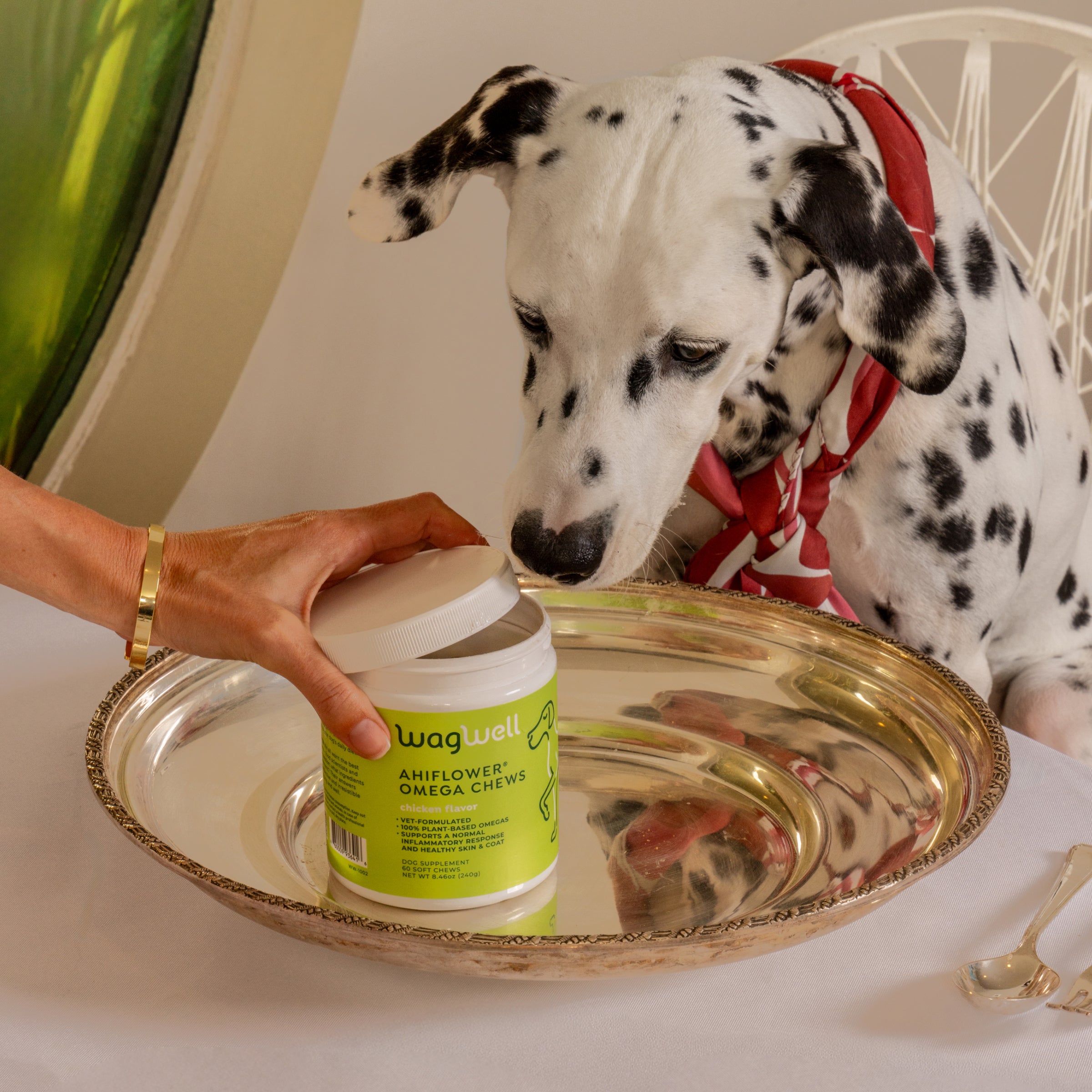




Should I give my dog vitamins every day? Most dogs eating complete, balanced commercial diets do not require daily vitamin supplementation, but certain life stages, health conditions, and dietary choices may create nutritional gaps that benefit from targeted supplementation. The pet supplement industry has exploded in recent years, with countless products promising enhanced health, longevity, and vitality. Understanding when supplementation helps versus when it risks causing harm empowers you to make evidence-based decisions about your dog's nutritional needs also always consult with your vet for recommendations and before starting.
Commercial dog foods formulated to meet AAFCO standards contain vitamins and minerals in amounts designed to prevent deficiencies. Adding unnecessary supplements can create imbalances or toxicities, particularly with fat-soluble vitamins that accumulate in body tissues. However, specific circumstances, including home-cooked diets, certain medical conditions, and life stage requirements, may warrant daily supplementation under veterinary guidance.
This guide examines when dogs benefit from vitamin supplementation, identifies potential risks from over-supplementation, and explains how to choose appropriate products that support rather than compromise health.
Understanding Your Dog's Nutritional Needs
Dogs require 13 essential vitamins for proper physiological function, divided into water-soluble and fat-soluble categories. Each vitamin plays specific roles in metabolism, immune function, growth, and cellular health.
Complete Commercial Diets and Vitamin Content
The American Kennel Club notes that premium commercial dog foods undergo formulation to provide complete nutrition without supplementation. These diets contain vitamins A, D, E, K, and the B-complex vitamins in amounts sufficient for average healthy dogs. Manufacturers add vitamin premixes during production, compensating for losses during processing and storage.
Dogs eating AAFCO-compliant foods rarely develop vitamin deficiencies. The nutritional adequacy statement on food labels indicates whether the product meets these standards through feeding trials or formulation analysis. Foods bearing these statements provide balanced nutrition that supplementation can actually disrupt.
When Supplementation Becomes Necessary
Certain situations create genuine nutritional gaps requiring targeted supplementation. The American Veterinary Medical Association identifies several scenarios where dogs benefit from additional vitamins:
-
Home-cooked diets formulated without veterinary nutritionist guidance
-
Prescription diets for specific medical conditions may limit certain nutrients
-
Digestive disorders prevent proper nutrient absorption
-
Pregnancy and lactation increase nutritional demands significantly
-
Senior dogs with reduced appetite or absorption capacity
-
Dogs recovering from illness or surgery require enhanced nutrition
Dogs fed raw or home-cooked diets face the highest deficiency risks. Well-meaning pet parents often omit essential nutrients, creating imbalances over time. Working with veterinary nutritionists ensures home-prepared meals meet complete nutritional requirements through appropriate supplementation.
Risks of Over-Supplementation
While deficiencies pose health risks, excessive vitamin intake creates equally serious problems. Understanding these risks prevents well-intentioned supplementation from causing harm.
Fat-Soluble Vitamin Toxicity
Vitamins A, D, E, and K dissolve in fat and accumulate in body tissues rather than being excreted like water-soluble vitamins. The National Center for Biotechnology Information has documented cases where excessive supplementation caused toxicity requiring veterinary intervention.
Vitamin A toxicity causes bone deformities, weight loss, and joint pain. Vitamin D overdose leads to kidney damage, calcification of soft tissues, and potentially death. Even vitamin E, generally considered safe, can interfere with blood clotting at excessive doses. These toxicities develop gradually with chronic over-supplementation rather than from single incidents.
Creating Nutritional Imbalances
Vitamins and minerals work together in complex relationships where an excess of one nutrient can impair the absorption or utilization of others. High calcium supplementation interferes with zinc and iron absorption. Excessive B vitamins can mask deficiencies in other B vitamins, delaying diagnosis of underlying problems.
Dogs receiving both fortified commercial food and daily multivitamins risk consuming double the intended amounts of certain nutrients. This redundancy increases toxicity risks, particularly when pet parents add multiple supplements without considering cumulative effects.
Choosing Appropriate Supplementation
When supplementation proves necessary, selecting quality products formulated specifically for dogs ensures safety and effectiveness.
Targeted vs. General Supplementation
Rather than daily multivitamins, most dogs benefit more from targeted supplements addressing specific needs. Ahiflower Omega Oil provides essential fatty acids that support skin, coat, joint, and cognitive health without unnecessary vitamin additions. This focused approach delivers documented benefits without risking over-supplementation of nutrients the diet already provides adequately.
Dogs with joint issues benefit from glucosamine, chondroitin, and omega fatty acids rather than general multivitamins. Mobility Chews combine these joint-supporting ingredients with Ahiflower omega oil for comprehensive mobility support. This targeted formula addresses specific physiological needs without adding vitamins that the dog's regular food already supplies.
Quality Indicators to Consider
Supplement quality varies dramatically between manufacturers. Look for these markers of reputable products:
-
Third-party testing certifications verifying ingredient accuracy
-
Clear dosing instructions based on body weight
-
Veterinary formulation or consultation in development
-
Transparent ingredient sourcing and manufacturing practices
-
Absence of artificial colors, flavors, or unnecessary fillers
Avoid supplements making exaggerated health claims or promising to cure diseases. Quality manufacturers focus on supporting normal physiological function rather than treating medical conditions, which requires veterinary diagnosis and prescription medications.
Making Informed Supplementation Decisions
Before starting any daily vitamin regimen, consult your veterinarian about your dog's specific needs. Veterinarians can assess diet quality, identify actual nutritional gaps, and recommend appropriate supplementation when necessary.
Evaluating Your Dog's Current Diet
Examine your dog food's guaranteed analysis and ingredient list. Foods meeting AAFCO standards for your dog's life stage provide complete nutrition. Check the nutritional adequacy statement confirming the product supports growth, maintenance, or all life stages. Products meeting these standards rarely require additional vitamin supplementation.
Calculate how many different products your dog receives daily. Dogs eating fortified food, receiving training treats, and consuming supplements may exceed safe nutrient levels without obvious indicators until problems develop. Consolidating nutrition sources reduces redundancy risks.
When to Use Specific Supplements
Consider targeted supplementation for specific health support rather than daily multivitamins. Allergy & Itch Chews address immune function and inflammation in allergic dogs through ingredients like colostrum, Epicor, and omega fatty acids. These functional ingredients provide documented benefits beyond basic vitamin supplementation.
Senior dogs may benefit from supplements supporting cognitive function, joint health, and reduced inflammation. Puppies require proper calcium-to-phosphorus ratios for bone development, but adding supplements to complete puppy foods can create dangerous imbalances. Growing large-breed puppies face particular risks from calcium over-supplementation, which contributes to developmental orthopedic disease.
Monitoring Your Dog's Response
Track changes after starting supplements. Improvements in coat quality, energy levels, or mobility typically appear within four to eight weeks if the supplement addresses an actual deficiency or need. Lack of change suggests the supplementation was unnecessary or the dose requires adjustment.
Watch for signs suggesting over-supplementation, including decreased appetite, vomiting, diarrhea, excessive thirst, or changes in urination patterns. These symptoms warrant immediate veterinary consultation and supplement discontinuation until evaluation determines safety.
Supporting Optimal Health Naturally
Should I give my dog vitamins every day? Most dogs eating quality commercial diets formulated to AAFCO standards receive adequate vitamins without supplementation. Daily multivitamins risk creating imbalances or toxicities that compromise rather than support health. However, specific circumstances, including home-cooked diets, certain medical conditions, and targeted health support, may warrant supplementation.
Focus on products like Ahiflower Omega Oil that address specific physiological needs with documented benefits rather than adding unnecessary nutrients. Always consult your veterinarian before starting daily supplements to ensure they address actual needs without creating new problems through over-supplementation.
Sources:
https://www.akc.org/expert-advice/nutrition/vitamins-for-dogs/
https://www.avma.org/resources/pet-owners/petcare/dietary-supplements-pets
Recent Articles


