


The idea of a truly "hypoallergenic" dog is a bit of a myth, and it's worth clearing that up before diving into breed recommendations. No dog is 100 percent allergen-free. Every dog produces dander, saliva, and skin cells that carry allergenic proteins. What changes from breed to breed is how much of that allergen actually ends up floating around your living room, and that difference can matter a lot for people who react to dogs.
Coat type turns out to be one of the biggest factors here, more than most people expect. Understanding why certain small breeds tend to trigger fewer reactions helps explain which dogs might actually work for an allergy-prone household, and which ones just have a reputation without much science behind it.
What Actually Makes a Dog Hypoallergenic
Before getting to specific breeds, it helps to understand what's really going on at the biological level. The word "hypoallergenic" gets used loosely, but the research behind it is fairly specific.
The Allergen Behind the Sneezing
Most dog allergies come down to a protein called Can f 1, found primarily in dog saliva and skin. A peer-reviewed study published by the National Institutes of Health measured Can f 1 allergen levels in homes with hypoallergenic breeds compared to homes with standard breeds. Interestingly, the study found that allergen concentrations weren't dramatically lower in hypoallergenic households overall, but the way the allergen circulated differed based on shedding patterns. Breeds that shed less tend to release allergen-carrying dander into the air and onto furniture far less frequently, even if the allergen itself is chemically identical.
Coat Type Changes Everything
A separate study in PMC looked specifically at how coat type affects allergen distribution. The researchers compared curly-coated, single-coated, hair-like coats, and traditional double coats, and found that dogs with curly or wiry, low-shedding coats trapped dander closer to the skin instead of releasing it constantly into the environment. Double-coated breeds, by contrast, shed their undercoat regularly and send allergen-laden hair and dander everywhere, which explains why breeds like Huskies or Golden Retrievers are rarely recommended for allergy sufferers.
This is really the core mechanism behind "hypoallergenic" breeds. It's not that they produce less allergen protein. It's that their coats hold onto it rather than distributing it constantly through the home.
10 Small Hypoallergenic Dog Breeds Worth Considering
With that science in mind, here are ten small breeds commonly recommended for allergy-sensitive households, based on coat type, shedding pattern, and general size.
1. Bichon Frise
Small, cheerful, and covered in a dense curly coat that traps dander close to the skin. Bichons rarely shed, though they do need regular grooming to prevent matting.
2. Maltese
A long, silky single coat rather than a double coat means minimal shedding. Maltese dogs are tiny, affectionate, and well suited to apartment living.
3. Shih Tzu
Another single-coated breed with a long, flowing coat that sheds very little on its own. Regular brushing keeps loose hair contained rather than scattered around the house.
4. Yorkshire Terrier
Yorkies have hair that grows continuously, similar to human hair, rather than a shedding coat. This structural difference is exactly the kind the PMC coat-type research pointed to as reducing environmental allergen spread.
5. Poodle (Toy and Miniature)
Poodles are probably the most well-known hypoallergenic breed, and for good reason. Their tightly curled coat holds shed hair and dander close to the body instead of releasing it constantly.
6. Havanese
A silky, single-layered coat and a low-shedding tendency make the Havanese a popular choice for allergy-prone families who still want a playful, people-oriented dog.
7. West Highland White Terrier
Westies have a coarse, wiry double coat, but one that sheds minimally compared to typical double-coated breeds. Regular hand-stripping or grooming helps manage what little shedding does occur.
8. Miniature Schnauzer
A wiry outer coat and soft undercoat combination that sheds very little when properly maintained. Schnauzers require regular grooming, but that grooming routine itself helps control loose allergen-carrying hair.
9. Coton de Tulear
Named for its cotton-like coat texture, this breed sheds minimally and has grown in popularity specifically among allergy sufferers looking for a small, affectionate companion.
10. Affenpinscher
A wiry, dense coat that doesn't shed heavily, paired with a compact, low-maintenance size. Affenpinschers are less common but fit well into the same low-allergen coat category as the other breeds on this list.
Coat Care and Grooming Habits That Actually Reduce Allergens
Choosing a low-shedding breed is only part of the equation. How you care for that coat plays a real role in how much allergen ends up in your home environment.
A peer-reviewed biochemical investigation published in PMC examined major dog dander allergens and how they're deposited through skin shedding and saliva across different breeds. The research reinforced something practical: regular bathing and grooming physically removes allergen buildup before it has a chance to spread through the home. Even low-shedding breeds accumulate dander on their skin between grooming sessions, so consistent care matters regardless of coat type.
A few habits worth building into your routine:
-
Brush your dog several times a week, even low-shedding breeds
-
Bathe on a consistent schedule using a gentle, dog-safe shampoo
-
Wipe paws and coat after outdoor time to reduce tracked-in allergens
-
Wash bedding and grooming tools regularly
-
Vacuum with a HEPA filter to catch airborne dander particles
Daily Cleansing Wipes can be a genuinely useful addition here, since regular wipe-downs between full baths help remove surface dander and allergens without over-bathing your dog's skin. For breeds with wiry or curly coats especially, a good Fur & Body Brush helps loosen and remove trapped dander during regular brushing sessions rather than letting it build up.
Skin Health Plays a Bigger Role Than People Realize
Here's something that doesn't get talked about enough: a dog's skin health directly affects how much dander and allergen protein they produce in the first place. Dry, flaky, or irritated skin sheds more dead skin cells, which means more allergen-carrying particles released into your home. Supporting healthy skin from the inside out can meaningfully reduce that shedding at the source.
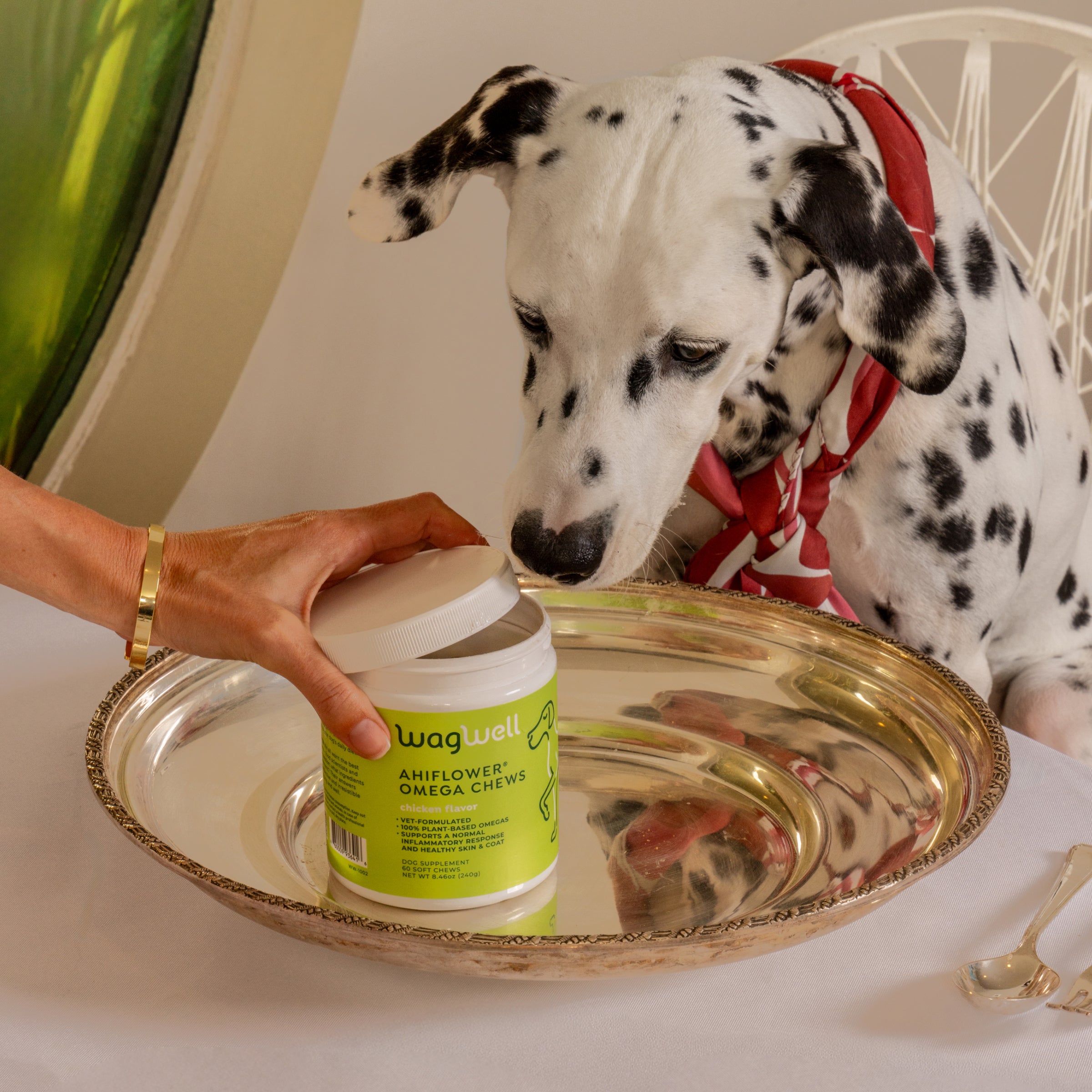
Ahiflower Omega Oil provides plant-based omega fatty acids that support skin barrier health and reduce the kind of dry, flaky skin that contributes to excess dander. For dogs with underlying skin sensitivities that might be worsening allergen production, Allergy & Itch Chews can help address the root skin irritation rather than just managing the visible symptoms.
Finding the Right Fit for Your Household
No breed on this list is guaranteed to be allergen-free for every person, since individual sensitivity varies widely. But choosing a small, low-shedding breed with a single coat or curly, wiry texture genuinely does reduce how much dander circulates through your home, and the science backs that up. Combine the right breed choice with consistent grooming and good skin health support, and most allergy-sensitive households find they can comfortably share their life with a dog after all.
Sources:
Dog Allergen Levels in Homes: Hypoallergenic vs. Non-Hypoallergenic Breeds.
Can f 1 and Can f 2 Allergen Distribution and Coat Characteristics in Dogs.
Identification and Characterization of Major Canine Dander Allergens.
Recent Articles


