



What can I give my dog for allergies that will actually provide relief? This pressing concern affects countless pet parents watching their dogs scratch, lick, and suffer through uncomfortable allergy symptoms. Allergies rank among the most common health issues in dogs, causing persistent itching, skin irritation, and significant discomfort that impacts quality of life. Finding effective solutions requires understanding what triggers these reactions and which treatments address both symptoms and underlying causes.
Dog allergies manifest through various symptoms that range from mild irritation to severe skin problems. Your dog might scratch constantly, develop red, inflamed skin, lose patches of fur, or show signs of digestive upset. Effective allergy management combines multiple approaches rather than relying on a single solution. The right treatment depends on allergy type, symptom severity, and your dog's individual response to different interventions.
Understanding Common Dog Allergies
Dogs develop allergic reactions to various triggers in their environment, food, and surroundings. Recognizing these different types helps you identify what can cause my dog's allergies to provide targeted relief.
Environmental Allergies
Environmental factors represent the most common allergy triggers in dogs. According to the American Kennel Club, pollen, dust mites, mold spores, and grass cause seasonal or year-round symptoms. These allergens enter through the skin rather than through breathing, making direct contact the primary concern. Dogs with environmental allergies typically show symptoms during specific seasons or experience year-round discomfort depending on trigger exposure.
Food and Contact Allergies
Food allergies occur when proteins in dietary ingredients trigger immune responses. Common culprits include beef, chicken, dairy, wheat, and soy. Flea allergy dermatitis causes intense reactions to flea saliva, where even a single bite triggers severe itching. Contact allergies develop when skin touches irritating substances like certain shampoos, fabrics, or cleaning products. These reactions appear more localized than environmental allergies.
Recognizing When to Seek Veterinary Care
While mild allergy symptoms respond well to home management, certain signs indicate your dog needs immediate professional evaluation. Understanding the difference between manageable irritation and serious complications protects your dog's health and prevents unnecessary suffering.
Natural Solutions
Natural approaches provide effective allergy relief for many dogs without the side effects associated with medications. These options support overall health while addressing inflammatory responses that cause discomfort.
Omega Fatty Acids for Skin Health
Omega fatty acids stand out as one of the most effective natural remedies for dog allergies. Research published by the National Center for Biotechnology Information demonstrates several important benefits:
-
Reduce inflammation throughout the body
-
Strengthen skin barriers against allergen penetration
-
Improve immune system function and response
-
Repair damaged skin and support natural healing
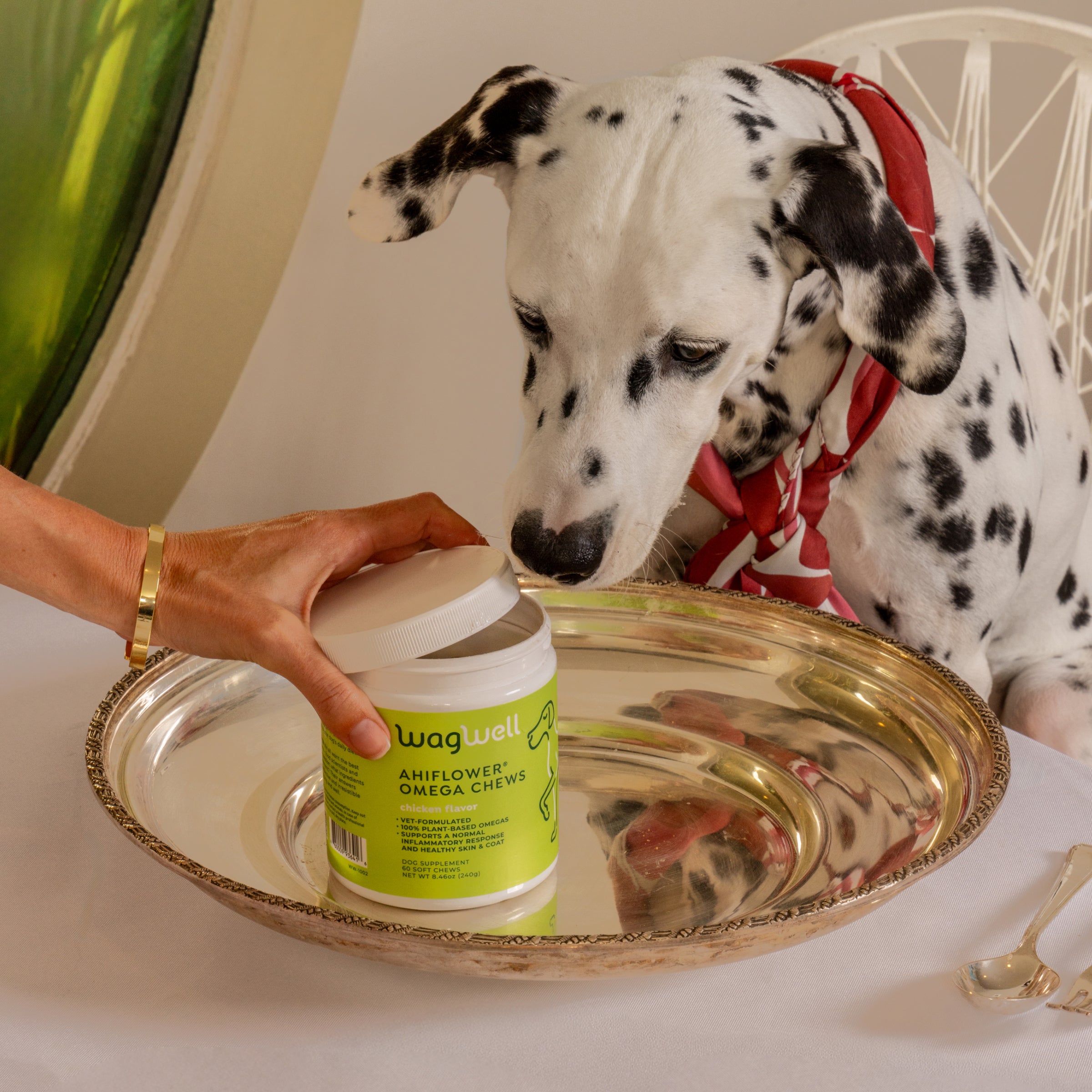
Ahiflower Omega Oil delivers a complete profile of plant-based omega-3, 6, and 9 fatty acids without a fishy smell. The sustainable formula provides clinically proven support for skin health and coat condition while being gentle on sensitive stomachs.
Additional Natural Remedies
These complementary natural options enhance allergy management when combined with omega supplementation:
-
Quercetin stabilizes mast cells and reduces histamine release naturally
-
Probiotics support gut health and immune system balance
-
Coconut oil soothes irritated skin with antimicrobial benefits
-
Regular bathing removes surface allergens before penetration
Daily Cleansing Wipes offer convenient daily maintenance between baths. These certified microbiome-friendly wipes reduce allergen exposure while supporting healthy skin balance naturally.
Medical Treatments and Professional Care
Understanding what you can give to your dog for allergies includes knowing when natural remedies need supplementation with medical treatments. Professional veterinary care ensures appropriate diagnosis and treatment selection based on your dog's specific condition.
Antihistamines and Supplements
The American Veterinary Medical Association notes that antihistamines like diphenhydramine, cetirizine, and loratadine provide relief for mild to moderate symptoms. These medications work best when started before symptoms become severe. Always consult your veterinarian for proper dosing based on your dog's weight.
Targeted supplements combining multiple beneficial ingredients offer comprehensive support. Allergy & Itch Chews feature colostrum, Epicor, and organic echinacea alongside omega fatty acids. This formula enhances histamine response and reduces seasonal or year-round allergy symptoms through natural immune support.
Prescription Medications
Severe allergies often require prescription treatments for adequate control. Apoquel and Cytopoint represent newer options that specifically target itch pathways without steroid side effects. Corticosteroids like prednisone reduce inflammation quickly but require careful monitoring for long-term use. Immunotherapy through allergy shots helps some dogs build tolerance to specific allergens over months or years. Your veterinarian determines appropriate medication based on allergy severity and overall health status.
Prevention and Environmental Management
Prevention significantly reduces allergy symptoms and decreases the need for intensive treatments. These practical strategies create healthier environments and strengthen your dog's natural defenses against allergen exposure.
Keep these environmental controls in place to minimize trigger exposure:
-
Keep dogs indoors during high pollen counts
-
Wipe paws after walks to remove outdoor allergens
-
Use air purifiers with HEPA filters in living spaces
-
Wash bedding weekly in hot water
-
Vacuum regularly with HEPA-equipped machines
Maintain excellent skin health through regular grooming and protective care. Apply protective balms like Paw Protector to shield vulnerable areas from environmental irritants. The vet-approved formula creates barriers against allergens while conditioning skin and locking in natural moisture.
Feed high-quality diets with limited ingredients and easily digestible proteins. Novel protein sources like duck or venison provide alternatives for food-sensitive dogs. Consider the Itchy Pup Bundle for comprehensive care combining internal support, topical protection, and gentle cleansing in one convenient package.
Your Dog Deserves Lasting Relief
Discovering what can help your dog with allergies involves exploring multiple treatment options and finding combinations that work for your individual pet. Natural remedies like omega fatty acids provide foundational support for many allergic dogs. Medical treatments address severe symptoms when natural approaches prove insufficient. Prevention strategies reduce allergen exposure proactively while strengthening skin barriers. Working closely with your veterinarian ensures accurate diagnosis and appropriate treatment selection for lasting comfort.
Sources:
https://www.akc.org/expert-advice/health/dog-allergies-symptoms-treatment/
https://www.avma.org/resources/pet-owners/petcare/allergies-dogs
Recent Articles


