


When do dogs shed summer coat, and why does it feel like your home disappears under a layer of fur overnight? For most dogs, two shedding cycles happen each year. Spring and fall. Each one has a different cause, a different intensity, and a different set of challenges for pet parents trying to keep up.
The good news is that shedding is completely normal. Your dog releases old hair to make room for new growth that suits the coming season. The coat you see in July looks nothing like the one your dog carries through January. That difference requires a full transition twice a year, and fur on your couch is just part of the process.
The Seasonal Shedding Calendar
Knowing when each shedding period happens gives you a real advantage. Most pet parents only notice once the fur is already everywhere. Getting ahead of it changes the experience entirely.
Spring Shedding Season
Spring brings the heaviest shed of the year. Between March and June, dogs drop their thick winter undercoat to prepare for warmer months ahead. According to the American Kennel Club, double-coated breeds go through what groomers call "blowing the coat," releasing fur in large clumps rather than loose strands.
Here's what catches people off guard. Temperature is not the main trigger. Daylight is. As hours of light increase after winter, the body picks up on those photoperiod changes and signals the coat to shift. Your dog doesn't need to feel warm. Longer days are enough.
Expect the spring blowout to run three to six weeks. Daily brushing during this stretch prevents mats and helps the lighter summer coat grow through cleanly. Ahiflower Omega Oil supports the transition by nourishing skin and strengthening new follicles with plant-based omega 3, 6, and 9 fatty acids. Add a pump or two to meals and the difference in coat quality shows up within weeks.
Fall Shedding Season
When dogs shed summer coat in autumn, the process is noticeably calmer than spring. Between September and November, the lightweight summer coat releases to make way for denser winter insulation. Less clumping, less volume, but still consistent enough to need a plan.
Shorter days flip the biological switch in reverse. The body grows a thick undercoat beneath the topcoat to trap warm air and protect against cold. That two-layer system is what keeps a Husky comfortable in snow. For it to work properly, the old summer coat needs to go first.
Daily Cleansing Wipes are worth adding into your fall routine. They pull loose fur and environmental debris off the coat between brushing sessions, and the microbiome-certified formula keeps skin balanced throughout the transition.
When Do Dogs Shed Summer Coat Based on Breed
Not every dog experiences shedding the same way. Breed makes a significant difference, both in intensity and timing. Some dogs leave fur clouds behind. Others barely shed at all.
Double-Coated Breeds
Double-coated breeds have two distinct layers working at once. A dense soft undercoat sits beneath a protective topcoat, and both of those transition seasonally. Research from the National Center for Biotechnology Information confirms that photoperiod shifts hit this coat type the hardest.
These are the breeds that genuinely blow their coats each spring:
-
Siberian Huskies and Alaskan Malamutes
-
German Shepherds and Belgian Malinois
-
Golden Retrievers and Labrador Retrievers
-
Corgis, Shelties, and Australian Shepherds
-
Bernese Mountain Dogs and Great Pyrenees
-
Akitas, Samoyeds, and Shiba Inus
First-time owners of these breeds are often shocked by spring shedding. The volume of fur is substantial. Daily grooming stops being optional during peak weeks.
Single-Coated and Low-Shedding Breeds
Poodles, Maltese, and Yorkshire Terriers sit at the other end of the spectrum. Their coats lack the dense undercoat layer that drives heavy blowout periods. They still shed, just not in ways that bury your furniture.
One thing worth noting for any breed: indoor dogs often shed differently than outdoor dogs. Artificial lighting and central heating disrupt natural photoperiod signals. Many indoor dogs end up shedding at a moderate, consistent rate year-round rather than following the classic seasonal pattern.
When Do Dogs Shed Summer Coat: Management Strategies
Managing shedding well starts before peak periods hit. Reactive grooming always feels harder than it needs to be. A consistent routine ahead of time makes a real difference.
Grooming Tools and Techniques
The right tools remove loose undercoat without pulling healthy emerging fur. Build a kit that covers the full coat, not just the surface. These are the essentials:
-
Undercoat rake for penetrating dense fur layers
-
Slicker brush for surface loose hair removal
-
Steel comb for finding early mat formation
-
De-shedding tool suited to your dog's specific coat type
-
Fur & Body Brush with silicone bristles for gentle daily maintenance
During peak shedding, brush daily and focus on the neck, chest, hindquarters, and tail base. The American Veterinary Medical Association recommends asking your vet whether a warm-weather trim suits your dog, and building grooming into a calm regular routine rather than an occasional scramble.
One firm rule for double-coated dogs: never shave them. Shaving disrupts the coat structure, impairs temperature regulation, and often causes the undercoat to grow back uneven or patchy. The natural coat cools the dog in summer through air circulation. Removing it does more harm than help.
Nutrition and Skin Support
Coat quality during shedding season reflects what your dog eats. Dogs with solid nutrition shed more cleanly, with less breakage and less skin irritation through the process. Omega fatty acids are particularly valuable here. They strengthen follicles and maintain the skin barrier that holds moisture in.
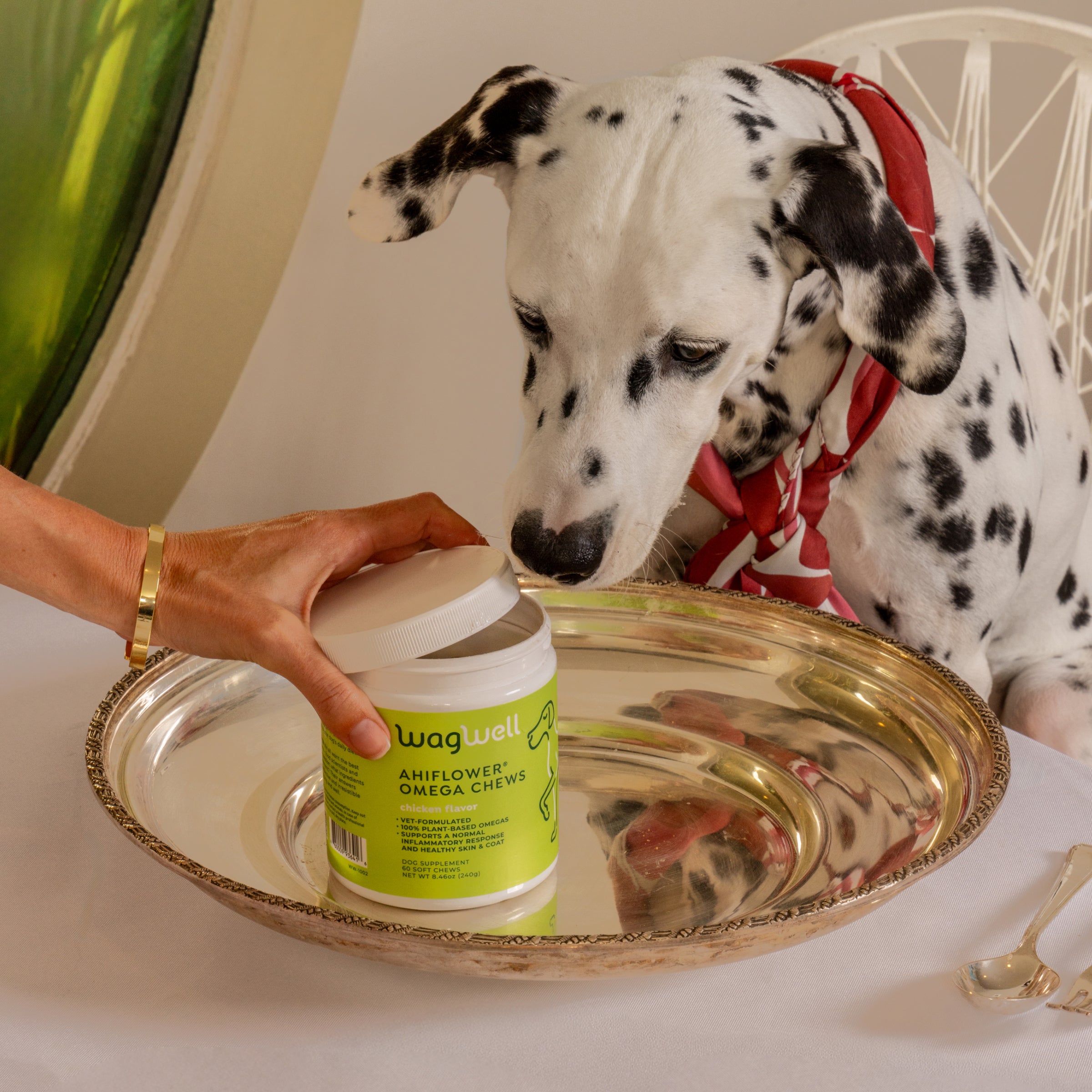
Ahiflower Omega Chews deliver a complete plant-based omega 3, 6, and 9 profile in a soft chew format. No fishy smell. No stomach upset. Just consistent support for the skin and coat throughout the year.
Strategic bathing also helps during heavy shedding. Lukewarm water loosens dead undercoat before you brush, making the session considerably more productive. Once every four to six weeks works well during shedding season. Always dry thoroughly afterward to avoid skin irritation.
For comprehensive cover, the Supreme Skin & Coat Bundle pairs omega supplementation with protective balm and cleansing wipes. It addresses coat health internally and externally at the same time.
Helping Your Dog Through Every Season
Once you understand when dogs shed summer coat and what drives it, the whole process feels less like a problem and more like a rhythm. Spring shedding between March and June is heavier. Fall shedding between September and November is lighter but still consistent. Daylight changes drive both. Double-coated breeds feel it most intensely. Single-coated breeds stay low-key year-round.
The dogs who come through shedding season with the healthiest coats are the ones whose owners brush regularly, feed well, and protect the skin along the way. A little preparation each season keeps both your dog comfortable and your home manageable.
Sources:
Recent Articles


