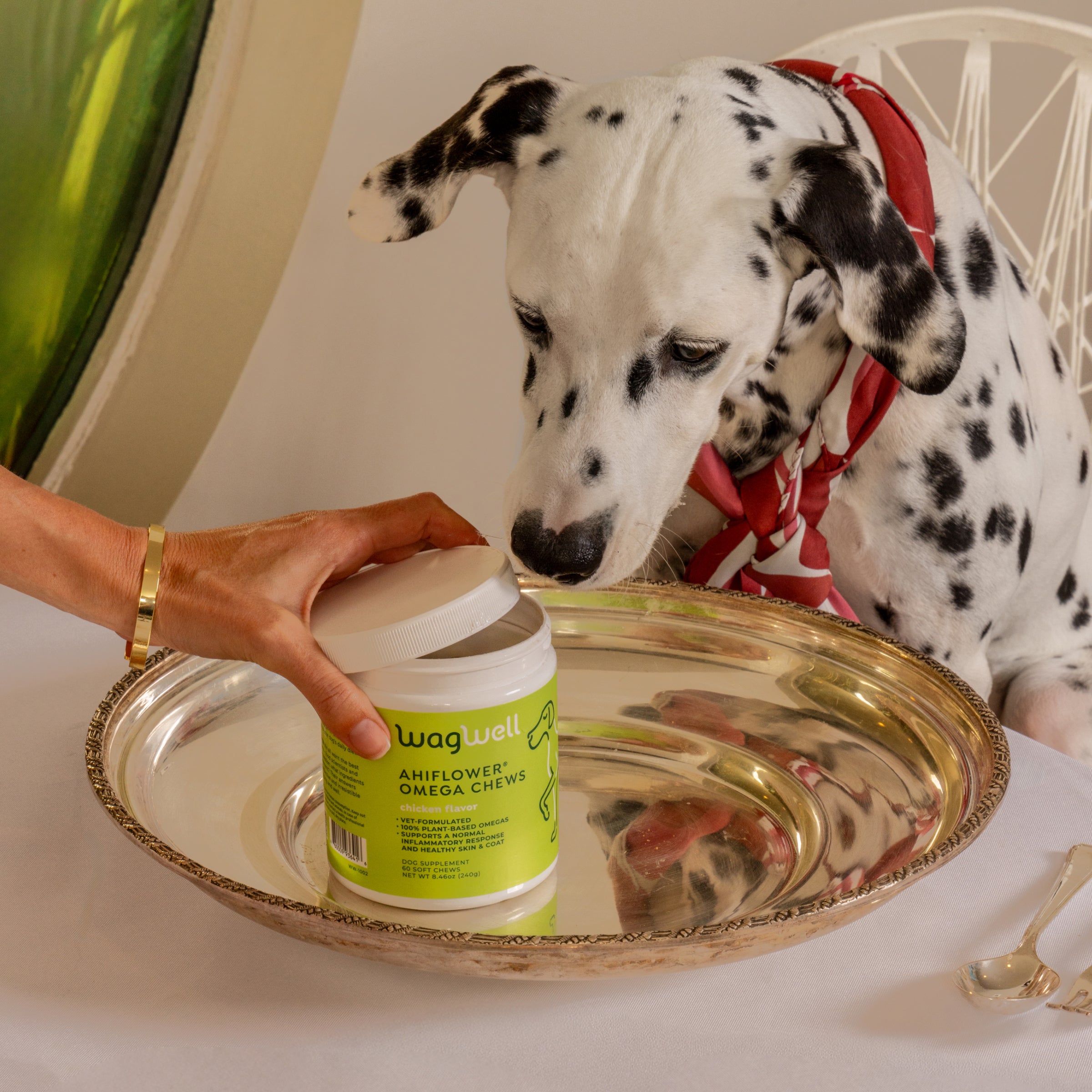
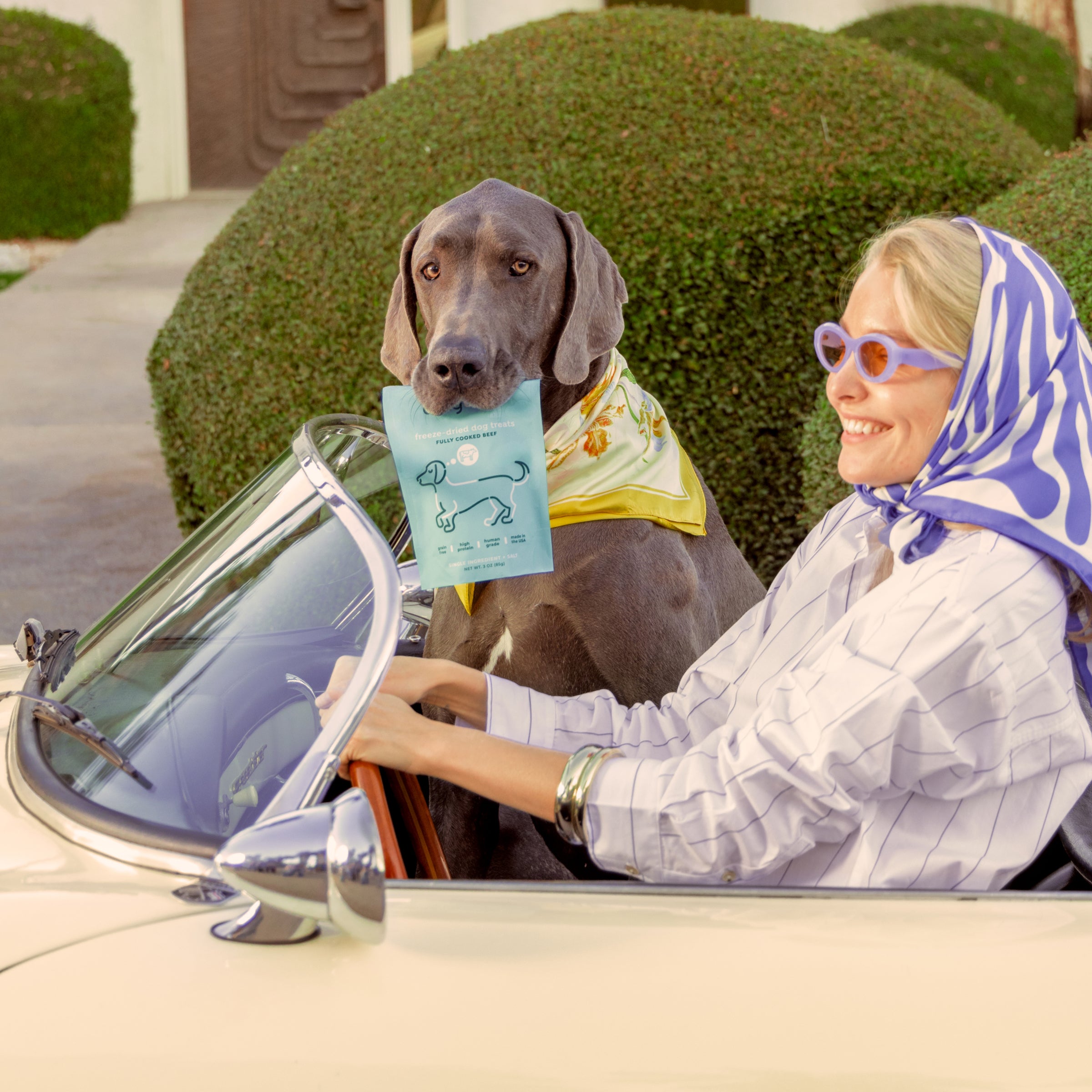



Why does my dog follow me everywhere, including the bathroom? You get up to refill your water glass and suddenly there are four paws padding behind you. You close the bathroom door and a nose immediately appears underneath it. Sound familiar? Most dog owners laugh it off as a quirky personality trait, but the behavior actually runs deeper than simple habit. Dogs follow their people for real, documented reasons rooted in biology, emotion, and thousands of years of shared history with humans.
The good news is that in most cases, a dog shadowing you everywhere is a sign of a healthy bond. The important thing is knowing when that behavior crosses from affectionate companionship into something that needs attention. Getting familiar with the most common causes helps you tell the difference and respond accordingly.
The Deep Roots Behind Why Dogs Follow People
Dogs did not become man's best friend by accident. Research published in the Japanese Psychological Research journal found that when dogs gaze at their owners, the owner's urinary oxytocin levels increase significantly. Oxytocin is the same bonding hormone released between mothers and infants. In other words, the attachment between dogs and humans is not just behavioral. It is neurochemical and deeply embedded in both species.
Dogs evolved alongside humans for roughly 14,000 years. During that time, they developed a unique ability to read human social cues, including gestures, facial expressions, and gaze, that even wolves and great apes cannot match. Following you around the house is an extension of that same drive. Your dog is not just seeking proximity. They are actively orienting toward the most important figure in their social world.
Common Reasons Your Dog Follows You Everywhere
Several distinct motivations drive this behavior, and more than one can be at play at the same time. Understanding each one helps you respond in a way that works for both of you.
Pack Instinct and Social Bonding
Dogs are pack animals. Remove them from a canine pack and they adopt their human family as a replacement. According to PetMD, this pack mentality is one of the most consistent reasons dogs stay close to their owners throughout the day. Staying near the group is not clingy behavior from a dog's perspective. It is completely natural and actually reflects a sense of security rather than insecurity.
Social dogs, particularly those who were well-socialized as puppies, often follow their owners simply because they enjoy the company. They feel good being near you. That is the whole story for a lot of dogs, and there is nothing to fix.
Routine and Reward
Dogs pick up on patterns faster than most people realize. If getting up from the couch usually leads to meal prep, a walk, or a treat, your dog learns to follow that sequence very quickly. They are not being manipulative. They are being smart. Once a dog figures out that trailing you produces good things, that behavior gets reinforced every time the pattern repeats.
This is worth paying attention to if you have been accidentally rewarding following behavior. Eye contact, talking to your dog, petting them when they appear at your side, all of these responses teach your dog that staying close pays off.
Imprinting and Attachment
Puppies removed from their mothers and littermates imprint strongly on their new human caregivers. Dogs Trust explains that this imprinting causes young dogs to follow their owners closely as a way of learning about their environment, similar to how a puppy would follow its mother. This behavior typically reduces as the dog matures and builds confidence, but some dogs carry that attachment style into adulthood.
Newly adopted adult dogs often go through a similar phase regardless of age. A new home, new routines, and unfamiliar people push dogs back toward a kind of puppy mode where they seek proximity to feel safe. This usually settles down within a few weeks as the dog adjusts.
Boredom and Under-stimulation
A dog without enough physical exercise or mental stimulation will invent ways to fill the gap. Following you around the house gives them something to do, a sense of participation in whatever you are doing, and the mild stimulation of movement. These dogs often benefit enormously from more structured activity. A well-exercised dog is typically a more settled, independent dog.
Puzzle feeders, training sessions, and interactive play burn the mental energy that otherwise drives clingy behavior. Even fifteen minutes of structured activity makes a noticeable difference in how much a bored dog needs to hover.
Why Does My Dog Follow Me Everywhere Suddenly
A dog that has always been independent and suddenly starts following you everywhere is telling you something. Sudden changes in behavior almost always have a cause worth investigating.
Senior dogs sometimes become clingier as they experience hearing or vision loss, cognitive decline, or joint pain that makes them feel less confident moving independently around the house. These dogs seek proximity for reassurance rather than affection.
Illness, pain, or nausea can also trigger following behavior in dogs of any age. A dog that does not feel well often seeks comfort by staying close to the person they trust most. Any sudden behavioral shift in a previously independent dog warrants a veterinary checkup to rule out an underlying physical cause.
Stress and anxiety produce similar results. Changes in routine, a new household member, construction noise, or seasonal triggers like fireworks and thunderstorms can all push dogs toward their owners for security.
For dogs dealing with anxiety, Calming Chews provide botanical support through a blend of chamomile, passionflower, magnolia bark extract, and full spectrum hemp oil. They help dogs find a calmer baseline without sedation, making it easier for them to settle independently rather than needing constant proximity to feel okay. Always consult your veterinarian before introducing any new supplement.
When Following Becomes a Problem
Companionship is healthy. Panic is not. The critical distinction is what happens when you leave. A dog that follows you around but settles calmly when you leave the house is simply bonded and social. A dog that becomes visibly distressed, destructive, or unable to settle when separated from you may be dealing with separation anxiety that needs structured intervention.
Watch for these signs that following has moved into problematic territory:
-
Inability to settle when you are in another room
-
Destructive behavior when left alone
-
Excessive vocalization after you leave
-
Physical signs of distress like panting, pacing, or drooling near the door
-
Loss of appetite when separated from you
Separation anxiety requires a gradual desensitization approach, ideally with guidance from your veterinarian or a certified behaviorist. It does not resolve on its own and typically worsens without consistent intervention.
Redirecting the Behavior
If constant following becomes a tripping hazard or simply something you want to manage, consistency is everything. Teach a solid "place" or "go to bed" command that gives your dog a clear, rewarded alternative to following. Send them to their spot, reward generously, and gradually increase the duration before releasing them.
Avoid giving attention the moment your dog appears at your side. Instead, wait for moments when your dog has settled independently and reward that behavior. Over time this shifts the pattern from following as the default to resting independently as the more rewarding option.
Freeze-Dried Cheese Treats work exceptionally well for reinforcing independent settling. High-value, single-ingredient rewards motivate dogs to repeat the behaviors that earn them, making the training process considerably faster than using low-value treats.
Your Dog's Version of Love
Why does my dog follow me everywhere? Most of the time, the simplest answer is also the truest one. They love you, feel safe with you, and genuinely prefer your company to anything else available. That is a good thing. The bond between dogs and humans is one of the most studied and documented interspecies relationships in science, and following behavior sits right at its center. Enjoy the companionship, watch for sudden changes, and reach out to your veterinarian any time the behavior shifts in a way that concerns you.
Sources:
PetMD. "4 Reasons Your Dog Follows You Everywhere."
Recent Articles


