



Why does my dog itch so much? Excessive itching in dogs typically stems from allergies, parasites, skin infections, or environmental irritants that trigger inflammatory responses in the skin. Most pet parents notice their dog scratching occasionally, but persistent itching that disrupts daily activities or causes skin damage signals an underlying problem requiring attention. Understanding what drives this uncomfortable behavior helps you identify the root cause and provide effective relief for your dog.
Dogs scratch for many reasons, and occasional itching represents normal grooming behavior. However, constant scratching, biting at the skin, rubbing against furniture, or developing red, irritated patches indicates something more serious. The skin serves as the body's largest organ and first line of defense against environmental threats. When this barrier becomes compromised or irritated, dogs experience intense discomfort that manifests as relentless itching.
This guide explores the most common reasons why dogs itch excessively, identifies warning signs that require veterinary attention, and provides practical solutions for managing itching at home. Recognizing these patterns empowers you to address your dog's discomfort effectively while preventing secondary complications that arise from chronic scratching.
Common Causes of Excessive Itching in Dogs
Multiple factors can trigger persistent itching in dogs, ranging from parasites to dietary sensitivities. Identifying the specific cause determines the most effective treatment approach.
Allergies and Sensitivities
Allergies represent the leading cause of chronic itching in dogs. The American Kennel Club notes that dogs develop allergic reactions to environmental triggers, food ingredients, or contact irritants. Environmental allergies often peak during specific seasons when pollen, mold, or grass levels rise. Food allergies can develop at any time, even to ingredients your dog has eaten for years without problems.
Dogs with allergies typically show these patterns:
-
Itching concentrated on the paws, ears, face, and belly
-
Red, inflamed skin in affected areas
-
Chronic ear infections that recur frequently
-
Excessive licking of paws until they appear stained
-
Seasonal patterns where symptoms worsen during spring or fall
Environmental allergens trigger histamine release in the skin, creating intense itching sensations. Food sensitivities cause similar inflammatory responses throughout the body. Common food allergens include beef, dairy, chicken, wheat, and soy. Identifying specific triggers often requires systematic elimination diets under veterinary guidance.
Allergy & Itch Chews combine colostrum, Ahiflower omega oil, and Epicor to address allergic responses from multiple angles. The formula reduces inflammation, supports gut health, and enhances immune regulation naturally. Dogs receiving consistent supplementation often show decreased scratching intensity within four to six weeks.
Parasites and Skin Infections
External parasites cause immediate, intense itching that worsens until the infestation resolves. Fleas remain the most common culprit, with even a single flea bite triggering allergic reactions in sensitive dogs. The American Veterinary Medical Association emphasizes that flea allergy dermatitis develops when dogs react to proteins in flea saliva, creating disproportionate itching from minimal exposure.
Mites cause different itching patterns depending on the species. Sarcoptic mange mites burrow into skin layers, creating intense discomfort that spreads rapidly. Demodex mites typically affect immunocompromised dogs, causing localized hair loss with moderate itching. Ear mites concentrate in ear canals, triggering head shaking and ear scratching.
Bacterial and yeast infections often develop secondary to other causes but become primary problems themselves. Skin folds, ears, and paws create warm, moist environments where microorganisms thrive. These infections produce characteristic odors alongside itching. Dogs with underlying allergies face higher infection risks because scratching damages the skin barrier.
Environmental and Contact Irritants
Chemical irritants in household products can trigger contact dermatitis even without true allergic responses. Harsh shampoos, cleaning products, lawn chemicals, and fabric softeners all pose potential risks. The National Center for Biotechnology Information has documented cases where switching to gentler products resolved chronic itching in affected dogs.
Dry skin causes itching that intensifies during the winter months when indoor heating reduces humidity. Low environmental moisture pulls water from the skin, creating flaky, tight sensations that prompt scratching. Dogs with naturally dry skin or those living in arid climates face particular vulnerability.
Daily Cleansing Wipes offer a microbiome-friendly way to remove environmental irritants without disrupting beneficial skin bacteria. The fermented ingredients hydrate while gently cleansing, making them ideal for dogs with sensitive skin prone to contact reactions.
Recognizing Serious Itching Problems
Understanding when itching requires professional veterinary evaluation prevents complications and identifies treatable conditions early.
Warning Signs Requiring Veterinary Attention
Some itching patterns indicate problems that worsen without proper treatment. Schedule a veterinary appointment if you observe these signs:
-
Raw, bleeding skin from constant scratching or biting
-
Hair loss creates bald patches in affected areas
-
Foul odor emanating from the skin or ears
-
Thick, crusty, or oozing skin lesions
-
Behavioral changes like aggression or depression
-
Inability to sleep due to constant itching
-
Swelling or heat in scratched areas
These symptoms suggest infections, severe allergies, or other conditions requiring prescription medications. Delaying treatment allows secondary complications to develop, making resolution more difficult and expensive. Your veterinarian can perform skin tests, examine ear and skin samples under microscopy, and recommend targeted treatments.
Complications from Chronic Scratching
Persistent scratching creates a cycle where initial problems worsen through continued trauma. The constant damage prevents healing while introducing bacteria deep into tissue layers. Hot spots develop when localized areas become infected from repeated scratching or licking. These painful lesions expand rapidly without intervention.
Chronic itching affects quality of life beyond physical discomfort. Dogs lose sleep, show reduced interest in activities, and may develop anxiety around triggers. Some dogs become irritable or withdrawn due to constant discomfort. Breaking this cycle requires addressing both the underlying cause and providing symptomatic relief during treatment.
Effective Solutions for Managing Itching
Multiple approaches work together to reduce itching while addressing root causes. Combining strategies typically produces better results than single interventions alone.
Nutritional Support from Within
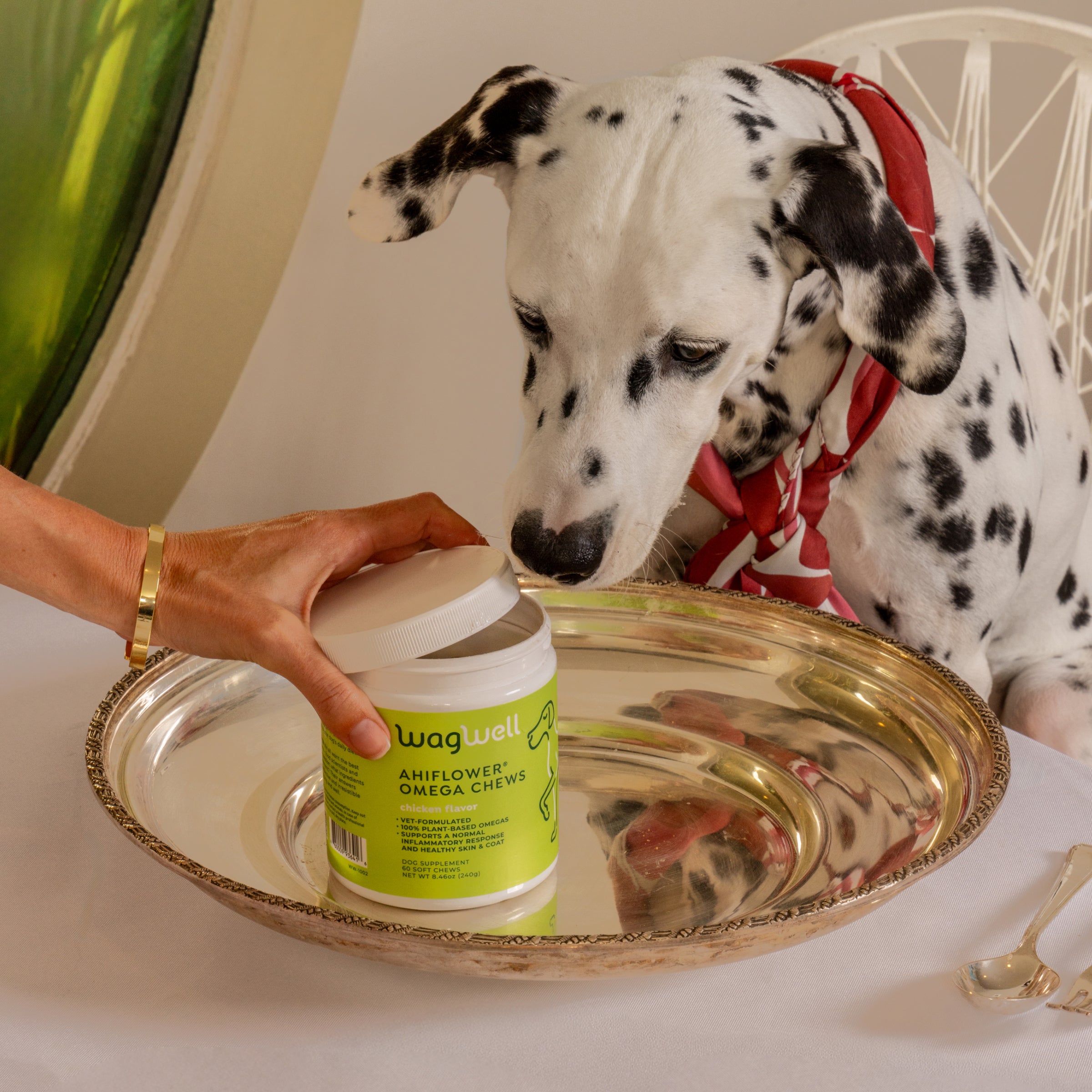
Internal supplementation strengthens skin barriers and modulates inflammatory responses. Omega fatty acids play critical roles in maintaining skin health and controlling inflammation. Ahiflower Omega Oil provides complete omega 3, 6, and 9 profiles from plant-based sources. The balanced ratio supports anti-inflammatory processes while nourishing the skin barrier from within.
Dogs receiving adequate omega supplementation show improved skin moisture, reduced inflammation, and enhanced healing capacity. The effects build gradually over six to eight weeks as fatty acids incorporate into cell membranes throughout the body. Consistent daily supplementation produces the best outcomes.
Probiotic support benefits dogs whose itching stems from food sensitivities or gut inflammation. The gut-skin axis means digestive health directly influences skin condition. Supporting beneficial bacteria populations helps regulate immune responses and reduce systemic inflammation.
Topical Care and Protection
External treatments provide immediate relief while supporting the healing process. Gentle cleansing removes allergens and irritants from the coat without stripping protective oils. Avoid harsh shampoos containing sulfates or artificial fragrances that further irritate sensitive skin.
Paw Protector creates a protective barrier on paws, which dogs often target during itching episodes. The balm combines coconut oil, beeswax, and jojoba oil to moisturize while shielding against environmental irritants. Regular application to paw pads, ears, and other affected areas supports skin integrity.
Here are practical steps for managing itching at home:
-
Wipe paws and coat after outdoor exposure to remove allergens
-
Maintain consistent flea and tick prevention year-round
-
Use fragrance-free, hypoallergenic cleaning products
-
Add humidity to indoor air during dry seasons
-
Wash bedding weekly in hot water to eliminate dust mites
-
Keep nails trimmed short to minimize skin damage from scratching
When to Adjust Your Approach
Monitor your dog's response to interventions over four to six weeks. Improvements should appear gradually as inflammation decreases and skin heals. If symptoms persist or worsen despite home management, veterinary diagnostics may reveal underlying conditions requiring specific treatments.
Some dogs need multiple approaches simultaneously. Allergic dogs might require antihistamines or immunotherapy alongside nutritional support. Dogs with infections need appropriate antimicrobial medications before other interventions become fully effective. Working closely with your veterinarian ensures comprehensive care tailored to your dog's specific situation.
Supporting Long-Term Skin Health
Why does my dog itch so much? The answer varies between individuals but typically involves allergies, parasites, infections, or environmental irritants triggering inflammatory skin responses. Identifying specific triggers through observation and veterinary testing guides effective treatment strategies.
Nutritional support through supplements like. Ahiflower Omega Oil and. Allergy & Itch Chews addresses inflammation from within, while proper topical care protects and soothes irritated skin externally. Most dogs show significant improvement within four to eight weeks of consistent, comprehensive management. Patience and persistence pay off as your dog transitions from constant discomfort to comfortable, healthy skin that no longer demands relentless scratching.
Sources:
https://www.akc.org/expert-advice/health/dog-allergies-symptoms-treatment/
https://www.avma.org/resources/pet-owners/petcare/fleas-and-ticks
Recent Articles


