


Why does my dog lick me so much is a question many pet parents ask themselves while getting an enthusiastic tongue bath from their furry companion. This common behavior might seem simple on the surface, but it carries layers of meaning that reveal how dogs communicate and bond with their humans. Understanding the reasons behind excessive licking can help you respond appropriately and strengthen your relationship with your pup.
Dog licking serves multiple purposes in canine communication. While a few quick licks often express affection, constant or intense licking may signal something more. Some dogs lick to show love and strengthen social bonds. Others might be seeking attention, exploring their environment, or responding to something on your skin that tastes interesting like salty sweat or lotion residue.
The frequency and intensity of licking varies between individual dogs and breeds. What feels excessive to you might be completely normal for your particular pup. However, when licking becomes compulsive or targets the same spot repeatedly, it could indicate an underlying issue that deserves attention.
Social Bonding and Affection
Dogs use licking as a fundamental way to build and maintain social connections. This instinct starts in puppyhood when mothers lick their young to clean them and stimulate bodily functions. As dogs mature, licking becomes a gesture that reinforces pack bonds and expresses trust.
Your dog licking you often means they feel safe and connected to you. This behavior releases endorphins in dogs, creating pleasant feelings that strengthen their attachment. Think of it as their version of a hug or kiss. The more secure and bonded your dog feels, the more likely they are to express that connection through gentle licks.
Some breeds naturally lick more than others due to their temperament and breeding history. According to the American Kennel Club, breeds developed for companionship or close work with humans often display higher rates of affectionate licking.
Attention-Seeking and Communication
Dogs quickly learn which behaviors get results from their humans. If your dog licks you and consistently receives attention, pets, or treats in response, that licking becomes a reliable strategy for engagement. This creates a feedback loop where your dog licks you to initiate interaction.
Attention-seeking licks often come with other signals like bringing toys, pawing, or maintaining eye contact. These combined signals indicate they want playtime, walks, or simply your focus. The behavior intensifies when dogs feel bored or under-stimulated.
Breaking the attention-seeking cycle requires consistency. Key strategies include:
-
Redirect to appropriate behaviors like sitting or fetching
-
Reward alternative behaviors instead of licking
-
Provide adequate physical exercise and mental enrichment
-
Establish consistent daily routines
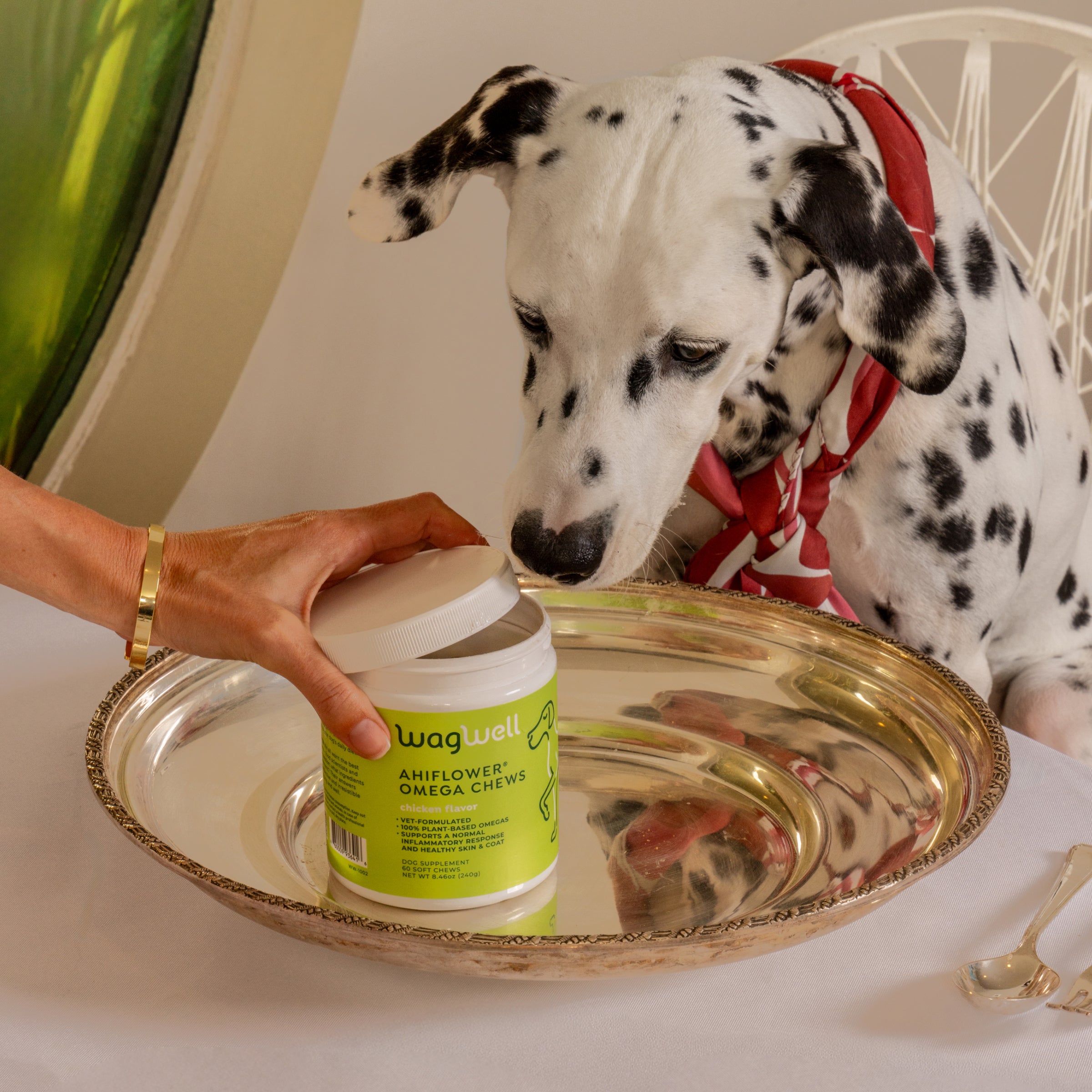
Supporting your dog's overall wellness with supplements like Ahiflower Omega Chews can promote calm behavior and emotional balance through complete omega nutrition.
Taste and Sensory Exploration
Dogs experience much of their world through taste and smell. Your skin carries flavors that intrigue them, especially after exercise when salt from sweat accumulates. Lotions, sunscreen, and food residue also attract canine tongues. This exploratory licking helps dogs gather information about where you've been and what you've encountered.
Puppies explore through licking more than adult dogs as they develop their understanding of the environment. This normal developmental behavior usually decreases with maturity and training. The texture and temperature of your skin also provide sensory feedback that dogs find engaging.
Anxiety and Stress Relief
Dogs lick themselves and their humans as a self-soothing mechanism during stressful situations. The repetitive motion and release of endorphins help calm anxious feelings. If your dog licks you more during thunderstorms, fireworks, or when left alone, anxiety likely drives the behavior.
Research from the American Veterinary Medical Association indicates that stress-related licking often appears alongside other anxiety symptoms including panting, pacing, trembling, and excessive yawning.
Creating a calm environment, maintaining consistent routines, and providing plenty of physical and mental stimulation all support emotional wellbeing. For dogs experiencing persistent anxiety, Dog Calming Chews offer a plant-based blend of proven ingredients like chamomile, melatonin, and full-spectrum hemp to promote relaxation. Consult with your veterinarian for personalized recommendations if anxiety significantly impacts your dog's quality of life.
Medical Reasons and Health Concerns
Sometimes excessive licking points to physical discomfort or medical conditions. Dogs may lick you more when they experience nausea, dental pain, or gastrointestinal upset. The licking motion helps them cope with uncomfortable sensations they cannot otherwise communicate.
Obsessive licking that suddenly increases or targets specific areas warrants veterinary attention. Potential medical causes include:
-
Gastrointestinal issues causing nausea
-
Dental disease or mouth pain
-
Nutritional deficiencies affecting behavior
-
Neurological conditions
-
Skin allergies prompting general oral behaviors
Your veterinarian can perform a thorough examination to rule out physical causes. Blood work, dental evaluation, and other diagnostic tests help identify underlying health problems that might drive the behavior.
Proper nutrition supports overall health and behavior. Ahiflower Omega Oil provides complete omega nutrition with a plant-based formula that's gentle on sensitive stomachs and free from the fishy smell that can sometimes trigger excessive licking behaviors.
Compulsive Behavior Patterns
In some cases, licking escalates beyond normal communication into compulsive territory. Canine compulsive disorder resembles obsessive-compulsive disorder in humans. According to research published by the National Institutes of Health, dogs develop repetitive behaviors they perform excessively without clear purpose.
Warning signs of compulsive licking include prolonged sessions lasting many minutes, licking that interrupts sleep or eating, and resistance to distraction. Environmental stress, genetic predisposition, and insufficient mental stimulation can all contribute to compulsive behaviors developing.
Treatment for compulsive licking requires professional guidance. Your veterinarian may recommend a veterinary behaviorist who specializes in complex behavior problems. Work with your veterinary team to determine the best approach for your dog's specific needs.
Managing and Reducing Excessive Licking
Reducing unwanted licking while maintaining healthy bonding requires patience and consistency. Start by establishing clear boundaries about when and where licking is acceptable. Allow brief greeting licks but redirect prolonged sessions to alternative behaviors.
Exercise plays a major role in managing licking behaviors. A tired dog has less energy for attention-seeking or anxiety-driven licking. Aim for age-appropriate physical activity combined with puzzle toys and training sessions that engage your dog's mind.
Mental stimulation matters just as much as physical exercise. Rotate toys regularly, practice training commands, and introduce new experiences to keep your dog engaged. A well-exercised and mentally satisfied dog typically exhibits fewer unwanted behaviors including excessive licking.
Support Complete Wellness
Comprehensive wellness care addresses the root causes of behavioral concerns. Quality nutrition, regular veterinary care, and appropriate supplementation work together to support balanced behavior. Plant-based omega fatty acids support brain health and emotional balance through anti-inflammatory benefits.
Skin and digestive health also influence behavior patterns. Dogs with allergies, skin irritation, or gastrointestinal discomfort may lick more as they attempt to self-soothe. Allergy & Itch Chews combine colostrum, Epicor, and Ahiflower Oil to reduce inflammation and support comfortable skin.
Regular grooming and hygiene routines keep your dog comfortable and reduce licking triggers. Daily Cleansing Wipes offer a convenient way to maintain skin health between baths with a microbiome-friendly formula.
Understanding why does my dog lick me so much helps you respond with compassion and appropriate boundaries. Most licking expresses normal canine communication and affection. Remember that sudden changes in licking behavior deserve veterinary attention to rule out medical causes. WagWell offers science-backed solutions that support your dog's complete wellness through plant-based omega nutrition and targeted support for anxiety and allergies. Explore the Better Bowl Bundle to enhance daily nutrition with omega-rich oil and protein-packed toppers.
Sources:
Behavior Problems in Older Dogs
A Review of Medical Conditions and Behavioral Problems in Dogs and Cats
Recent Articles


