



Why is my dog coughing is a concern that sends many pet parents searching for answers. Dog coughing can signal anything from minor irritation to serious respiratory conditions requiring immediate veterinary attention. Understanding the potential causes, recognizing warning signs, and knowing when to seek professional help protects your dog's health.
This guide explores common reasons why dogs cough, what different cough types might indicate, and how to support your dog's respiratory health through proper care and nutrition.
Common Causes of Dog Coughing
Why is my dog coughing depends on numerous potential factors affecting the respiratory system. Kennel cough, formally called infectious tracheobronchitis, ranks among the most common causes. This highly contagious respiratory infection produces a distinctive honking cough that sounds harsh and dry.
According to the American Kennel Club, heart disease can cause coughing when an enlarged heart presses against the windpipe. This typically affects older dogs and often worsens at night or during rest periods.
Tracheal collapse occurs more frequently in small breed dogs. The windpipe loses rigidity and partially collapses during breathing, triggering a goose-honk cough. Excitement, pressure on the neck, or exercise often triggers these episodes.
Other common causes include:
-
Respiratory infections including pneumonia
-
Allergies to environmental irritants
-
Foreign objects lodged in the throat
-
Heartworm disease affecting lung function
-
Chronic bronchitis or asthma
-
Lung tumors in senior dogs
Each condition produces characteristic cough patterns and accompanying symptoms. Your veterinarian can determine the specific cause through physical examination, diagnostic tests, and medical history.
Types of Dog Coughs and What They Mean
Why is my dog coughing manifests differently depending on the underlying cause. A dry, hacking cough often indicates kennel cough or tracheal irritation. This type sounds harsh without producing mucus or phlegm. Dogs may retch or gag at the end of coughing fits.
Wet or productive coughs produce mucus or phlegm. These coughs suggest fluid accumulation in the lungs from pneumonia, heart failure, or other conditions. The cough sounds moist and often brings up material.
Research from the American Veterinary Medical Association indicates that honking coughs typically relate to tracheal problems. The distinctive goose-like sound helps veterinarians narrow diagnostic possibilities quickly.
Gagging or retching coughs suggest throat irritation or attempts to clear foreign material. These coughs often accompany swallowing difficulties or excessive drooling. Wheezing coughs indicate airway constriction from allergies, asthma, or other respiratory conditions.
Note the time of day when coughing occurs. Nighttime coughing often relates to heart disease. Morning coughs may indicate bronchitis. Exercise-induced coughing suggests respiratory or heart problems.
When Dog Coughing Requires Immediate Veterinary Care
Why is my dog coughing becomes urgent when certain symptoms accompany the cough. Difficulty breathing with labored respiration, blue-tinged gums or tongue, extreme lethargy, or collapse all require emergency veterinary attention.
According to research published by the National Institutes of Health, respiratory distress can deteriorate rapidly in dogs. Early intervention significantly improves outcomes for serious conditions.
Seek prompt veterinary care if your dog shows these warning signs:
-
Coughing that persists for more than a few days
-
Blood in coughed-up material
-
Fever above 103°F
-
Loss of appetite lasting more than 24 hours
-
Significant lethargy or weakness
-
Rapid or labored breathing
-
Exercise intolerance or fainting
Puppies, senior dogs, and dogs with existing health conditions face higher risks from respiratory problems. These dogs require earlier veterinary intervention than healthy adult dogs.
Your veterinarian can provide specific guidance for your dog's situation. They may recommend diagnostic tests including chest X-rays, blood work, or other evaluations to determine the cause.
Environmental Factors Contributing to Coughing
Why is my dog coughing sometimes relates to environmental irritants rather than disease. Cigarette smoke, air pollution, household chemicals, and strong fragrances can all trigger respiratory irritation. Dogs with sensitive airways react more strongly to these irritants.
Seasonal allergies affect many dogs just as they do humans. Pollen, mold spores, and dust trigger allergic reactions that may include coughing, sneezing, and watery eyes. These symptoms typically worsen during specific seasons.
Dry air, particularly during winter heating seasons, can irritate airways and trigger coughing. Using a humidifier helps maintain comfortable humidity levels that support respiratory health.
Collar pressure on the trachea can cause or worsen coughing in dogs with tracheal problems. Switching to a harness reduces pressure on the neck and often decreases coughing frequency.
Supporting overall wellness helps dogs handle environmental challenges better. Ahiflower Omega Oil provides anti-inflammatory omega nutrition that supports respiratory health and reduces systemic inflammation.
Supporting Respiratory Health in Dogs
Why is my dog coughing prevention involves maintaining optimal respiratory health through multiple approaches. Good air quality in your home reduces irritant exposure. Avoid smoking around dogs, use natural cleaning products when possible, and ensure adequate ventilation.
Regular exercise appropriate for your dog's age and health status supports respiratory function and overall fitness. Maintain healthy weight since obesity increases respiratory stress and can worsen breathing problems.
Proper hydration keeps mucous membranes moist and functional. Always provide fresh, clean water for your dog. Adequate moisture supports the respiratory system's natural defense mechanisms.
Nutritional support contributes to respiratory health through multiple pathways. Consider these wellness-supporting approaches:
-
Complete omega fatty acids for anti-inflammatory benefits
-
Antioxidant-rich nutrition to support immune function
-
Proper weight management to reduce respiratory stress
-
Regular veterinary wellness exams for early problem detection
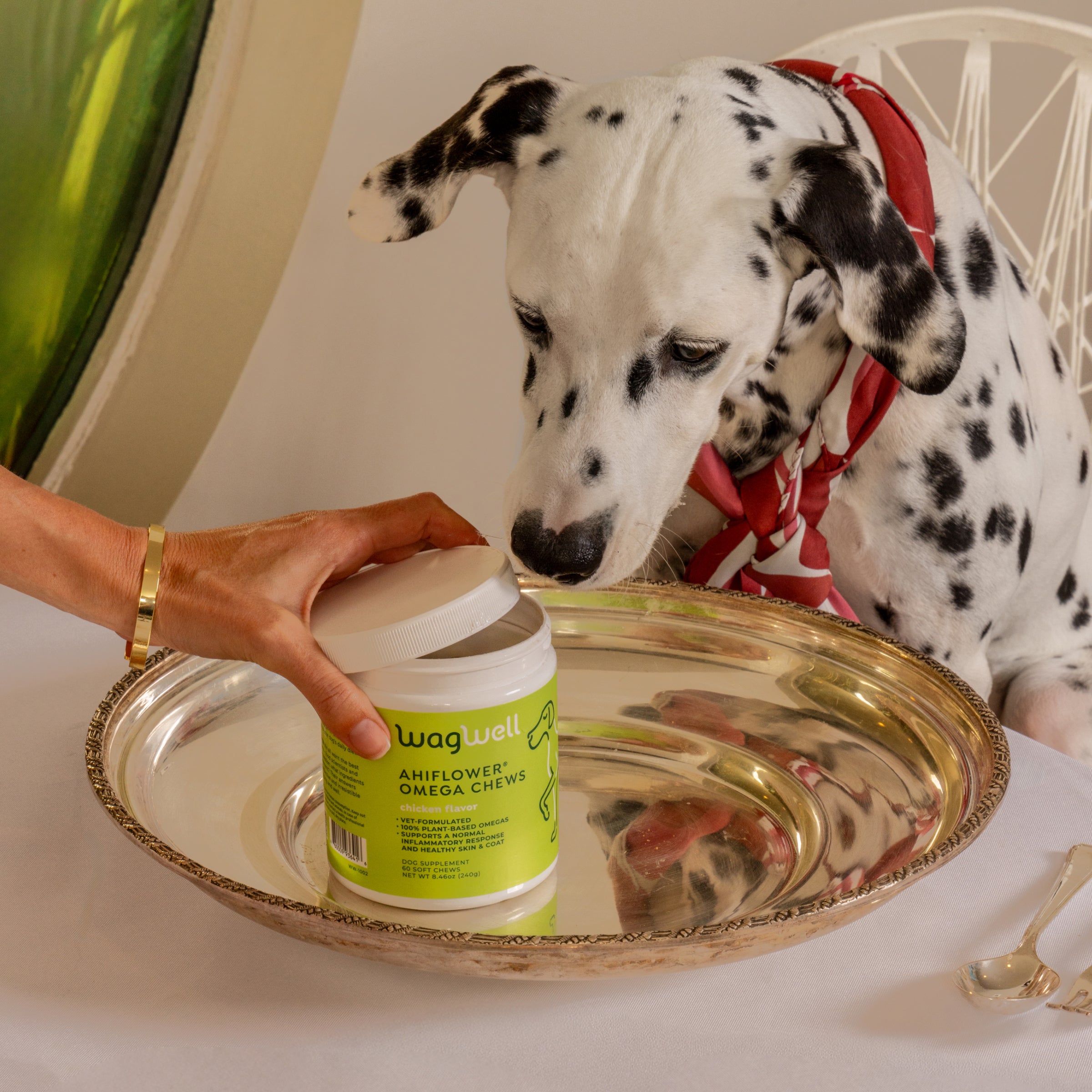
Ahiflower Omega Chews deliver complete plant-based omega-3, 6, and 9 nutrition that supports healthy inflammatory responses throughout the body including the respiratory system.
Preventing Contagious Respiratory Infections
Why is my dog coughing can often be prevented through proper vaccination and smart health practices. Kennel cough vaccines help protect against the most common causes of infectious tracheobronchitis. Dogs who frequent boarding facilities, dog parks, or grooming salons benefit most from vaccination.
Avoid exposing your dog to sick animals. If you see a dog coughing at the park or daycare, maintain distance to reduce transmission risk. Kennel cough spreads easily through airborne droplets and contaminated surfaces.
Strengthen your dog's immune system through proper nutrition, adequate rest, and stress management. A strong immune system helps dogs resist infections and recover more quickly when illness occurs.
Regular veterinary wellness exams catch developing problems early. Your veterinarian can detect heart murmurs, respiratory abnormalities, or other issues before they progress to serious stages.
Allergy & Itch Chews combine immune-supporting ingredients including colostrum and Epicor that help maintain balanced immune responses and reduce inflammation.
Managing Chronic Respiratory Conditions
Why is my dog coughing becomes a long-term management question for dogs with chronic conditions. Collapsed trachea, chronic bronchitis, and heart disease all require ongoing veterinary care and lifestyle modifications.
Weight management plays an important role in managing respiratory conditions. Excess weight increases respiratory effort and worsens symptoms. Your veterinarian can help develop an appropriate weight management plan.
Medication compliance is essential for dogs on prescribed treatments. Follow your veterinarian's instructions exactly regarding timing, dosage, and duration. Never adjust medications without veterinary guidance.
Environmental modifications support dogs with respiratory problems. Use harnesses instead of collars, maintain good air quality, control temperature and humidity, and limit strenuous exercise during symptom flares.
Address Dog Coughing Promptly
Why is my dog coughing requires veterinary evaluation to determine the underlying cause and appropriate treatment. While occasional coughing is normal, persistent or severe coughing signals problems that need professional attention. Different cough types, accompanying symptoms, and timing all provide diagnostic clues.
Never attempt to diagnose or treat respiratory problems without veterinary guidance. Many serious conditions present with coughing as an early symptom. Early intervention provides the best outcomes for most respiratory diseases.
Supporting your dog's complete wellness through quality nutrition helps maintain optimal health. WagWell's science-backed products deliver targeted support for immune function and inflammatory balance. Ahiflower Omega Oil provides complete plant-based omega nutrition with anti-inflammatory benefits that support respiratory and overall health. The Better Bowl Bundle enhances daily nutrition with omega-rich oil and high-protein toppers. Schedule a veterinary appointment to discuss your dog's coughing and receive personalized recommendations for diagnosis, treatment, and ongoing wellness care.
Sources:
Why Do Dogs Cough? Causes and Treatments
Canine infectious respiratory disease complex (Kennel cough)
Recent Articles


