



Why is my dog drinking so much water is a concern that deserves prompt attention from pet parents. Increased water consumption in dogs can signal underlying health conditions ranging from minor dietary changes to serious medical issues. Recognizing what counts as excessive drinking and knowing when to seek veterinary care helps you protect your dog's health before problems progress.
What Counts as Excessive Water Intake
Why is my dog drinking so much water starts with understanding normal hydration levels. Healthy dogs typically drink between 0.5 and 1 ounce of water per pound of body weight daily. A 50-pound dog normally drinks roughly 25 to 50 ounces per day. Consumption consistently above this range warrants veterinary evaluation.
Factors That Affect Normal Water Intake
Several everyday factors increase water consumption without indicating illness. Diet plays a significant role since dogs eating dry kibble drink more water than dogs eating wet food. Exercise, hot weather, and nursing puppies also increase normal water needs.
According to the American Kennel Club, salty treats, high-sodium foods, and certain medications also increase thirst temporarily. These situational increases in drinking typically resolve once the triggering factor changes.
When Increased Drinking Becomes a Concern
Excessive thirst becomes concerning when it persists beyond a day or two without an obvious cause. Dogs who drink dramatically more than usual, empty their water bowls repeatedly, or seek water from unusual sources may experience a medical problem.
Increased urination almost always accompanies excessive drinking. Dogs who need frequent bathroom trips, have accidents indoors, or wake during the night to urinate likely drink more than normal. These paired symptoms give veterinarians important diagnostic information.
Medical Causes of Excessive Thirst in Dogs
Why is my dog drinking so much water frequently points to underlying medical conditions that require veterinary diagnosis and treatment. Several serious health conditions list increased thirst as a primary symptom. Early identification and treatment improve outcomes significantly.
Hormonal and Metabolic Conditions
Diabetes mellitus causes excessive thirst and urination as the body attempts to flush excess blood sugar through urine. Affected dogs also typically show increased appetite, weight loss despite eating well, and lethargy. Research from the American Veterinary Medical Association confirms that diabetes requires prompt veterinary management through diet changes and insulin therapy.
Cushing's disease, also called hyperadrenocorticism, causes excessive cortisol production that triggers intense thirst. Affected dogs often show a pot-bellied appearance, hair loss, and increased appetite alongside drinking more water. Hypothyroidism and Addison's disease also cause changes in water consumption.
Kidney and Liver Disease
Kidney disease reduces the kidneys' ability to concentrate urine, causing dogs to drink more water to compensate for increased fluid loss. Dogs with kidney disease often show decreased appetite, weight loss, vomiting, and lethargy. Early detection through blood and urine testing helps slow disease progression.
Liver disease impairs the organ's ability to process waste products, triggering increased thirst as the body attempts to dilute toxins. Both kidney and liver disease require prompt veterinary diagnosis and ongoing management.
Watch for these symptoms alongside excessive drinking:
-
Decreased appetite or weight loss
-
Vomiting or diarrhea
-
Lethargy or weakness
-
Changes in urine color or odor
-
Bloated abdomen
-
Yellowing of skin or eyes
Schedule a veterinary appointment immediately if your dog shows any of these symptoms with increased water consumption.
Diagnosing Why Your Dog Drinks Excessively
Why is my dog drinking so much water requires professional diagnosis to identify the specific cause. Veterinarians use several diagnostic tools to determine what drives excessive thirst. Accurate diagnosis guides appropriate treatment and management.
Veterinary Diagnostic Process
Your veterinarian will start with a thorough physical examination and detailed health history. Providing information about when the increased drinking started, any recent dietary or environmental changes, and other symptoms helps narrow diagnostic possibilities.
Blood work reveals kidney function, liver health, blood sugar levels, and hormonal imbalances. A complete blood count and comprehensive metabolic panel provide a broad picture of your dog's internal health. These tests identify most common causes of excessive thirst.
Urinalysis measures urine concentration and checks for infection, glucose, protein, and other abnormalities. Dilute urine alongside excessive drinking strongly suggests conditions like diabetes or kidney disease. Your veterinarian can provide specific guidance based on these results.
Additional Testing
Some conditions require additional testing for accurate diagnosis. Hormonal assays measure cortisol and thyroid levels. Urine cultures identify urinary tract infections that increase drinking. Abdominal ultrasound visualizes kidney and liver structure. Work with your vet to determine the best diagnostic approach for your dog's specific situation.
Supporting Your Dog's Health During Evaluation
Why is my dog drinking so much water requires veterinary care, but you can support your dog's wellbeing during the diagnostic process. Proper nutrition and supplementation help maintain overall health while you pursue answers.
Nutrition and Hydration Support
Always provide fresh, clean water available at all times. Never restrict water access in dogs showing excessive thirst since this can worsen dehydration in dogs with underlying conditions. Change water frequently to encourage consumption of clean water.
According to research published by the National Institutes of Health, omega fatty acids support kidney health and reduce inflammation associated with various metabolic conditions. Ahiflower Omega Oil provides complete plant-based omega-3, 6, and 9 nutrition that supports organ health and reduces systemic inflammation.
Monitoring and Tracking
Track your dog's water intake by measuring what you add to the bowl daily and noting how much remains. Keep a simple log of daily consumption over several days to share with your veterinarian. This objective data helps confirm whether intake truly exceeds normal ranges.
Note the times of day when drinking peaks, any correlation with meals or activity, and whether urination frequency matches drinking increases. These details help veterinarians identify patterns that point toward specific diagnoses.
Managing Conditions That Cause Excessive Thirst
Why is my dog drinking so much water often has a specific medical answer that guides long-term management. Different conditions require different approaches, all involving ongoing veterinary partnership.
Lifestyle and Dietary Adjustments
Many conditions causing excessive thirst benefit from dietary modifications. Kidney disease responds well to reduced protein and phosphorus diets formulated specifically for kidney support. Diabetes management requires consistent meal timing and carbohydrate control.
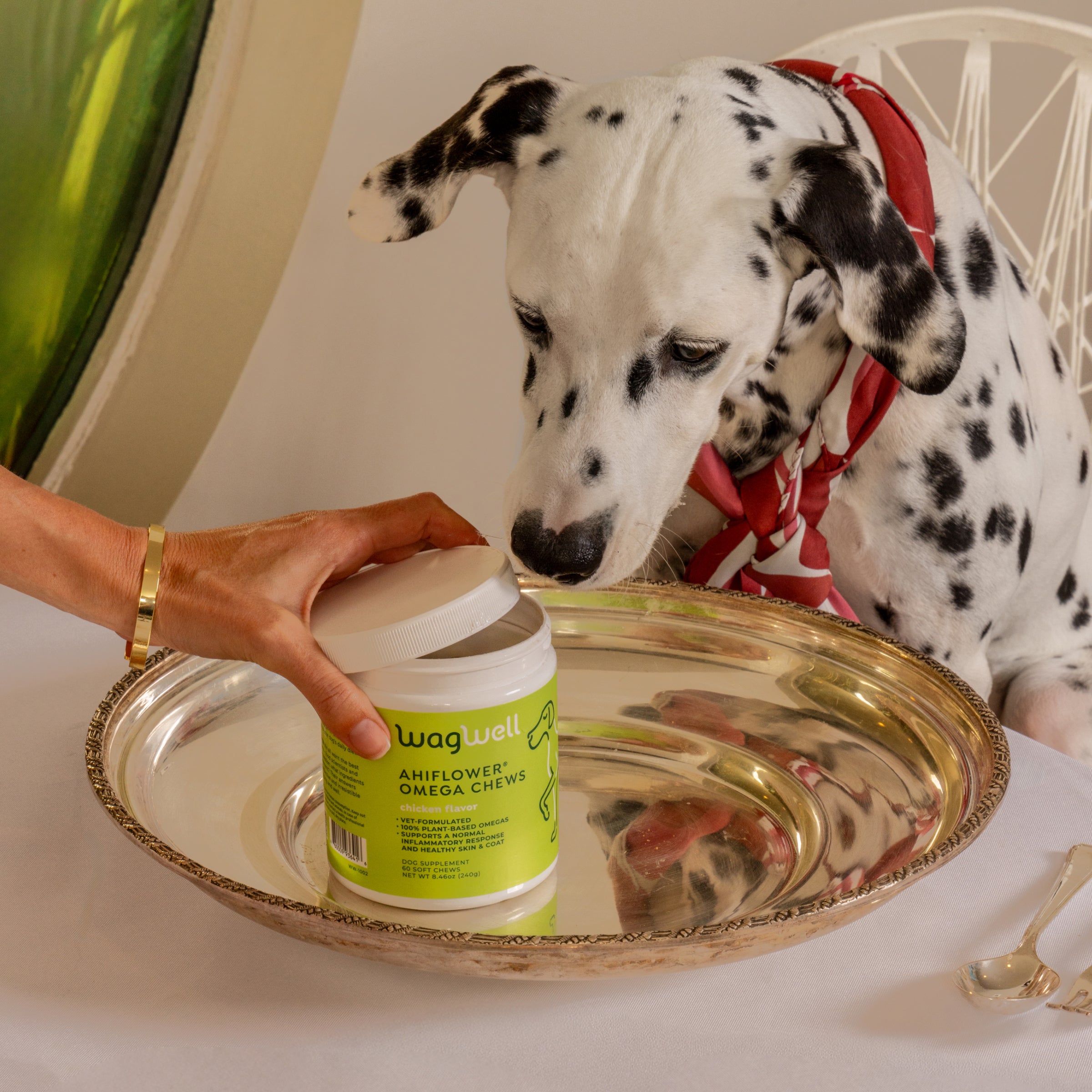
Support overall wellness through high-quality nutrition and targeted supplementation. Ahiflower Omega Chews deliver daily omega nutrition that supports kidney function and reduces inflammation across multiple body systems.
Long-Term Wellness Monitoring
Dogs diagnosed with conditions causing excessive thirst require regular veterinary monitoring. Follow-up blood work and urinalysis track disease progression and treatment effectiveness. Medication adjustments, dietary changes, and supplementation modifications happen based on these ongoing results.
Maintain detailed records of water consumption, appetite, energy levels, and urination patterns between veterinary visits. These observations provide valuable information that helps your veterinarian fine-tune management strategies. Your veterinarian can provide personalized recommendations for monitoring frequency and testing schedules.
Support your dog's comfort and skin health during illness with Daily Cleansing Wipes, which maintain coat and skin health between baths using a certified microbiome-friendly formula.
Act Promptly on Excessive Drinking
Why is my dog drinking so much water deserves a prompt, thorough veterinary response rather than a wait-and-see approach. Persistent excessive thirst paired with increased urination, appetite changes, or lethargy signals conditions that progress without treatment.
Track your dog's daily water intake and schedule a veterinary appointment if consumption consistently exceeds normal ranges. Early diagnosis and intervention produce the best outcomes for most conditions causing excessive thirst.
WagWell products support complete canine wellness through science-backed nutrition. Ahiflower Omega Oil provides anti-inflammatory omega nutrition that supports kidney, liver, and overall organ health. The Better Bowl Bundle combines omega-rich oil with high-protein beef topper to support daily nutrition during health challenges. Consult with your veterinarian for personalized guidance on your dog's specific diagnosis, treatment plan, and long-term wellness care.
Sources:
Recent Articles


