


Why is my dog licking his paws constantly, and should you be concerned? Occasional paw licking is completely normal. Dogs use it as part of their self-grooming routine, especially after walks on dirty or sandy ground. The concern starts when licking becomes persistent, intense, or focused on one specific paw. At that point, something is driving the behavior beyond simple hygiene, and identifying the root cause matters far more than trying to stop the licking itself.
Paw licking that goes unchecked creates its own set of problems. The constant moisture from saliva breaks down the skin barrier, creating warm, damp conditions where bacteria and yeast thrive. What starts as mild irritation from an allergy or injury can escalate into a full skin infection requiring prescription medication. Getting ahead of the problem early saves your dog significant discomfort and your veterinarian visit from becoming more complicated than necessary.
Common Reasons Dogs Lick Their Paws
Several distinct causes drive paw licking in dogs, and each one requires a different response. Understanding these categories helps you observe your dog more accurately and communicate useful details to your veterinarian.
Injuries and Physical Irritation
The most straightforward cause of sudden paw licking is physical discomfort in the paw itself. According to the American Kennel Club, if licking starts abruptly and focuses on a single paw, a physical examination of that paw should be your first step.
Check carefully for these common culprits:
-
Cuts, scrapes, or puncture wounds between the pads
-
Cracked or dry paw pads from hot pavement or cold weather
-
Thorns, grass seeds, or small debris embedded in the skin
-
Broken or torn nails
-
Bee stings or insect bites
-
Burns from hot asphalt or chemical ice melt products
Some of these resolve with basic first aid. Others require veterinary attention, particularly embedded foreign objects or deep cuts that risk infection. Apply Paw Protector regularly between walks to condition paw pads and create a protective barrier against hot surfaces, salt, rough terrain, and environmental irritants. The vet-approved, microbiome-friendly formula moisturizes and strengthens paw pads before damage occurs.
Allergies
Allergies represent the most common reason dogs lick their paws chronically. PetMD notes that allergic reactions can cause skin irritation, infections, and hot spots almost anywhere on the body, including the paws. The tricky part is that allergens come from multiple sources, making identification a process rather than a quick answer.
Allergy triggers fall into three main categories:
-
Environmental: Grass, pollen, mold, and dust mites cause seasonal or year-round reactions depending on your dog's specific sensitivities
-
Food-based: Common protein sources like chicken, beef, dairy, wheat, and soy trigger immune responses in some dogs
-
Contact: Lawn chemicals, household cleaners, certain fabrics, and synthetic materials cause localized reactions where skin touches the irritant
Dogs with environmental allergies often show seasonal patterns, with symptoms worsening in spring and fall when pollen counts peak. Food allergy symptoms tend to persist year-round without clear seasonal variation. Your veterinarian uses elimination diets, allergy testing, and symptom history to narrow down the source.
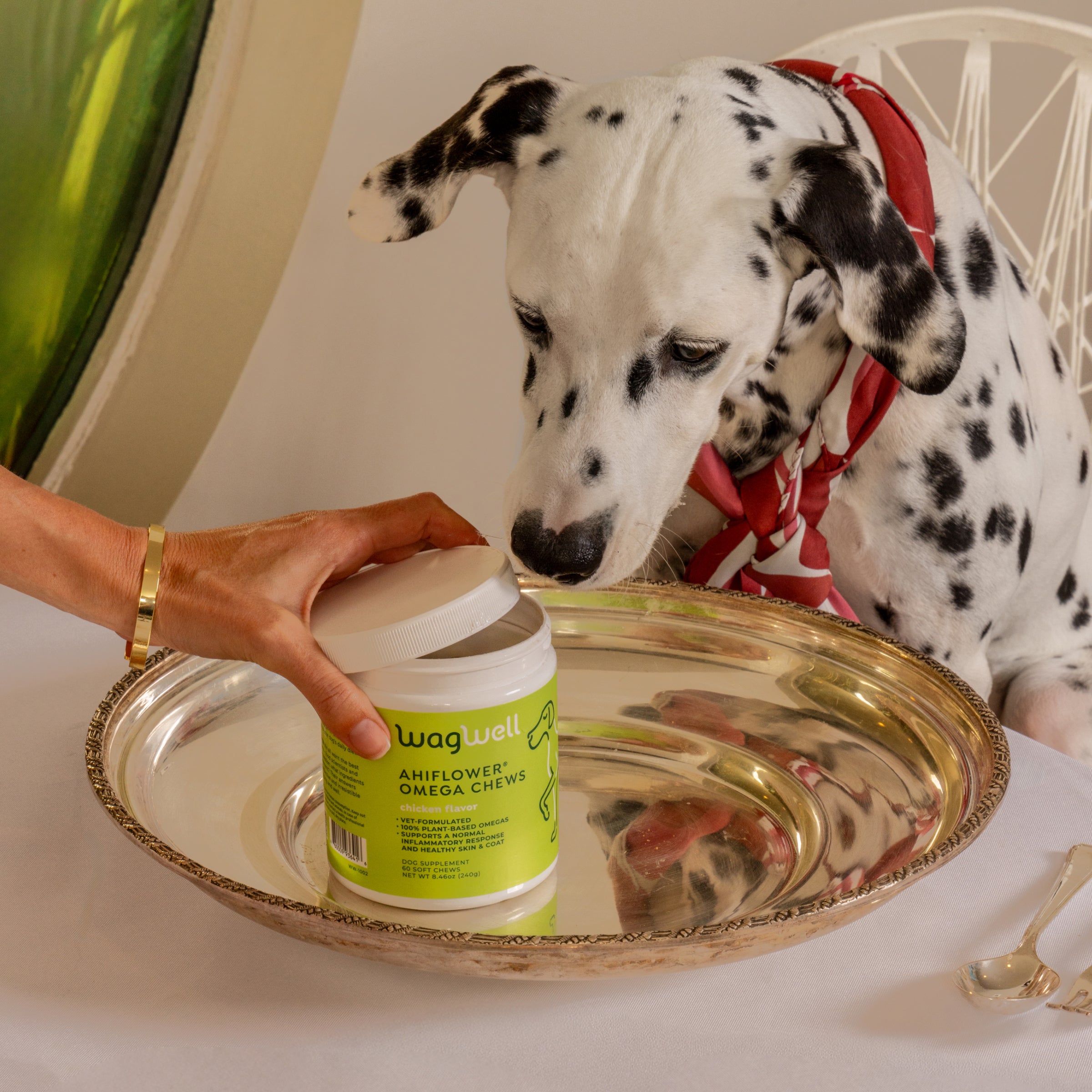
Supporting skin health from within helps dogs manage allergic inflammation more effectively. Ahiflower Omega Oil delivers plant-based omega 3, 6, and 9 fatty acids that strengthen the skin barrier and reduce inflammatory responses throughout the body. Added daily to food, it supports the skin's natural defenses against allergen penetration. Allergy & Itch Chews combine colostrum, Epicor, and organic echinacea with Ahiflower omega fatty acids to support the immune system's histamine response and reduce seasonal and year-round allergy symptoms naturally.
Wiping paws after every walk removes surface allergens before they penetrate the skin. Daily Cleansing Wipes make this routine simple and effective. These certified microbiome-friendly wipes reduce irritation while keeping the skin balanced between full baths.
Parasites
Fleas, ticks, and mites create intense itching that often concentrates around the paws and lower legs. Flea allergy dermatitis causes a reaction to flea saliva rather than the bite itself, meaning even a single flea triggers significant discomfort in sensitive dogs. Demodectic mange, caused by mite overgrowth, creates itchiness, hair loss, and scaly lesions on the skin and paws.
Check your dog's paws and coat regularly during warmer months when parasites are most active. Look between the toes and under the paw pads where ticks commonly attach. Your veterinarian can recommend appropriate prevention and treatment depending on which parasite is present.
Pain and Joint Issues
Paw licking does not always originate from a problem in the paw itself. Dogs experiencing pain in their joints or elsewhere in the body sometimes focus persistent licking on a front paw as a coping response. Arthritis affects not just large joints like hips and shoulders but also the small joints in the toes, causing discomfort that dogs communicate through licking and chewing.
Mobility Chews support joint health with glucosamine HCL, chondroitin sulfate, OptiMSM, Curcuvet, and Ahiflower omega fatty acids. This combination addresses both joint structure and inflammation, helping dogs with arthritis or age-related stiffness move more comfortably. Consult your veterinarian before beginning any joint supplement to ensure it suits your dog's specific condition and current medications.
Behavioral Causes
When physical and medical causes have been ruled out, behavioral factors come into focus. Boredom, anxiety, stress, and compulsive disorders all manifest through repetitive behaviors in dogs, and paw licking ranks among the most common. Dogs experiencing separation anxiety, noise phobias, or significant routine changes often develop licking habits that persist even after the triggering stressor passes.
Address behavioral paw licking through increased exercise, mental enrichment, and environmental stability. Puzzle toys and regular physical activity reduce the excess energy that feeds compulsive habits. Calming Chews contain chamomile, passionflower, magnolia bark extract, and full spectrum hemp oil to support emotional balance during stressful situations. For dogs with established compulsive behaviors, a veterinary behaviorist provides structured intervention beyond what supplements alone can address.
Why Is My Dog Licking His Paws: When Licking Becomes Dangerous
Unchecked paw licking leads to a condition called pododermatitis, a painful infection of the skin, nail folds, and paw pads. According to PetMD, pododermatitis starts with inflammation and progresses to bacterial or yeast infections that are difficult to resolve without prescription treatment. The constant moisture from saliva allows Malassezia yeast and Staphylococcus bacteria to overpopulate, creating a cycle of infection and itching that worsens with every licking session.
Watch for these signs that require prompt veterinary attention:
-
Redness, swelling, or visible discharge between the toes
-
Brown or rust-colored staining on the fur from saliva
-
Abnormal odor coming from the paws
-
Limping or reluctance to bear weight
-
Open sores, bleeding, or oozing wounds
-
Whimpering or flinching when paws are touched
Do not wait on these symptoms. Pododermatitis becomes harder to treat the longer the underlying cause goes unaddressed. Your veterinarian may prescribe antibiotics, antifungals, topical sprays, or anti-inflammatory medications depending on what the examination reveals.
Helping Your Dog Find Relief
Answering why is my dog licking his paws requires careful observation and often professional diagnosis. Injuries call for immediate physical examination and first aid. Allergies need systematic identification of triggers and consistent management of inflammation. Parasites respond to targeted prevention and treatment. Pain requires veterinary diagnosis before appropriate support can begin.
Behavioral causes improve with enrichment, stress reduction, and sometimes professional behavioral support. The common thread across every cause is that early action produces simpler solutions. Catching the problem before secondary infections develop protects your dog from unnecessary discomfort and keeps treatment straightforward.
Sources:
PetMD. Why Do Dogs Lick and Chew Their Paws?
Recent Articles


