


Why is my dog not eating his food but will eat treats is a common behavior that puzzles many pet parents. This selective eating pattern can signal anything from simple pickiness to underlying health concerns requiring veterinary attention. Understanding the difference helps you respond appropriately and ensures your dog maintains proper nutrition and wellness throughout their life.
Common Reasons for Selective Eating
Why is my dog not eating his food but will eat treats stems from multiple potential causes. Picky eating develops when dogs learn they can hold out for more appealing options. Environmental factors, medical conditions, and learned behaviors all contribute to this frustrating pattern.
Medical Problems Affecting Appetite
According to the American Kennel Club, dental problems frequently cause dogs to avoid hard kibble while accepting soft treats. Tooth pain, gum disease, or oral injuries make chewing kibble uncomfortable. Treats often have softer textures that hurt less to eat.
Digestive upset, infections, organ disease, and other health problems can reduce hunger while dogs still accept highly palatable treats. The stronger flavor and smell of treats appeals more than regular food when appetite decreases.
Behavioral and Environmental Factors
Stress from household changes, anxiety, or competition from other pets can suppress appetite for regular meals. Dogs may still accept treats during stressful periods because treats carry positive associations and require less commitment than full meals.
Food quality and freshness matter significantly. Stale kibble, rancid fats, or food stored improperly loses appeal. Dogs detect these quality issues through their sensitive noses and refuse degraded food while accepting fresh treats.
Health Concerns Behind Food Refusal
Why is my dog not eating his food but will eat treats sometimes indicates medical problems requiring professional evaluation. Gastrointestinal issues and systemic diseases commonly cause selective eating patterns. Early veterinary intervention prevents complications from extended periods without adequate nutrition.
Signs of Dental Disease
Research from the American Veterinary Medical Association shows that dental disease represents one of the most common causes of food refusal. Watch for these dental warning signs:
-
Bad breath or unusual mouth odor
-
Visible tartar buildup on teeth
-
Red or bleeding gums
-
Pawing at the mouth or face
-
Dropping food while eating
-
Preferring one side of the mouth
Other Medical Conditions
Kidney disease, liver problems, and other organ dysfunction affect appetite significantly. These conditions alter taste perception and create nausea that makes regular food unappealing.
Pain from arthritis, injuries, or other conditions can reduce appetite for meals while dogs still accept treats offered directly. Medications sometimes cause appetite changes as side effects.
Schedule a veterinary appointment if food refusal persists beyond 24 hours, if your dog shows other symptoms like vomiting or lethargy, or if weight loss occurs.
Behavioral Factors in Selective Eating
Why is my dog not eating his food but will eat treats often reflects learned behavior patterns. Dogs quickly discover that refusing meals leads to more interesting food options. Understanding these patterns helps you break the cycle effectively.
Learned Pickiness
According to research published by the National Institutes of Health, food preferences in dogs develop through experience and conditioning. Repeatedly offering preferred foods when dogs refuse meals teaches them that patience pays off with better options.
Attention-seeking behavior also drives food refusal. Some dogs learn that skipping meals brings worried attention from their owners. The increased interaction reinforces the refusal behavior.
Environmental Influences
Environmental distractions affect eating behavior. Dogs in busy households may feel too stimulated or anxious to focus on eating regular meals. Treats offered directly capture attention more effectively than food bowls competing with household activity.
Food bowl location and presentation influence eating willingness. Bowls placed in high-traffic areas, near loud appliances, or too close to other pets create stress during meals.
Solutions for Selective Eating
Why is my dog not eating his food but will eat treats requires consistent strategies to resolve. Establishing structured routines and avoiding reinforcement of picky behavior helps dogs return to healthy eating patterns.
Establishing Feeding Schedules
Establish regular feeding schedules with meals offered at the same times daily. Leave food available for 15 to 20 minutes, then remove it regardless of whether your dog ate. This teaches that meal times are limited opportunities.
Avoid offering treats, table food, or alternative meals when your dog refuses their regular food. Breaking this cycle requires consistency from all family members.
Making Food More Appealing
Improve food appeal through simple modifications. Try warming kibble slightly to release aromas that stimulate appetite. Add small amounts of warm water to create gravy. Mix in a spoonful of plain canned pumpkin or low-sodium broth for variety.
Supporting digestive health helps maintain healthy appetite. Ahiflower Omega Oil provides anti-inflammatory omega nutrition that supports comfortable digestion.
Consider food quality carefully. Store kibble in airtight containers in cool, dry locations. Check expiration dates and discard food that smells off.
When Food Changes Help
Why is my dog not eating his food but will eat treats sometimes signals that the current food no longer appeals to your dog. Gradual transitions and quality improvements can renew interest in regular meals.
Transitioning Foods Properly
Change foods slowly over 7 to 10 days by mixing increasing amounts of new food with decreasing amounts of current food. Abrupt changes cause digestive upset that worsens eating problems.
Select high-quality foods with strong nutritional profiles. Look for named protein sources as the first ingredient, appropriate fat levels, and minimal fillers.
Using Food Toppers Wisely
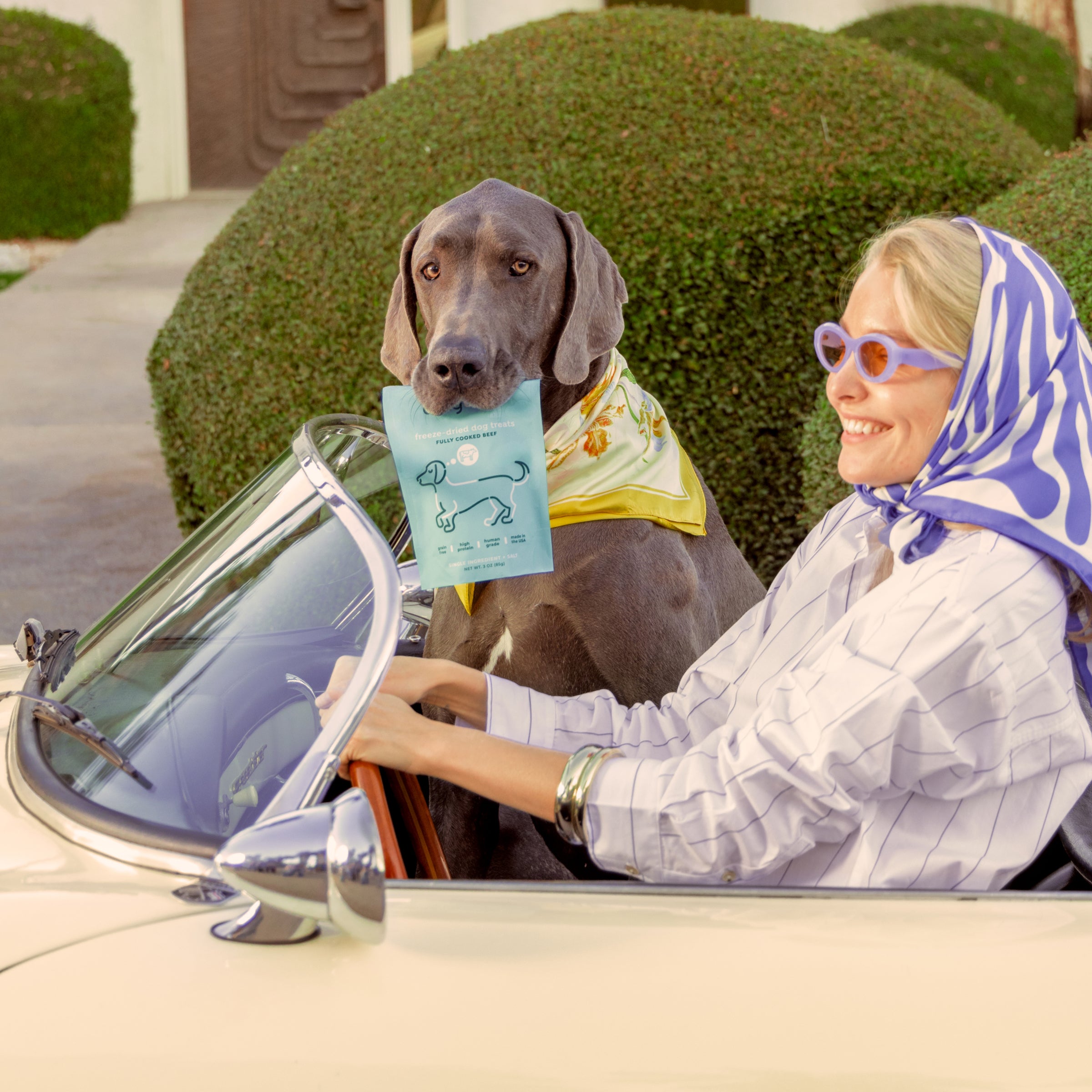
Food toppers can make regular meals more appealing without creating selective eating. Freeze-Dried Beef Topper adds high-protein nutrition and appealing flavor to kibble. Use toppers consistently rather than only when your dog refuses food.
Rotate between different protein sources periodically to maintain interest. Monitor your individual dog's response to determine their preference pattern.
Creating Positive Mealtime Routines
Why is my dog not eating his food but will eat treats improves when you establish structured, positive feeding routines. Environment, timing, and presentation all influence eating behavior significantly.
Optimizing the Feeding Environment
Feed meals in quiet, low-stress locations away from household traffic and other pets. This allows dogs to focus on eating without distraction or competition.
Use food puzzles or slow-feeder bowls to make meals more engaging. These tools turn eating into a mentally stimulating activity that appeals to food-motivated dogs.
Exercise and Timing
Exercise before meals stimulates appetite through increased metabolism and energy expenditure. A good walk or play session 30 to 60 minutes before feeding often improves eating enthusiasm.
Maintain calm energy during feeding times. Anxious hovering creates pressure that some dogs find stressful. Place the food bowl down and walk away.
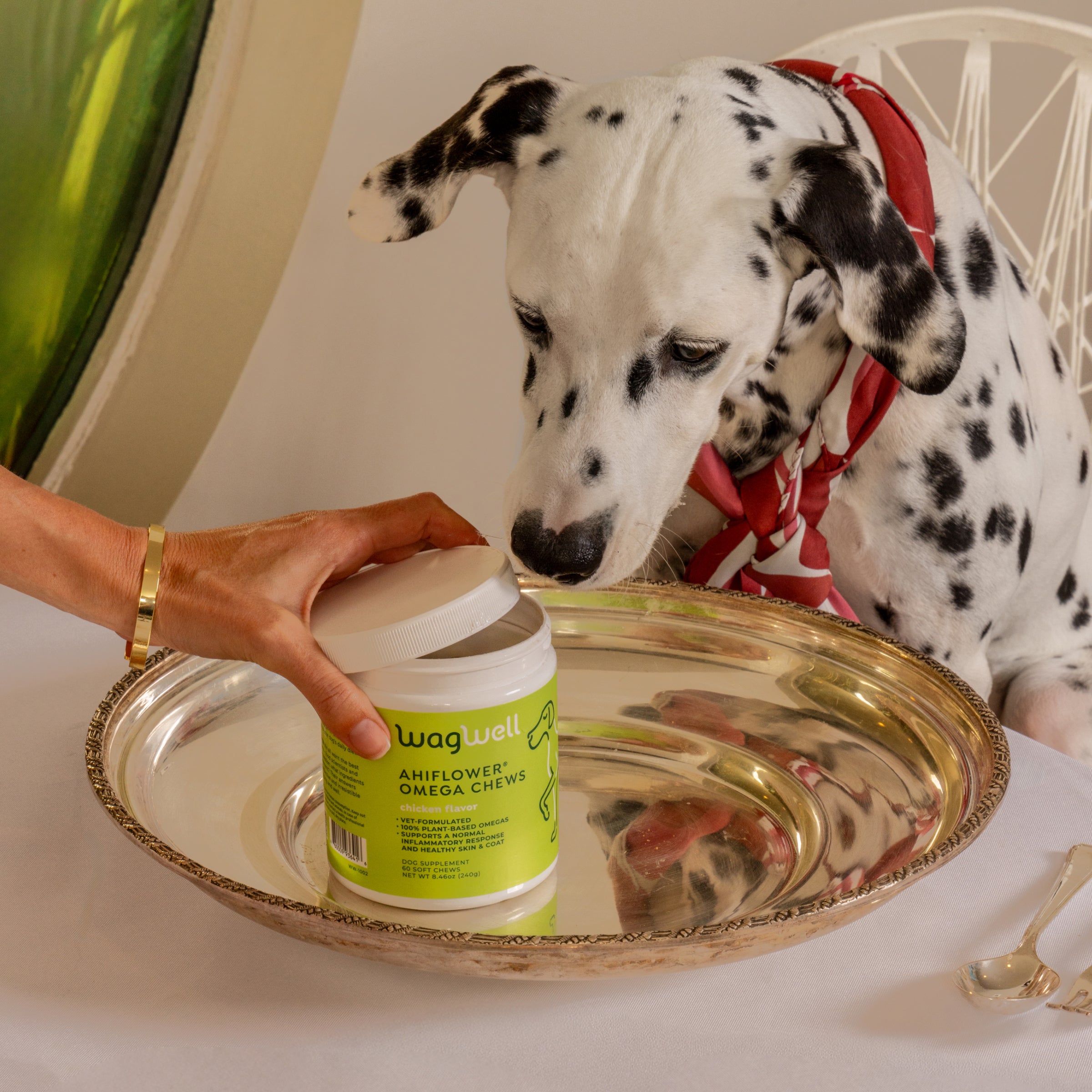
Supporting overall wellness helps maintain healthy appetite. Ahiflower Omega Chews deliver plant-based omega nutrition that supports digestive comfort.
Restore Healthy Eating Habits
Why is my dog not eating his food but will eat treats requires patience and consistency to resolve. Rule out medical causes through veterinary examination before assuming behavioral issues drive the pattern.
Establish structured feeding schedules with limited meal availability. Avoid reinforcing selective eating by offering preferred foods when your dog refuses regular meals. This consistency helps dogs understand that meal times provide their primary nutrition source.
WagWell products support complete canine wellness through science-backed formulations. Ahiflower Omega Oil provides anti-inflammatory nutrition that supports digestive health. The Better Bowl Bundle combines omega-rich oil with high-protein toppers that enhance meal appeal while delivering complete nutrition. Consult with your veterinarian for personalized guidance on nutrition, eating behaviors, and any health concerns affecting your dog's appetite and food preferences.
Sources:
Recent Articles


