


Why is my dog shedding so much more than usual? This question crosses the mind of countless pet parents who find themselves constantly sweeping up fur tumbleweeds or lint-rolling their clothes before leaving the house. While some shedding is completely normal for most dogs, excessive hair loss can signal underlying issues that need attention. Shedding serves an important biological purpose, allowing dogs to regulate their body temperature and replace old or damaged hair with healthy new growth.
Every dog sheds differently based on breed, coat type, and individual factors. Double-coated breeds naturally shed more during seasonal transitions, while some breeds shed year-round at a consistent rate. Understanding what's typical for your specific dog helps you recognize when shedding crosses from normal to concerning. The amount of fur you find around your home should remain relatively stable throughout the year, with perhaps two heavier shedding periods during spring and fall.
Excessive shedding often appears suddenly or progressively worsens over time. Your dog might develop bald patches, irritated skin, or a dull, brittle coat alongside the increased hair loss. These signs point to potential health concerns rather than simple seasonal changes. Identifying the root cause helps you address the problem effectively and restore your dog's coat to its healthy, lustrous state.
Understanding Normal vs. Excessive Shedding
Different factors influence how much your dog naturally sheds throughout the year. Recognizing these patterns helps you distinguish between expected hair loss and problematic shedding that requires intervention.
Seasonal Shedding Patterns
Most dogs experience two major shedding cycles annually, typically in spring and fall. These natural transitions help dogs adapt to temperature changes by growing or losing their undercoat. Spring shedding removes the heavy winter coat to prevent overheating in warmer months, while fall shedding makes room for thicker insulation before winter arrives. This process usually lasts three to six weeks, during which you'll notice significantly more loose fur around your home.
Breed-Specific Shedding Tendencies
Coat type determines how much and how often dogs shed. Double-coated breeds like Siberian Huskies, German Shepherds, and Golden Retrievers shed heavily twice yearly and moderately year-round. Single-coated breeds such as Poodles and Maltese shed minimally but require regular grooming to prevent matting.
According to the American Kennel Club, some breeds, including Labrador Retrievers, shed consistently throughout the year regardless of season. Understanding your breed's natural shedding pattern provides a baseline for comparison.
Age-Related Coat Changes
Puppies transition from their soft puppy coat to adult fur between four and twelve months old, causing temporary increased shedding. Senior dogs may shed more as their skin and coat health naturally declines with age.
Hormonal changes during pregnancy or nursing also trigger heavier shedding in female dogs. These age-related variations represent normal physiological processes rather than health concerns.
Why Is My Dog Shedding So Much: Common Causes
Several everyday factors can trigger excessive shedding beyond typical seasonal patterns. Identifying these causes helps you determine whether simple lifestyle adjustments might resolve the issue or if veterinary attention is needed.
Nutritional Deficiencies
Diet plays a fundamental role in coat health and shedding patterns. Dogs require adequate protein, essential fatty acids, vitamins, and minerals to maintain healthy skin and fur. Poor-quality foods lacking these nutrients weaken hair follicles, leading to brittle hair that breaks and sheds excessively.
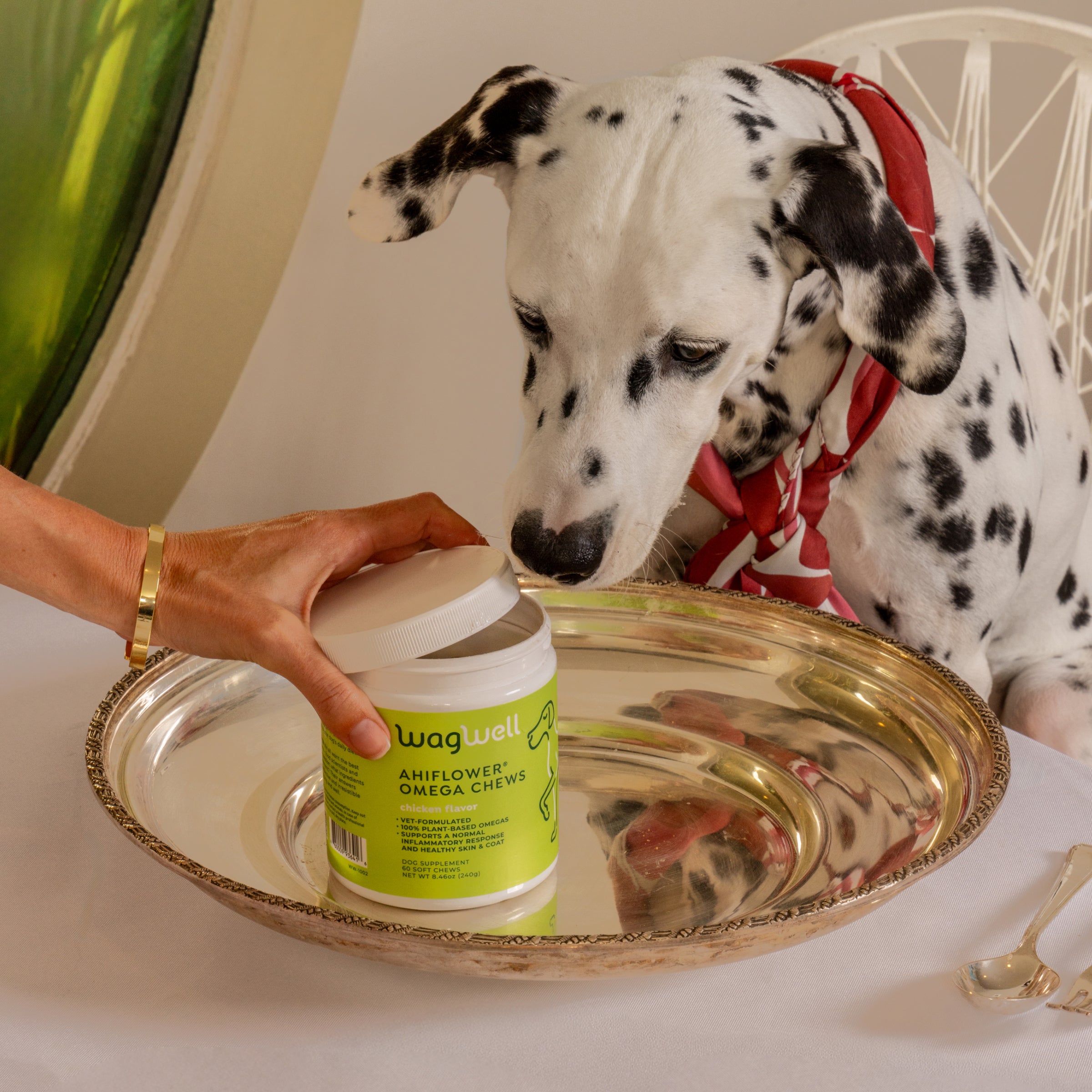
Research published by the National Center for Biotechnology Information demonstrates that omega fatty acids prove particularly important for skin barrier function and coat strength. Supplementing with Ahiflower Omega Chews provides a complete profile of plant-based omega-3, 6, and 9 fatty acids that nourish the skin and promote a glossier, healthier coat from within.
Stress and Anxiety
Emotional stress triggers physical responses in dogs, including increased shedding. Moving to a new home, introducing a new pet, changes in routine, or extended separation from family members can all cause stress-related hair loss.
Dogs may also shed excessively during veterinary visits, grooming appointments, or car rides due to temporary anxiety. This stress-induced shedding usually resolves once the triggering situation ends and your dog returns to normal emotional balance.
Environmental Factors
Indoor living conditions affect shedding patterns significantly. Central heating and air conditioning create consistent temperatures year-round, disrupting natural seasonal shedding cycles and causing many dogs to shed continuously.
Dry indoor air strips moisture from skin and hair, making fur brittle and prone to breakage. Exposure to harsh chemicals, allergens, or irritants in household cleaners can also damage coat quality and increase shedding.
Grooming Habits
Inconsistent or improper grooming allows dead hair to accumulate in the coat rather than being removed regularly. This buildup eventually releases all at once, creating the appearance of excessive shedding.
Regular brushing with appropriate tools like the Fur & Body Brush removes loose hair before it spreads throughout your home while stimulating circulation and distributing natural oils for healthier skin and coat.
Health-Related Reasons for Excessive Shedding
Why is my dog shedding so much despite proper care and nutrition? Medical conditions often manifest through changes in coat quality and shedding patterns. These health issues require professional diagnosis and treatment.
Allergies and Skin Conditions
Food allergies, environmental allergies, and contact allergies cause inflammation that disrupts normal hair growth cycles. Affected dogs scratch excessively, damaging hair follicles and creating patchy hair loss. Bacterial or fungal skin infections produce similar symptoms alongside redness, odor, and discharge.
Parasites like fleas, mites, or lice irritate the skin and cause both direct hair loss and secondary damage from scratching. Maintaining skin health with Daily Cleansing Wipes helps reduce irritation while supporting a balanced microbiome.
Hormonal Imbalances
Thyroid disorders, particularly hypothyroidism, commonly cause excessive shedding in dogs. Low thyroid hormone levels slow hair growth and weaken existing hair, resulting in a thin, dull coat. Cushing's disease, adrenal disorders, and reproductive hormone imbalances similarly affect coat quality. These conditions require blood tests for accurate diagnosis and typically respond well to appropriate medication.
Internal Health Issues
Liver disease, kidney disease, and certain cancers can manifest through deteriorating coat condition and abnormal shedding. The body prioritizes essential organ function over maintaining healthy fur during illness, diverting nutrients away from hair follicles.
Digestive disorders that impair nutrient absorption create similar effects despite adequate dietary intake. Any sudden increase in shedding accompanied by lethargy, appetite changes, or behavioral shifts warrants prompt veterinary evaluation.
How to Manage Excessive Dog Shedding
Addressing why your dog is shedding so much starts with implementing practical management strategies. These approaches work for both normal and excessive shedding.
Regular grooming remains the foundation of shedding control. Brush your dog at least three times weekly during normal periods and daily during heavy shedding seasons. Use appropriate tools for your dog's coat type to effectively remove loose undercoat without damaging healthy hair. Bathing every four to eight weeks with gentle products helps release dead hair while maintaining skin health. Consider the Supreme Skin & Coat Bundle for comprehensive support, combining omega supplementation, protective balm, and cleansing wipes.
Optimize your dog's diet with high-quality protein sources and essential nutrients. The American Veterinary Medical Association recommends looking for foods listing meat as the primary ingredient and containing omega fatty acids from sources like fish oil or plant-based alternatives. Adequate hydration supports skin moisture from within, so ensure constant access to fresh water. Dietary changes require six to eight weeks to show visible coat improvements.
Control environmental factors by maintaining moderate indoor temperatures and using humidifiers during dry seasons. Vacuum regularly with HEPA filters to manage loose fur and reduce allergen exposure. Wash bedding weekly in hot water to remove accumulated hair and dander. These simple adjustments create healthier living conditions for both you and your dog.
Schedule veterinary checkups at least annually, or more frequently for senior dogs. A professional evaluation can identify underlying health conditions before they cause serious problems. Blood tests, skin scrapings, or allergy testing may be necessary to diagnose specific causes of excessive shedding. Early intervention typically produces better outcomes and prevents complications.
Your Dog Deserves a Healthy, Beautiful Coat
Understanding why your dog is shedding so much empowers you to take appropriate action. Normal shedding represents a natural process, while excessive hair loss often indicates correctable issues. Nutrition, stress management, proper grooming, and environmental control form the foundation of healthy coat maintenance.
Medical conditions require professional diagnosis and treatment, but typically respond well to appropriate intervention. Your attentive care helps your dog maintain a lustrous, healthy coat throughout all life stages.
Sources:
https://www.akc.org/expert-advice/health/why-is-my-dog-shedding/
https://www.avma.org/resources/pet-owners/petcare/nutrition-dogs
Recent Articles


