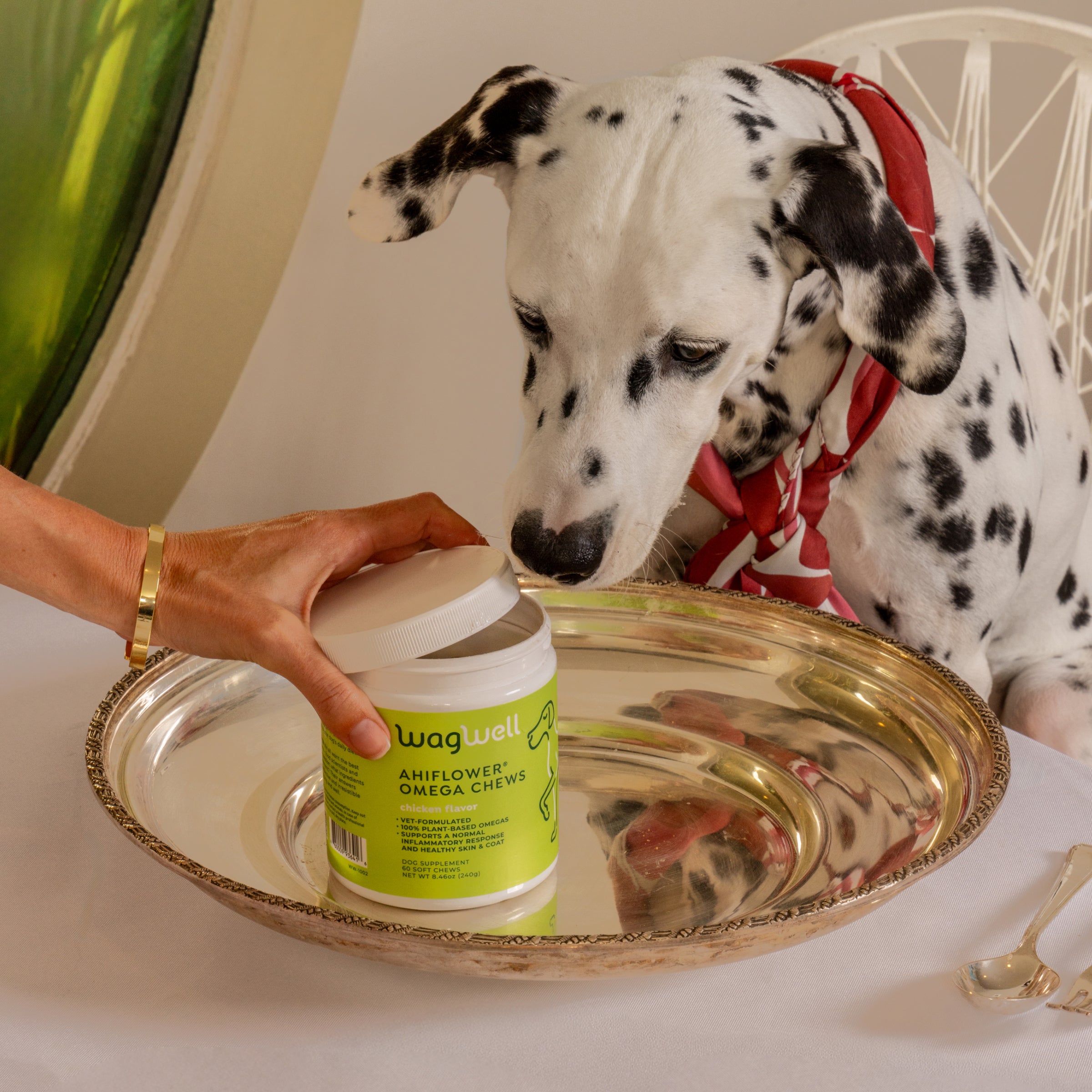




Can dogs eat strawberries safely, and should they be part of your pup's diet? The short answer is yes, but there's more to know before you share these sweet berries. Strawberries pack vitamins, fiber, and antioxidants that benefit dogs when given the right way. The key lies in understanding portion sizes, preparation methods, and recognizing which dogs should skip this fruity snack altogether.
Can Dogs Eat Strawberries Without Health Risks?
Dogs can safely enjoy strawberries as an occasional treat when you prepare them correctly. These berries contain natural sugars along with vitamin C, fiber, and antioxidants that support your dog's immune system and digestive health. Fresh strawberries provide a low-calorie snack option compared to many store-bought dog treats.
The natural sugars in strawberries mean moderation matters quite a bit for your dog's overall health. Too many berries can upset your dog's stomach or contribute to weight gain over time. According to the USDA FoodData Central database, one cup of strawberries contains about 7 grams of natural sugar. A few berries work as a healthy snack, but they shouldn't replace balanced nutrition from quality dog food and targeted supplements that address specific health needs.
Most dogs tolerate strawberries well, though some may experience digestive sensitivity. Start with one small strawberry to test how your dog reacts before offering more. Watch for signs of stomach upset like diarrhea, vomiting, or excessive gas in the hours following their first strawberry snack.
What Nutrients Do Strawberries Provide Dogs?
Strawberries deliver several beneficial nutrients that support canine health in meaningful ways. Vitamin C acts as an antioxidant, though dogs produce this vitamin naturally. Fiber aids digestion and helps maintain healthy bowel movements. Manganese supports bone health and metabolism.
The antioxidants in strawberries include anthocyanins and ellagic acid. These compounds help fight free radicals and may reduce inflammation as dogs age. Omega fatty acids from sources like Ahiflower Omega Oil provide even stronger anti-inflammatory benefits for comprehensive wellness support.
How Much Sugar Is Too Much?
One cup of strawberries contains about 7 grams of sugar. For dogs, this amount needs careful consideration based on their size. A 50-pound dog eating one cup gets a significant sugar boost. Small dogs need even more careful portion control to avoid sugar overload.
The glycemic load of strawberries is relatively low compared to other fruits. Still, dogs with weight issues need limited fruit intake overall. Balance treat calories with regular meals to maintain healthy weight.
How Should You Serve Strawberries to Your Dog?
Preparation method affects both safety and digestibility when giving strawberries to dogs. The way you prepare these berries makes the difference between a healthy snack and a potential hazard.
Always wash berries thoroughly to remove pesticides and dirt. Remove the green leafy tops and stems completely. Cut large strawberries into bite-sized pieces appropriate for your dog's size.
Best Ways to Prepare Strawberries
Here are the safest ways to serve strawberries to your dog:
-
Fresh whole berries work best for large dogs who can chew them safely.
-
Chopped pieces suit small and medium dogs better by reducing choking risk.
-
Mashed strawberries blend easily into food for picky eaters or senior dogs with dental issues.
-
Frozen berries make a refreshing summer treat on hot days.
Some dogs prefer mashed strawberries mixed into their regular food. This method works well for dogs suspicious of new foods. You can blend strawberries with plain yogurt for an occasional special treat.
What to Avoid When Serving Strawberries
Never serve canned strawberries packed in syrup. Skip strawberry-flavored products like yogurt or ice cream, which often contain artificial sweeteners dangerous to dogs. Xylitol is toxic to dogs even in small amounts and can cause life-threatening hypoglycemia.
Avoid strawberries with whipped cream or chocolate. Chocolate is toxic to dogs, and whipped cream adds empty calories. Strawberry jam contains too much sugar and should never be shared.
What Size and Breed Considerations Matter?
Small dogs need proportionally smaller serving sizes than large breeds require. Body size directly impacts how much fruit is appropriate. A Chihuahua weighing 5 pounds has vastly different needs than a Golden Retriever weighing 70 pounds.
A Chihuahua should get half a small strawberry at most. A Golden Retriever can handle three to four medium berries safely. The American Kennel Club recommends that treats make up no more than 10% of your dog's daily caloric intake. Adjust portions based on your dog's size, activity level, and caloric needs.
Age-Related Considerations
Puppies can eat strawberries once they're weaned and eating solid food regularly. Their digestive systems may be more sensitive to new foods. Introduce strawberries slowly and watch for reactions.
Senior dogs often enjoy soft treats like mashed strawberries. Older dogs with reduced activity need fewer treat calories to prevent weight gain. Dog joint health supplements become especially important for senior dogs maintaining mobility.
Certain breeds prone to weight gain need careful monitoring. Labrador Retrievers, Beagles, and Dachshunds gain weight easily. These breeds benefit from low-calorie options like strawberries. Supporting healthy weight alongside targeted supplements helps maintain mobility as these breeds age.
Are There Dogs Who Shouldn't Eat Strawberries?
Not every dog should eat strawberries, even though most tolerate them well. Certain health conditions make strawberries a poor choice.
Dogs with diabetes should avoid strawberries due to their sugar content affecting blood glucose. The carbohydrates complicate blood sugar management for diabetic dogs. Dogs with sensitive stomachs may not tolerate strawberries either. The fiber content can worsen diarrhea in dogs experiencing digestive upset.
Can Dogs Have Strawberry Allergies?
Food allergies in dogs are relatively uncommon but can occur with strawberries. True allergies involve immune system responses causing symptoms beyond digestive upset. Itching, skin irritation, or ear infections signal potential reactions.
Watch for signs of allergic reaction after introducing strawberries. Excessive scratching indicates a problem. Red skin, hives, or facial swelling need veterinary attention. Severe reactions may cause difficulty breathing and require emergency care.
If your dog shows food sensitivities, allergy support supplements can help manage symptoms while you identify trigger foods.
What About Strawberry Products and Alternatives?
Strawberry-flavored dog treats contain minimal real fruit. They include artificial flavors and preservatives instead. These additives provide no benefit and may cause digestive upset. Real strawberries offer more nutrients than processed products.
Other Safe Berry Options
Other berries work just as well as strawberries when given appropriately. The ASPCA Animal Poison Control Center confirms that several berries are safe for dogs in moderation:
-
Blueberries are lower in sugar and pack powerful antioxidants for brain health.
-
Raspberries contain anti-inflammatory compounds but should be limited.
-
Blackberries provide fiber and vitamins similar to strawberries.
-
Cranberries support urinary tract health but taste very tart.
Rotating different berries provides variety while keeping sugar reasonable. Non-fruit alternatives include specially formulated dog treats that provide nutritional benefits. Freeze-dried treats preserve nutrients while offering convenience.
How Do Strawberries Fit Into Overall Dog Nutrition?
Strawberries complement but never replace complete dog food as the foundation of nutrition. Your dog's primary diet should provide all essential nutrients first. Quality matters more than quantity when building your dog's nutrition plan.
Supporting your dog's health requires more than just smart food choices. Comprehensive wellness supplements target specific areas like joint mobility and skin health. These areas need extra support that treats alone can't address. Plant-based omega fatty acids provide anti-inflammatory benefits for whole-body health.
The 90/10 rule guides treat portions effectively. This means 90% of daily calories come from complete dog food. The remaining 10% allows for training treats and fruit snacks. This approach prevents overfeeding while maintaining your dog's enthusiasm for regular meals.
Fresh strawberries make a nutritious occasional treat for most dogs when served properly. Focus on proper preparation, appropriate portions, and watching for individual sensitivities. Remember that treats complement rather than replace the balanced nutrition your dog needs from quality food and targeted supplementation for optimal health.
Sources:
-
USDA FoodData Central - Strawberries, raw nutritional information: https://fdc.nal.usda.gov/
-
American Kennel Club - Fruits and Vegetables Dogs Can and Can't Eat: https://www.akc.org/expert-advice/nutrition/fruits-vegetables-dogs-can-and-cant-eat/
-
ASPCA Animal Poison Control Center - People Foods to Avoid Feeding Your Pets: https://www.aspca.org/pet-care/animal-poison-control/people-foods-avoid-feeding-your-pets
Recent Articles


