



How long does it take for dog supplements to work once you start that first dose? It is one of the most common questions pet parents ask, and the honest answer depends entirely on what you are giving and why. Some supplements show changes within days. Others need months of consistent use before you notice anything at all. Knowing what timeline to expect for each type keeps you from giving up too early or assuming something has failed when it just needs more time.
Supplements are not medications. They work gradually, building up in the body and supporting systems over time rather than producing an immediate effect. That distinction matters because it changes how you should judge whether something is working. A joint supplement that has not visibly helped after one week has not failed. It simply has not had enough time to do its job yet.
How Long Does It Take for Dog Supplements to Work for Joint Health
Joint supplements rank among the most commonly used category for dogs, and they also tend to require the most patience. Cartilage repair and inflammation reduction happen at a cellular level, which takes weeks rather than days to produce a visible change in mobility.
What the Research Shows
A randomized, double-blind clinical trial published in The Veterinary Journal followed 35 dogs with confirmed osteoarthritis of the hips or elbows over a 70-day period. According to the study results available through PubMed, dogs treated with a glucosamine and chondroitin sulfate combination showed statistically significant improvements in pain, weight-bearing, and overall severity scores by day 70. The researchers specifically noted that the response was slower to develop than with a comparison anti-inflammatory medication, but the joint supplement still produced a real, measurable clinical effect.
That timeline lines up with what most veterinarians tell pet parents in practice. Expect four to six weeks before you notice early changes like a slightly easier time standing up. Full benefit typically takes eight to twelve weeks of consistent daily use. Mobility Chews combine glucosamine HCL, chondroitin sulfate, OptiMSM, and Curcuvet with Ahiflower omega fatty acids to support joint structure and reduce inflammation from multiple angles. Daily consistency matters more than anything else here. Skipping doses resets the slow building process that makes joint supplements effective in the first place.
How Long Does It Take for Dog Supplements to Work for Calming and Anxiety
Calming supplements operate on a different and somewhat faster timeline than joint support, though "fast" is relative. Behavioral changes involve neurotransmitter activity that can shift more quickly than cartilage repair, but consistency still drives the result.
Behavioral and Neuroendocrine Research
A randomized controlled clinical evaluation involving 69 dogs with behavioral disorders related to anxiety and chronic stress tested a commercial nutraceutical diet over 45 days. Findings published through PMC showed a significant increase in serotonin, dopamine, and beta-endorphin plasma concentrations alongside a significant decrease in noradrenaline and cortisol levels by the end of the study period. Those are the actual stress hormone and mood chemical shifts behind calmer behavior, not just an owner's impression of a calmer dog.
That 45-day window is a useful benchmark for calming chews in general. Some dogs show subtle changes within one to two weeks, particularly around situational stress like car rides or visitors. The deeper, more reliable shift in baseline anxiety tends to need that full six-week mark to show up consistently. Calming Chews use chamomile, passionflower, magnolia bark extract, and full spectrum hemp oil to support that gradual shift toward emotional balance. Give it the full window before deciding whether it is helping, especially for dogs with chronic, ongoing anxiety rather than situational triggers.
Skin, Coat, and Omega Supplements
Omega fatty acid supplements follow their own separate timeline driven by the hair growth cycle rather than neurochemistry or cartilage. Skin cells turn over every few weeks, and existing coat takes longer to fully reflect a nutritional change.
Most dogs show some early improvement in skin softness and reduced flakiness within two to three weeks. Visible coat shine and texture changes typically need six to eight weeks of daily supplementation to become obvious. That timeline matches the natural hair growth cycle, since the coat you see today already grew under the previous nutritional conditions.
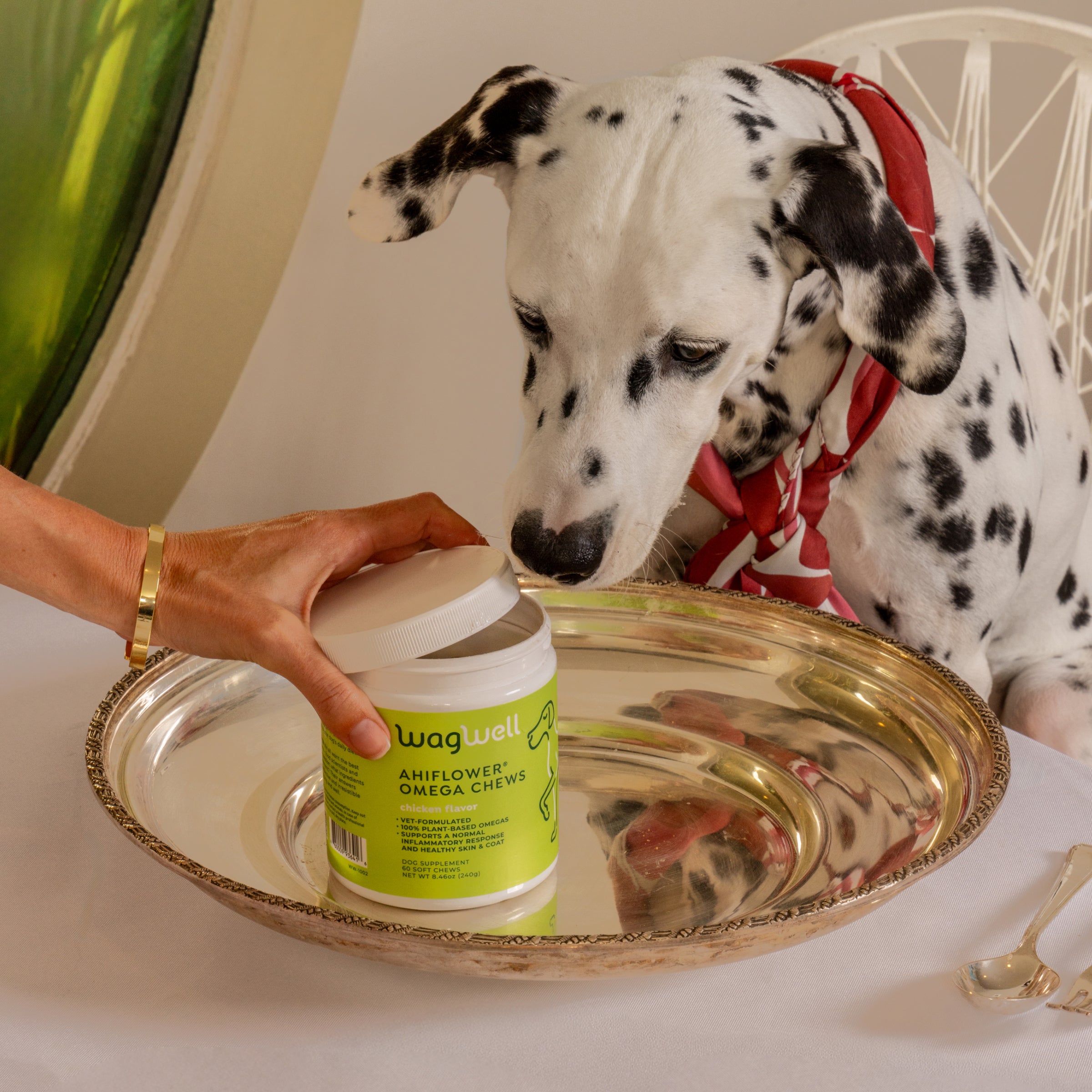
Ahiflower Omega Oil delivers a complete plant-based profile of omega 3, 6, and 9 fatty acids that nourish skin from within. Ahiflower Omega Chews provide the same support in a soft chew format for dogs who prefer treats over liquid. Either way, expect the visible payoff to build gradually rather than appear overnight.
Allergy and Itch Relief Supplements
Allergy-targeted supplements sit somewhere between the fast-acting and slow-building categories. Some dogs notice reduced scratching within the first one to two weeks as anti-inflammatory ingredients start calming the immune response. Full benefit, including reduced flare-up frequency and better resilience to seasonal triggers, usually takes four to six weeks to fully establish.
Allergy & Itch Chews combine colostrum, Epicor, organic echinacea, and Ahiflower omega fatty acids to support a calmer histamine response over time. Because allergic reactions involve ongoing immune activity rather than a single trigger, consistent daily use through an entire allergy season tends to produce better results than starting and stopping based on symptom severity.
Probiotics and Digestive Supplements
Gut health supplements often show results faster than any other supplement category, simply because digestive symptoms respond quickly to changes in bacterial balance. A systematic review of probiotic use in dogs with gastrointestinal disease, published through PMC, evaluated studies measuring outcomes like diarrhea duration, stool consistency, and recovery time. Several of the reviewed trials found measurable improvement within days for dogs dealing with acute digestive upset, though the review also noted that study quality varied and effects were sometimes modest depending on the specific probiotic strain used.
For general gut health maintenance rather than acute illness, expect a more gradual timeline. Two to four weeks of consistent use typically allows beneficial bacteria populations to establish a stable presence. Stick with one product for that full window before switching, since constantly changing probiotics resets the colonization process each time.
Setting Realistic Expectations Across Every Supplement Type
How long does it take for dog supplements to work overall comes down to what system the supplement targets. Digestive and acute symptom relief moves fastest, often within days to two weeks. Calming and behavioral support typically needs four to six weeks for a reliable shift. Skin and coat improvements take six to eight weeks to become visually obvious. Joint supplements need the most patience, with eight to twelve weeks standard before full benefit appears.
A few practices improve your odds of seeing results within those windows. Give supplements at the same time each day alongside food, since fat-soluble ingredients like omega fatty acids absorb better with meals. Track changes with brief notes or photos rather than relying on memory, since gradual improvements are easy to miss day to day. Avoid switching products too quickly. Most of the disappointment around supplements comes from abandoning them before the realistic timeline has even finished.
Talk to your veterinarian before starting any new supplement, particularly if your dog takes other medications or has an existing health condition. They can also help you set a fair timeline specific to your dog's age, breed, and the issue you are targeting.
Patience Pays Off
Supplements work through steady, cumulative support rather than quick fixes. Understanding the realistic timeline for each category, whether that is days for digestive relief or months for joint health, helps you judge fairly whether something is actually working. Give your dog's body the time it genuinely needs, stay consistent with dosing, and the changes tend to show up exactly when the research suggests they should.
Sources:
Recent Articles


