


Understanding how to calm an anxious dog starts with recognizing the problem. Anxiety affects dogs of all breeds and sizes. Your furry friend may struggle with stress daily. These feelings impact their quality of life significantly.
Many factors trigger anxiety in canine companions. Loud noises create fear in sensitive dogs. Separation from owners causes distress for some pups. New environments overwhelm others who prefer familiar spaces.
This guide provides practical solutions for anxious dogs. You'll discover methods that create real change. These strategies combine environmental shifts with natural support options.
Recognizing Anxiety in Your Canine Companion
Dogs express anxiety through specific behavioral patterns. Early detection helps you intervene before problems escalate. Physical symptoms often appear alongside behavioral changes that disrupt daily routines.
Physical and Behavioral Warning Signs
Your anxious dog may display multiple symptoms simultaneously. These indicators vary based on personality and trigger severity. Observation skills help you spot patterns over time.
Common anxiety symptoms include these observable behaviors:
-
Excessive panting when your dog hasn't exercised recently
-
Destructive chewing on furniture, shoes, or household items
-
Pacing back and forth without settling down
-
Constant barking, whining, or howling episodes
-
Trembling or shaking for no apparent reason
-
Refusing food or favorite treats unexpectedly
Research from the American Veterinary Medical Association shows anxiety disorders affect many companion animals. Professional evaluation rules out medical causes of these symptoms. Veterinary guidance ensures you address the root problem correctly.
Common Triggers That Cause Dog Anxiety
Multiple situations provoke anxiety responses in sensitive dogs. Understanding your dog's specific triggers guides your response strategy.
Separation anxiety develops when dogs bond too intensely with owners. Leaving home becomes traumatic for these attached companions. Noise phobias stem from sensitivity to unexpected loud sounds.
Changes in routine disrupt dogs who thrive on predictability. Moving to new homes creates uncertainty and stress. Unfamiliar people or animals may trigger defensive anxiety responses.
How To Calm An Anxious Dog Using Environmental Changes
Your home setup directly affects your dog's stress levels. Strategic modifications create security that reduces anxiety triggers. These adjustments support your dog's emotional needs effectively.
Designing a Dedicated Safe Space
Every anxious dog deserves a personal retreat zone. This area provides shelter during overwhelming moments. Select a quiet location away from high-traffic areas. Add soft bedding with familiar scents your dog recognizes.
Your dog's safe zone should include these essential elements:
-
Consistent location that never changes unexpectedly
-
Comfortable temperature without drafts or excessive heat
-
Low lighting that creates a calming atmosphere
-
Access to fresh water at all times
-
Calming products placed nearby for easy use
Never force your dog into this space. Positive associations develop through voluntary choice alone. Treats and praise reinforce this area as peaceful.
Controlling External Stressors
Managing environmental triggers reduces anxiety episodes significantly. Window coverings block visual triggers like passing strangers. White noise machines mask sudden outdoor sounds effectively.
Limit exposure to known triggers during initial training phases. Gradual desensitization helps dogs overcome specific fears safely. This process requires patience and systematic positive reinforcement.
Behavioral Approaches for Calming Anxious Dogs
Training techniques provide powerful anxiety management tools. These methods teach dogs healthier stress responses. Implementation requires consistency over weeks or months.
Exercise and Mental Stimulation Benefits
Physical activity releases built-up nervous energy naturally. Mental challenges tire anxious dogs as effectively as running. Balanced stimulation prevents boredom that worsens anxiety symptoms.
The National Center for Biotechnology Information published research on canine exercise benefits. Physical activity reduces cortisol levels associated with stress. Pairing exercise with omega supplements supports overall wellness comprehensively.
Mental enrichment activities challenge your dog's problem-solving abilities. Puzzle toys dispense treats through interactive play. Nose work games engage natural scenting instincts productively.
Training sessions build confidence while reinforcing your bond. Teaching new commands gives anxious dogs focus and structure. Short five-minute sessions prevent overwhelming sensitive learners.
The Power of Routine and Predictability
Anxious dogs thrive on consistent daily schedules. Predictable patterns reduce uncertainty that triggers stress responses. Your dog learns to anticipate events throughout each day.
Feed meals at identical times every morning and evening. Walk the same routes during similar time windows. Maintain routines even during weekends or vacation periods.
Pre-departure rituals should remain calm and understated. Emotional goodbyes reinforce separation anxiety in susceptible dogs. Low-key departures teach your dog that leaving is normal.
Natural Support Options for Dog Anxiety
Plant-based ingredients offer gentle anxiety relief for dogs. These natural compounds work through various calming pathways. Quality formulations combine multiple beneficial ingredients synergistically.
Proven Botanical Calming Ingredients
Several plant extracts demonstrate anxiety-reducing properties in research studies. These compounds support relaxation without causing excessive sedation.
Chamomile has been used for centuries to promote calmness. Passionflower supports emotional balance during stressful situations naturally. L-theanine promotes relaxation while maintaining mental alertness.
Magnolia bark extract offers multiple calming mechanisms simultaneously. Full spectrum hemp oil contains compounds that support nervous system balance. Melatonin regulates sleep cycles in dogs with nighttime anxiety.
WagWell's Calming Chews combine these proven botanicals in vet-formulated blends. Each soft chew contains chamomile, passionflower, and magnolia bark extract. These ingredients work together to support relaxation during anxiety triggers.
Supporting Wellness From Multiple Angles
Anxiety often connects to other health concerns requiring attention. Uncomfortable skin conditions increase overall stress levels noticeably. Addressing multiple wellness aspects simultaneously produces better outcomes.
Allergy relief supplements reduce inflammation throughout your dog's body. Omega fatty acids support healthy brain function over time. These essential nutrients reduce neuroinflammation linked to mood disorders.
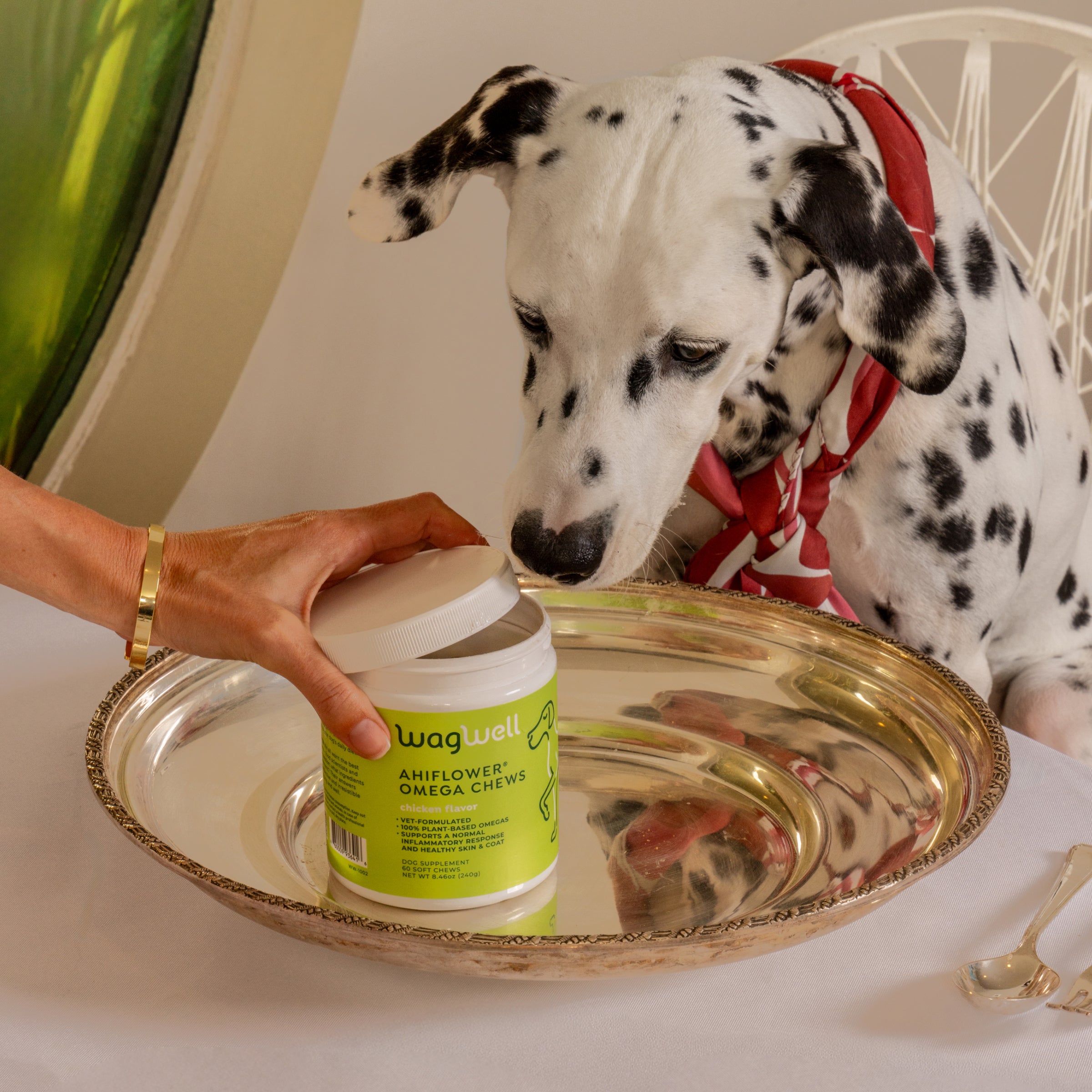
WagWell's Ahiflower Omega Oil delivers complete omega 3, 6, and 9 profiles. This sustainable option supports cognitive health without unpleasant side effects. Consistent supplementation may improve anxiety symptoms over several weeks.
Professional Help and Additional Resources
Some anxiety cases require professional intervention beyond home management. Certified dog trainers specialize in behavior modification techniques. Veterinary behaviorists address severe anxiety through comprehensive treatment plans.
The American Kennel Club provides resources for finding qualified professionals. These experts design customized protocols for individual dogs. Medication may benefit dogs with severe anxiety disorders when natural methods prove insufficient.
Support groups connect owners dealing with anxious dogs. Shared experiences provide encouragement during challenging training periods. Online communities offer advice and emotional support daily.
Bringing Peace to Your Anxious Pup
How to calm an anxious dog involves patient, consistent effort. Environmental changes create safer spaces that reduce stress exposure. Behavioral training builds confidence through positive reinforcement methods.
Natural supplements support your dog's nervous system gently. Multiple strategies working together produce the best long-term results. Your dedication makes tremendous differences in your companion's daily life.
Start implementing changes gradually rather than overwhelming yourself. Small improvements compound into significant progress over time. Every anxious dog deserves opportunities to experience genuine peace.
WagWell's science-backed products provide comprehensive support through vet-formulated ingredients. Quality supplements complement your training and environmental efforts effectively. Your dog's journey toward calmness begins with one thoughtful step.
Sources:
-
American Veterinary Medical Association. "Behavior Problems in Dogs and Cats." https://www.avma.org/resources-tools/pet-owners/petcare
-
National Center for Biotechnology Information. "Physical Exercise and Canine Behavior." https://www.ncbi.nlm.nih.gov/pmc/articles/PMC6770738/
-
American Kennel Club. "Dog Anxiety: What Dog Owners Need to Know." https://www.akc.org/expert-advice/health/treating-dog-anxiety/
Recent Articles


