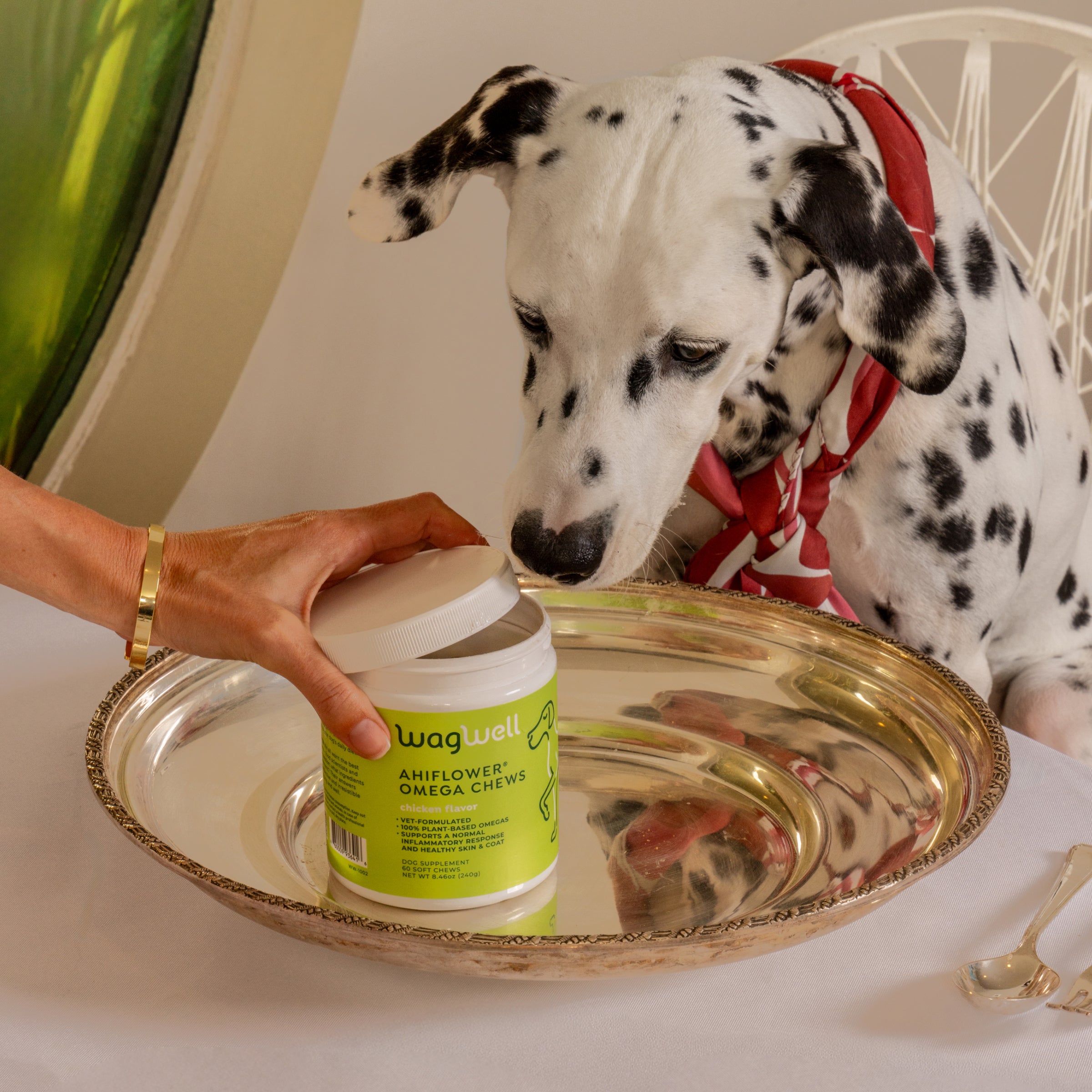




What can I give my dog orally for itchy skin that actually stops the scratching? If your dog can't stop scratching, you need answers fast. Oral supplements, medications, and dietary changes can tackle itchy skin from the inside out. The right approach depends on what's causing the itch in the first place. Allergies, inflammation, and nutritional gaps all trigger different responses that require specific solutions.
What Causes Itchy Skin in Dogs?
Understanding the root cause of your dog's itchy skin helps you pick the right treatment. Multiple factors can trigger persistent scratching, and identifying the source makes everything work better.
Environmental allergies to pollen, dust mites, or mold create seasonal or year-round problems. Food sensitivities to common proteins like beef cause inflammation that shows up as itching. Even a single flea bite can trigger allergic reactions in sensitive dogs. Dry skin from low humidity or poor diet quality leads to uncomfortable scratching too.
How Do Allergies Cause Itchy Skin?
Allergies trigger an immune response that floods your dog's body with histamine. This histamine causes inflammation, redness, and the intense itching that drives constant scratching. The skin barrier breaks down from repeated trauma, which lets bacteria and yeast move in. These secondary infections make the itching worse and create a cycle that's tough to stop.
Dogs with allergies usually scratch their paws, face, ears, and belly the most. These spots have thinner skin that reacts more strongly to whatever's bothering them. Hot spots can pop up where your dog focuses all their scratching or licking. Research in Veterinary Dermatology shows that atopic dermatitis affects up to 15% of all dogs.
What Can I Give My Dog Orally For Itchy Skin From Allergies?
Oral treatments for allergy-related itchy skin work by calming inflammation and regulating immune responses. You've got options ranging from natural supplements to prescription meds your vet might suggest.
Allergy and itch chews with colostrum, Epicor, and omega fatty acids hit multiple problem areas at once. Colostrum provides antibodies that strengthen immune function without making it overreact. Epicor feeds the good bacteria in your dog's gut that help control immune responses. These ingredients work on the root cause instead of just covering up symptoms temporarily.
Omega-3 fatty acids calm inflammation throughout your dog's entire body. Ahiflower Omega Oil gives you plant-based omegas that work just as well as fish oil. The anti-inflammatory compounds soothe irritated skin from the inside. Most dogs start showing improvement within two to three weeks of daily use.
What Natural Ingredients Help With Itchy Skin?
Natural ingredients offer relief without the harsh side effects that come with some synthetic medications. These work well for mild to moderate itching when you use them consistently:
-
Omega-3 fatty acids from plant or fish sources reduce the inflammatory markers that cause itching.
-
Quercetin works like a natural antihistamine and reduces allergic responses without making dogs drowsy.
-
Colostrum provides immune-regulating proteins that calm down overactive immune systems.
-
Probiotics support gut health, which directly impacts skin health through the gut-skin connection.
-
Vitamin E acts as an antioxidant and helps the skin barrier work better.
Plant-based omega supplements skip the heavy metals and microplastics found in regular fish oil. Omega chews deliver complete omega profiles without the fishy burps or contamination worries. You'll see the anti-inflammatory benefits show up as less scratching within a few weeks.
Can Diet Changes Help My Dog's Itchy Skin?
What your dog eats plays a huge role in skin health. Diet directly affects inflammation levels, immune function, and how well the skin barrier works. Poor nutrition shows up as dry, flaky, itchy skin that topical treatments can't really fix.
High-quality protein sources give your dog the amino acids needed for skin repair. Limited ingredient diets help you figure out which foods are causing allergic reactions. Novel proteins your dog hasn't eaten before reduce the chances of triggering food allergies. Hydrolyzed protein diets break proteins into tiny pieces that don't set off immune responses.
What Nutrients Support Healthy Skin From Within?
Certain nutrients help skin health more than others when you give them orally. These building blocks let your dog's body repair damaged skin and reduce inflammation naturally:
-
Essential fatty acids keep the skin barrier strong and reduce inflammatory responses everywhere.
-
Zinc supports wound healing and immune function while cutting down on bacterial overgrowth.
-
Biotin strengthens skin and coat health while reducing the dryness that contributes to itching.
-
Vitamin A regulates how fast skin cells turn over and supports healthy mucous membranes.
-
Protein provides the amino acids needed for collagen production and skin barrier repair.
Food toppers rich in these nutrients boost your dog's regular meals without requiring a complete diet change. Treats and toppers made for skin health pack concentrated nutrition. Freeze-dried options keep nutrient integrity better than heavily processed alternatives do and are also easier to digest.
What Prescription Options Exist For Severe Itching?
Sometimes itchy skin gets so severe that you need prescription medications from your vet. These work faster than supplements but might come with side effects you need to consider. Your vet picks the best option based on examining your dog and running diagnostic tests.
Apoquel blocks itch signals right at the receptor level and works within hours. Cytopoint injections give relief lasting four to eight weeks by targeting specific itch proteins. Steroids like prednisone reduce inflammation quickly but carry more side effects with long-term use. Cyclosporine suppresses the immune responses causing allergic skin reactions in some dogs.
The American Kennel Club points out that combining prescription meds with supplements often works better. Medications provide fast relief while supplements tackle underlying causes. This combo approach lets you reduce medication doses over time.
How Long Does It Take For Oral Treatments To Work?
Timeline expectations matter when you start giving your dog oral treatments for itchy skin. Different treatments work at different speeds, so patience becomes pretty important for success.
Prescription meds like Apoquel start working within four to eight hours for quick relief. Anti-inflammatory supplements need two to three weeks to build up therapeutic levels. Dietary changes require four to eight weeks before you'll see real improvement. Probiotic supplements might take six to eight weeks to fully regulate gut health and skin responses.
What Signs Show Oral Treatments Are Working?
Watch for these positive changes that tell you the oral treatments are helping:
-
Less frequent scratching throughout the day signals that inflammation and discomfort are going down.
-
Reduced redness and inflammation on the skin shows the immune responses calming down.
-
Better coat quality with less dryness and more shine means better nutrition is reaching the skin.
-
Fewer hot spots developing tells you your dog isn't creating new wounds from scratching.
-
Improved sleep patterns suggest your dog isn't waking up to scratch during the night.
-
Decreased paw licking shows reduced discomfort in those especially sensitive areas.
Track changes in a journal so you can monitor progress accurately over several weeks. Taking photos helps document improvements that happen gradually. Most dogs show measurable improvement within four weeks of starting the right oral treatments.
Can I Combine Different Oral Treatments Safely?
Combining oral treatments needs careful thought to avoid interactions or giving too much. Some combinations work really well together, while others create problems you definitely want to skip.
Comprehensive supplement programs designed to work together offer safer combinations than random mixing. Omega fatty acids pair perfectly with allergy support supplements without any interaction worries. Probiotics work well with most other treatments because they support overall health from the gut.
Skip combining multiple anti-inflammatory supplements without asking your vet first. Too much of certain nutrients causes problems despite your good intentions. Always tell your vet about all supplements and medications before adding anything new. The FDA's Center for Veterinary Medicine notes that proper dosing and combination guidance prevents most supplement problems.
What Should I Avoid Giving My Dog For Itchy Skin?
Some things seem like they'd help itchy skin but actually make it worse or create new problems. Knowing what to skip protects your dog from unnecessary complications.
Never give human antihistamines without getting veterinary approval first. Diphenhydramine helps some dogs but makes symptoms worse in others. The dosing is different from human recommendations. Some versions contain ingredients toxic to dogs like xylitol or decongestants that are dangerous.
Skip essential oils given by mouth because many are toxic to dogs internally. Avoid supplements without researching proper canine dosing carefully. Don't use expired medications or supplements since potency drops and safety changes. Never give multiple products with the same active ingredients because overdosing creates serious risks.
Sources:
-
Veterinary Dermatology Journal - Atopic Dermatitis in Dogs: https://onlinelibrary.wiley.com/journal/13653164
-
American Kennel Club - Dog Allergies: Symptoms and Treatment: https://www.akc.org/expert-advice/health/dog-allergies-symptoms-treatment/
-
FDA Center for Veterinary Medicine - Animal Health Literacy: https://www.fda.gov/animal-veterinary
Recent Articles


