


Watching your dog struggle with stiff joints breaks your heart. How to help a dog with arthritis at home becomes an urgent question when you see them hesitate before standing up. Joint inflammation robs dogs of the easy movement they once enjoyed. Simple activities like climbing stairs suddenly become painful challenges.
Many pet parents feel helpless during these moments. The good news is that your home can become a healing space. Small adjustments to daily routines create surprising improvements in comfort levels. You don't need expensive equipment or medical expertise to make a real difference.
This guide shares practical ways to ease arthritis pain at home. These techniques reduce discomfort and help dogs move more freely. Your aging friend deserves to enjoy their golden years without constant pain.
Spotting Arthritis Before It Gets Worse
Cartilage acts like a cushion between bones in healthy joints. Over time, this protective layer wears thin. Bones start rubbing together and inflammation sets in. Pain follows inevitably.
Large dogs often show symptoms younger than their smaller cousins. Past injuries speed up the process too. Some breeds inherit joint problems from their parents.
Watch for These Behavioral Changes
Dogs hide pain remarkably well through instinct. You need to watch for subtle shifts in behavior. These small changes often appear months before obvious limping starts.
Your dog might be developing arthritis if you notice:
-
Taking longer to stand up after naps
-
Limping on one leg that switches to another
-
Avoiding stairs they used to bound up easily
-
Turning down play invitations they'd normally accept
-
Moving stiffly first thing in the morning
-
Licking one particular joint repeatedly
The Veterinary Centers of America reports that one in five adult dogs has arthritis. Catching it early slows how fast it progresses. Understanding how to help a dog with arthritis at home begins with recognizing these warning signs.
Making Your House Easier to Navigate
Where your dog sleeps and walks affects their pain levels significantly. A few strategic changes reduce strain throughout the day. Most modifications cost less than you'd think but deliver real relief.
Upgrade Their Sleeping Situation
Regular beds don't cut it for aching joints. Arthritic dogs need beds that cradle their bodies properly. Memory foam makes a world of difference here.
These specialized beds conform to each dog's unique shape. Some have bolstered edges that help them push up when standing. Look for washable covers because accidents happen more with senior dogs.
Position beds away from cold drafts coming under doors. Set up multiple rest spots so they don't walk far to lie down. Senior dogs spend 14 to 16 hours sleeping daily.
Stop the Slipping Problem
Hard floors turn into ice rinks for dogs with sore joints. They can't grip tile or hardwood properly. Watch them walk and you'll see muscles tensing with each step.
Yoga mats work perfectly as non-slip pathways through the house. Area rugs with rubber backing stay put during movement. These simple additions help dogs walk with confidence again.
Carpeted rooms become their favorite hangouts naturally. The texture provides traction smooth floors never will. Consider temporary carpet runners in areas they use most often.
Give Them Easy Access
Every jump sends shockwaves through painful joints. Landing hurts even more than taking off. Why put them through it when ramps exist?
Pet ramps let dogs walk up to beds or into vehicles. The gradual incline feels manageable compared to jumping. Make sure whatever you buy supports their full weight without wobbling.
Shorter furniture works fine with pet stairs instead. Multiple small steps beat one big leap.
How To Help A Dog With Arthritis At Home Through Nutrition
What goes into your dog's body matters as much as their environment. Certain supplements target joint health from the inside out. The right combination reduces inflammation while protecting remaining cartilage.
Ingredients That Actually Work
Not all joint supplements deliver on their promises. Science backs certain ingredients better than others. Knowing which ones work helps you avoid wasting money on useless products.
These ingredients have solid research behind them:
-
Glucosamine helps rebuild worn-down cartilage tissue
-
Chondroitin keeps existing cartilage from breaking down faster
-
MSM eases pain signals traveling through nerves
-
Omega fatty acids calm inflammation throughout the body
-
Turmeric acts as a natural anti-inflammatory compound
The National Institutes of Health published studies confirming glucosamine benefits. Dogs given these supplements moved better after several weeks. WagWell's Mobility Chews pack all these ingredients into soft chews dogs actually want to eat.
Each chew contains 350mg glucosamine HCL and 150mg chondroitin sulfate. OptiMSM tackles pain from a different angle. Curcuvet brings turmeric's power while Ahiflower omega oil fights inflammation naturally.
Why Omega Oils Matter
Inflammation drives arthritis pain and speeds up joint damage. Omega-3 fatty acids interrupt this destructive cycle. These nutrients work slowly but steadily over time.
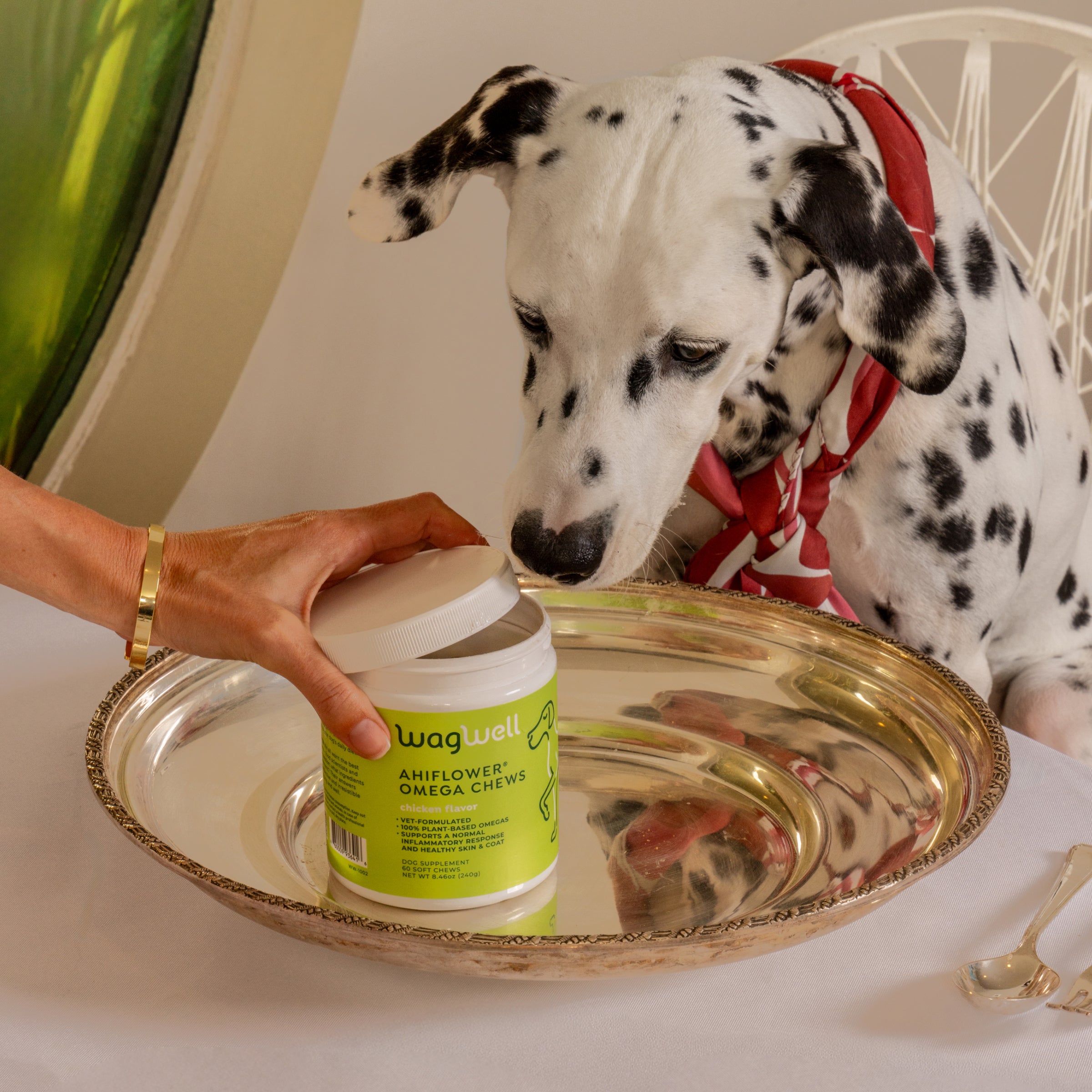
Plant-based sources avoid the downsides of fish oil completely. WagWell's Ahiflower Omega Oil delivers omega 3, 6, and 9 together. No fishy smell or burps afterward either.
Don't expect overnight miracles though. Benefits build over four to six weeks typically. Daily dosing keeps inflammation under control long-term.
Movement That Helps Instead of Hurts
Joints need movement to stay flexible and functional. Too much exercise causes flare-ups though. Finding the sweet spot takes some experimentation.
Choose Low-Impact Activities
Swimming tops the list for arthritic dogs hands down. Water supports their weight completely. They get a workout without any pounding on sore joints.
Multiple short walks beat one long trek every time. Try three 10-minute walks instead of one 30-minute march. Stick to flat sidewalks and avoid rocky trails.
The American Kennel Club emphasizes keeping arthritic dogs active appropriately. Movement maintains muscle strength that supports wobbly joints. Extra weight makes everything worse so activity helps there too.
Try Gentle Massage Techniques
Your hands can ease tight muscles around painful joints. Light circular motions increase blood flow to problem areas. This also strengthens your bond while providing relief.
Start at the neck and shoulders with gentle pressure. Work your way down the spine slowly. Skip over any joints that look swollen or hot to touch.
Passive stretching keeps joints flexible as dogs age. Gently extend and bend each leg through its normal range. Stop immediately if they pull away or whimper. Following stretches, use a massage-style body brush to stimulate micro-circulation and promote blood flow to the muscles.
Control Weight to Reduce Joint Stress
Extra pounds multiply the pressure on damaged joints exponentially. Losing even one or two pounds makes a noticeable difference. Weight management might be the single most effective thing you can do.
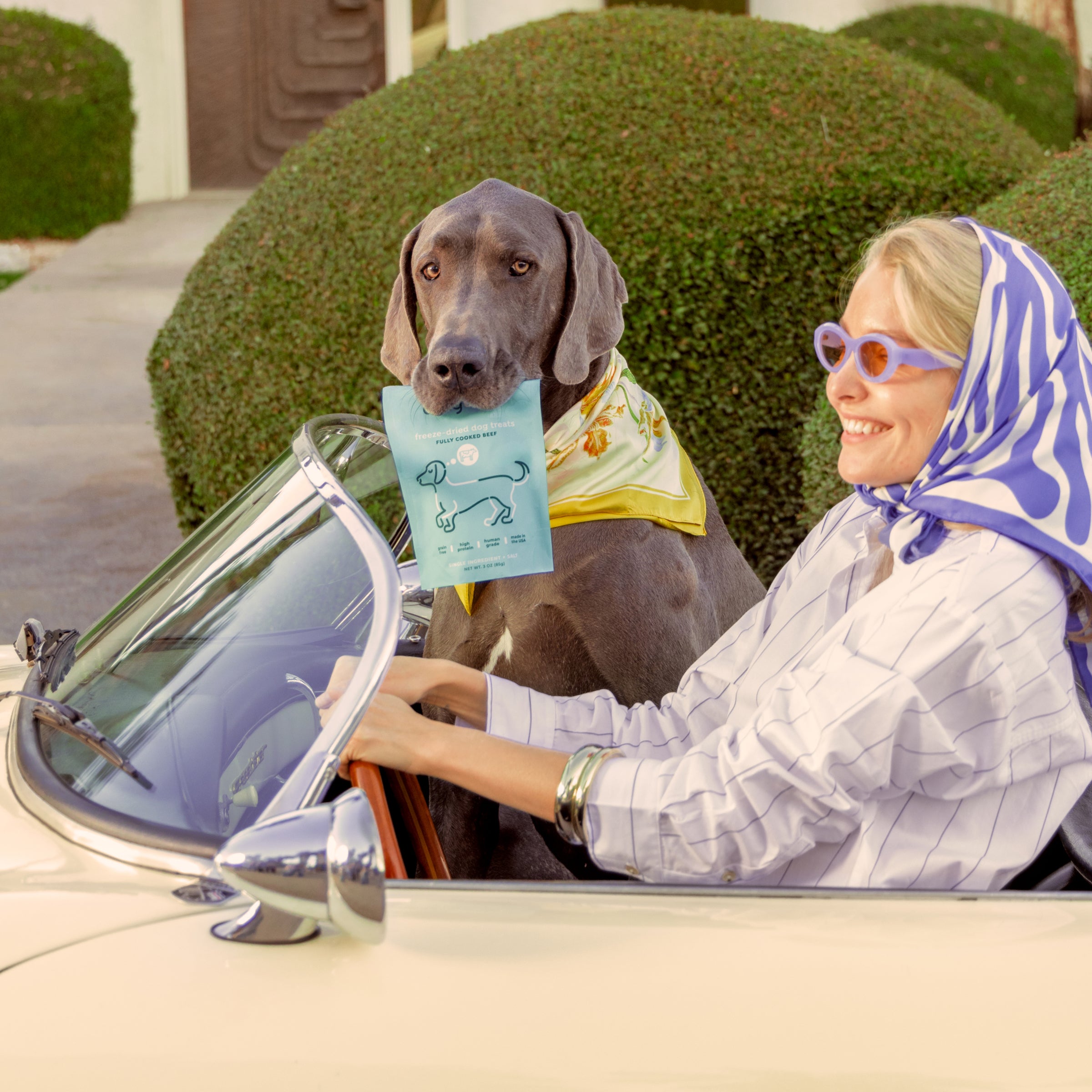
Measure every meal instead of eyeballing portions. Free feeding leads to gradual weight creep over time. Freeze-dried beef topper adds protein and flavor without many calories.
Quality protein preserves muscle mass as dogs age. Those muscles support joints and prevent further deterioration. Choose lean proteins that don't add unnecessary fat.
Comfort Measures for Tough Days
Some days hurt more than others despite your best efforts. Having comfort strategies ready helps during painful episodes. Combine these with supplements and exercise for complete care.
Heat Therapy Provides Quick Relief
Warmth loosens stiff joints better than almost anything else. Heat brings fresh blood flow to damaged areas. Many dogs visibly relax once warmth penetrates deep into tissues.
Pet heating pads offer safe, controlled warmth without burns. Always put a towel between the pad and their skin. Keep sessions under 15 minutes to avoid overheating.
Warm baths work wonders for overall stiffness too. Epsom salt baths add anti-inflammatory benefits on top. Grooming wipes keep them comfortable between baths without drying out skin.
Stick to Consistent Schedules
Predictable routines help arthritic dogs pace themselves better. They learn when to expect activity and when to rest. This reduces anxiety about moving around.
Feed meals at identical times every single day. Walk during periods when they seem loosest and most comfortable. Build in rest time after any activity.
Bringing Comfort Home Where It Matters Most
Understanding how to help a dog with arthritis at home changes everything for them. Environmental tweaks reduce physical demands on aching joints. Supplements support their bodies from the inside.
Smart exercise choices keep them mobile without causing setbacks. Weight control takes pressure off deteriorating cartilage. All these strategies work better together than separately.
Your daily attention to their comfort adds up to major improvements. Small consistent efforts beat occasional big gestures. Every dog with arthritis deserves to move without constant pain.
WagWell's joint support products combine veterinary science with quality ingredients. Multiple approaches address arthritis from different angles simultaneously. Your aging companion deserves comprehensive care throughout their senior years.
Sources:
-
National Institutes of Health. "Glucosamine and Chondroitin for Osteoarthritis." https://www.ncbi.nlm.nih.gov/books/NBK92756/
-
American Kennel Club. "Arthritis in Dogs: Symptoms and Treatment." https://www.akc.org/expert-advice/health/dealing-with-canine-arthritis/
-
Veterinary Centers of America. "Osteoarthritis in Dogs." https://vcahospitals.com/know-your-pet/arthritis-in-dogs
Recent Articles


